


UNITED STATES V. CALIFORNIA AIR RESOURCES BOARD (CARB)
In March 2026, the U.S. government and the Department of Transportation sued the California Air Resources Board (CARB), a state agency that regulates vehicle pollution, and its executive officer, Steven Cliff.
The federal government is challenging two regulations: CARB’s zero-emission vehicle (ZEV) requirements and CARB’s rules limiting greenhouse gas emissions from cars. The government claims that under federal law (the Energy Policy and Conservation Act (EPCA)), only the federal government can regulate ZEV requirements and vehicle emissions and state laws are preempted.
On August 17th, 14 youth represented by Our Children’s Trust filed to intervene as defendants, alongside CARB, to defend their constitutional rights.
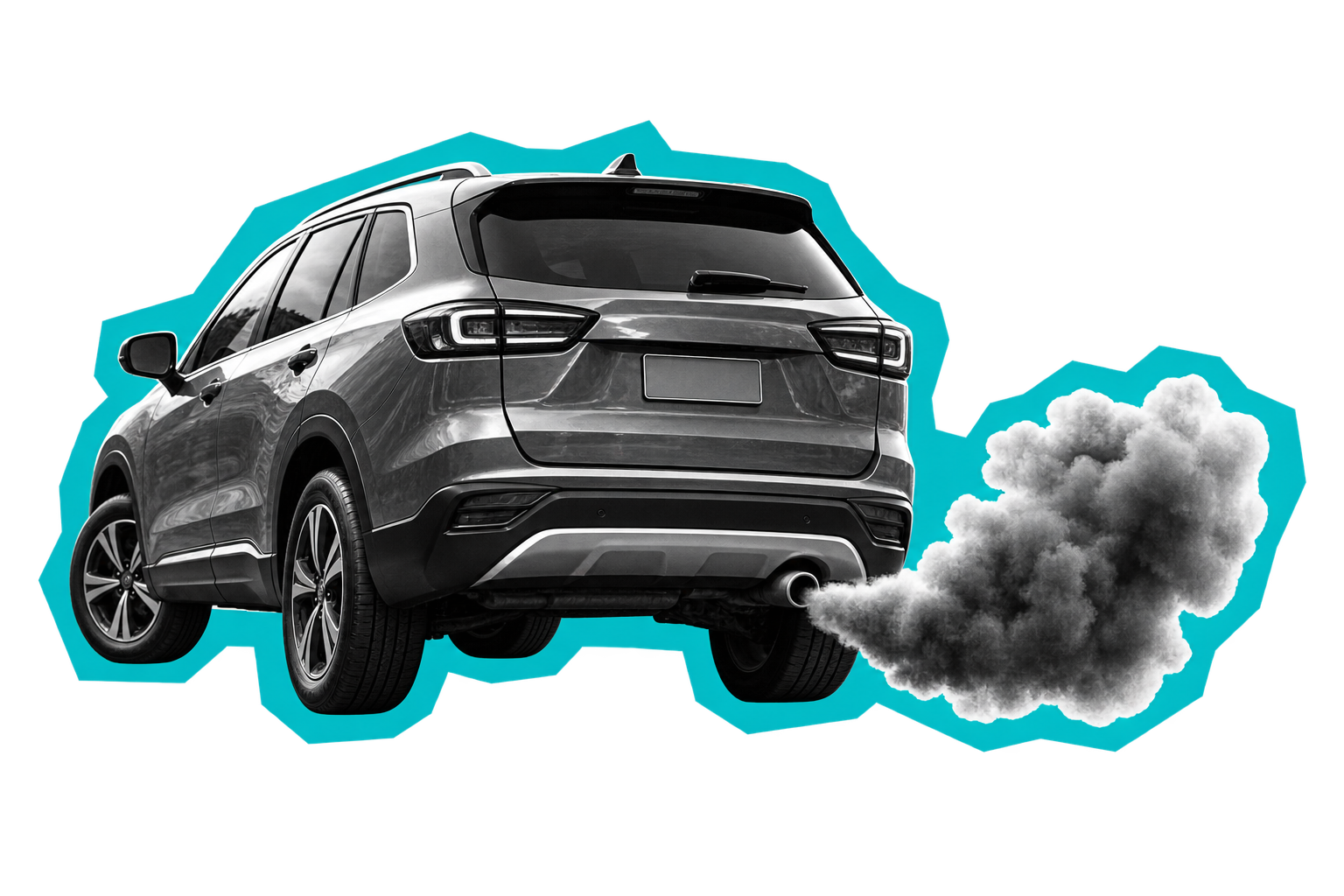
This case is about stopping the federal government from depriving people and states of the rights they have always had and never gave away to the federal government when the nation was formed. These fundamental rights include individual rights to safety and health, air, and water. States’ rights include the right to protect the safety of its residents and the duty to protect public trust resources like the air we breathe and the water we drink and swim in. Young people are arguing that CARB's authority to regulate car pollution is constitutionally required to protect their rights to life, liberties, and religious freedom.
The Hawai‘i youth have another special defense based on the Navahine v. HDOT settlement agreement; Our Children’s Trust helped them win in 2024. Hawai‘i youth intervenors are parties and beneficiaries of the Navahine v. HDOT settlement, in which the state committed to reaching zero emissions in transportation by 2045 to uphold Hawai‘i's Constitution that ensures a right to a clean and healthful environment. A ruling against CARB in this case could undercut that settlement and Hawai’i's ability to honor its own commitment to its youth.
PROTECTING YOUTH’S CONSTITUTIONAL RIGHTS
WHAT’S AT STAKE
This is an attack on decades of settled protection, not a new debate. California has regulated air pollution from cars since the 1950s and greenhouse gas emissions since the 1990s. This isn't fringe or experimental policy; it's a well-established public health tool the federal government is now trying to eliminate entirely.
The stakes go far beyond California, and this fight is already national. If the government wins, it won't just stop California; it would strip other states’ ability to limit vehicle pollution or require cleaner cars. Because the EPA has already eliminated federal greenhouse gas standards for vehicles, a win for the government here could mean no limits on car pollution anywhere in the country.
The federal government wants to control everything so it can regulate nothing, promoting industry while endangering children’s health and lives.
THE HARM IS HAPPENING NOW
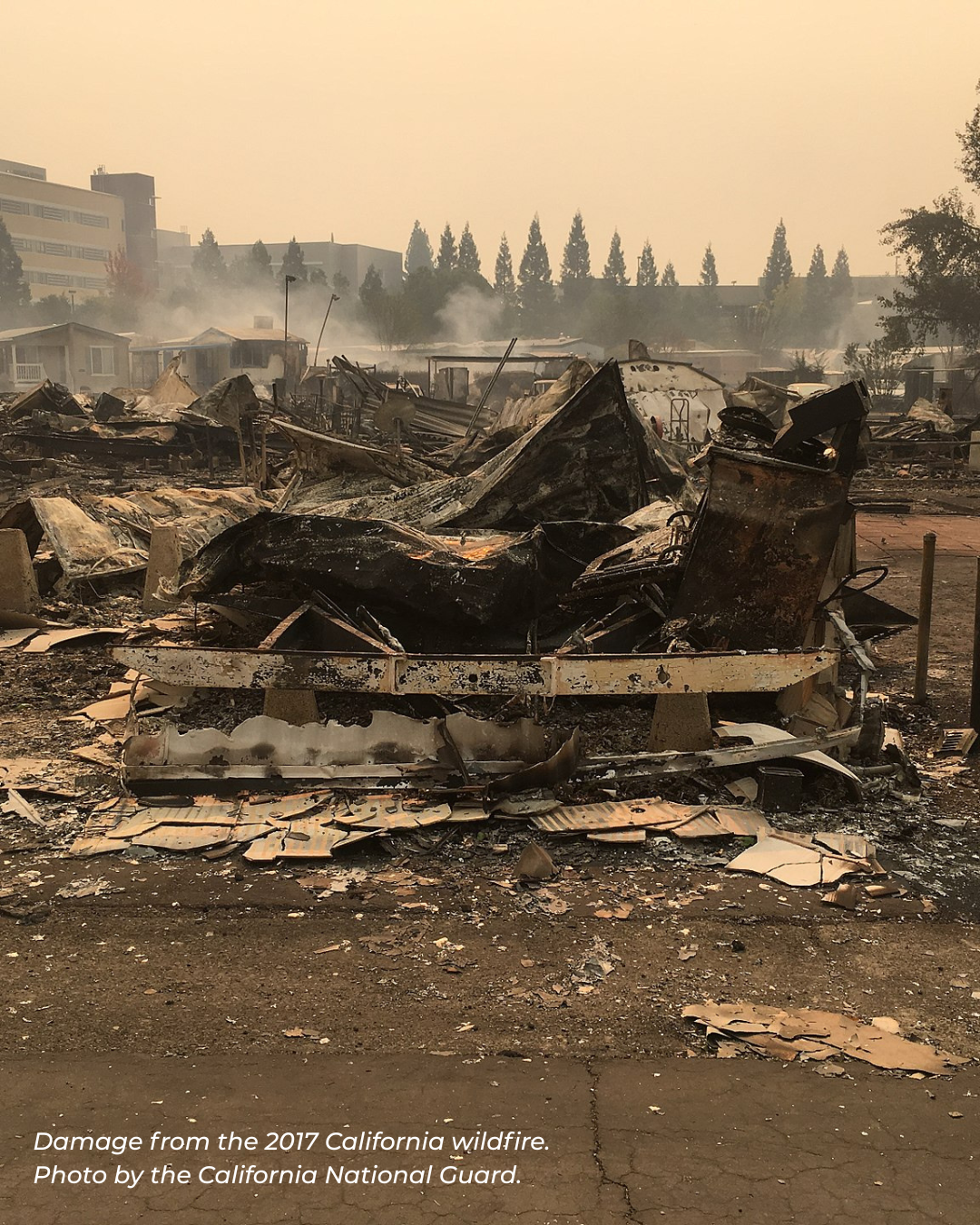
Young people are living the harm this case is about, and their stories are why this record matters. These aren't hypothetical injuries. They include:
A California teenager whose home was destroyed in the Tubbs wildfire and who has since been forced to evacuate multiple times.
An 18-year-old in La Jolla with exercise-induced asthma made worse by extreme heat.
A teenager in Visalia who lives in a valley that traps wildfire smoke from fires burning even hundreds of miles away, meaning smoke exposure is nearly constant.
Youth whose Eagle scouting, sports, and outdoor activities are repeatedly canceled due to heat and smoke.
A college student whose ability to learn is disrupted because her dorm has no air conditioning during extreme heat.
We expect this case to be appealed all the way to the U.S. Supreme Court. That is exactly why youth need to be part of the record now, so that when the country's highest court eventually weighs in, it isn't just two governments arguing over their respective power and duties. It's real young people, with real stories, whose lives, health and fundamental constitutional rights are on the line.
YOUTH AS DEFENDANTS
Unlike most of our cases, the youth will not be plaintiffs. The youth are seeking to intervene as defendants, alongside CARB.
CARB will defend the case on its own statutory and administrative grounds, but won't raise the arguments that matter most to youth: that youth have constitutional interests in their own lives and liberty that CARB's regulations help protect, and that preserving state authority to regulate vehicle emissions is necessary to safeguard those rights.
CURRENT STATUS
On October 6, 2026, the 14 youth filed a notice of appeal with the U.S. Court of Appeals for the Ninth Circuit, appealing the district court's denial of their motion to intervene in U.S. v. CARB. They’re now working on drafting their opening brief to explain why the district court erred in denying their motion to intervene as defendants alongside CARB.
major moments timeline
The following is a timeline of major moments, filings, and rulings from March 2026 to today: