

YOUTH ARE PROTECTING THE GHG ENDANGERMENT FINDING AND THEIR CONSTITUTIONAL RIGHTS!
VENNER V. EPA
On February 18, 2026, Our Children’s Trust, in partnership with Public Justice, filed Venner v. U.S. Environmental Protection Agency, on behalf of 18 youth from Alaska, California, Colorado, Hawai‘i, Montana, New York, Pennsylvania, Tennessee, Washington, and Wisconsin, including students, Tribal and Native youth, and youth from rural and coastal communities, asserting their constitutional rights to life, liberty, and religious freedom.
This youth-led constitutional petition asks a federal court to reverse and vacate EPA’s rule rescinding the 2009 Endangerment Finding, a landmark determination that greenhouse gas pollution threatens public health and welfare, and simultaneously eliminating all greenhouse gas emission standards for cars and trucks. The youth argue that the rule is unconstitutional by deliberately unleashing pollution that injures their fundamental rights when the agency’s singular job is to control and limit pollution harmful to their lives. The youth petitioners assert that EPA’s rulemaking also deliberately covered up decades of established climate science and the true costs of fossil fuel pollution to their lives, their health, and their religious and cultural practices.
Protecting Youth’s Constitutional Rights
The Trump administration’s attempt to roll back the Endangerment Finding is not a matter of a policy dispute, but a constitutional crisis for young people. No federal agency can choose its policy preference for gas-burning vehicles at the expense of children’s fundamental constitutional rights. The youth petitioners assert three core constitutional claims:
Violation of the Right to Life (Fifth Amendment): The rule’s rescission of the Endangerment Finding will increase GHG pollution, which in turn harm the youths’ health, safety, and longevity; increases vulnerability to heat stress on organs, respiratory injury, and long-term harm to the enjoyment of life.
Violation of the Right to Liberty (Fifth Amendment): Liberty interests include personal security, bodily integrity, dignity, the ability to form families, engage in cultural practices, and pursue happiness. Rescinding the finding endangers the youths’ ability to live safely and interferes with foundational aspects of liberty.
Violation of Free Exercise of Religion (First Amendment): The final rule burdens petitioners’ ability to practice religion and engage in culturally intertwined spiritual practices, which rely on a livable environment.
For decades, courts have focused on what the Clean Air Act allows or requires, but they have rarely asked whether agency actions respect fundamental constitutional rights. Every law, including the Clean Air Act, must operate within the limits of the Constitution, and agencies cannot implement or interpret statutes in ways that violate those rights.
Rescinding the Endangerment Finding is a Violation of Separation of Powers
The EPA does not have the power to undo a finding required by Congress simply because it prefers a different policy. The Clean Air Act requires the EPA to regulate pollutants that endanger public health and welfare. By rescinding the Endangerment Finding and vehicle greenhouse gas standards without a legitimate scientific basis, the EPA is effectively overriding Congress’s mandates.
That creates a constitutional problem. Under the U.S. system of government, Congress writes the laws, the executive branch implements them, and the courts interpret and enforce them. An agency cannot rewrite or ignore a law passed by Congress. And the way they carry out their duties must comply with the U.S. Constitution and not deprive children of their fundamental rights to life and liberties.
The “major questions” doctrine supports that the EPA cannot unilaterally rewrite its statutory duties on matters of vast economic and political significance when Congress has spoken.
Escalating Climate Harm
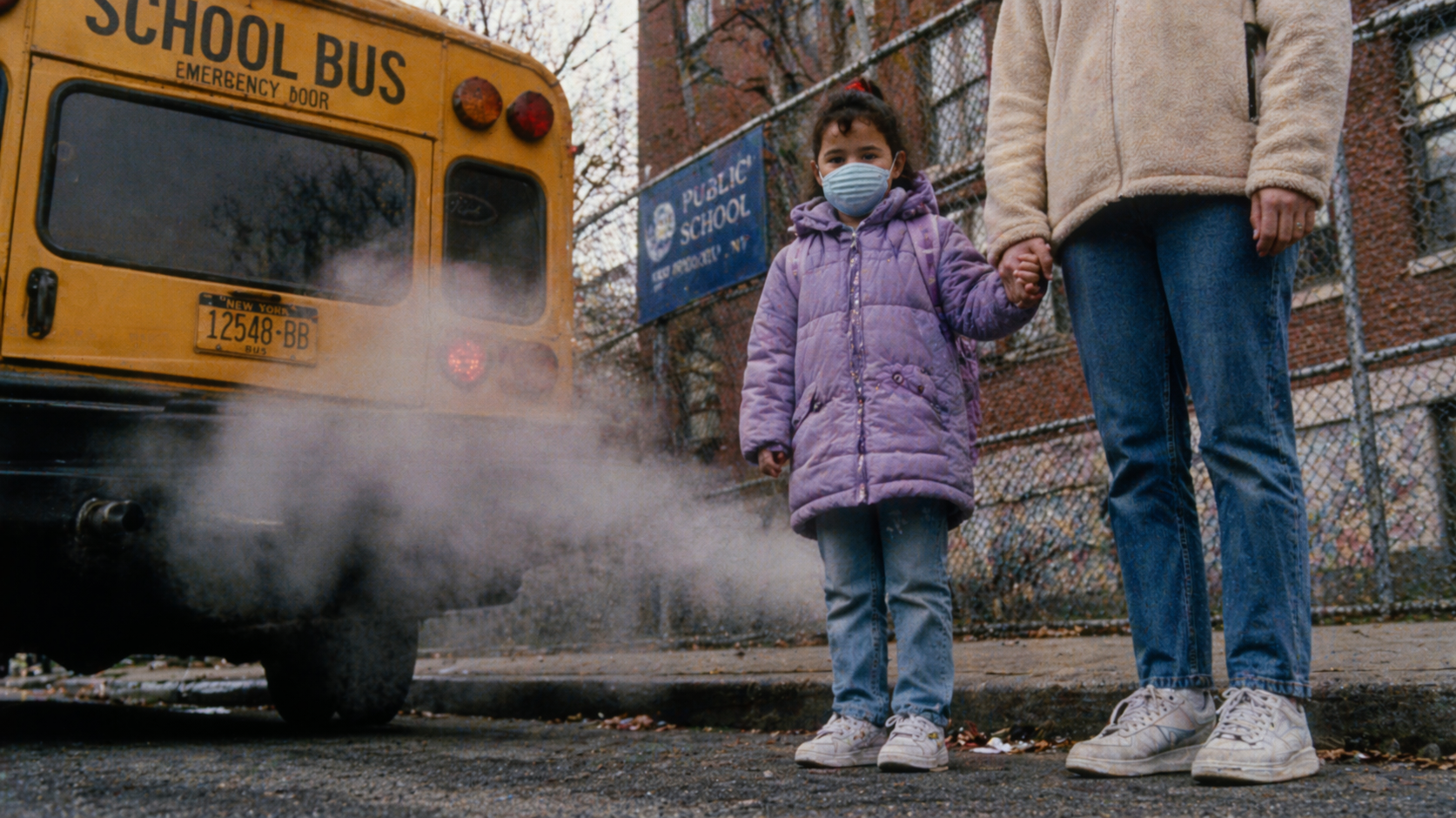
The EPA’s actions are occurring at a time of urgent and escalating air quality and climate threats. Each of the youth petitioners are already experiencing deeply personal injuries from greenhouse gas pollution, including respiratory conditions, weekly exposure to diesel school buses commuting to school, loss of important religious and spiritual practices from extreme climate events, and other threats to their personal security in their homes and in their schools.
Transportation-sector greenhouse gas pollution is the largest driver of climate change and causes human deaths each year. Each additional ton of greenhouse gas pollution adds to permanent physical, psychological, and environmental damage. The harms caused today are irreversible and will impact young people for the rest of their lives.
What the Youth Petitioners Are Asking For
The court must intervene to protect young people’s constitutional rights and prevent further harm. The youth are asking the court to reverse the EPA’s rule eliminating protections and standards against greenhouse gas pollution and ensure that the agency’s actions comply with the Constitution. They seek a judicial ruling that EPA’s decision is unconstitutional, that it infringes their rights, and must be vacated. The youth are requesting this reversal to protect their health, safety, and future, and to hold the agency accountable for its constitutional and statutory obligations.
Current Status:
On October 5, 2026, the D.C. Circuit Court of Appeals denied the youth petitioners’ motion for stay, which asked the court to keep greenhouse gas limits on vehicles in place while the case is litigated. The court did not rule on whether EPA violated the Constitution or on the merits of the youths' claims. It said only that the strict standards for a stay had not been met, without citing any of the evidence or legal arguments presented by the youth.
The case now moves forward to briefing on the merits, and the court will set a schedule in the coming weeks. The youth and their legal team will continue to pursue every available path to protect their constitutional rights.
major moments timeline
The following is a timeline of major moments, filings, and rulings in this case, from February 2026 to today: