
15 YOUTH SUE WISCONSIN FOR A STABLE CLIMATE!
DUNN V. WISCONSIN PUBLIC SERVICE COMMISSION
On August 22, 2025, Our Children’s Trust, in partnership with Midwest Environmental Advocates, filed Dunn v. Wisconsin Public Service Commission on behalf of 15 children —ages 8 to 17— from across Wisconsin to protect their rights to life and liberty under Article 1, Section 1 of the Wisconsin Constitution — rights that inherently include health, safety, bodily integrity, and a stable climate. The young plaintiffs argue that Wisconsin laws prohibiting the Public Service Commission (PSC) from considering air pollution in its permitting decisions for fossil fuel infrastructure, while simultaneously blocking the development of new renewable energy sources, exacerbate the climate crisis, harm young people, and violate their fundamental rights.
The plaintiffs also assert that the Wisconsin Legislature and PSC have a constitutional duty under Article IX, Section 1 of the Wisconsin Constitution to protect and conserve the state’s waters for the benefit of current and future generations.
Defendants include the Wisconsin Public Service Commission and the Wisconsin Legislature.
Why Children Are Suing!
Wisconsin has enacted laws like Wis. Stat. §§ 196.491(3)(d)3. and 4, Wis. Stat. § 196.378(4m)(a) and Wis. Stat. § 196.025(1)(c)1. that:
Prohibit the PSC from considering air pollution or climate impacts when reviewing fossil fuel project applications, effectively forcing approval of polluting infrastructure regardless of harm.
Cap the renewable energy requirements utilities must meet, limiting the state’s clean energy transition.
These statutes endanger the health, safety, and lives of children in the state, entrench fossil fuel reliance, and obstruct Wisconsin’s own goal of fully decarbonizing its electricity sector by 2050.
Over 75% of Wisconsin’s electricity still comes from fossil fuels like coal and natural gas, and the state’s per capita carbon emissions exceed the national average. As a result, climate change impacts are accelerating across Wisconsin—bringing more frequent flooding, intensifying heatwaves, and worsening environmental degradation—all of which directly threaten the plaintiffs’ health and safety.
Wisconsin’s Waters Are at Risk
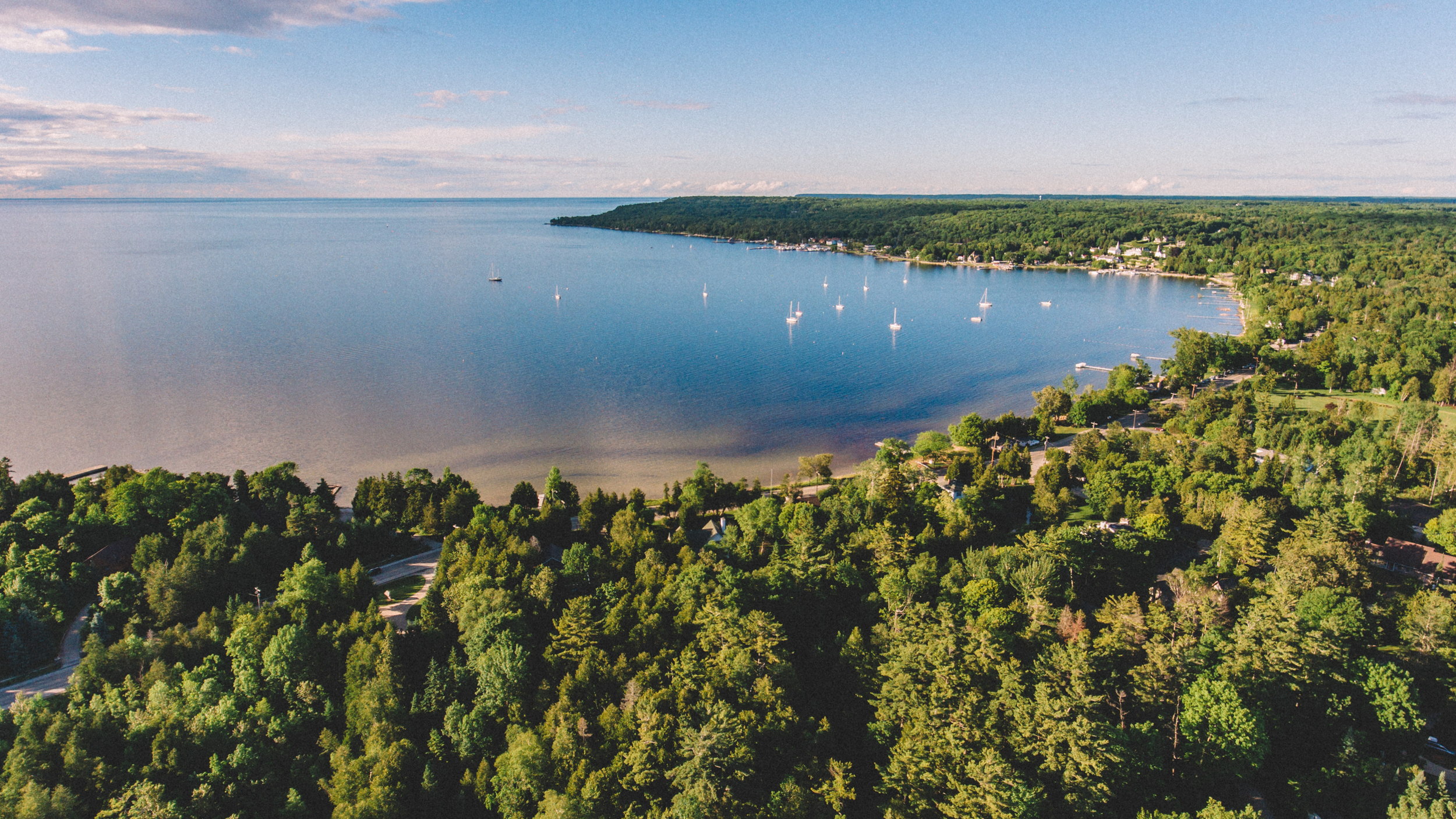
Under the Public Trust Doctrine, Wisconsin’s waters—including its lakes, rivers, wetlands, and shorelines—must be protected for public use and preserved for future generations. But climate change is threatening these rights. Warmer lakes, toxic algal blooms, and increased polluted runoff are making fishing, boating, and swimming more hazardous. Shorter winters and unreliable ice are diminishing opportunities for ice fishing and skating. Meanwhile, extreme weather is eroding shorelines, causing flooding, and altering the natural beauty of the landscape—undermining the very purposes these waters are meant to serve.
Children are Disproportionately Harmed by Climate Change
The climate crisis severely threatens the health, well-being, and future of children. Physically, children are more vulnerable to the impacts of air pollution, extreme heat, and reduced access to clean water. Mentally, they are increasingly burdened by anxiety, grief, and trauma as they witness the degradation of ecosystems and the loss of places they love. The crisis also jeopardizes their future opportunities, diminishing access to natural resources, reliable food systems, and safe housing. When state laws and energy policies continue to promote climate pollution, they lock in these harms—forcing this generation and the next to live with the consequences.
The youth plaintiffs who filed Dunn v. Wisconsin Public Service Commission are already experiencing many of these harms firsthand. They face heightened exposure to fossil fuel–driven air pollution, leading to respiratory and cardiovascular issues, environmental degradation, which is reducing their access to clean, usable water, and extreme climate-driven floods, heatwaves, wildfires, and weather events, endangering their physical safety and mental health. For Indigenous youth plaintiffs, the crisis is also threatening their ability to practice tribal lifeways, including harvesting traditional Anishinaabe foods like fish, wild rice, and maple sugar. Looking ahead, these children face a future with a destabilized climate, putting biodiversity, livelihoods, and overall quality of life at risk.
What the Youth Plaintiffs Are Asking For
Declare that the laws prohibiting the PSC from considering air pollution when reviewing permits for fossil fuel power plants and imposing a cap on renewable energy requirements violate plaintiffs’ constitutional rights to life and liberty; right to a stable climate system; and right to use and enjoy navigable waters.
Stop the PSC from implementing unconstitutional laws.
Plaintiffs are not seeking monetary relief.
Wisconsin children have the right to breathe clean air, access, use, and enjoy Wisconsin’s waters, and be protected from worsening climate disasters. These young plaintiffs are demanding accountability for government laws that harm their future. This lawsuit amplifies their leadership and the urgent need for systemic change.
Watch the Climate on Trial documentary by WHEN Justice to learn more about Dunn v. Wisconsin Public Service Commission
Previous Action in Wisconsin
Our Children's Trust helped Wisconsin youth and partners take important action toward achieving scientifically adequate emission reductions in the state. On May 4, 2011, a petition for rulemaking was filed with the Wisconsin Department of Natural Resources, raising awareness in the state about the scientific remedies necessary to address climate change and educating state officials about their duty to protect the atmosphere. However, the petition was not accepted by state officials.
Current Status:
On April 23, 2026, the Dane County Circuit Court dismissed the case, finding the claims raise a nonjusticiable political question and that environmental policy decisions belong to the legislative branch, and cannot be reviewed by the courts. That is wrong, however, and the legislature cannot pass laws that violate constitutional rights. Courts have a duty to protect the most vulnerable, especially children, when government action is harming them and violating their rights.
On May 28, 2026, the plaintiffs filed an appeal to the Wisconsin Court of Appeals, District I, asking the court to allow their case to proceed on the merits, and on July 27, 2026, they filed their opening brief. They now await the defendants’ response briefs.
major moments timeline
The following is a timeline of major moments, filings, and rulings in this case, from August 2025 to today: