

California Youth Argue Their Constitutional Climate Case Before the Ninth Circuit
March 20, 2026
By Emily Miller
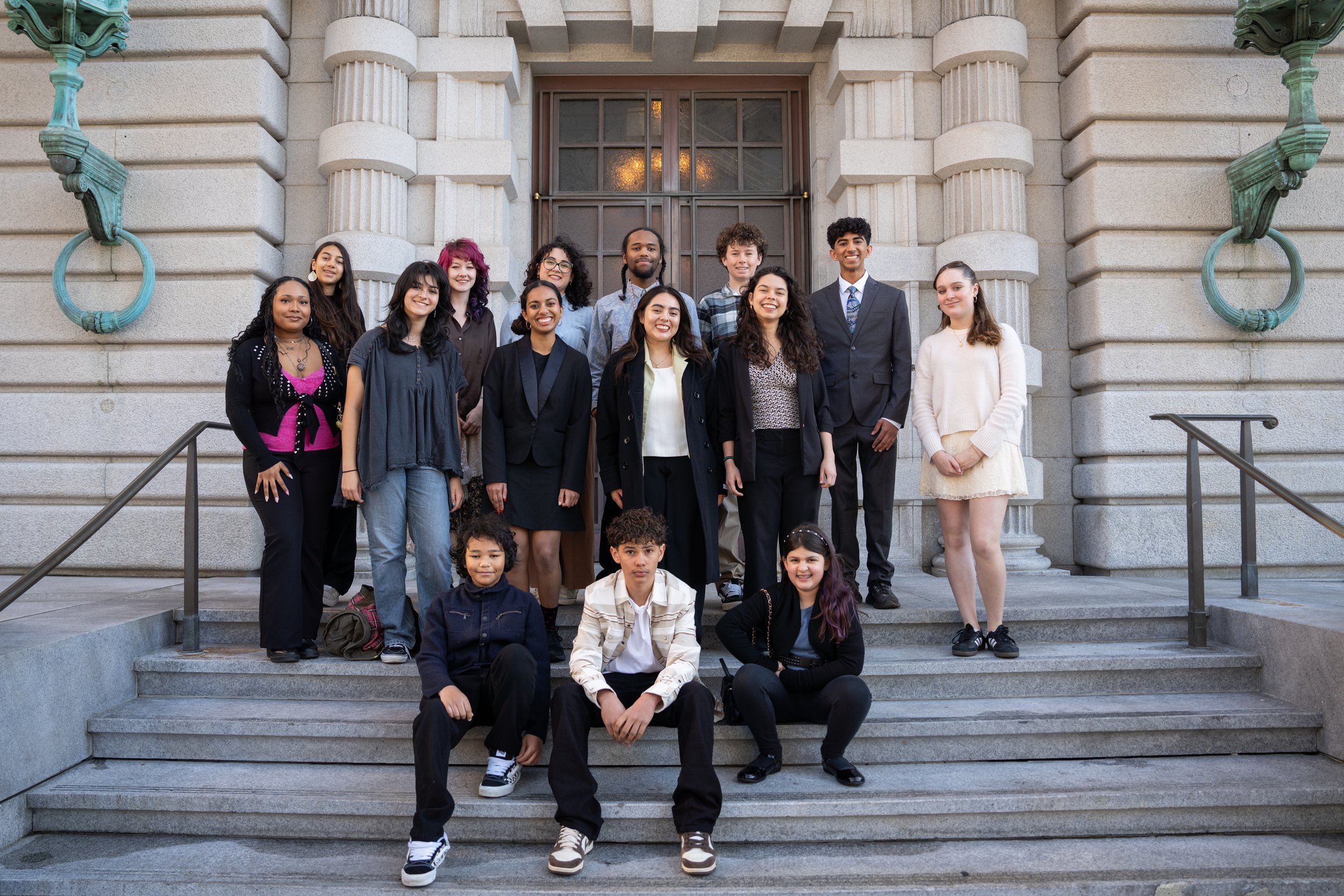
The youth plaintiffs in Genesis v. EPA in front of the Ninth Circuit Court of Appeals before oral arguments on March 5, 2026. Photo by Sarahbeth Maney.
On March 5th, 2026, eighteen California children and youth appeared before the Ninth Circuit Court of Appeals to argue their constitutional climate case, Genesis v. United States Environmental Protection Agency (EPA). During oral arguments, they asked the Court to reverse a lower court dismissal that prevented them from presenting evidence at trial showing how EPA’s policies discriminate against children in regulating climate pollution.
The EPA systematically undervalues the young plaintiffs’ health and life and prioritizes money for adults today when determining allowable greenhouse gas emissions. This economic “discounting” prioritizes adult interests today over the health, safety, and development of children, resulting in ongoing and worsening harms. Many of the youth plaintiffs have experienced asthma attacks triggered by wildfire smoke, extreme heat, and dangerous air pollution; evacuations and displacement from homes; disruptions to schooling, religious practice, and cultural traditions; and long-term economic and health consequences.
Ariela
“When I was 14, I remember walking outside under an orange sky from wildfire smoke and struggling to breathe. That fear turned into determination to fight so communities like mine wouldn’t suffer lifelong health impacts from climate pollution. Seven years later, as a college student, that weight has only grown heavier as environmental protections are rolled back and our communities are ignored. Young people deserve equal protection under the law. Today, we asked the Ninth Circuit Court of Appeals to reinstate our case and ensure the courts hear our constitutional claims and hold the EPA accountable. We are raising our voices because this is the fight of our lives, and we won’t give up on a better future.”
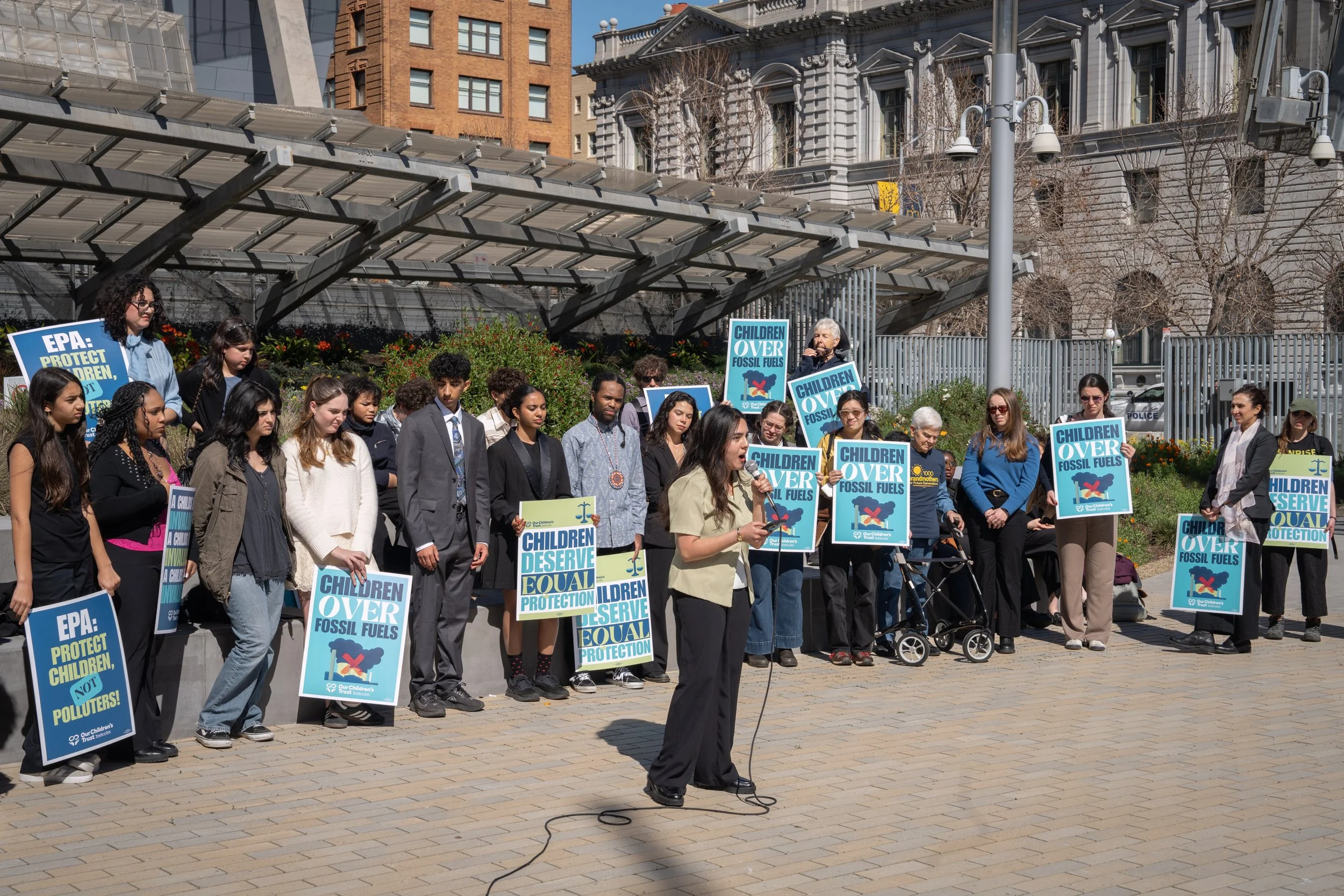
Genesis v. EPA youth plaintiff Ariela speaking at a press conference and rally after oral arguments at the Ninth Circuit Court of Appeals in San Francisco, CA, on March 5, 2026. Photo by Sarahbeth Maney.
At oral argument, Our Children’s Trust attorney Brianna Rosier Kabwika, speaking on behalf of the youth plaintiffs, argued that the lower court erred in dismissing the case without allowing children to present their evidence of harms caused by discriminatory federal policies. She emphasized that the EPA, as the agency charged with protecting children’s health and welfare, cannot lawfully discount the value of their lives and futures, and that the Constitution guarantees children the right to equal protection under the law. Her arguments underscored that this case is about whether courts can enforce constitutional protections for children facing life-threatening climate harms.
“This case is about the real and ongoing harms that federal policies impose on children,” said Rosier Kabwika. "These are not speculative injuries. They are the lived realities of the children sitting in the courtroom today. The Constitution guarantees that children have the right to equal protection under the law, and it is the Court’s responsibility to ensure that federal agencies do not ignore those rights.”
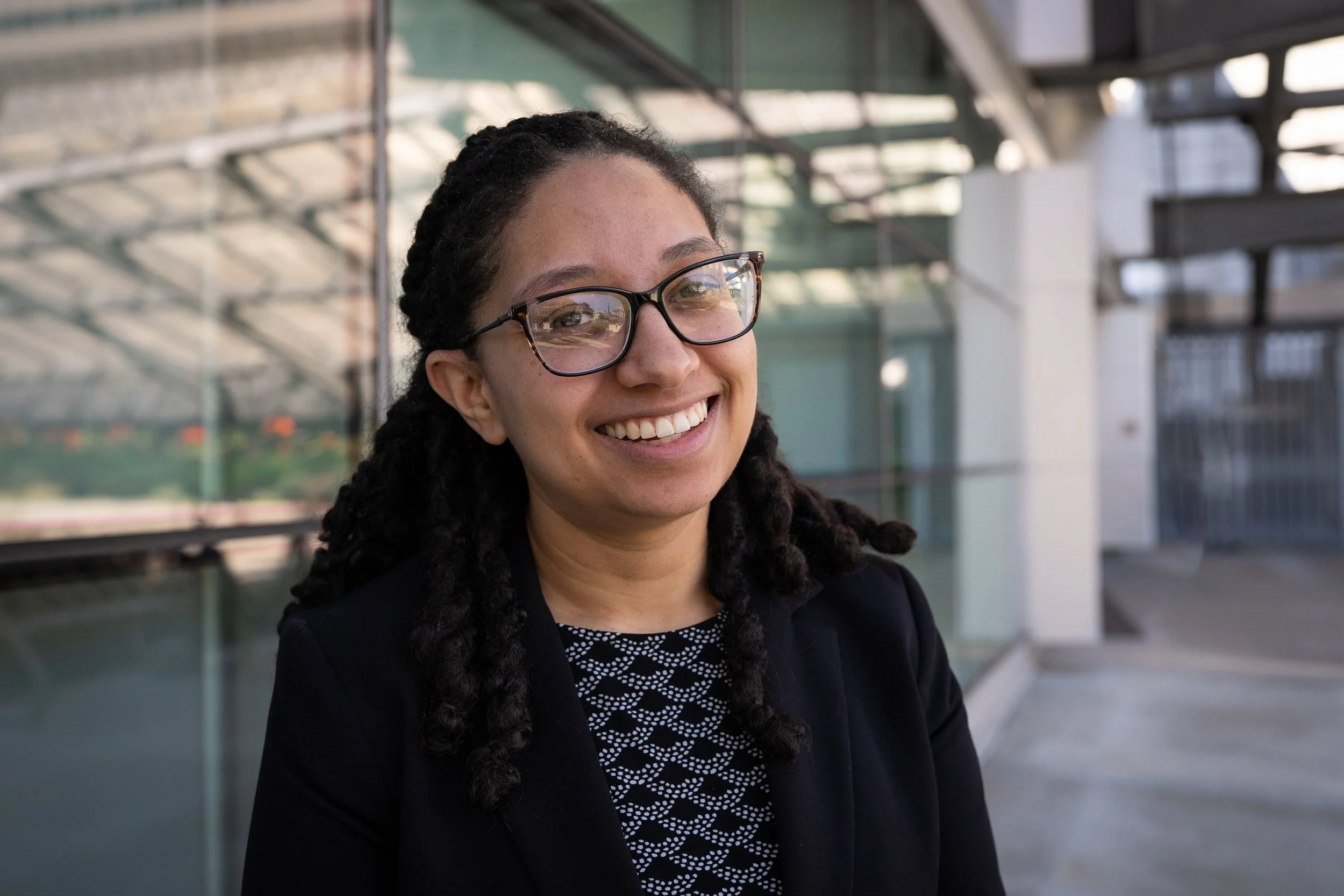
Brianna Rosier Kabwika, Our Children’s Trust attorney for the Genesis v. EPA youth plaintiffs. Photo by Sarahbeth Maney.
The youth plaintiffs are asking the Ninth Circuit to affirm that courts have a duty to hear constitutional claims brought by children whose rights are being directly harmed by government policies. By dismissing this case, the lower court effectively denied children equal treatment in the government policies that govern the air they breathe, the heat they endure, and the homes and schools they rely on for safety and education. Expert testimony submitted in the case demonstrates that federal discounting policies significantly undervalue the future health, safety, and economic well-being of children, leaving them disproportionately exposed to life-threatening climate harms.
Reinstating the case would allow the youth to present evidence demonstrating that the EPA’s current regulatory practices fail to protect children equally under the law and violate their fundamental rights to life and equal protection.
After the hearing, nearly 100 supporters and community members rallied outside the courthouse, filling the plaza with signs and messages of support for the youth plaintiffs. Several of the plaintiffs spoke to the crowd, describing their experiences and why they chose to bring the case
Maya
“The climate crisis is not something that my generation created; it is a crisis that we inherited and are disproportionately burdened by. Every day, our bodies and our communities are put on the line for the sake of corporate greed. We are here to show the EPA that our lives, our health, and our future are not for sale, and we will keep fighting to defend our constitutional rights.”
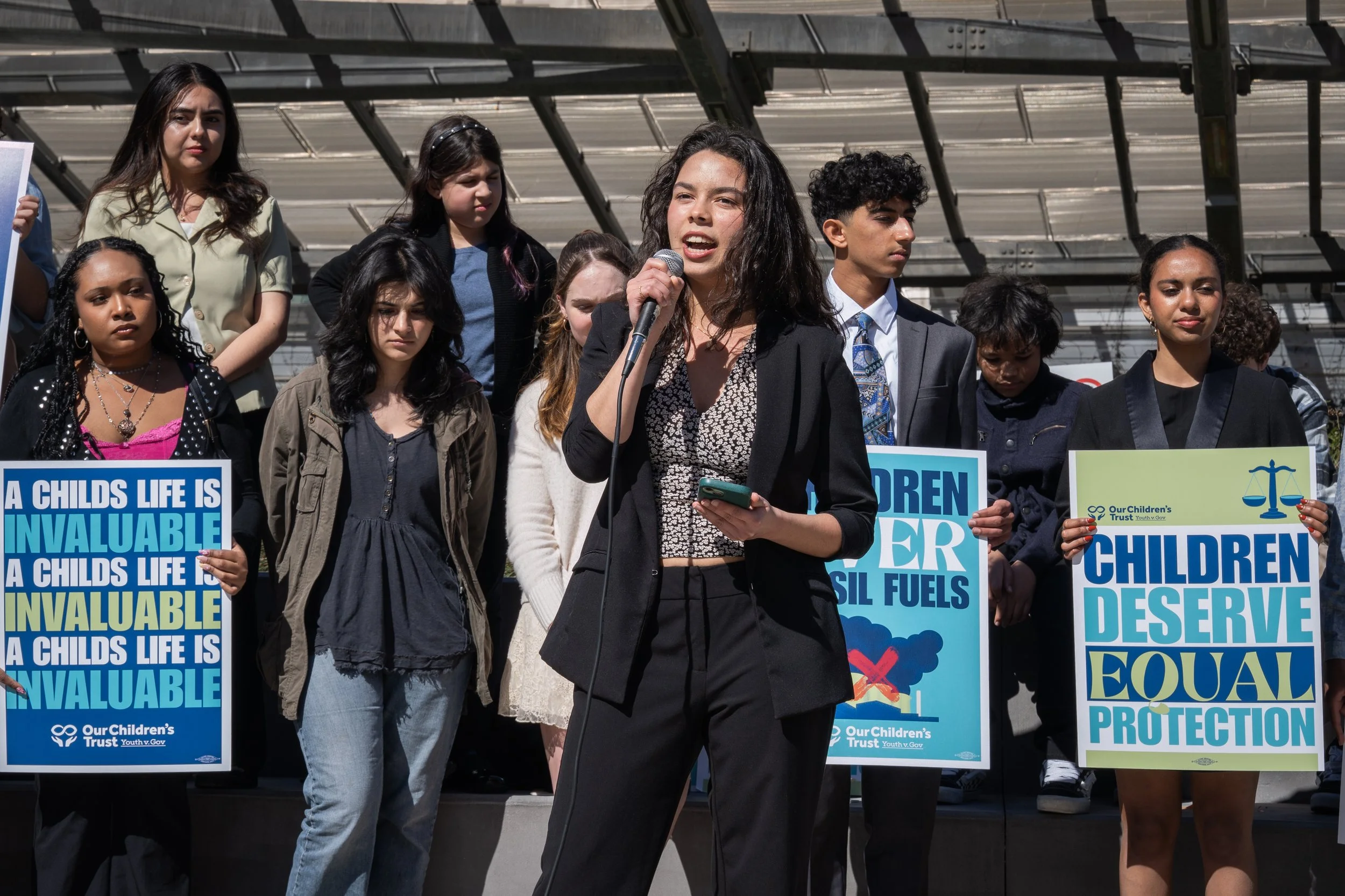
Genesis v. EPA youth plaintiff Maya speaking at a press conference and rally after oral arguments at the Ninth Circuit Court of Appeals in San Francisco, CA, on March 5, 2026. Photo by Sarahbeth Maney.
Avroh
“We are here today not primarily by choice, but by a necessity that compels us to action, to stand up against the EPA’s discriminatory devaluation of our futures. My future is endangered every day that the EPA continues to regulate climate pollution in this manner.”
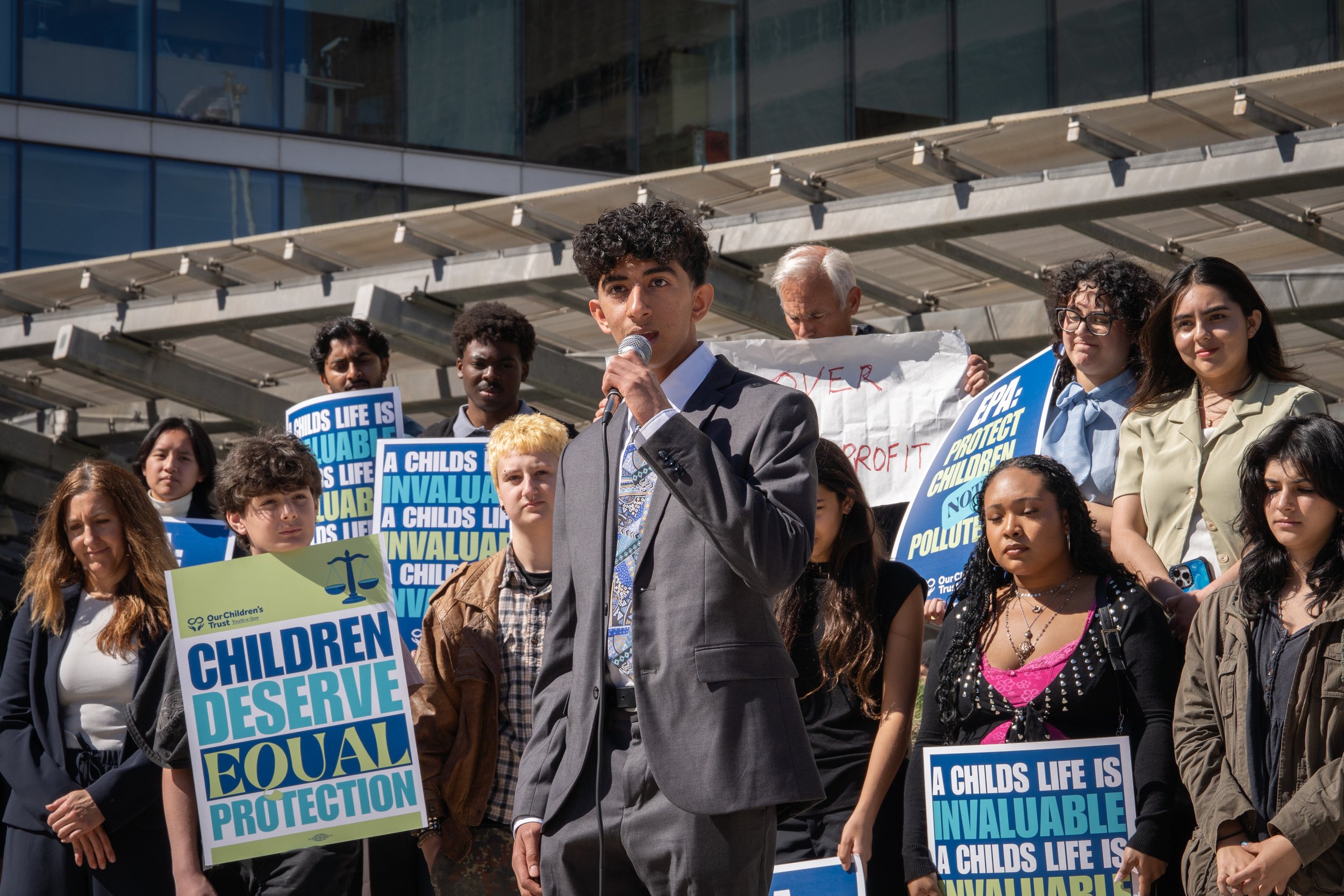
Genesis v. EPA youth plaintiff Avroh speaking at a press conference and rally after oral arguments at the Ninth Circuit Court of Appeals in San Francisco, CA, on March 5, 2026. Photo by Sarahbeth Maney.
The Ninth Circuit is expected to issue its decision in the coming months, determining whether the case will move forward to trial and giving the youth plaintiffs a chance to have their constitutional claims heard.