

Protecting the Earth Requires Sacrifice: My Culture and Generation are Paying the Price
DATE
By Sophia Sidarous
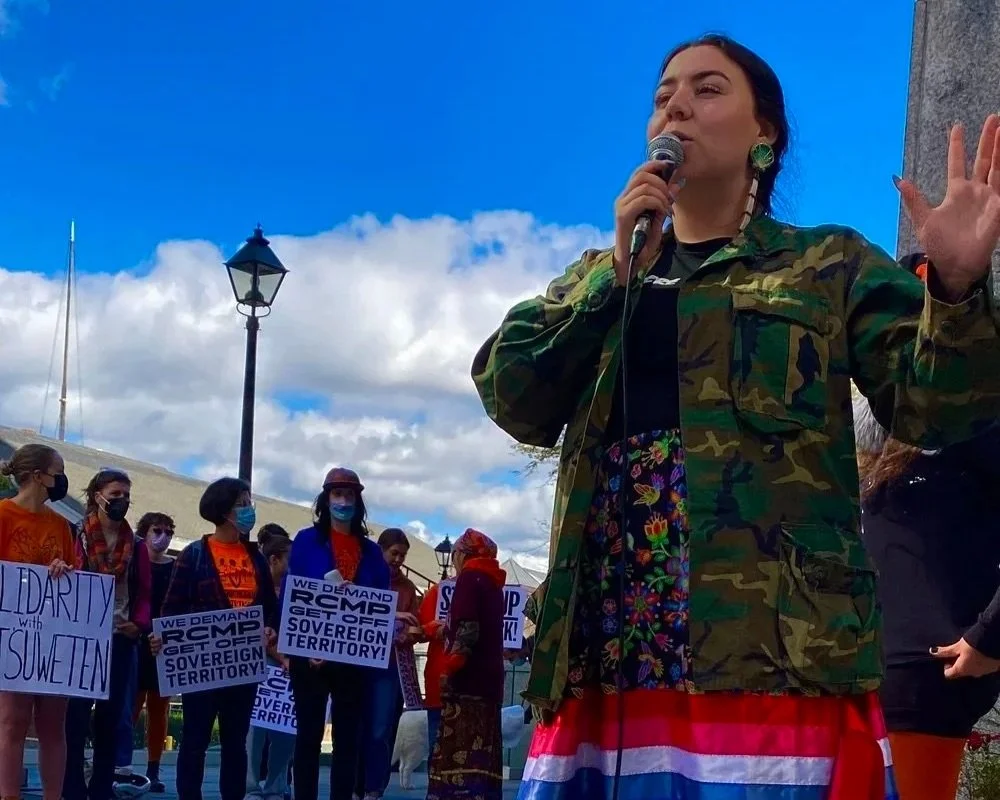
Sophia is Mi’kmaq from Metepenagiag First Nation, as well as Egyptian. A land defender and a water protector, she has been aware of the climate crisis and its impacts from a very young age. She is a plaintiff in La Rose v. His Majesty the King, and will testify and share her story at the first federal climate trial in Canadian history in October 2026.
Nearly every year, my community experiences a natural disaster or an evacuation order.
When I was 11 years old, I was riding in the car heading to my grandmother’s house when it began to flood. Everything happened so quickly. When I got there, water was rushing into the basement, and we had to leave behind almost everything.
So much was lost in that flood, including artifacts from Egypt that had been in our family for generations.
Experiencing that kind of damage to a place you hold dear is a stressful experience. It’s no small thing to see a home damaged so badly and wonder if it will ever get restored. And the harm only builds as it happens over and over again.
Now, as a mother, the stress when I receive evacuation alerts is even more overwhelming. It’s difficult enough to pack up your own belongings and decide what matters most. With a young son, there is so much more to pack and even less time to gather everything we need, wondering how he would handle being in an evacuation center away from his routine and everything and everyone he knows.
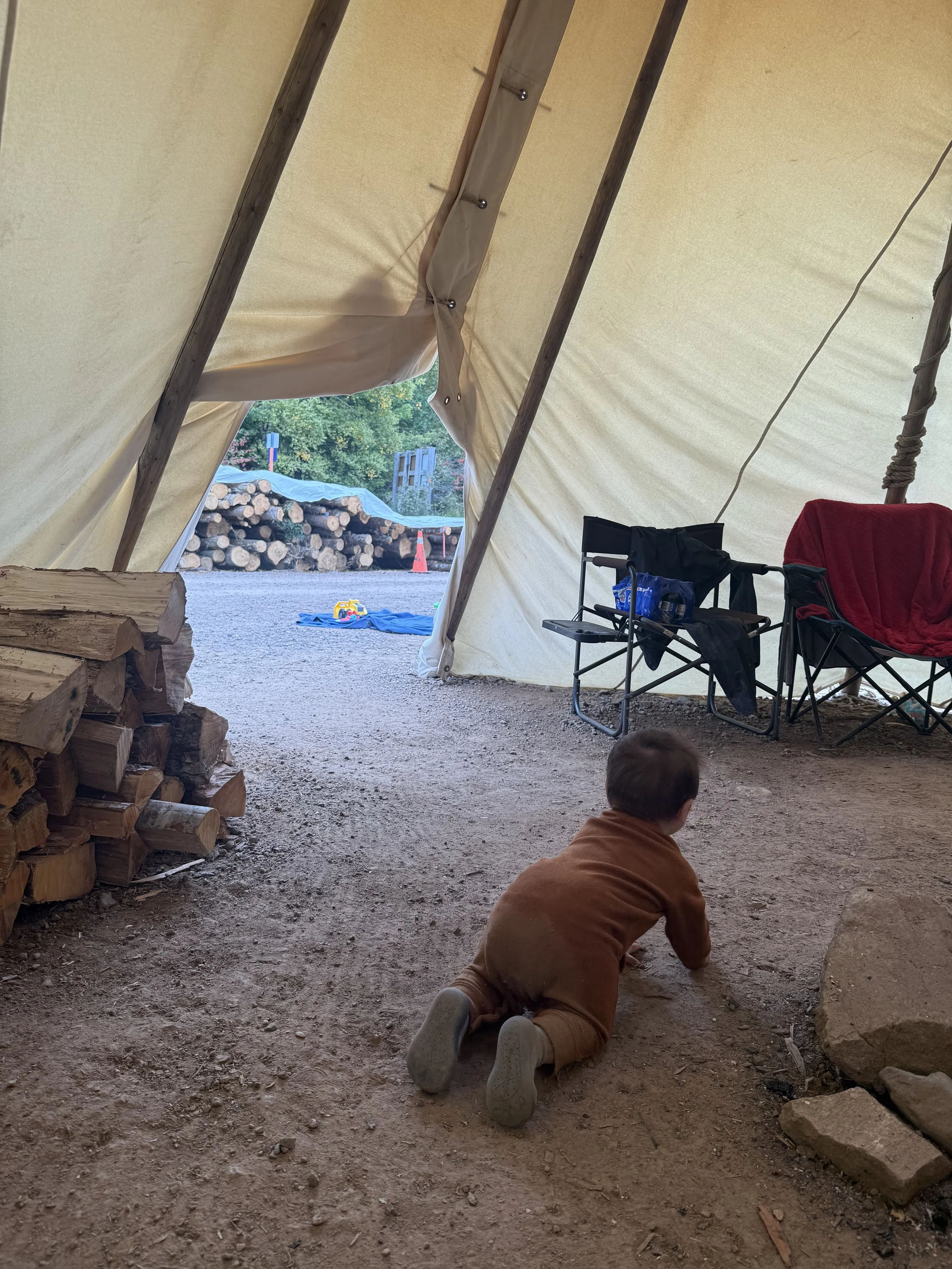
I am Mi’kmaq from Metepenagiag First Nation. When my community is not facing natural disasters and evacuation orders, our way of life is still affected daily by the climate crisis.
Many of our cultural and ceremonial activities take place throughout the day, opening with sacred fires. In Nova Scotia, and widely across Canada, we can’t have fires during the day in summer because the risk for wildfires is too high.
Increased heat waves, wildfire smoke, and natural disasters have all contributed to outdoor ceremonies, like sweat lodge ceremonies and jingle dress dancing, being harmful to our health or entirely cancelled. Fishing, hunting, and harvesting are all culturally significant practices, and many climate-related factors are making these practices more difficult to engage in.
It’s not an occasional inconvenience; it’s a constant disruption of my culture.
These constant threats and disruptions inspired me to act. I knew Mother Earth was sick, and I had to do something about it.
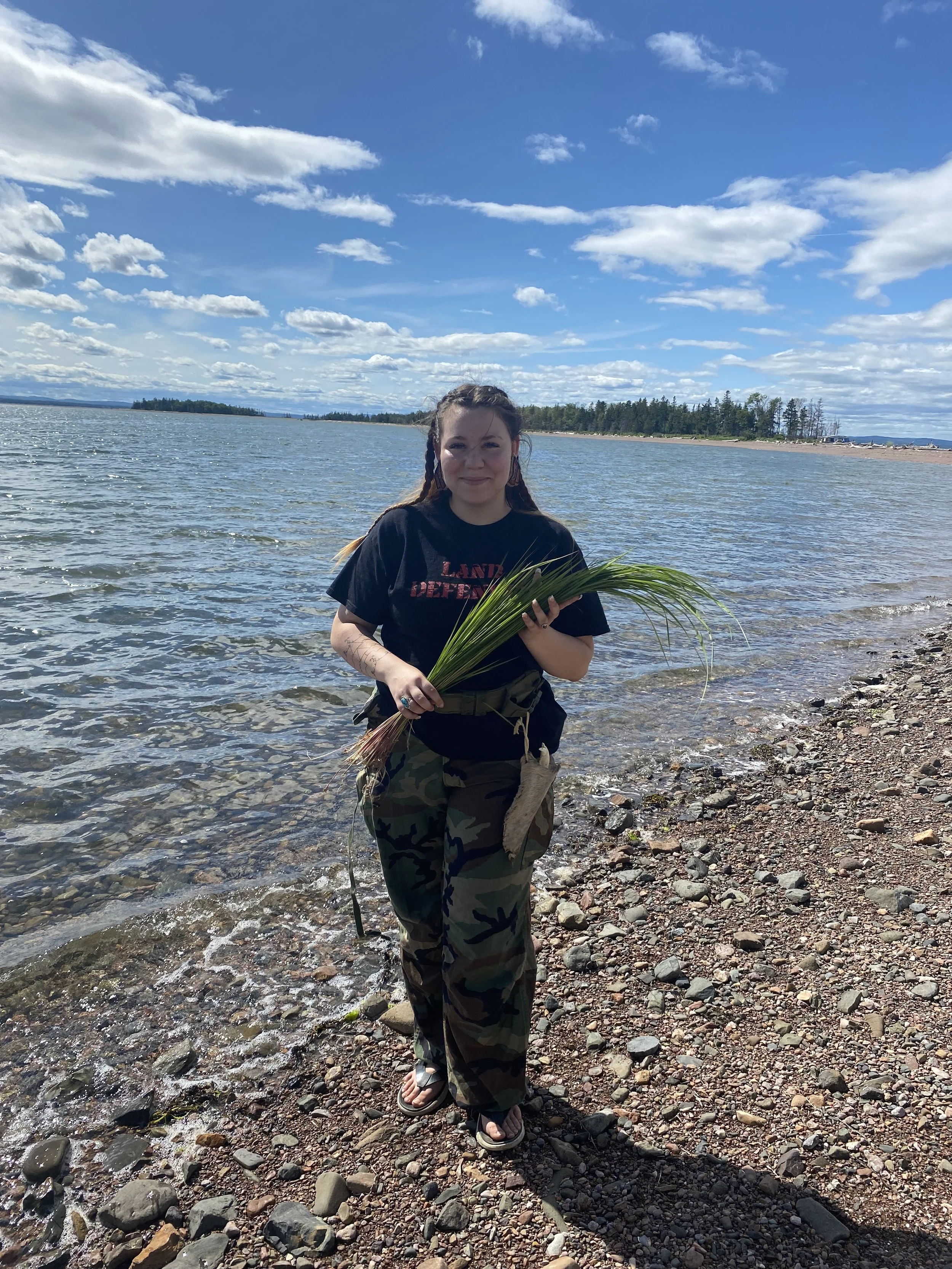
In 2019, I had long been a land protector and decided to join the lawsuit La Rose v. His Majesty the King as a plaintiff. Fourteen other young people and I filed a constitutional rights case against the government of Canada. We are arguing it has violated our rights under Section 7 of the Charter of Rights and Freedoms by continuing a trajectory of greenhouse gas emissions that causes us harm.
For seven years we’ve experienced the ups and downs of the case. Now, we are now finally heading to trial in October.
During these last seven years, I completed law school, became a mother, and have grown into a young adult. So much has changed. And yet, the world around me has not improved.
When I was growing up on the east coast, we never experienced wildfire smoke. But now, there are more wildfires, more natural disasters, more changes to the environment happening before my eyes.
Despite these realities, the government of Canada is reversing any meaningful progress towards climate justice. There are no scientifically sound plans to curb climate change. Any plans that are in place contain policies that are not being implemented or are being erased. Our government's actions continue to worsen this crisis.
Indigenous people are first-hand witnesses to the climate crisis. We are connected to the land, and we see and live these changes unfolding. Youth, including my own son as well as my fellow plaintiffs, are also experiencing the brunt of this crisis: we feel the impacts the hardest, and we will have to endure them the longest.
Youth and Indigenous people are among those most affected by the climate crisis, yet we are also at the forefront of the movement to address it. We are pouring out time, money, and energy into this cause, into helping the earth and its people and its animals. We are constantly sacrificing something, whether it is to endure the climate crisis or attempting to correct it.
And that sacrifice is not being reciprocated.
Our government knows there is a problem. They make promises and plans to solve it, and then go back on their word, pivot when it’s convenient, and talk about short-term gains for the economy.
Right now, it’s one disaster after another. Wildfires, floods, heat waves, evacuation orders. It’s constant terror.
Climate change is becoming too big an issue for anyone to escape. But those in power aren’t ready to make the decisions needed to protect the earth: they aren’t ready to pursue a new path today so that we all survive tomorrow.
Addressing the climate crisis is no longer optional. It’s not a matter of policy or economy. It’s a matter of life or death.
We, as a people, have to recognize the reality and severity of climate change, and come together to solve it.
I’m not under the illusion it will be easy: but the choice is obvious. If we want a future at all, we have to begin making changes today.
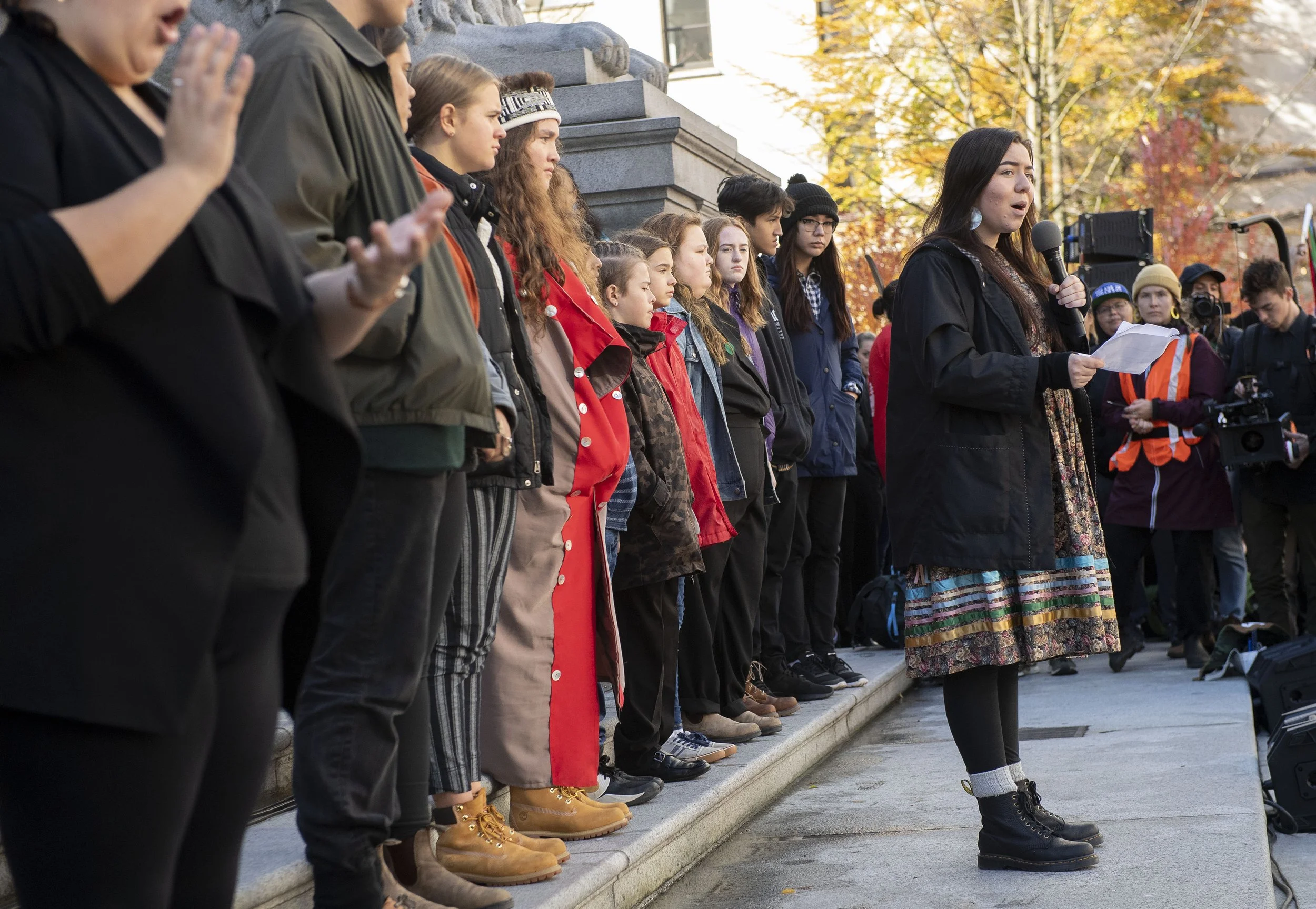
Sophia speaking at a Vancouver, BC, climate rally after the case filing in 2019. Photo by Robin Loznak.
This month, I will cross the country to testify at trial.
When I walk into that courtroom for the La Rose v. His Majesty the King trial, I will walk tall knowing I am doing the right thing. To the witness stand I will carry the weight of so many stories: my mother’s lifelong activism, my grandmother’s flooded home, my son’s hopes for a limitless future, the countless times I’ve had to shelter inside from wildfire smoke or extreme storms.
I will tell the truth of my experience, carrying out my duty as a land defender and water protector. I will give testimony to the constant threat against my people’s way of life, of how my culture as well as my generation have endured and been weighed down by the worst of the climate crisis. I will share my hope that my son’s future is not burdened by experiences even worse than my own.
I will do all I can to help protect Mother Earth, preserve my culture, and secure our collective future.
As told to Emily F. Miller