

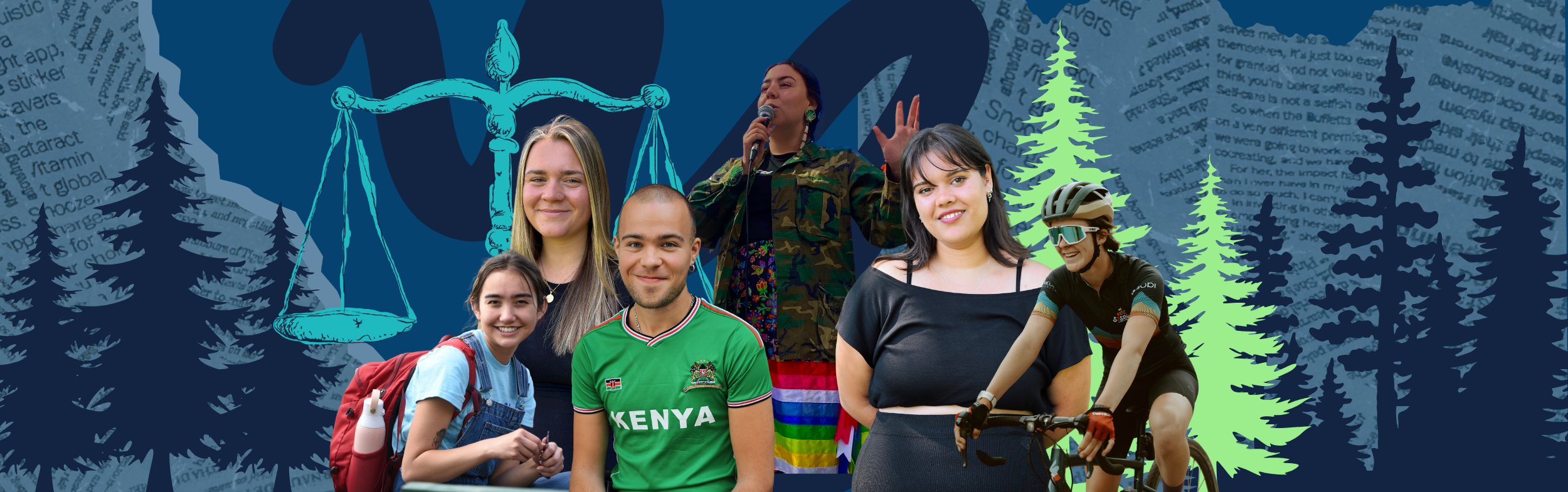
Youth v. Canada: Trial Headquarters
Everything You Need for La Rose v. His Majesty the King Trial
Whether you're attending court in Vancouver, covering the case, teaching students about climate justice, posting on social media, or following from afar, this is your headquarters for La Rose v. His Majesty the King.
Find the latest trial information, resources, stories, and ways to get involved below.
HISTORY IS Being made
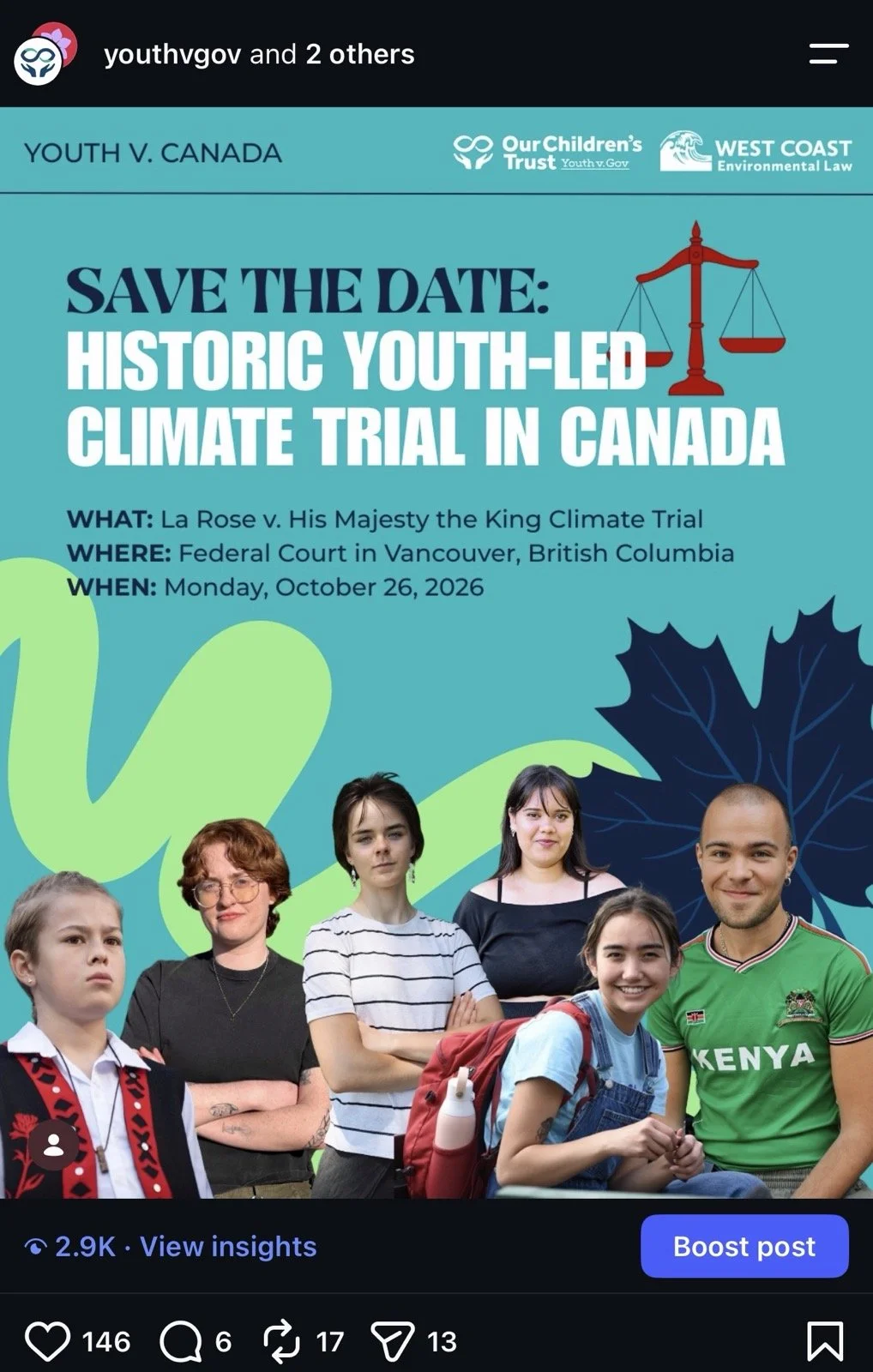
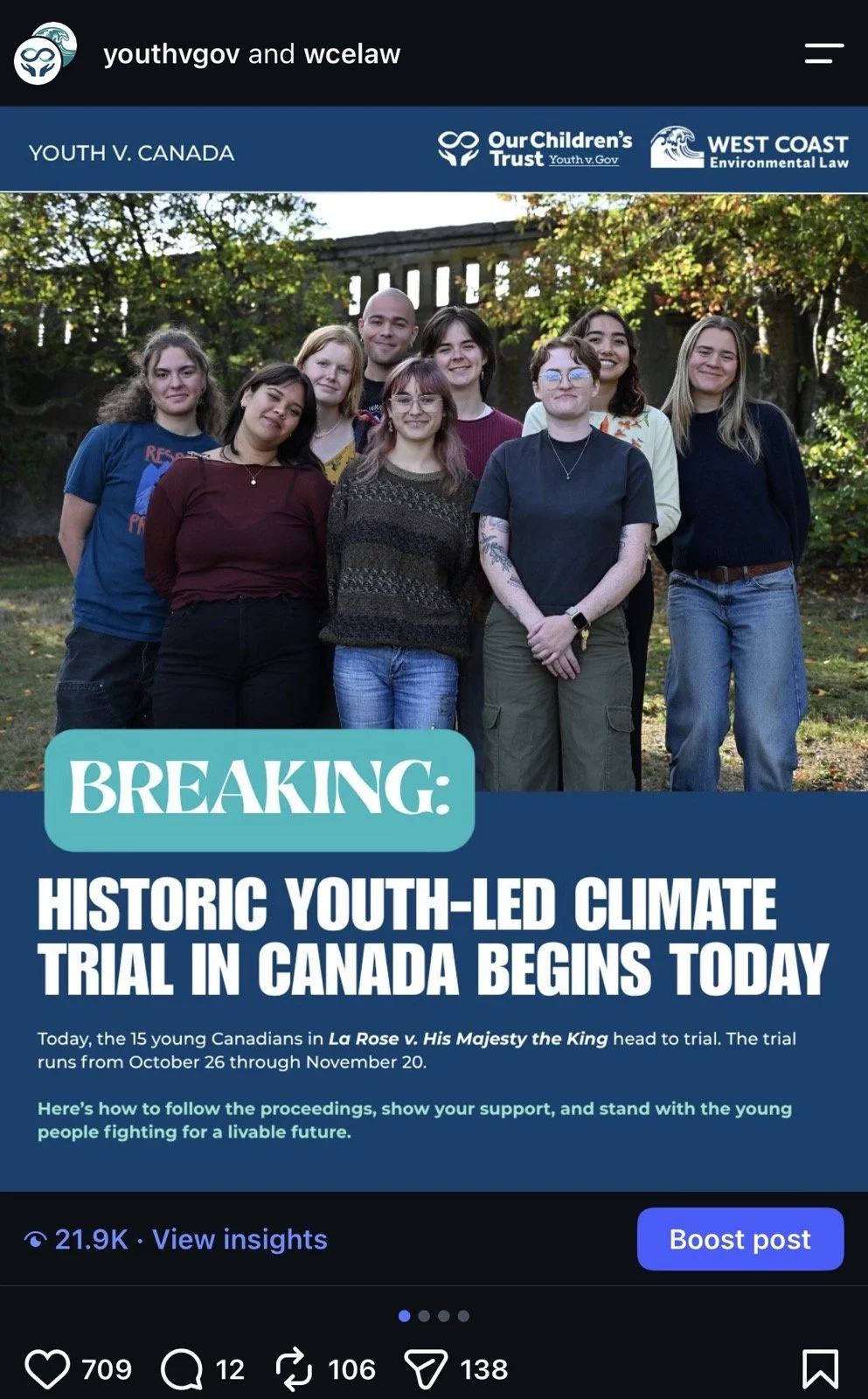
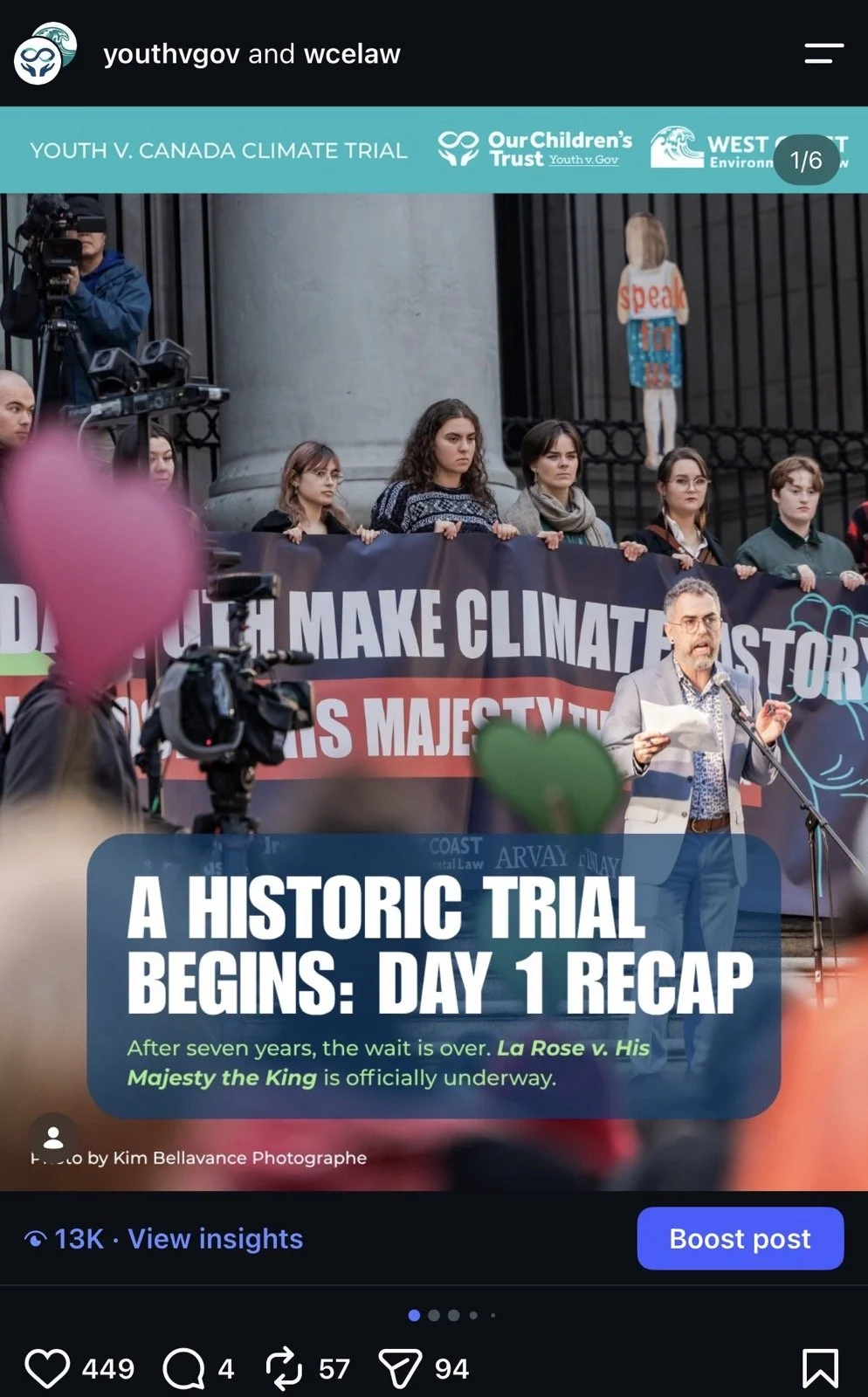
On October 26, 2026, fifteen young Canadians began the first federal youth climate trial in Canadian history at the Federal Court in Vancouver, B.C. The evidentiary stage of the trial runs through November 20, 2026.
Follow along. Show your support. Be part of history.
Explore the case page for more details and a timeline of legal filings.
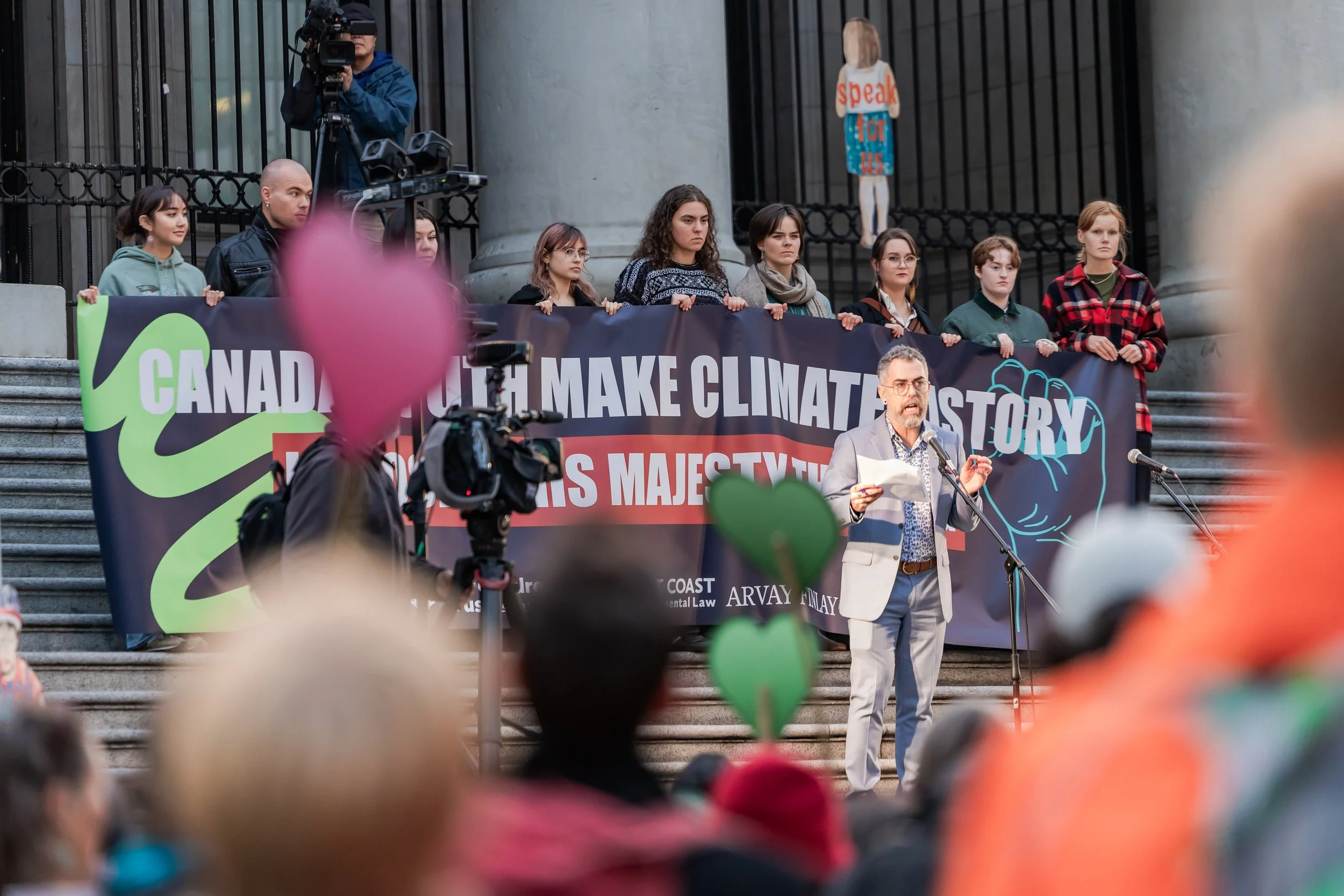
THANK YOU FOR STANDING WITH LA ROSE.
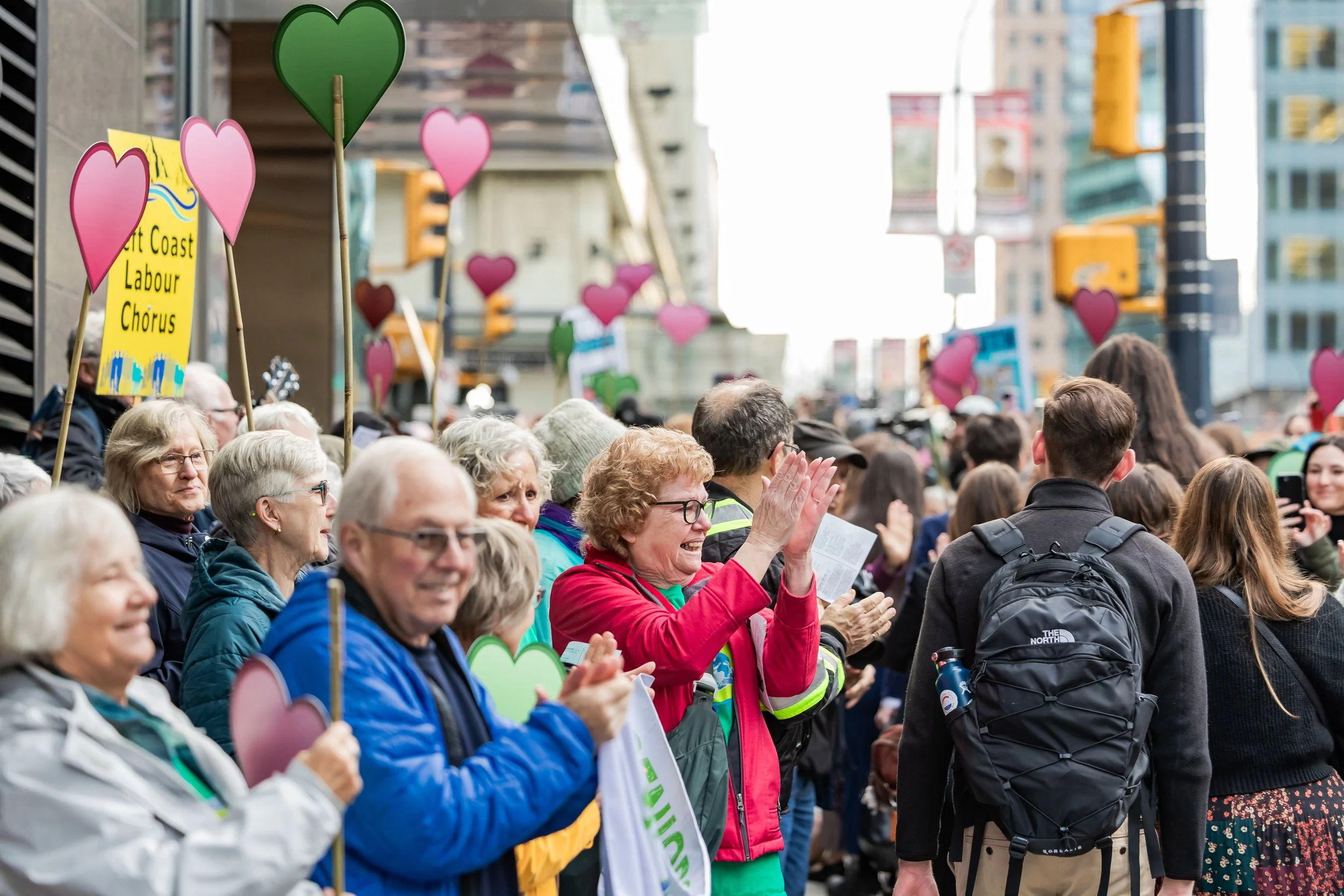
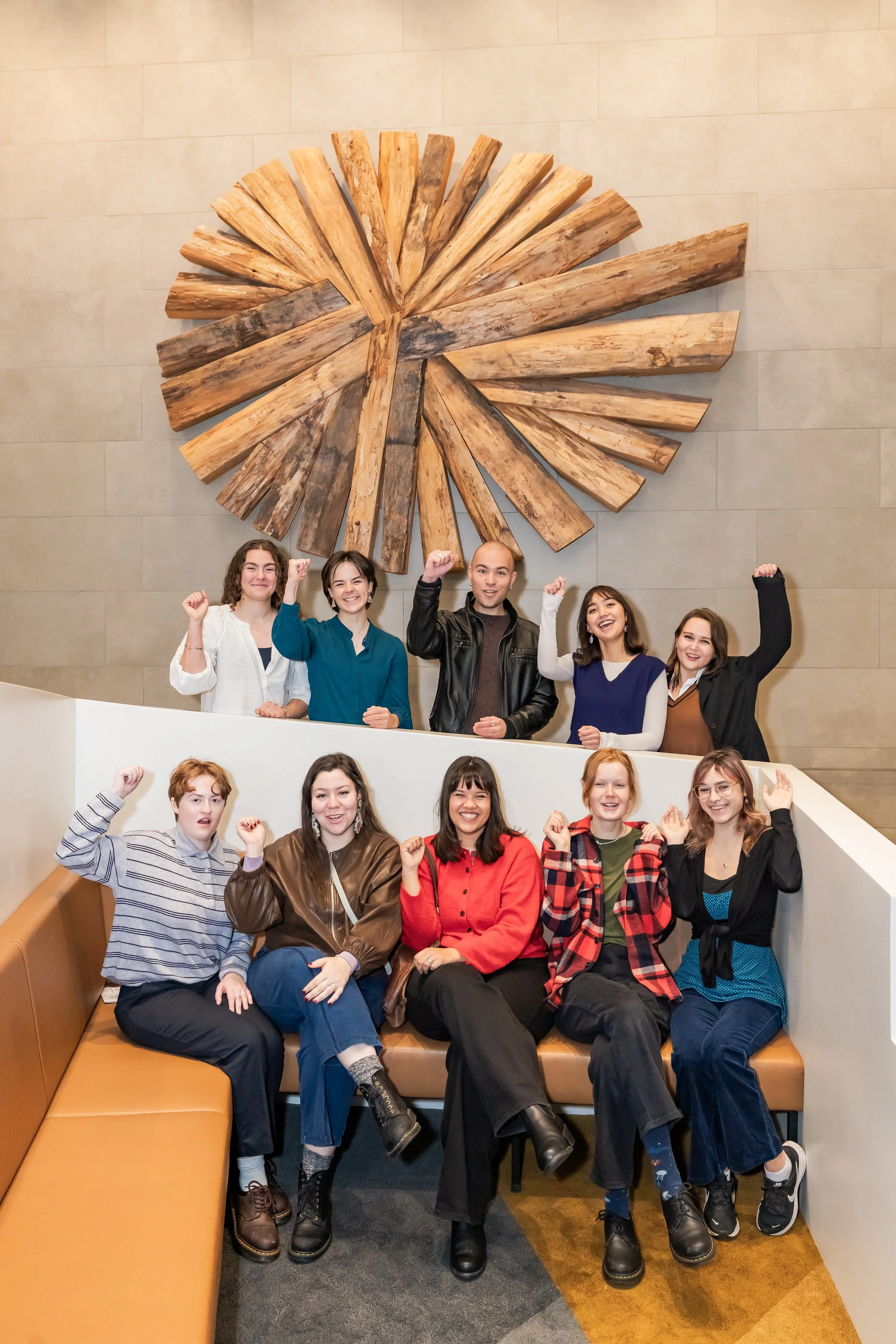
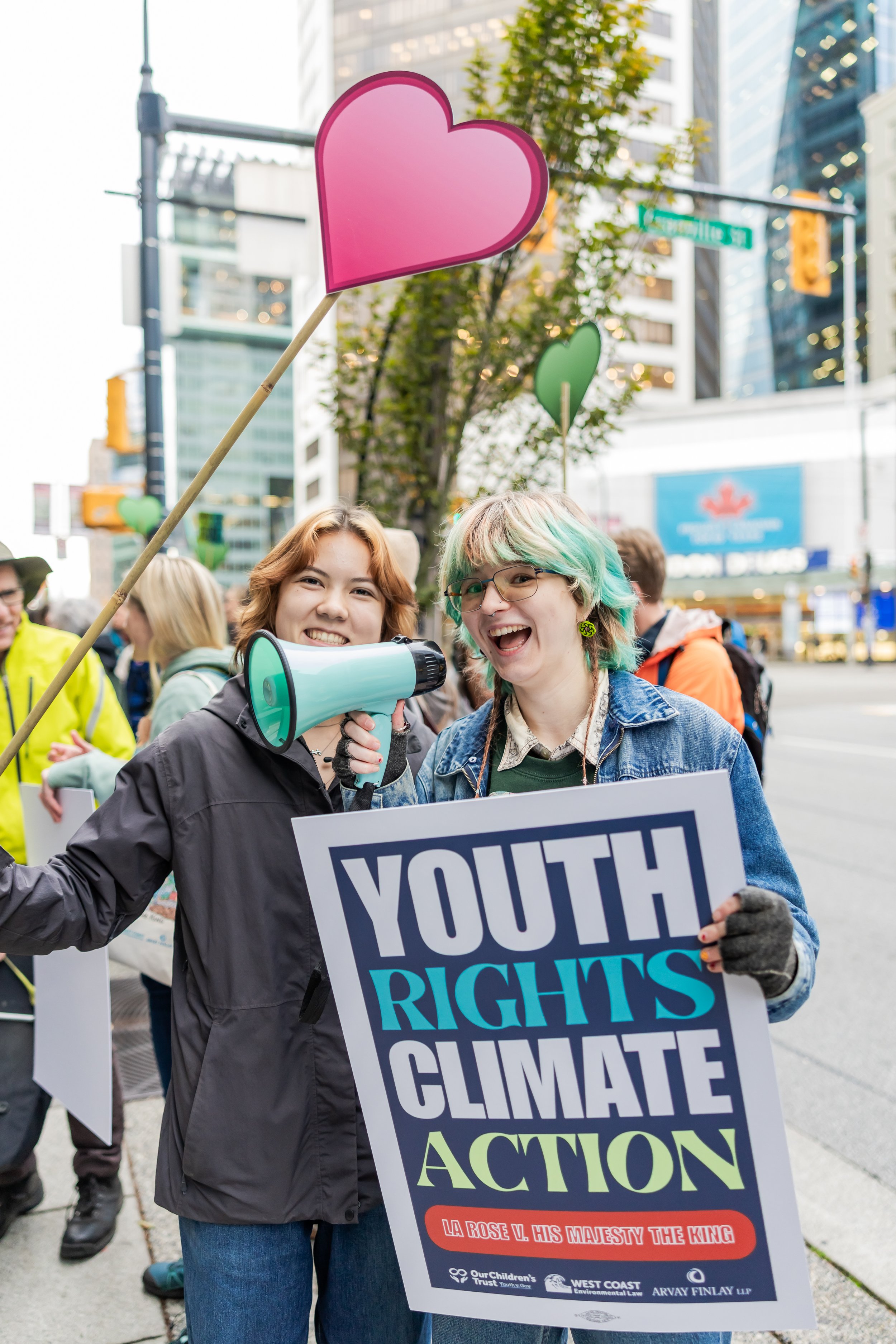
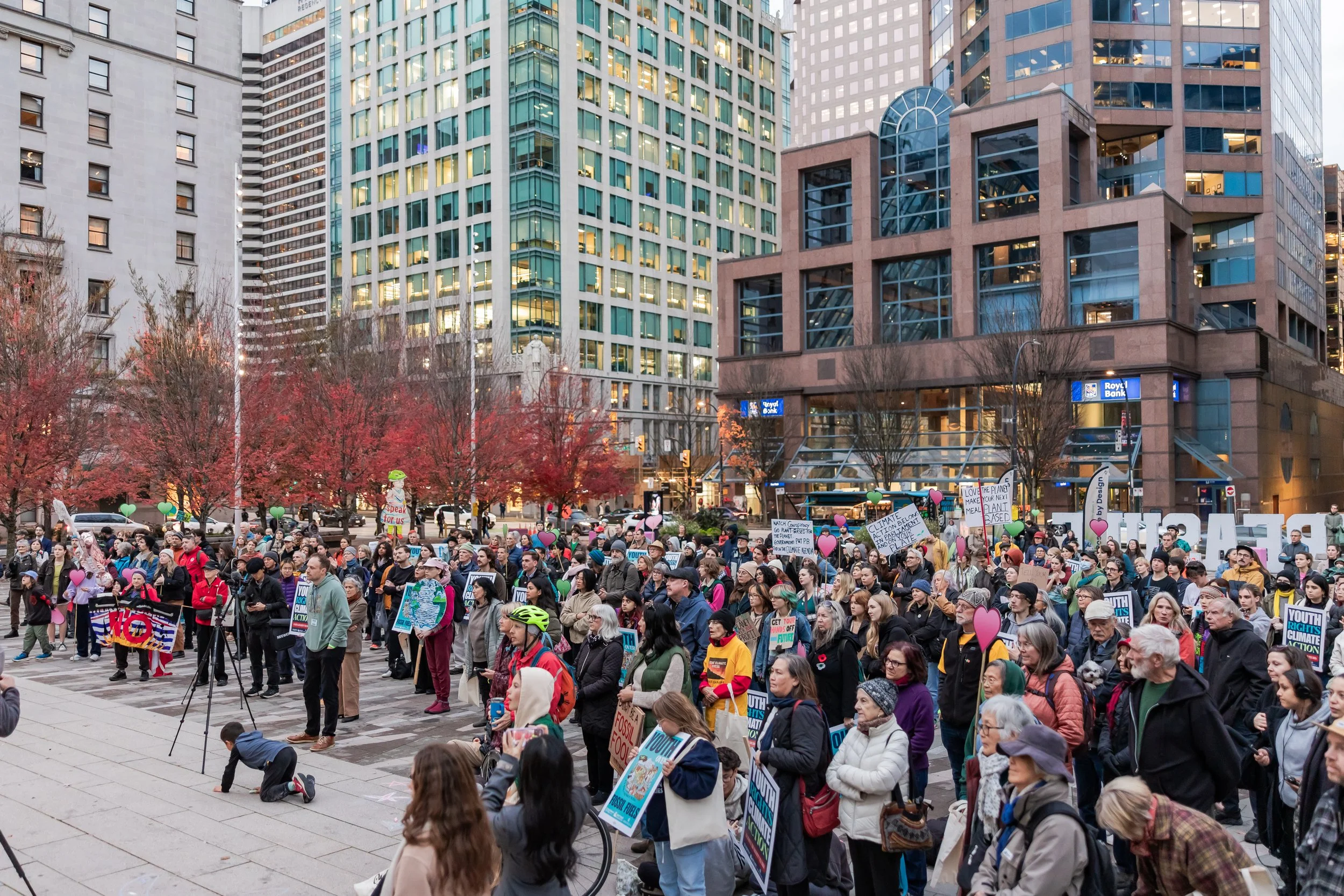
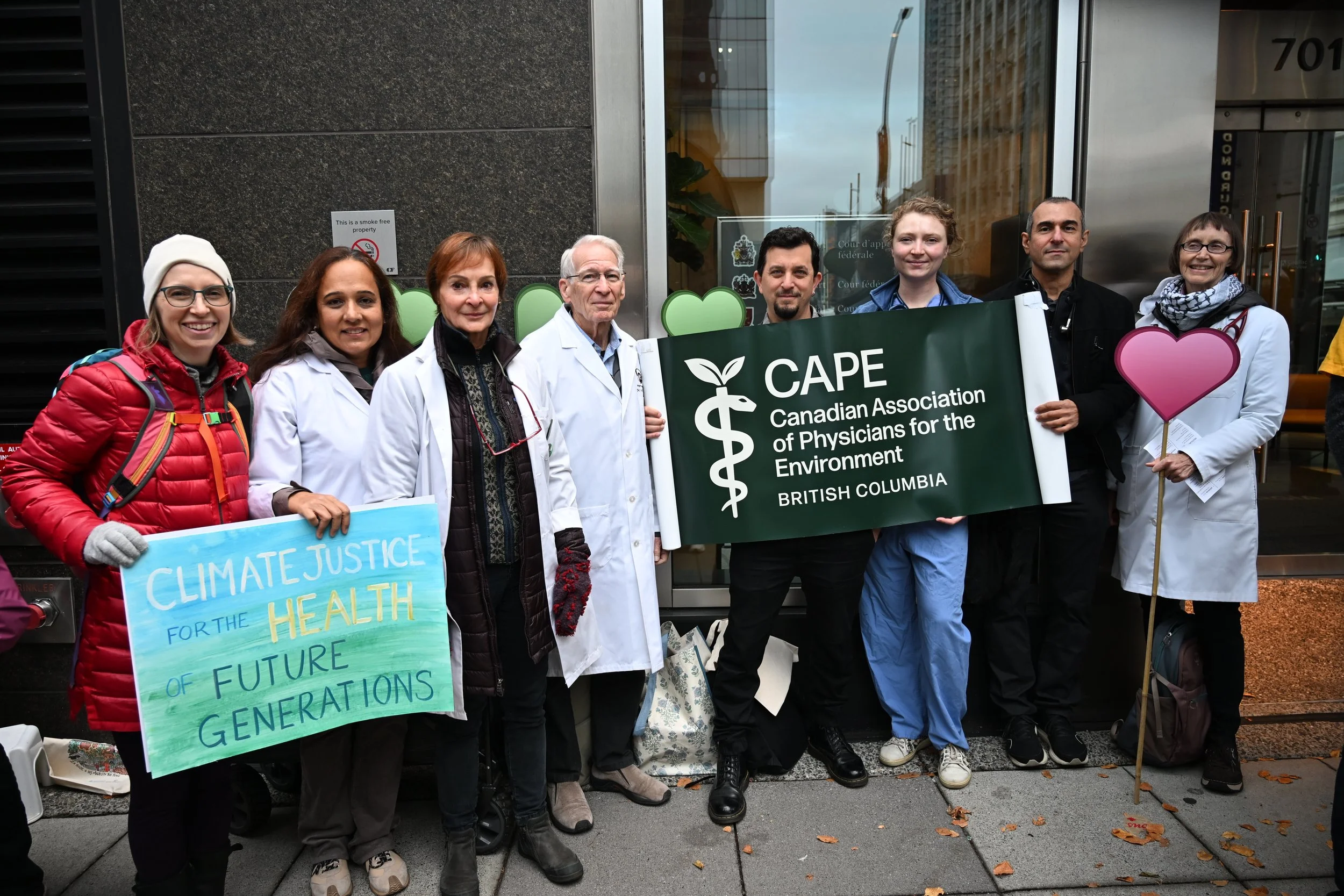
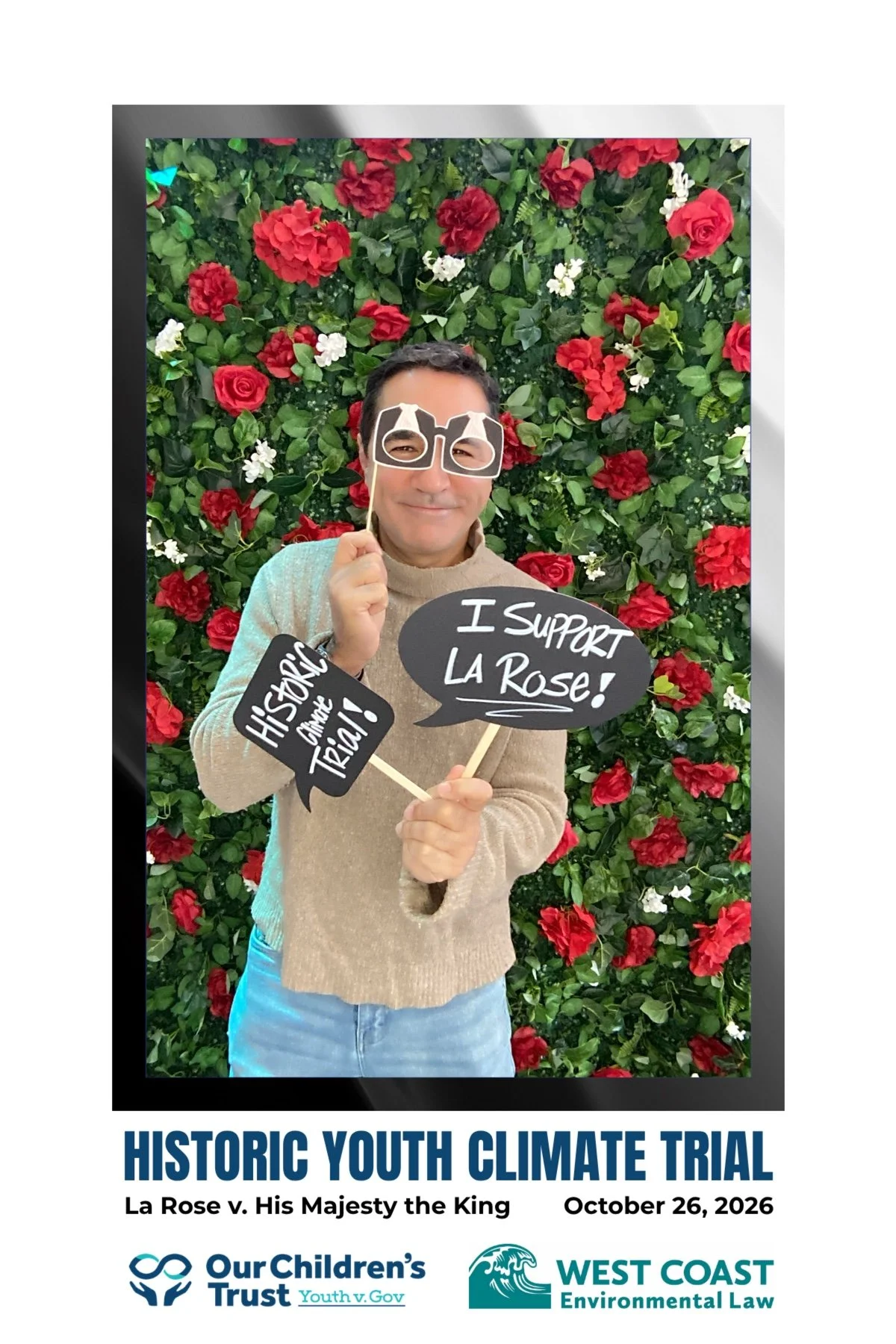
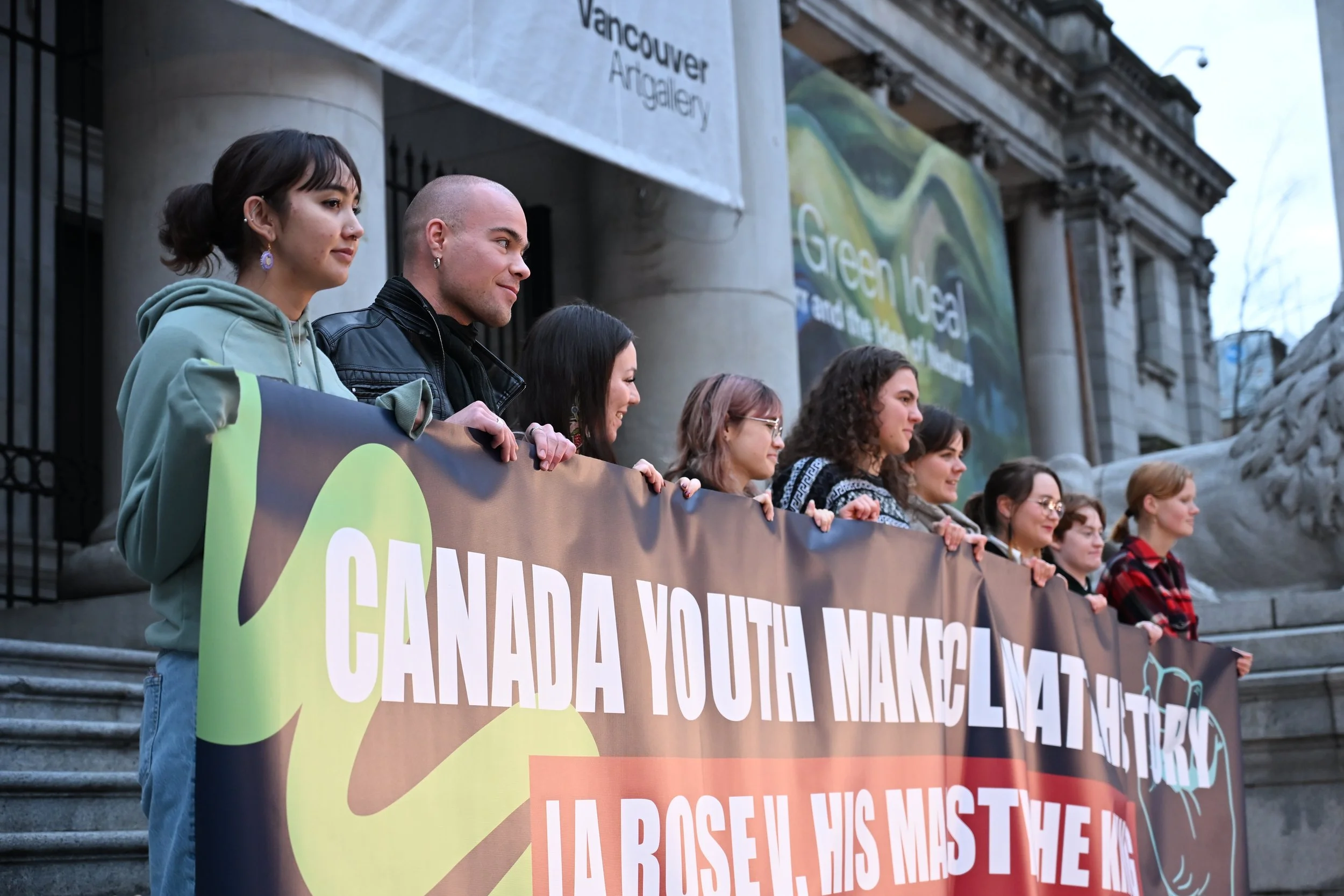
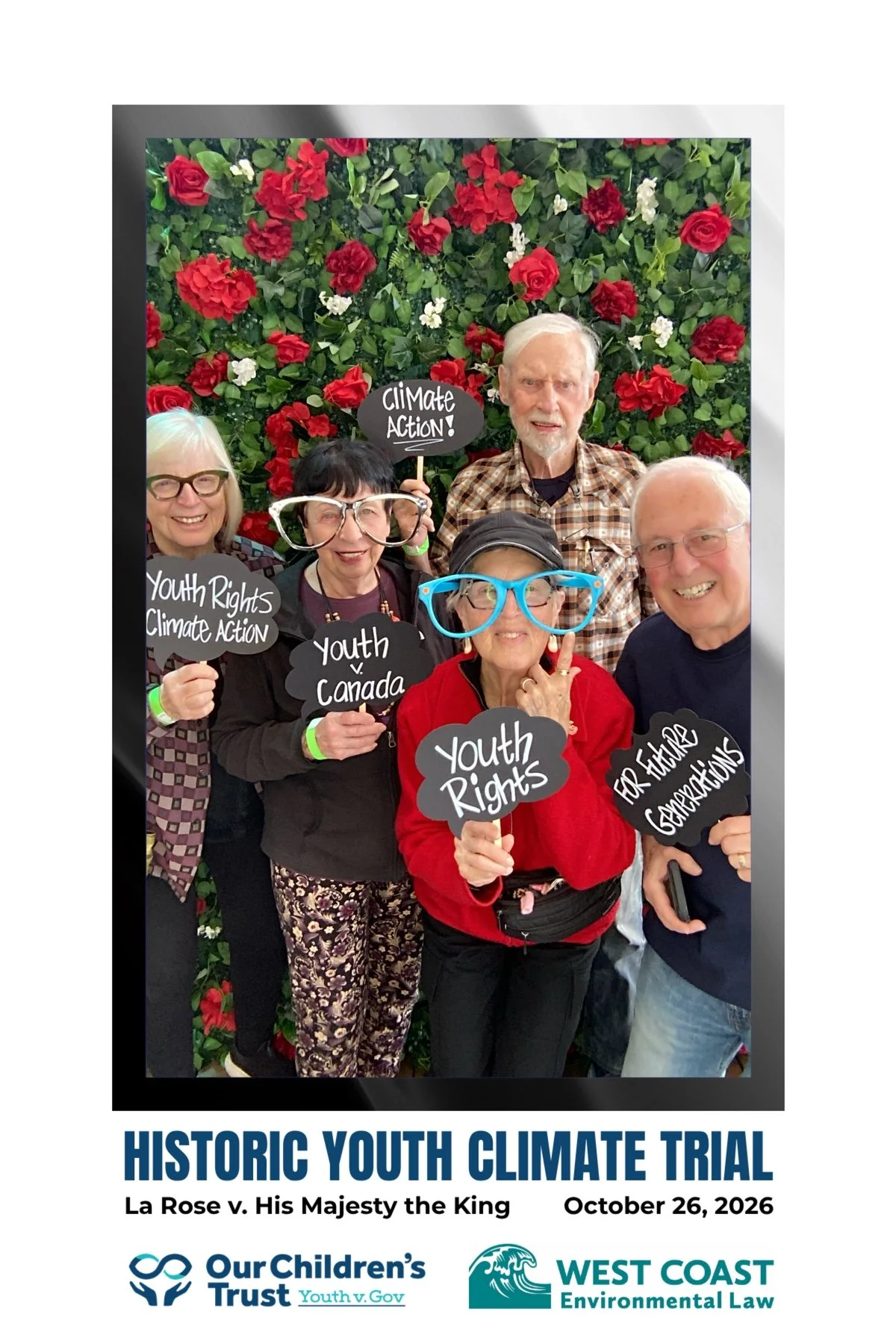
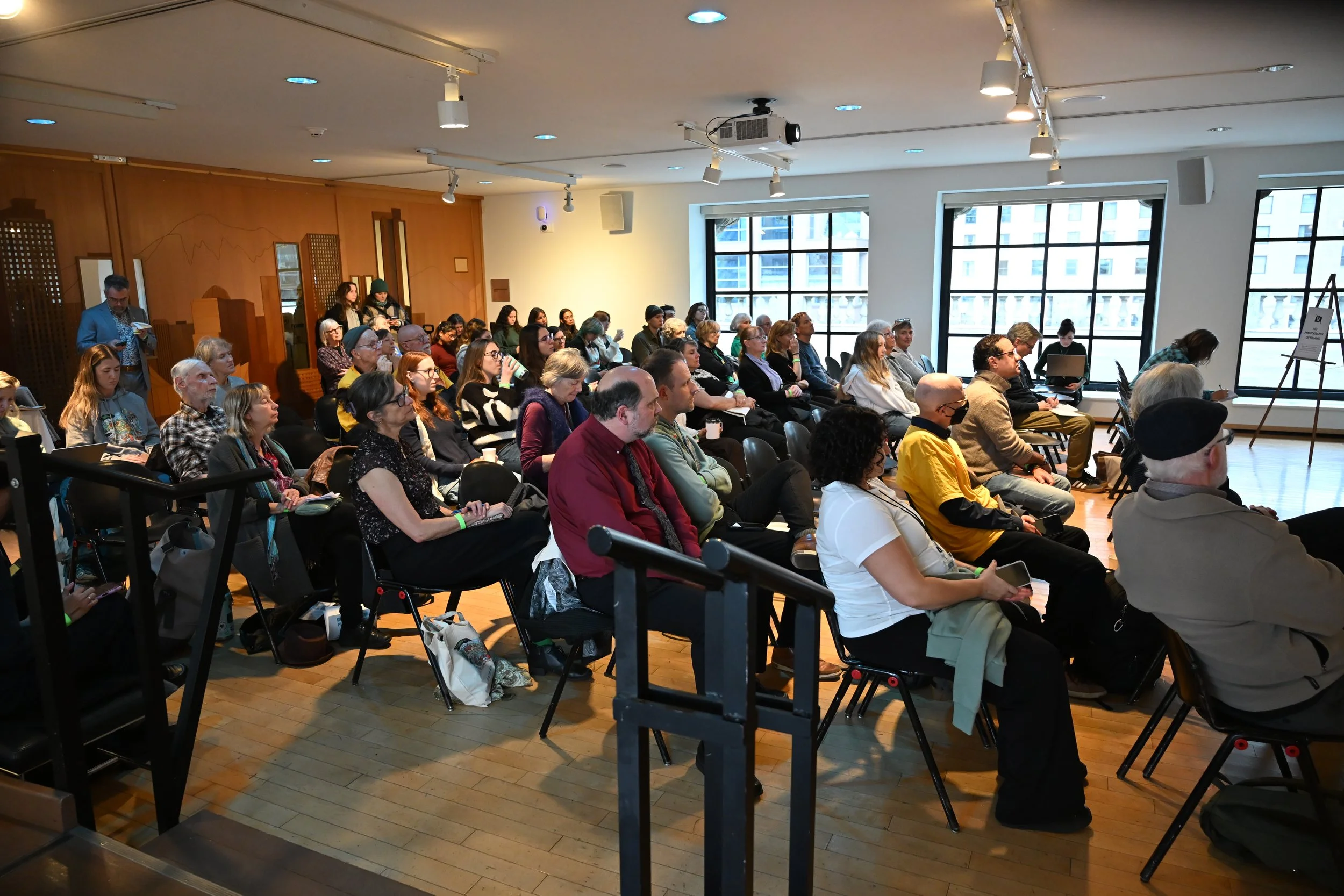
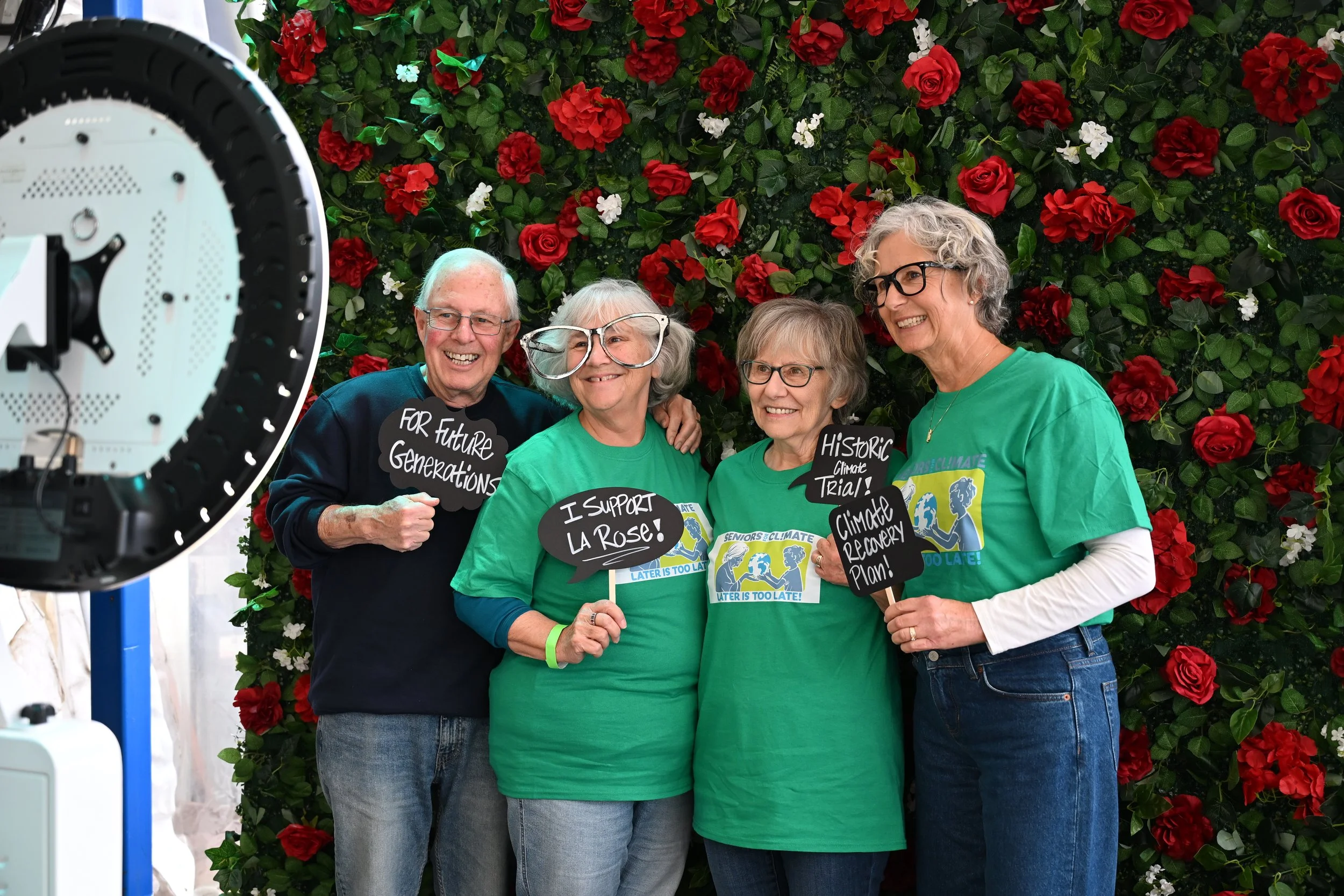
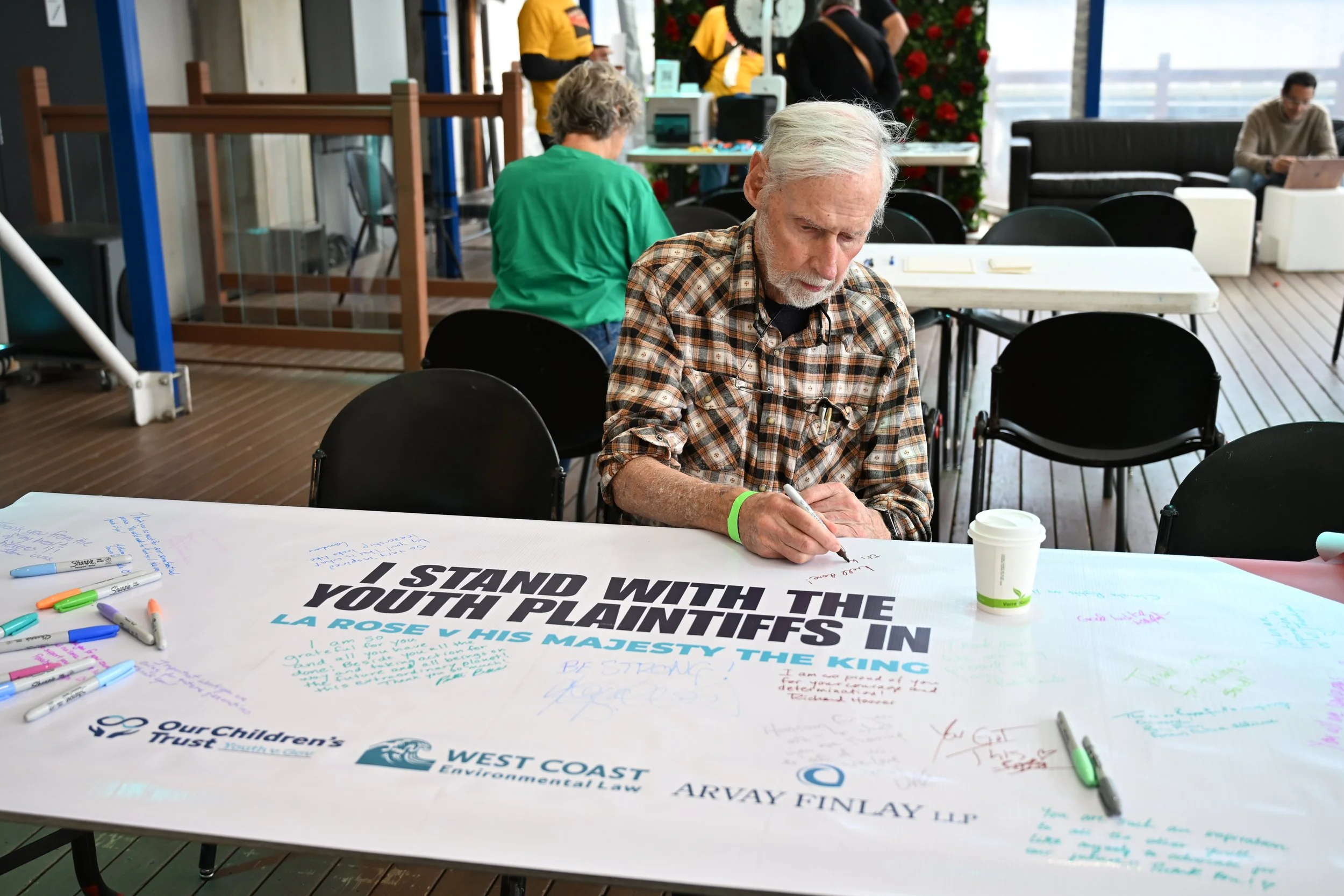
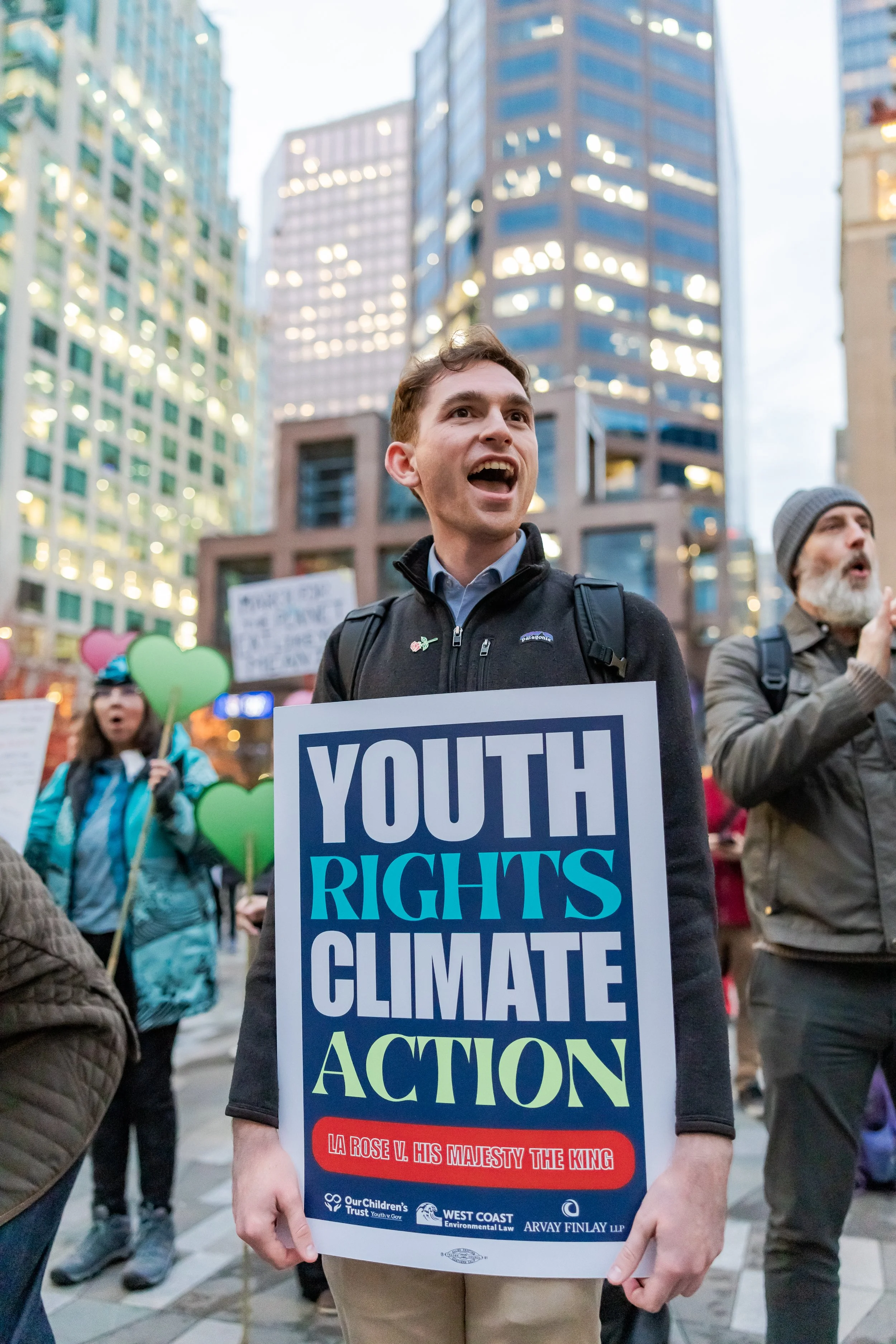
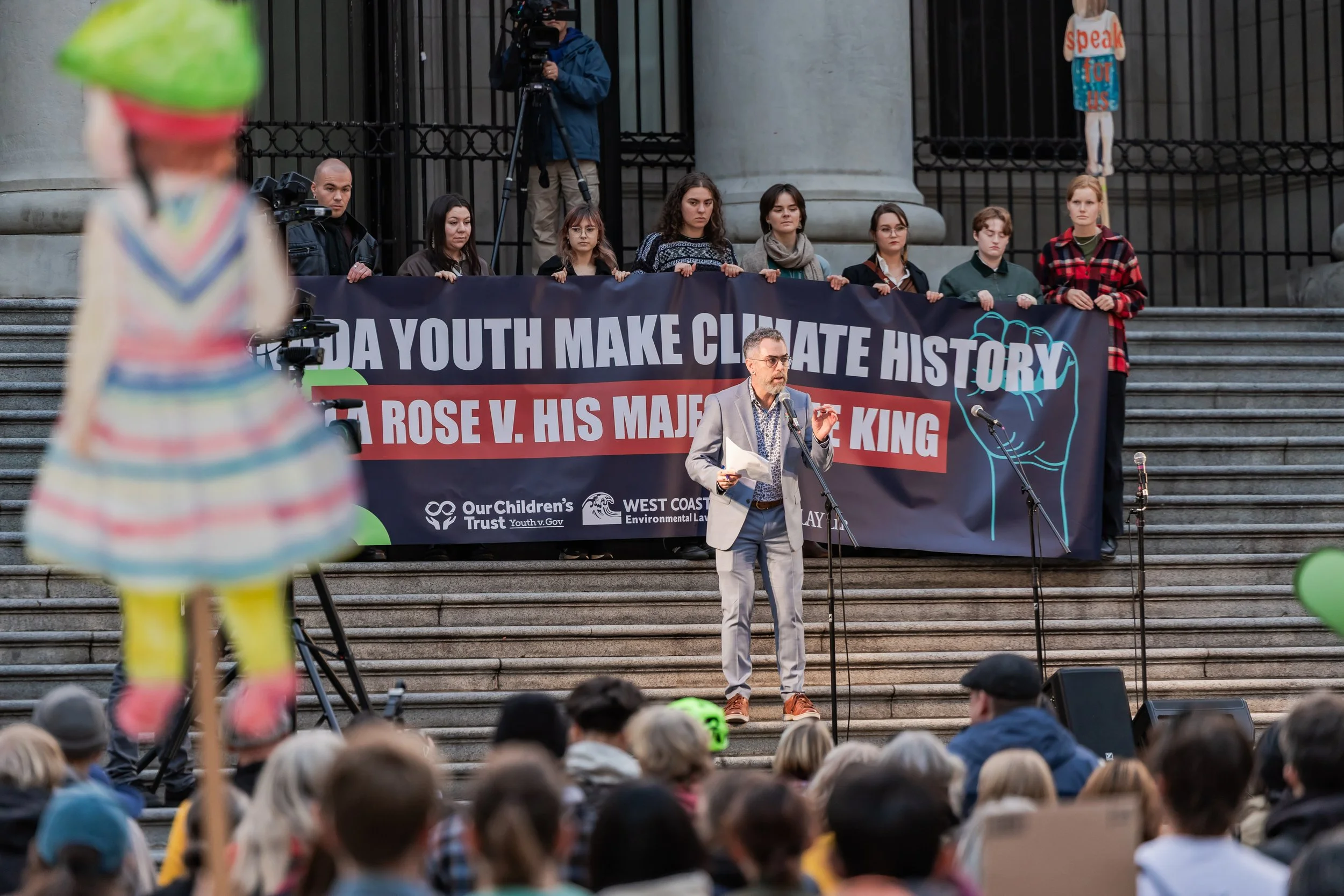
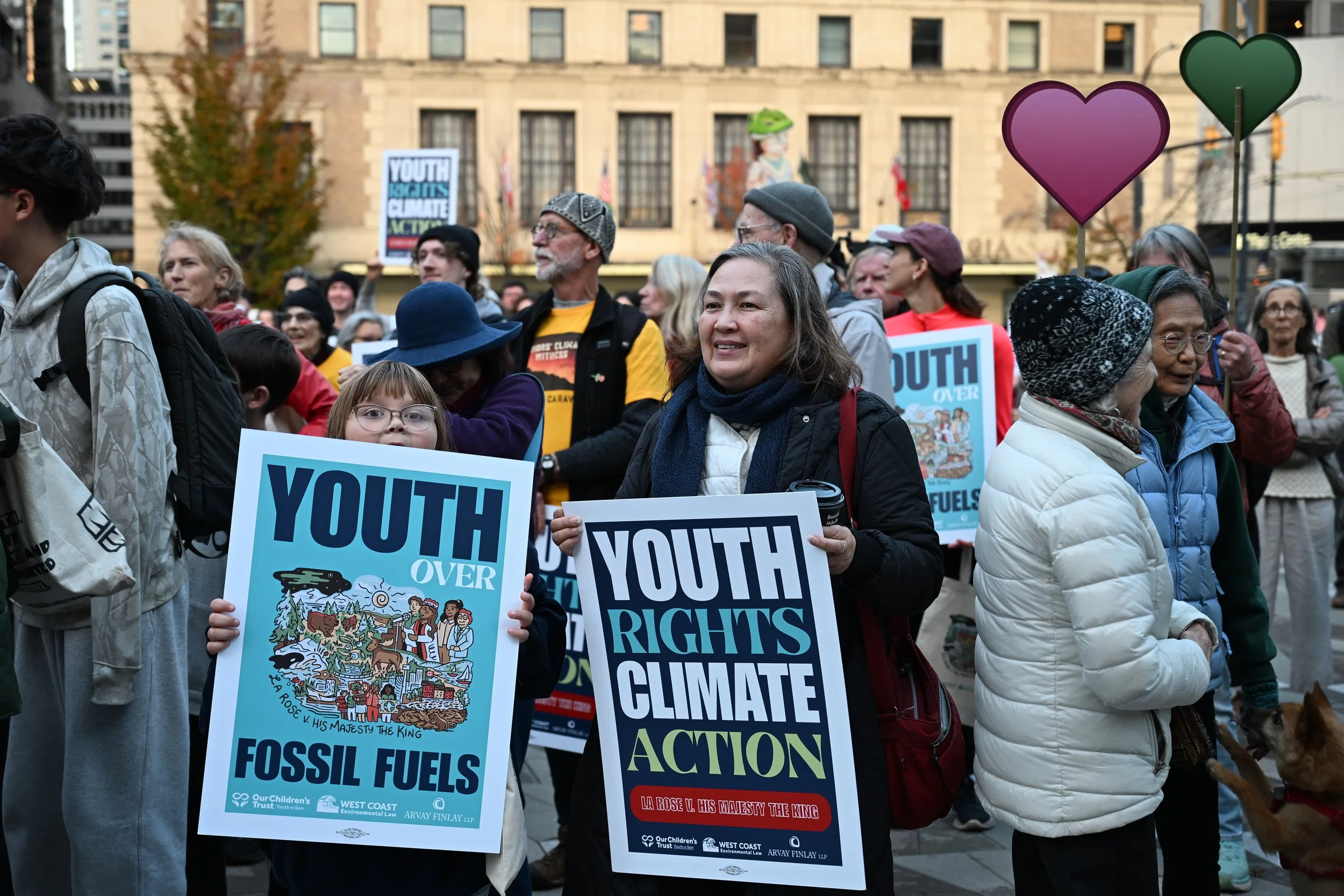
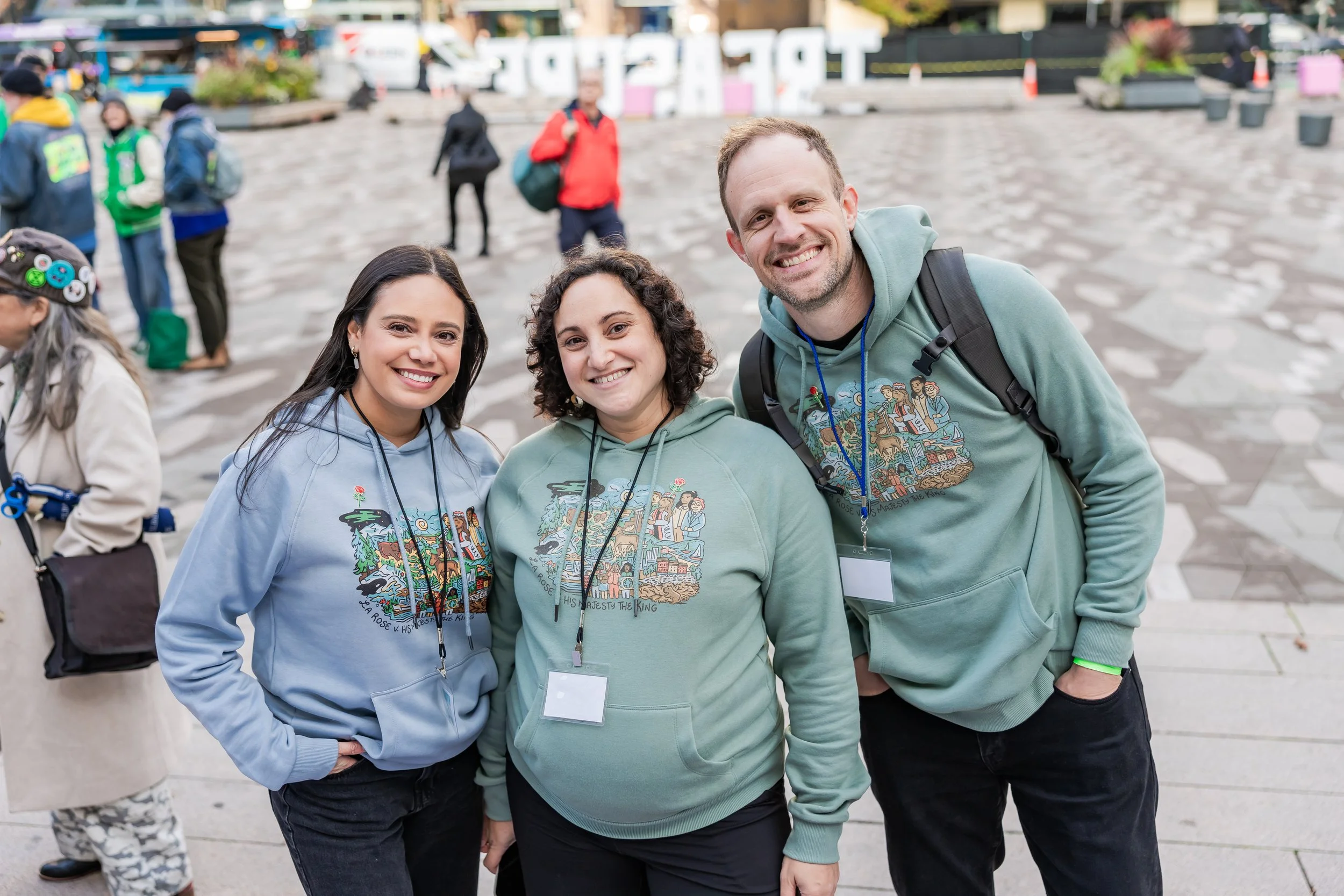
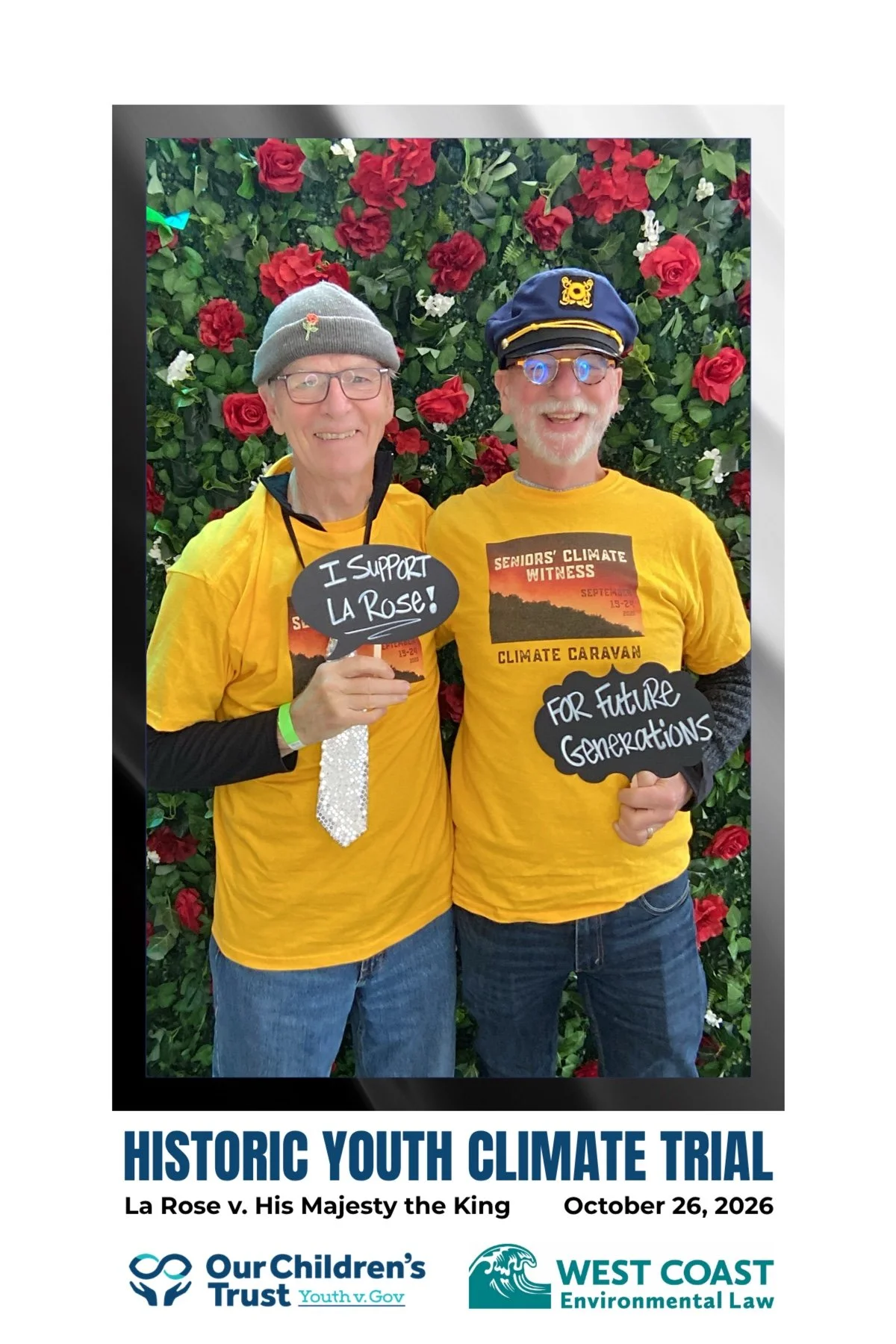
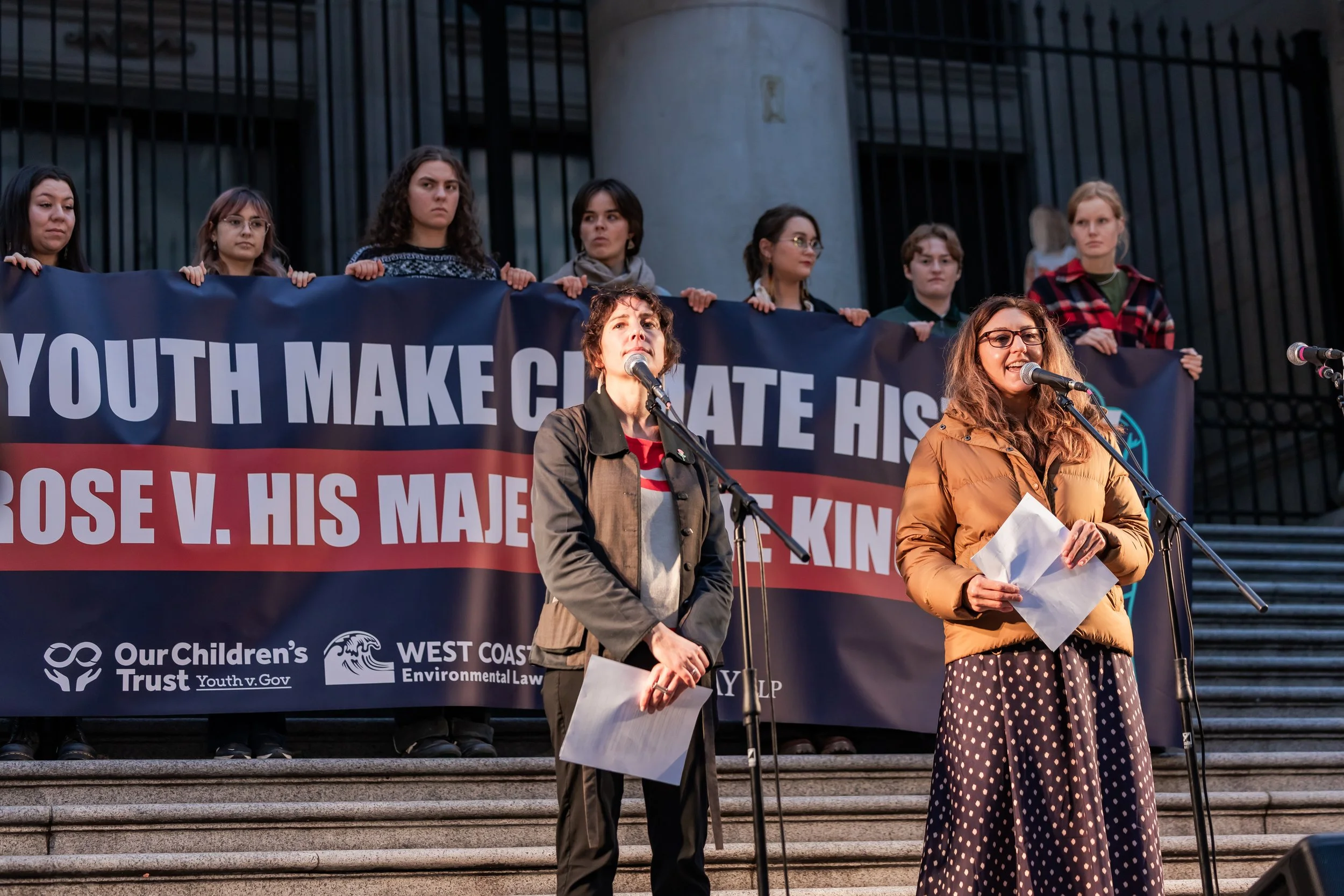
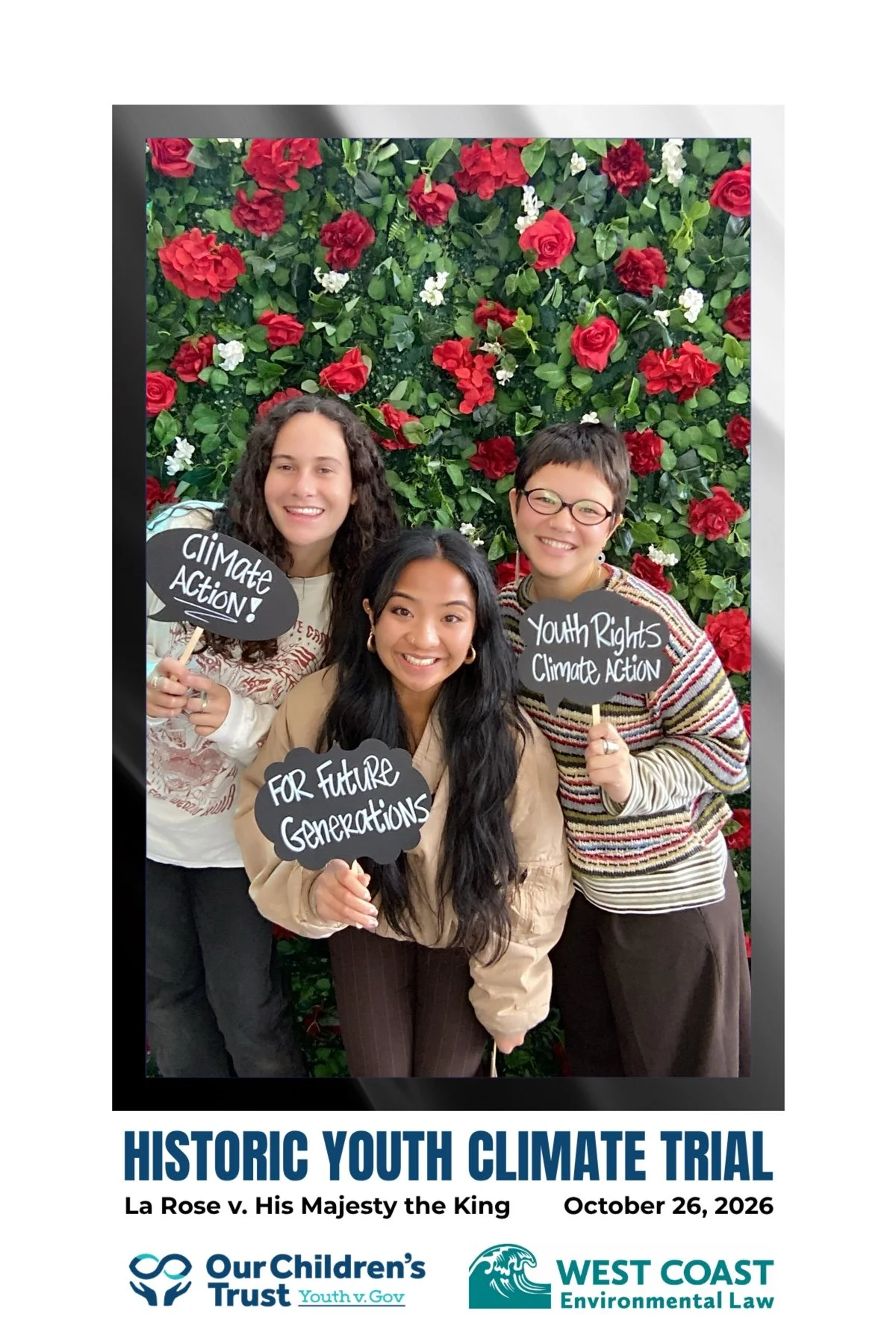
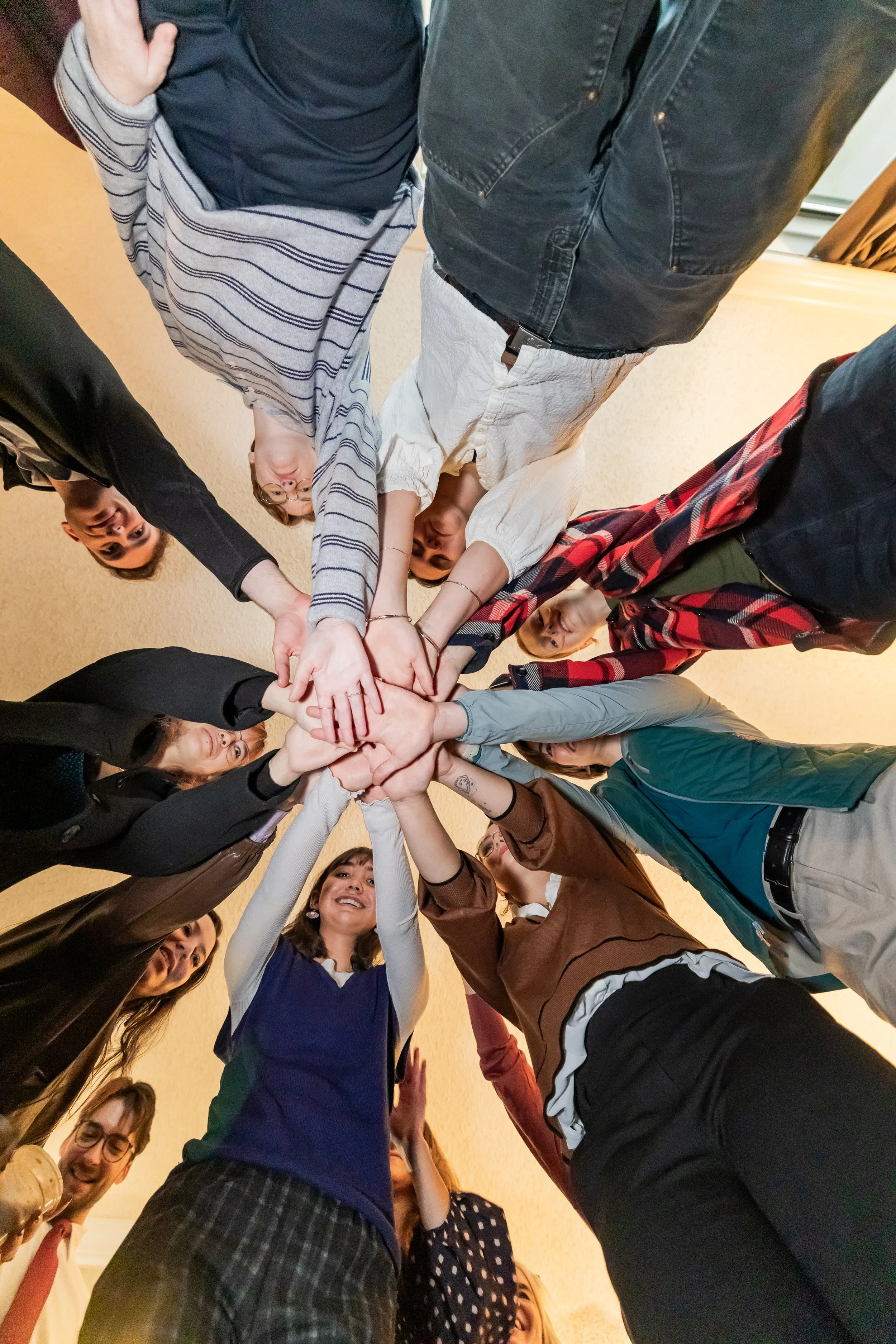
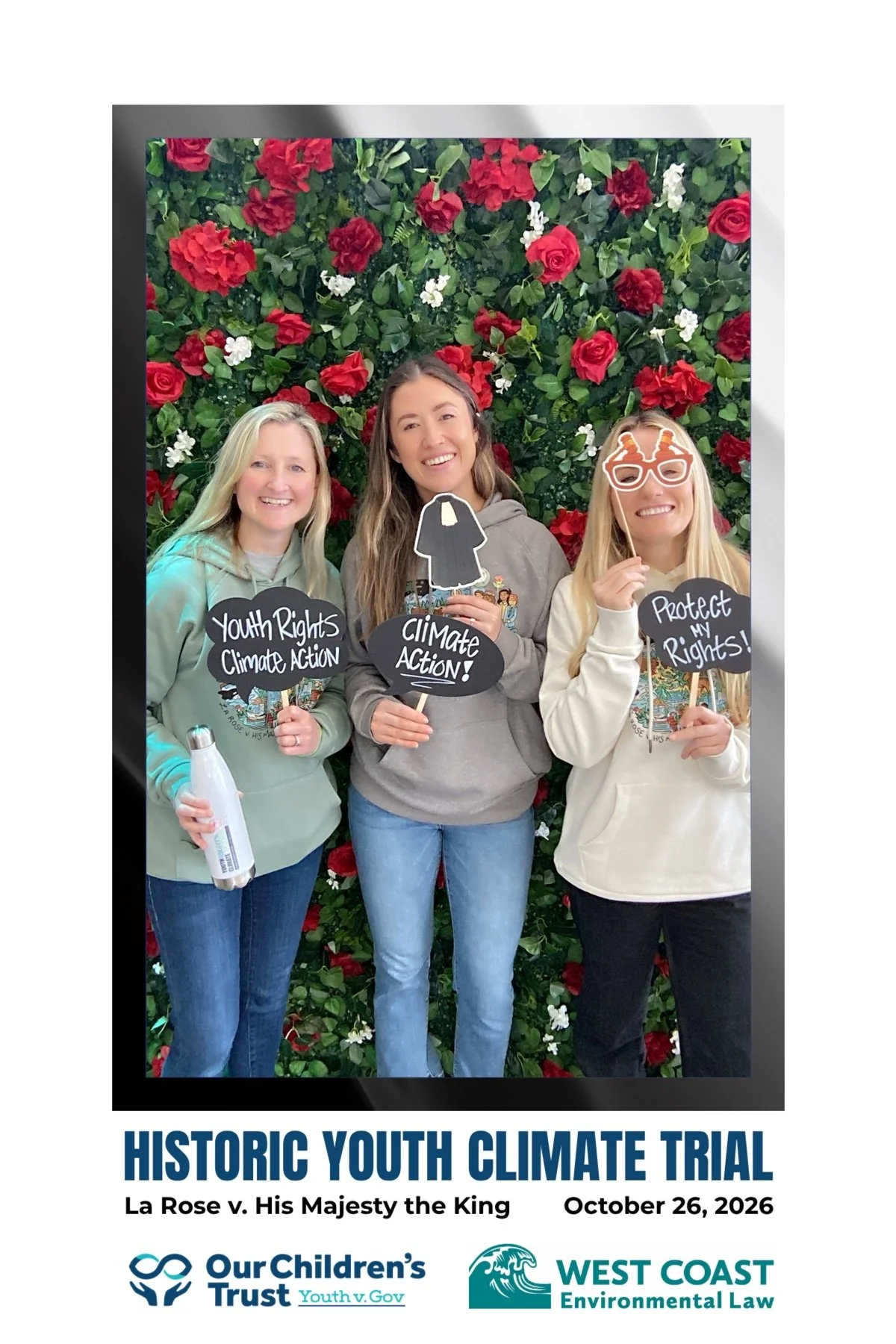
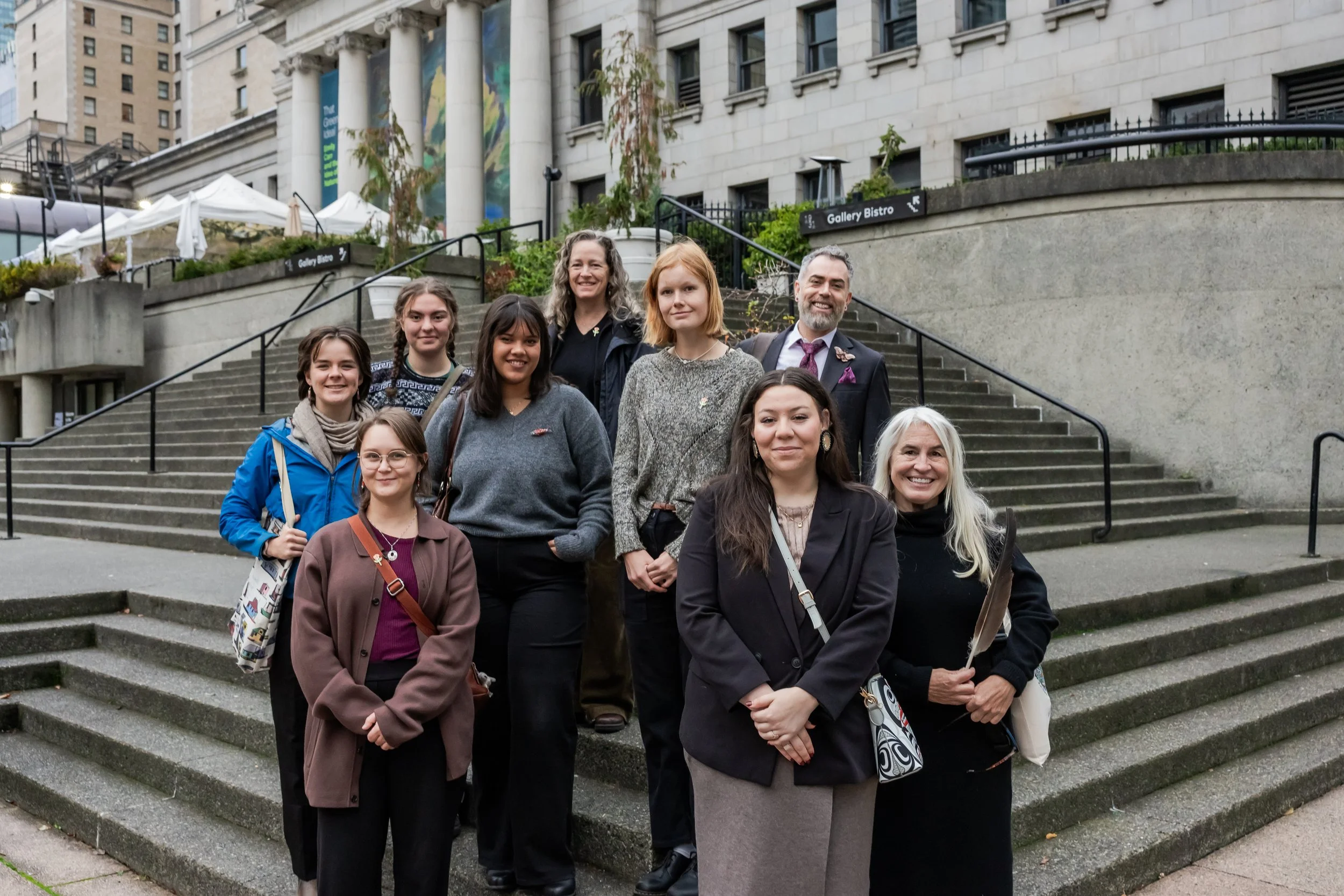
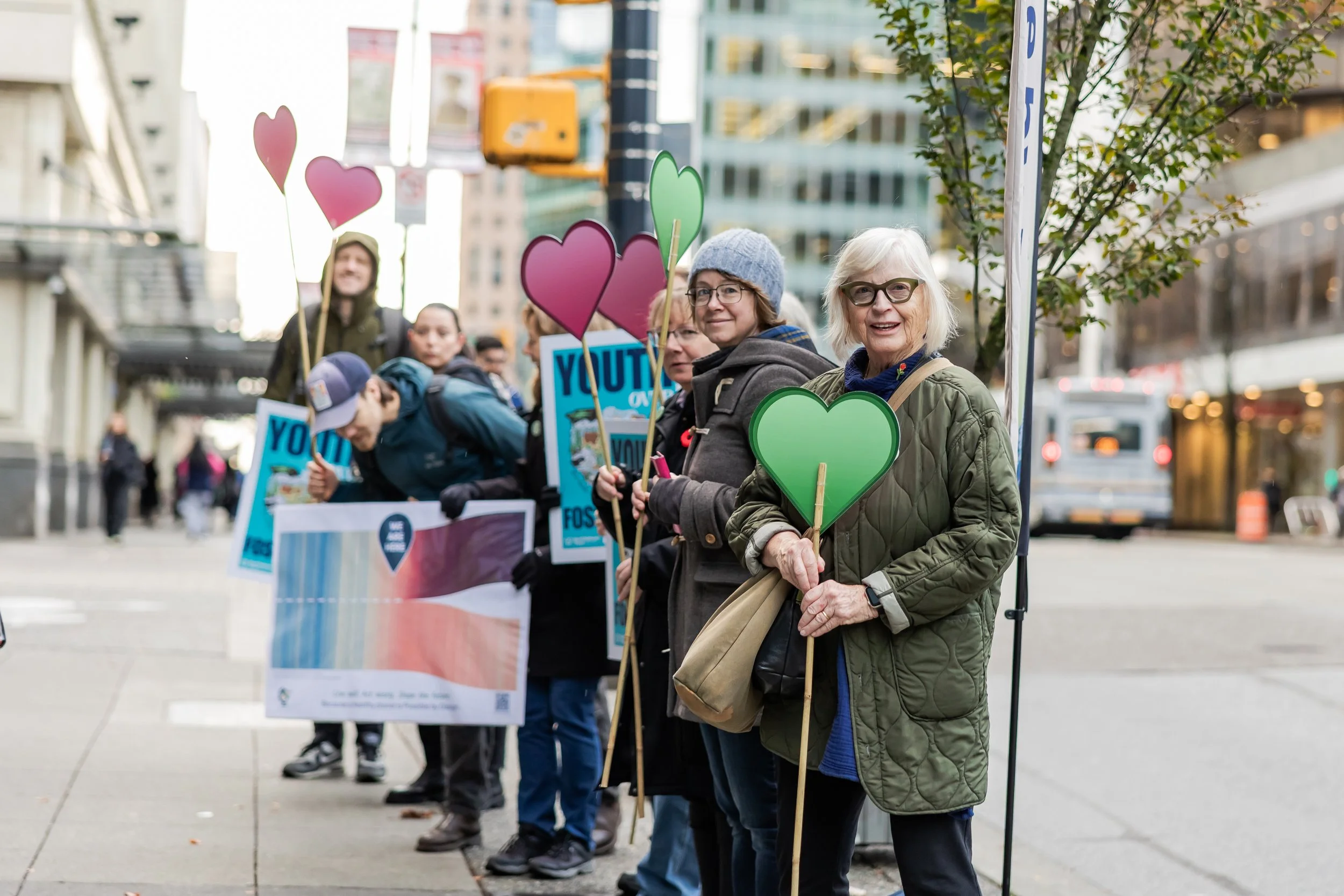
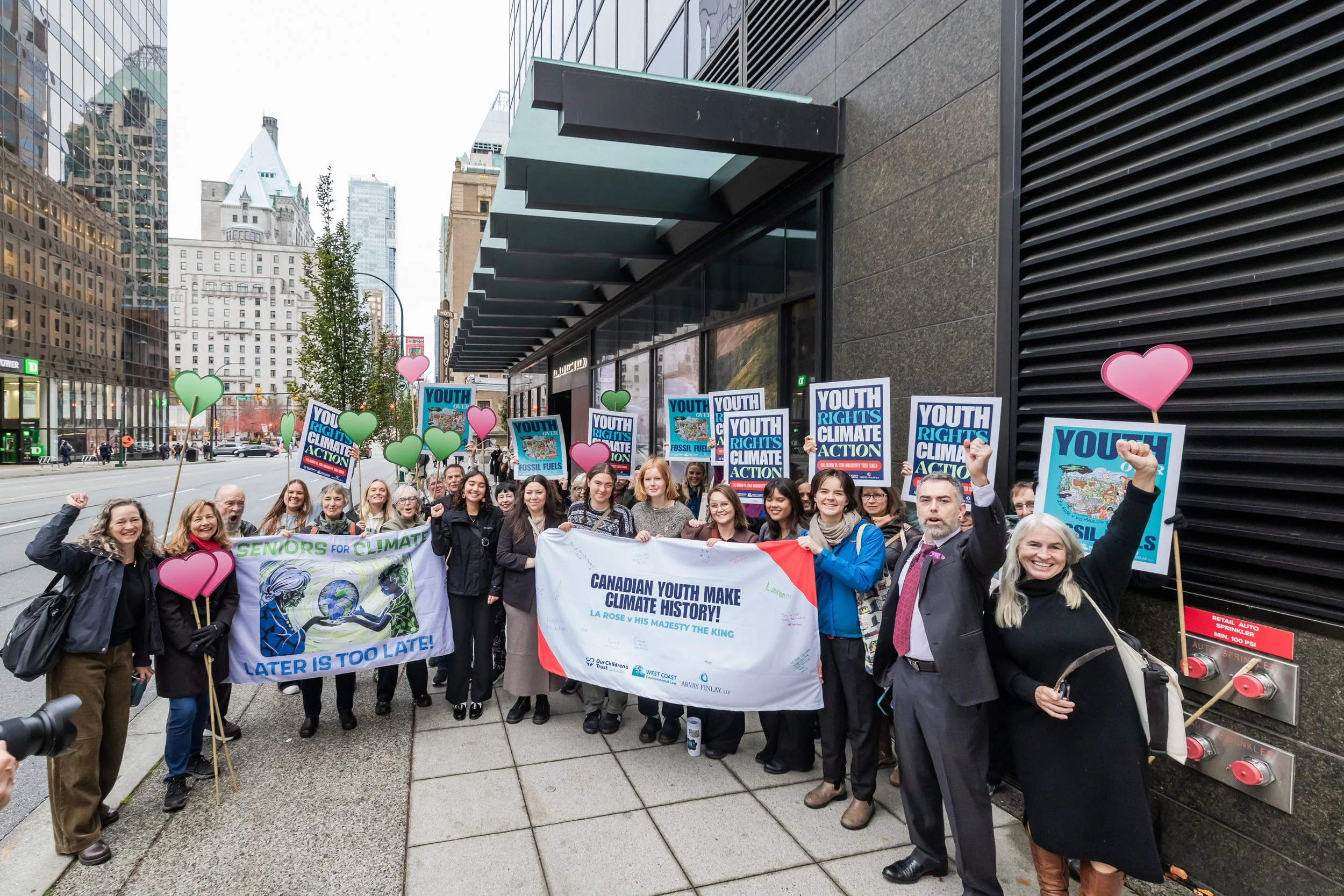
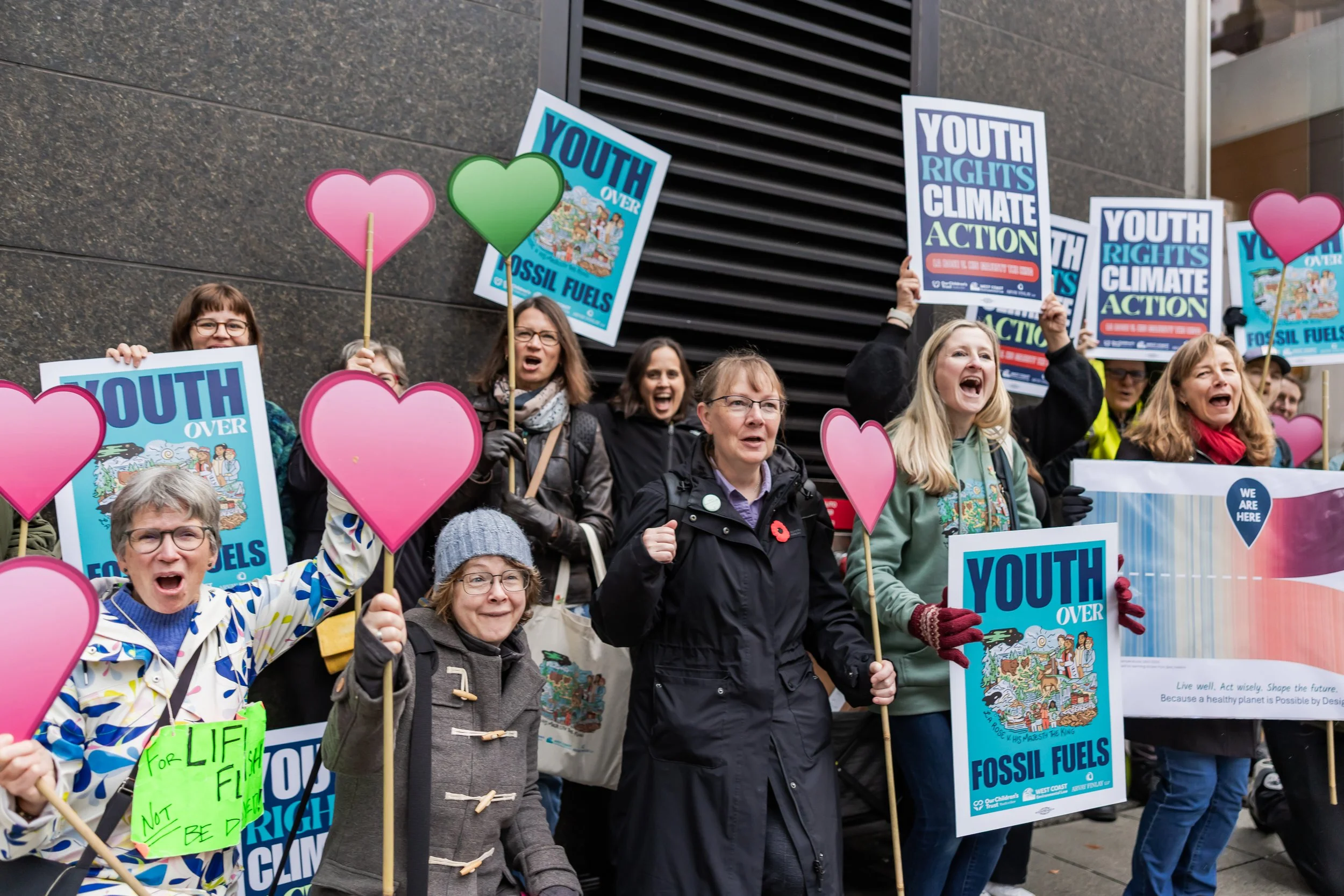
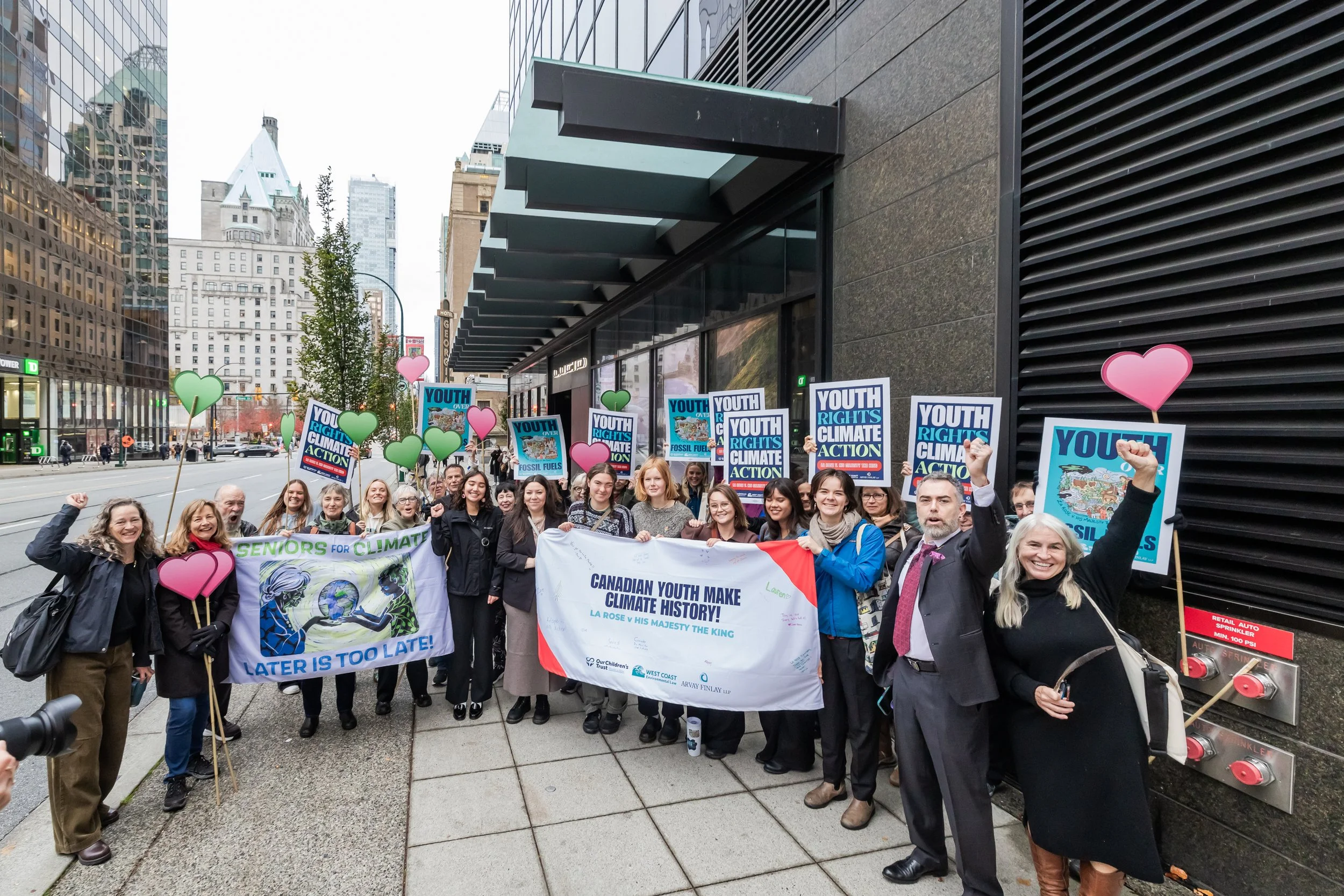
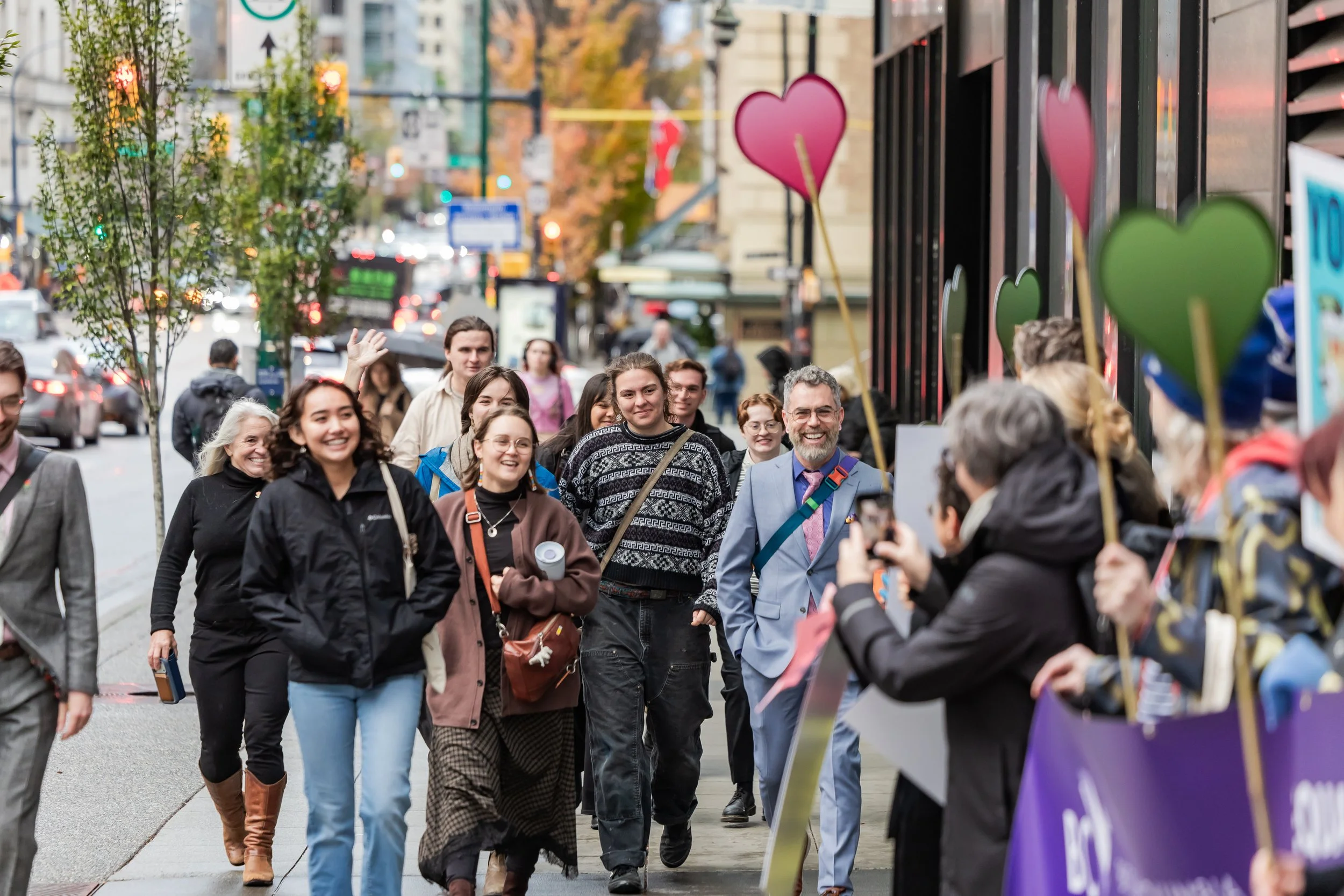
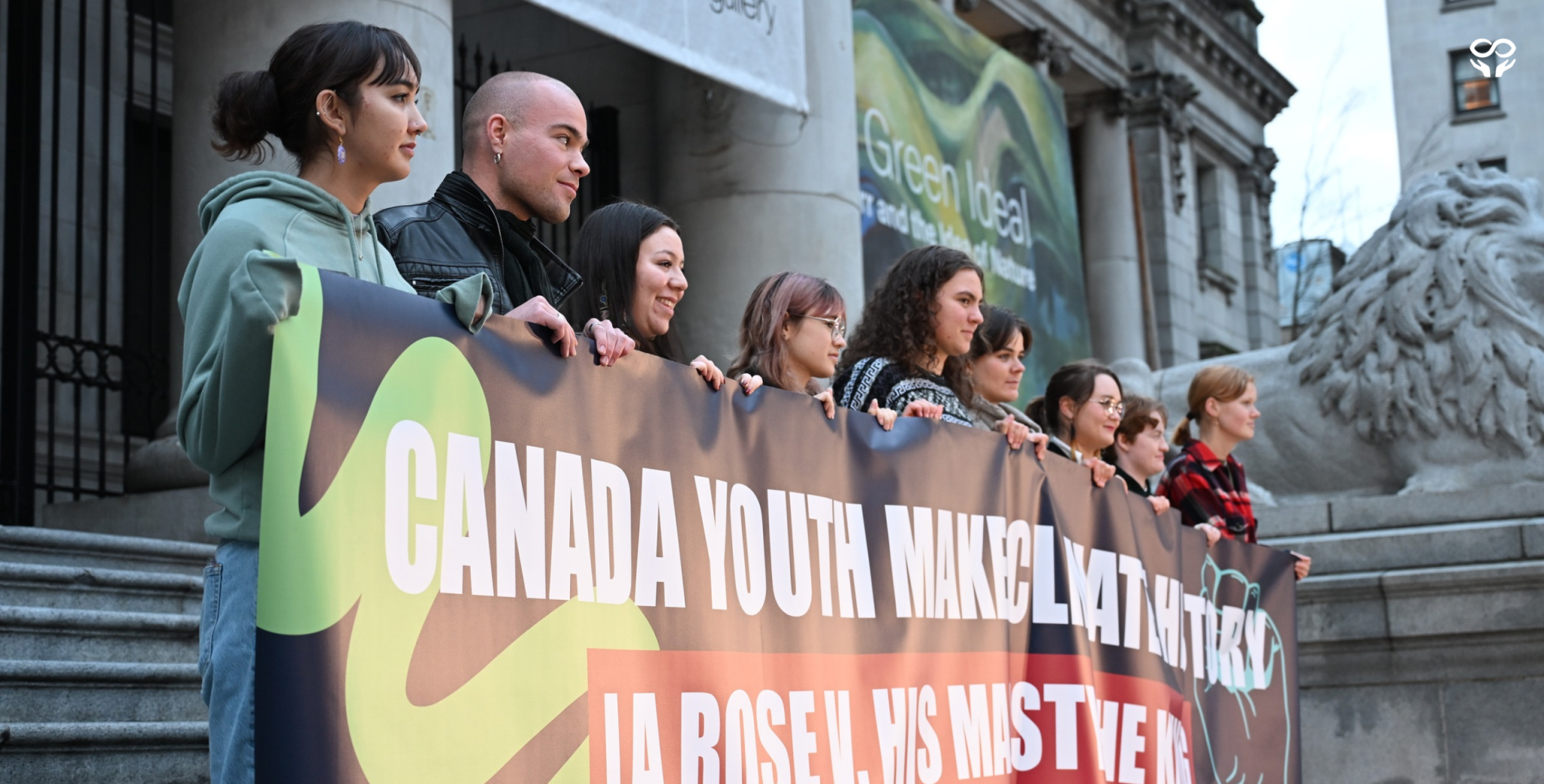
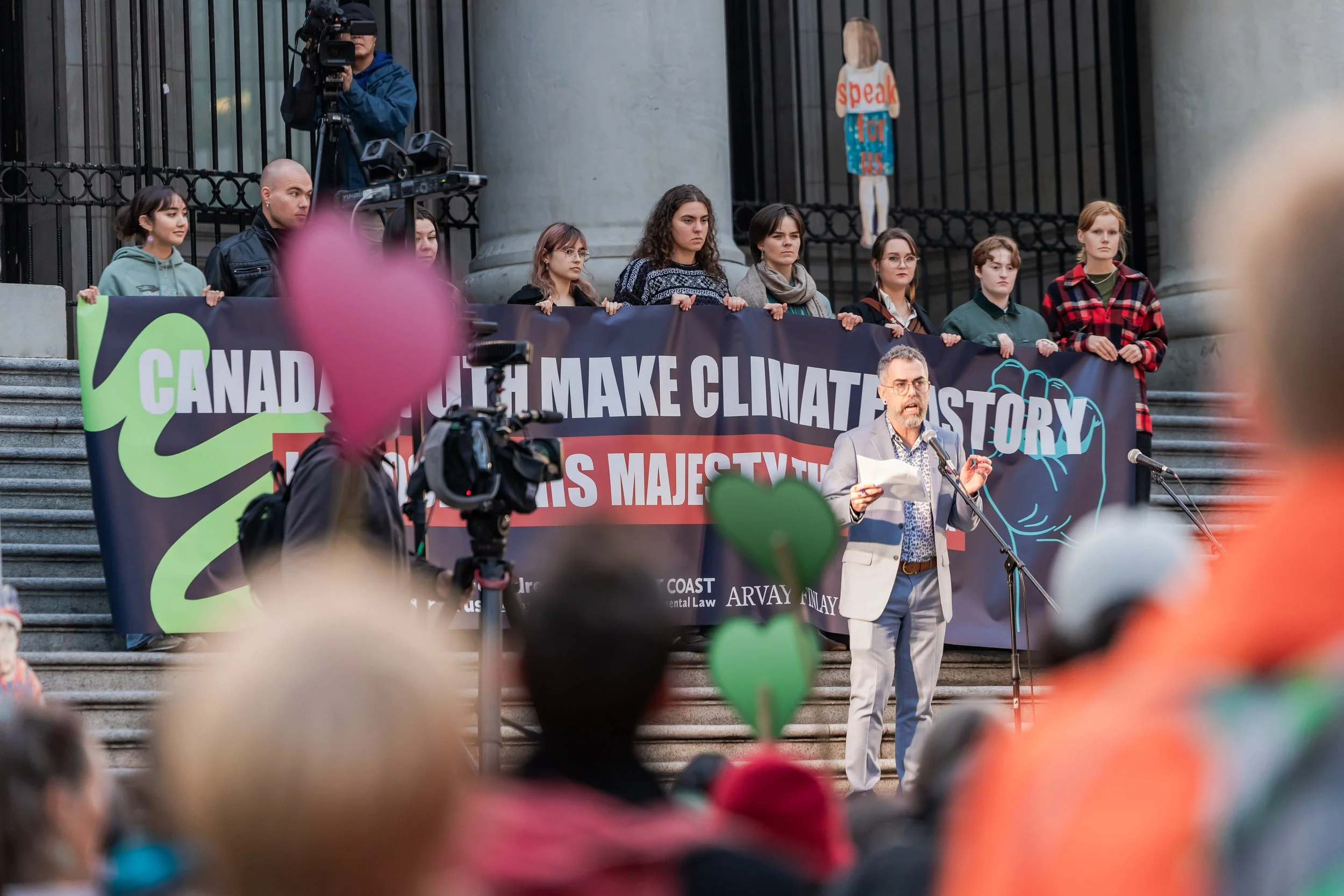
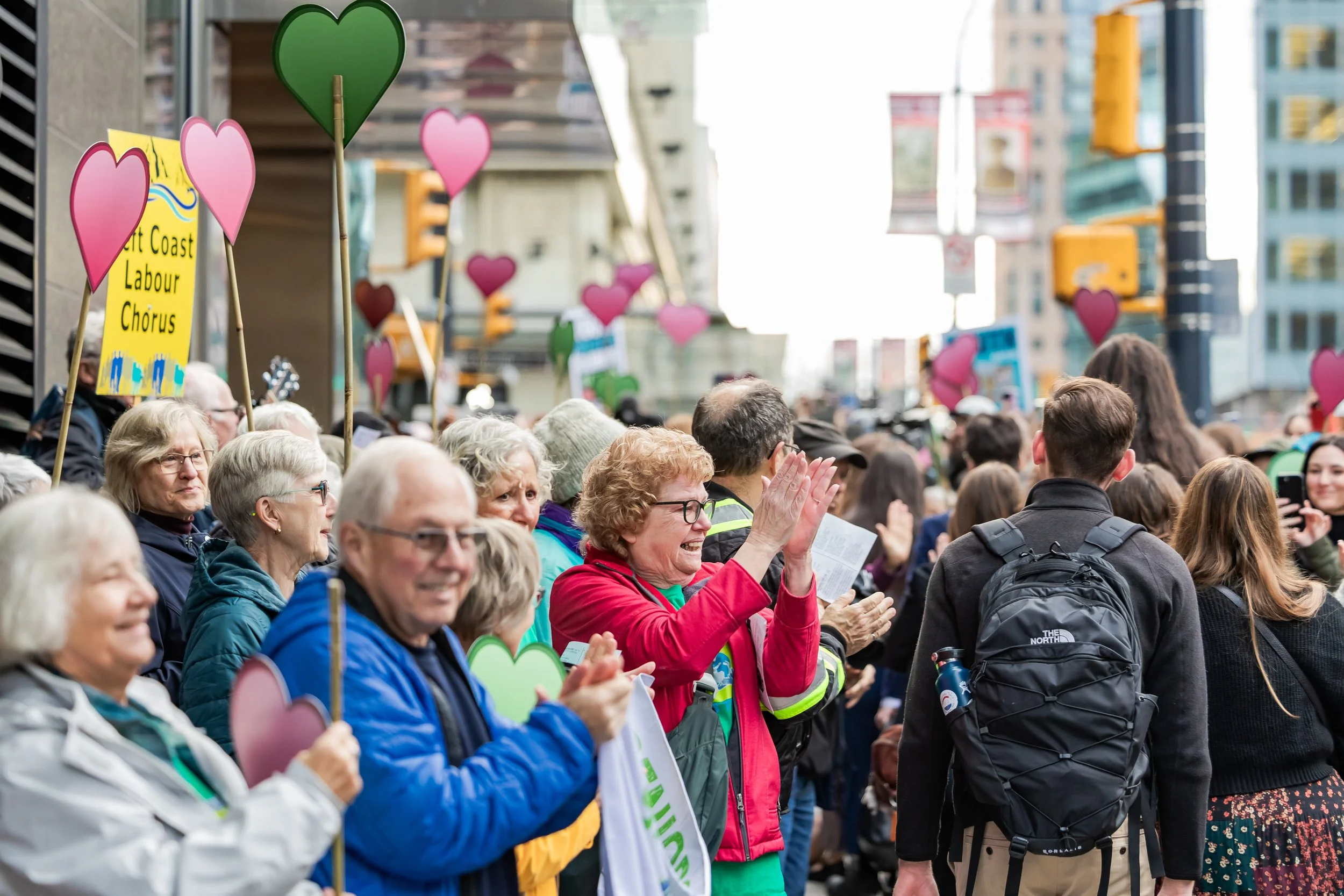
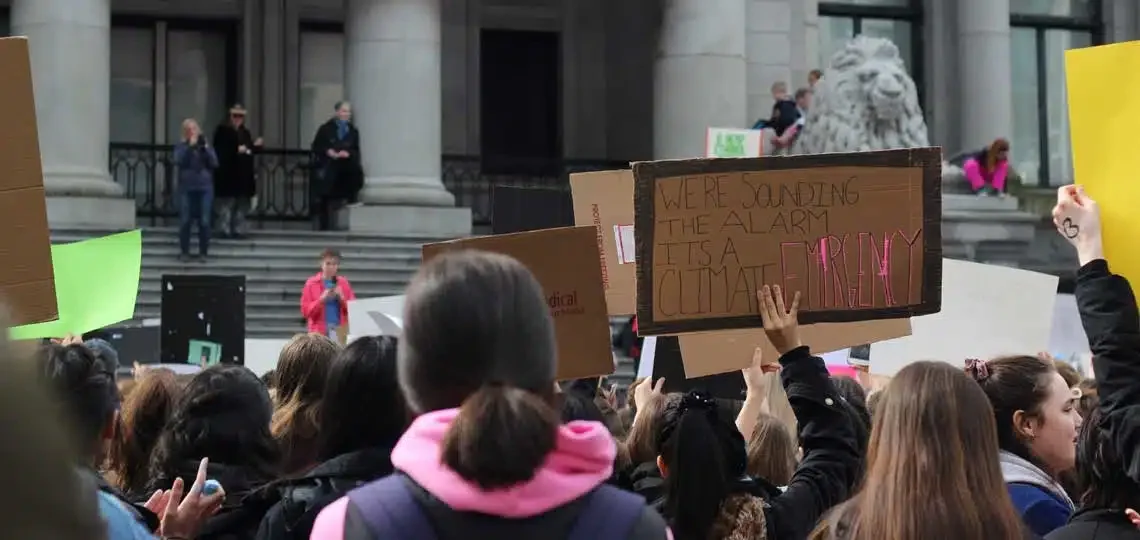
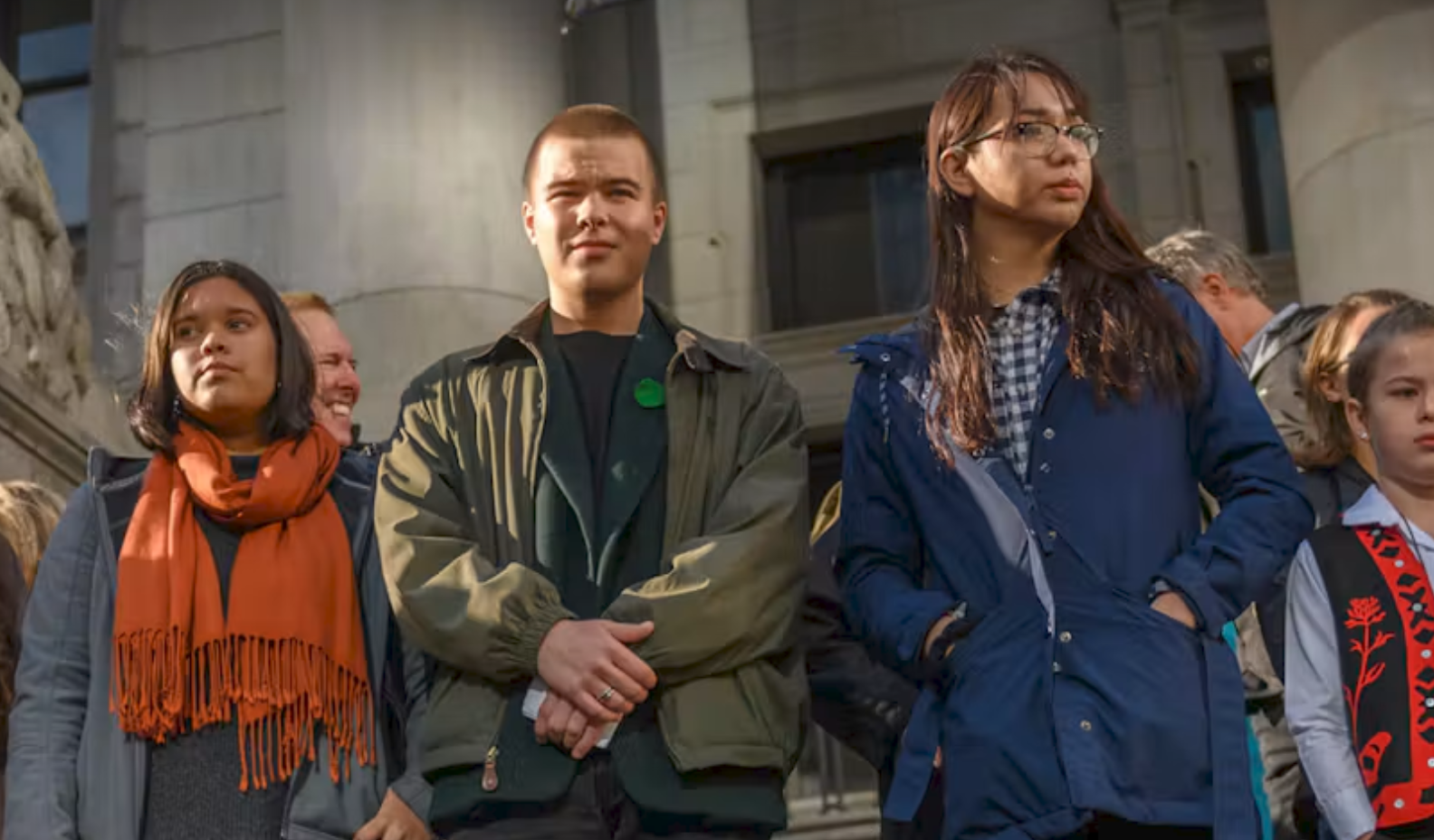
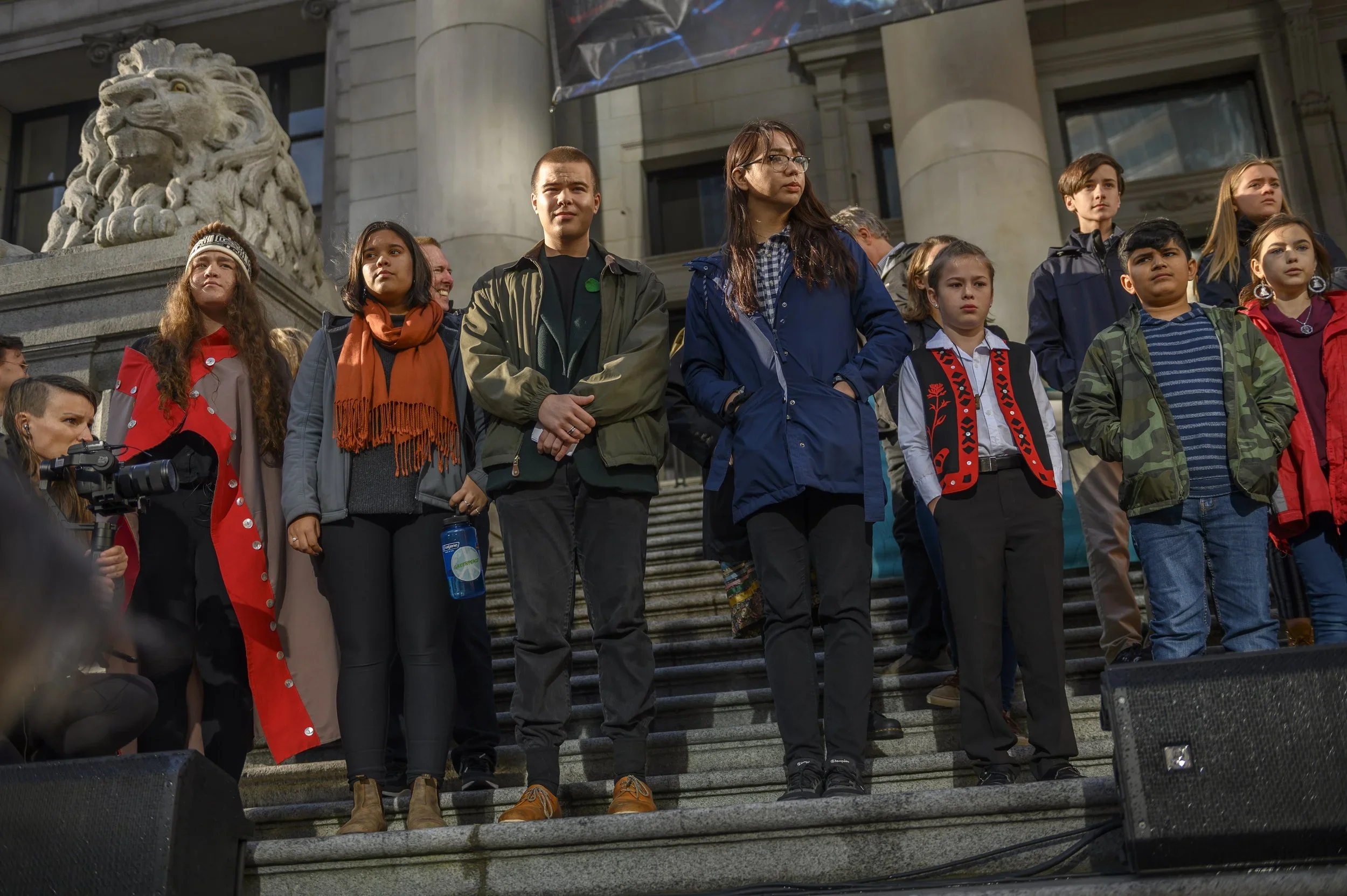
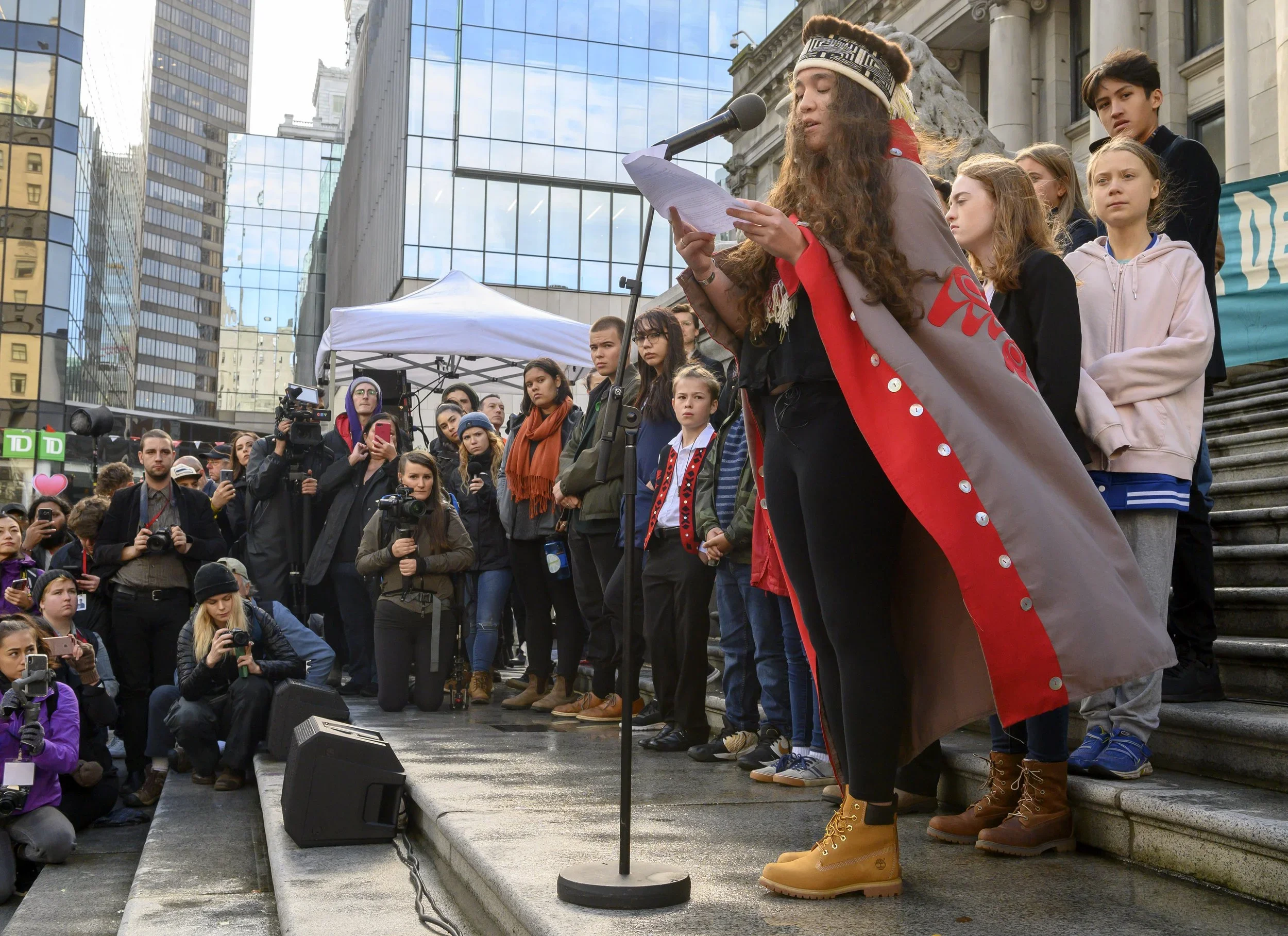
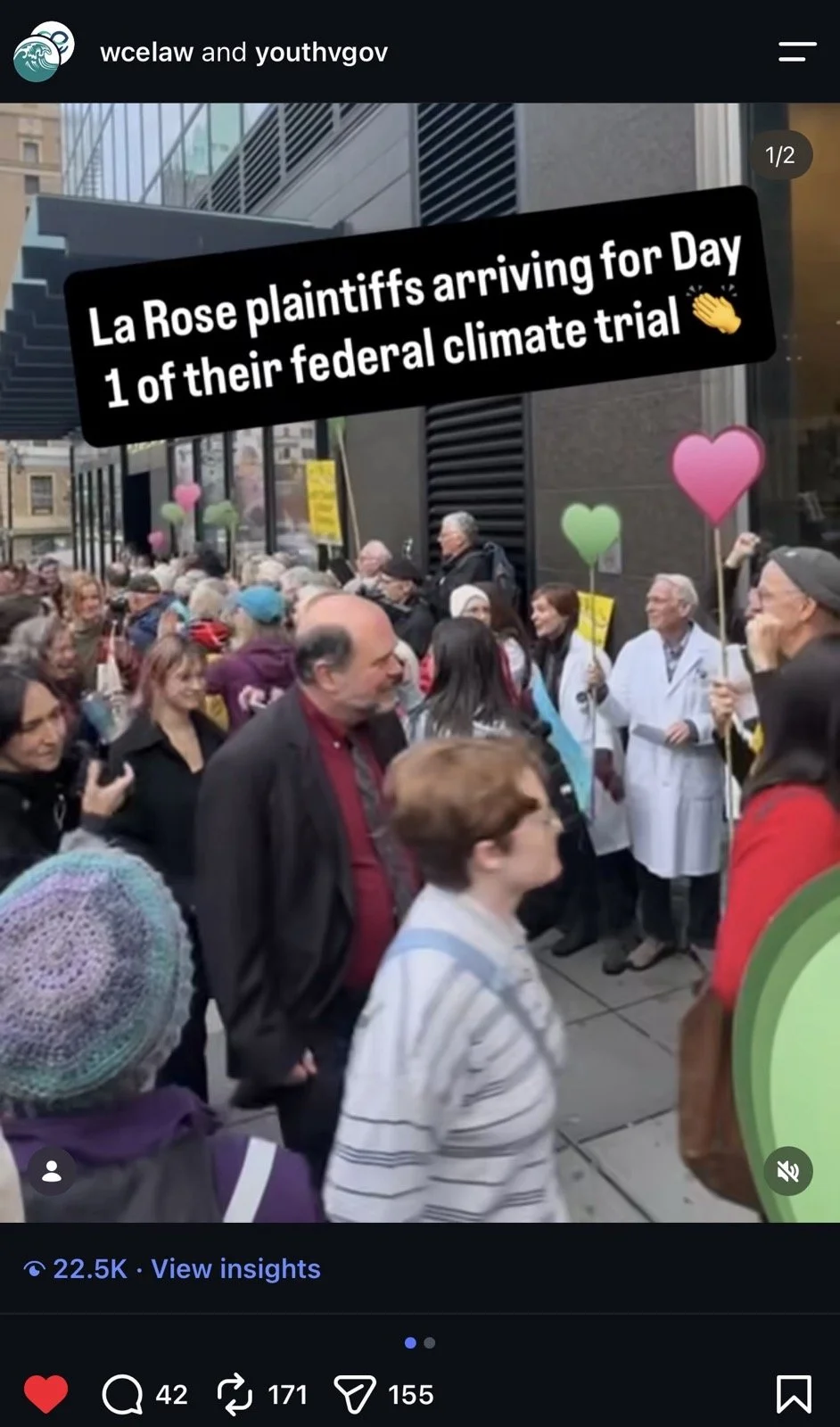
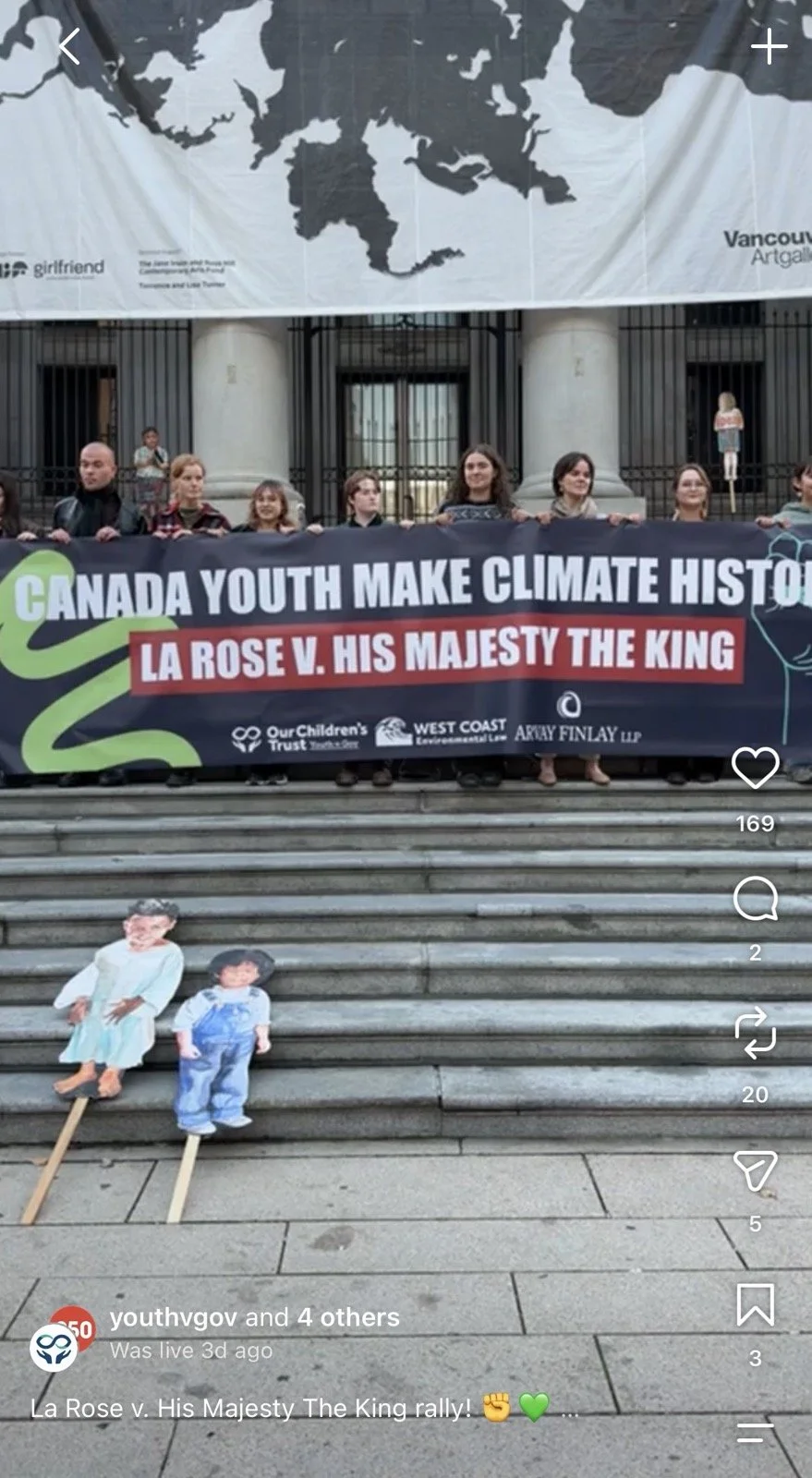
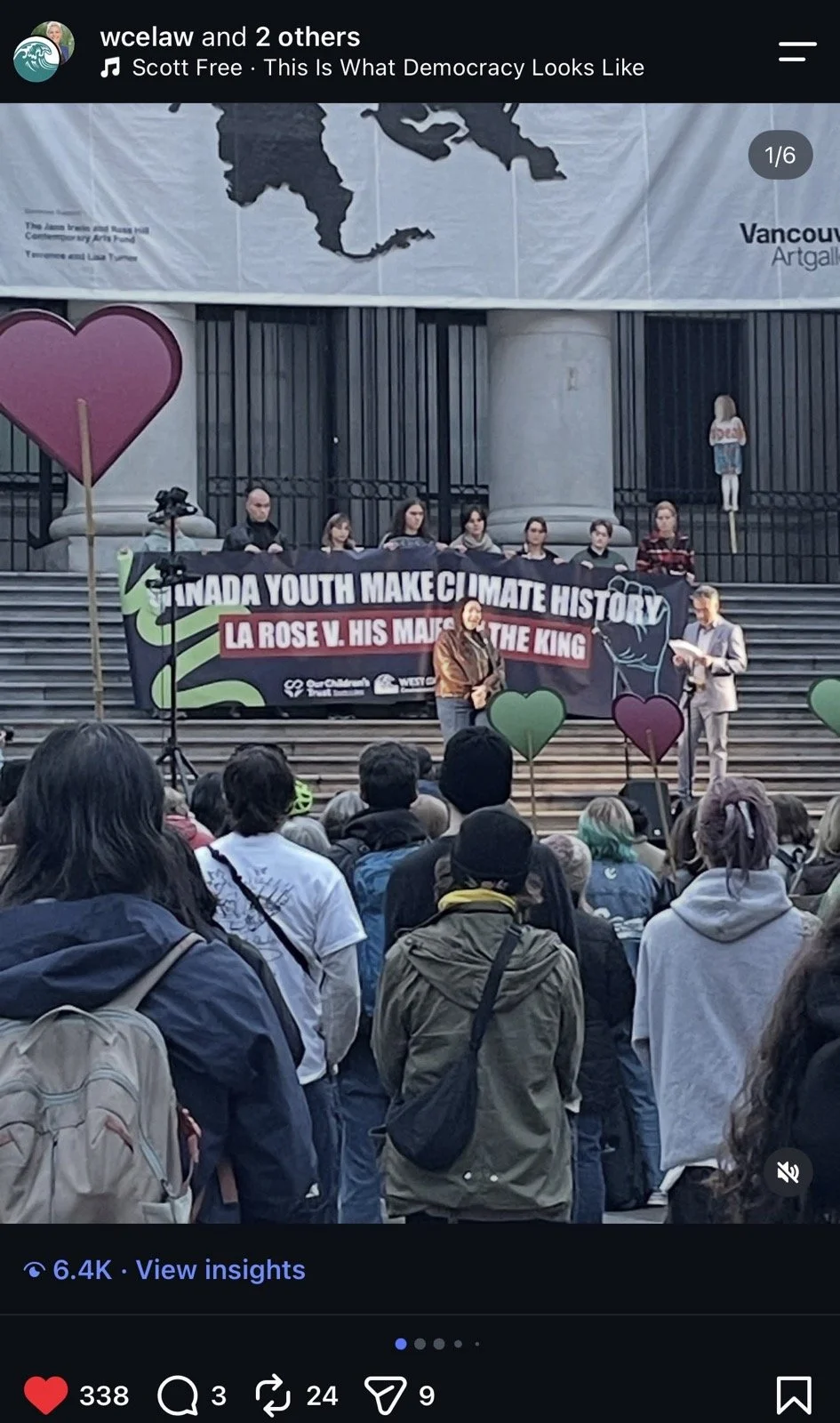
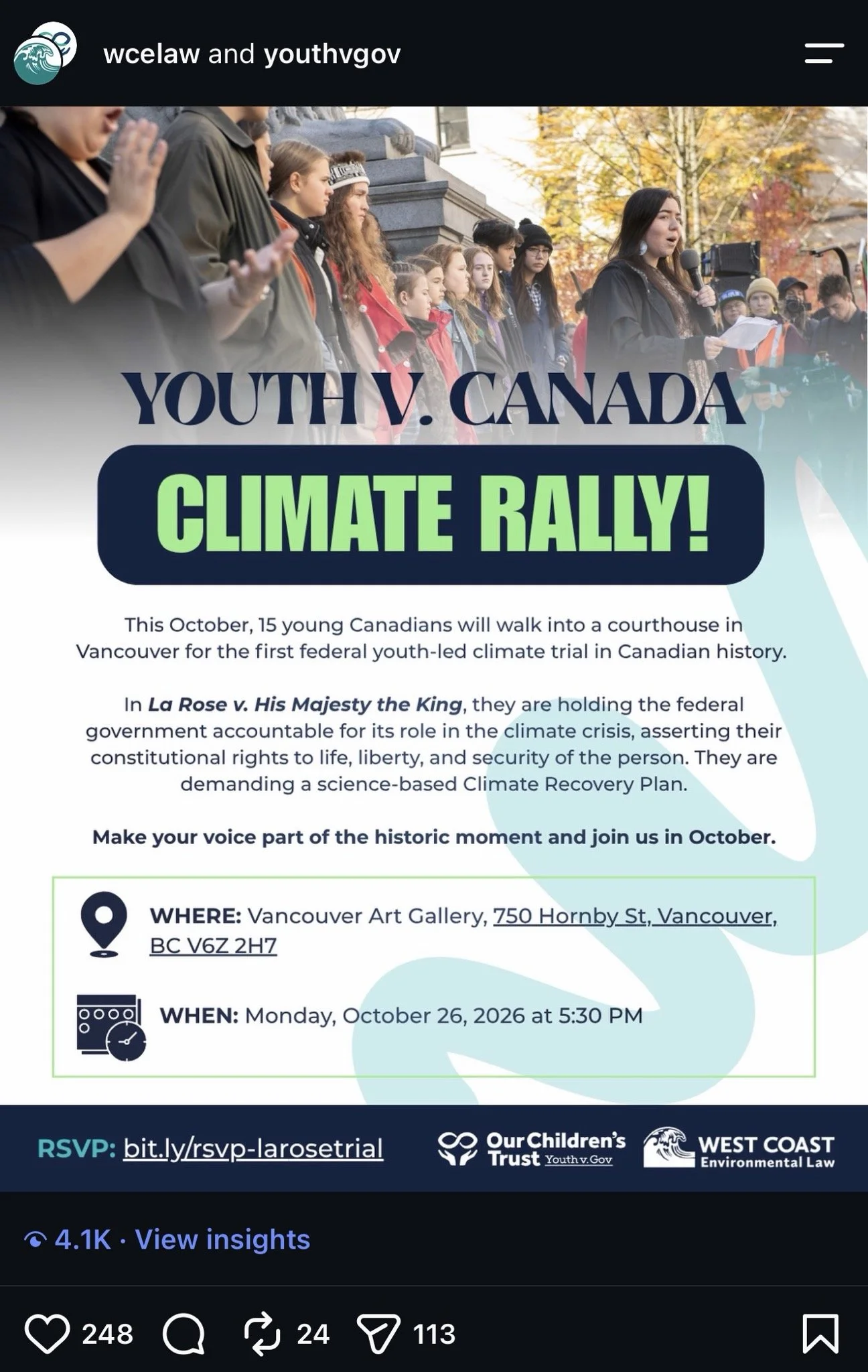
The La Rose v. His Majesty the King trial is underway, marking a historic moment for youth-led climate litigation in Canada. We’re deeply grateful to everyone who stood with the 15 young plaintiffs in Vancouver—from those who filled the courtroom and gathered to watch the proceedings to the nearly 300 people who attended the Youth v. Canada Climate Rally.
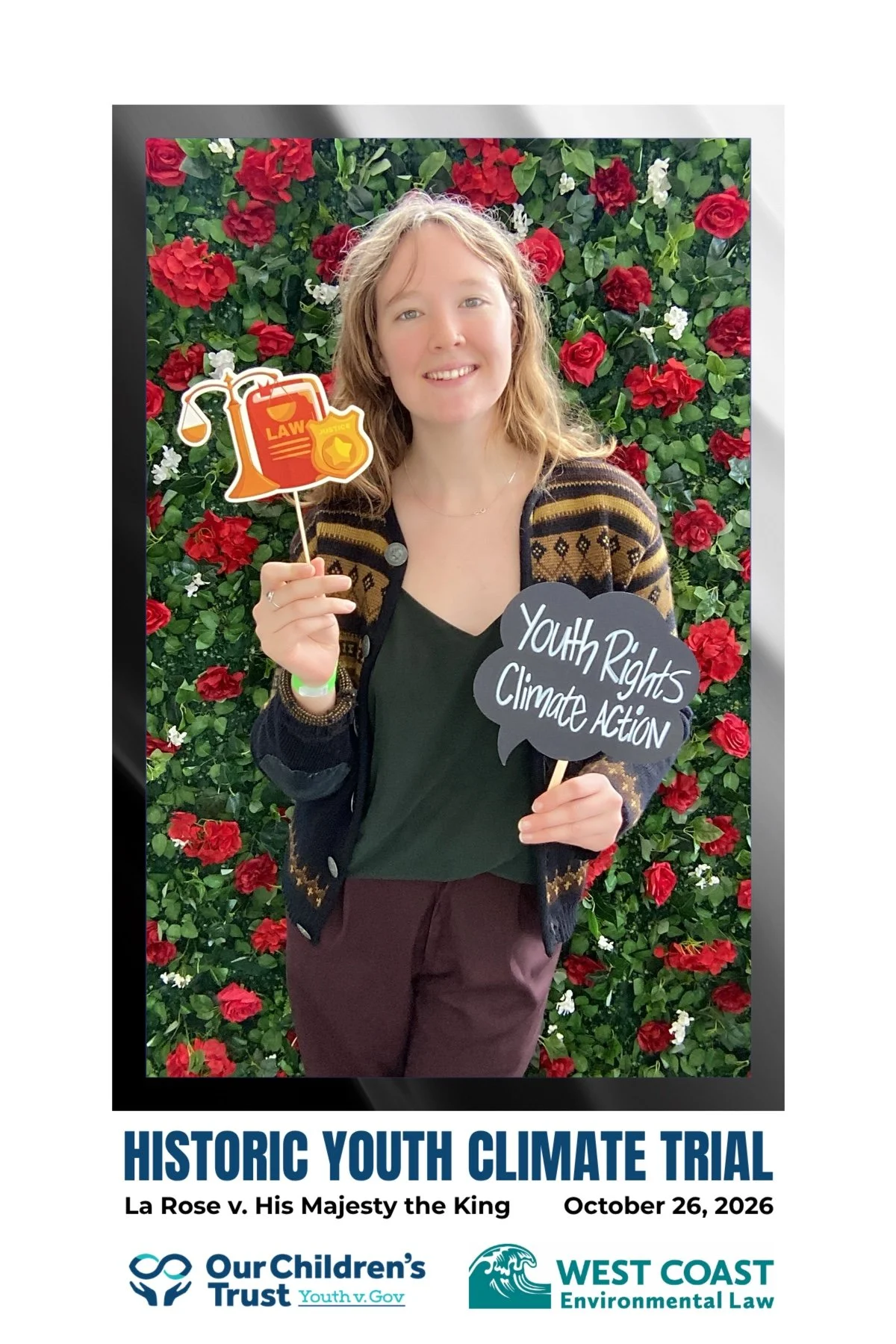
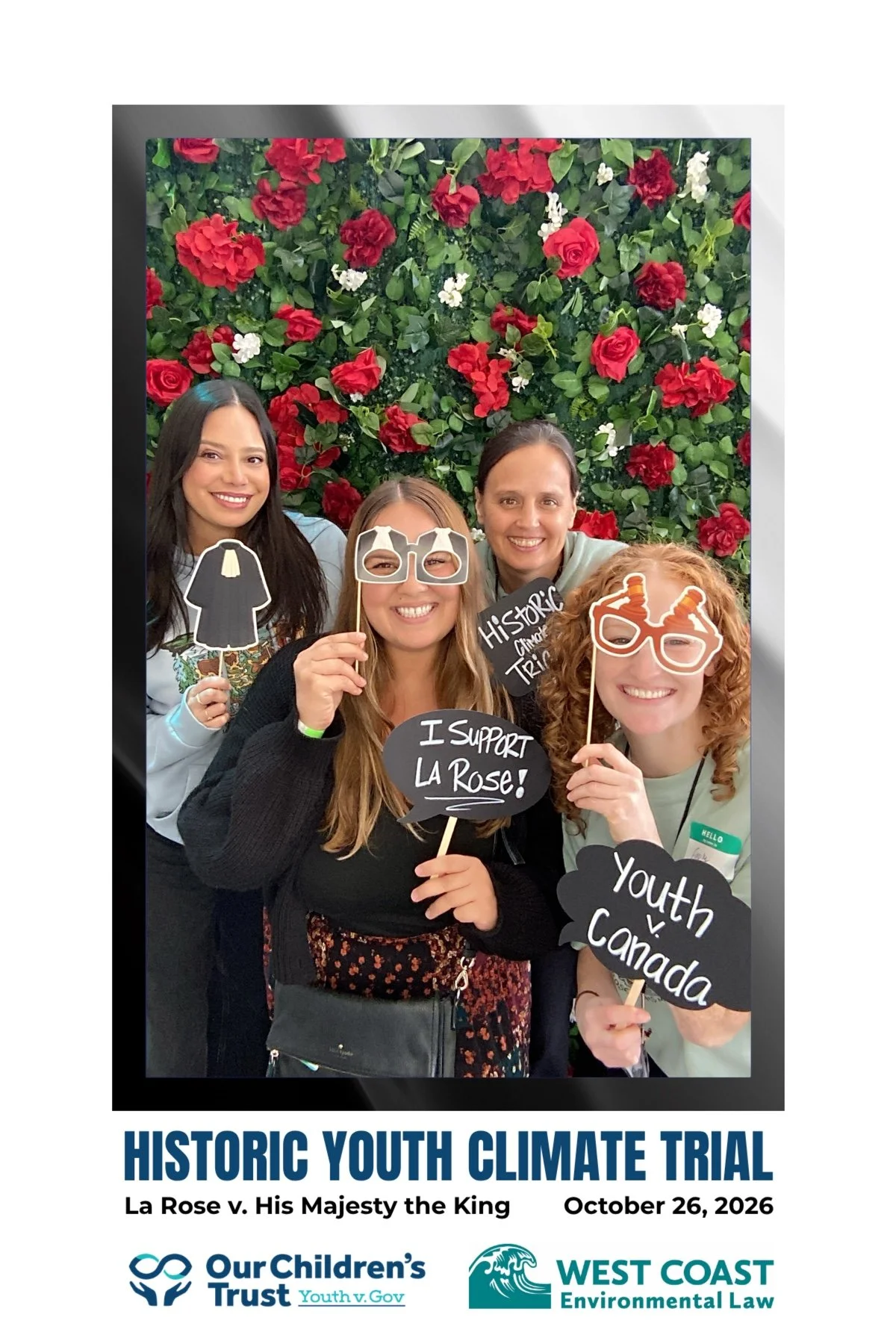
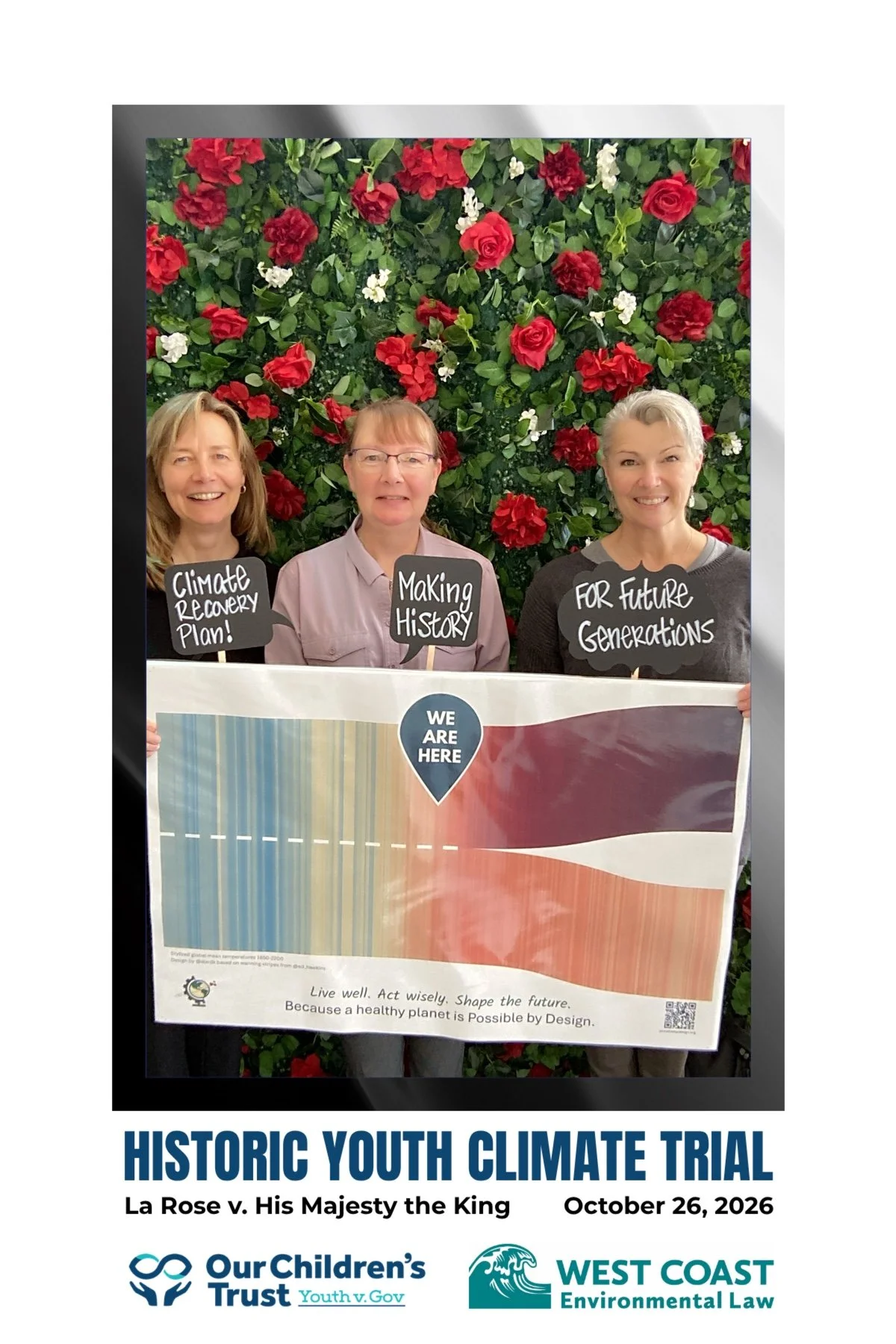
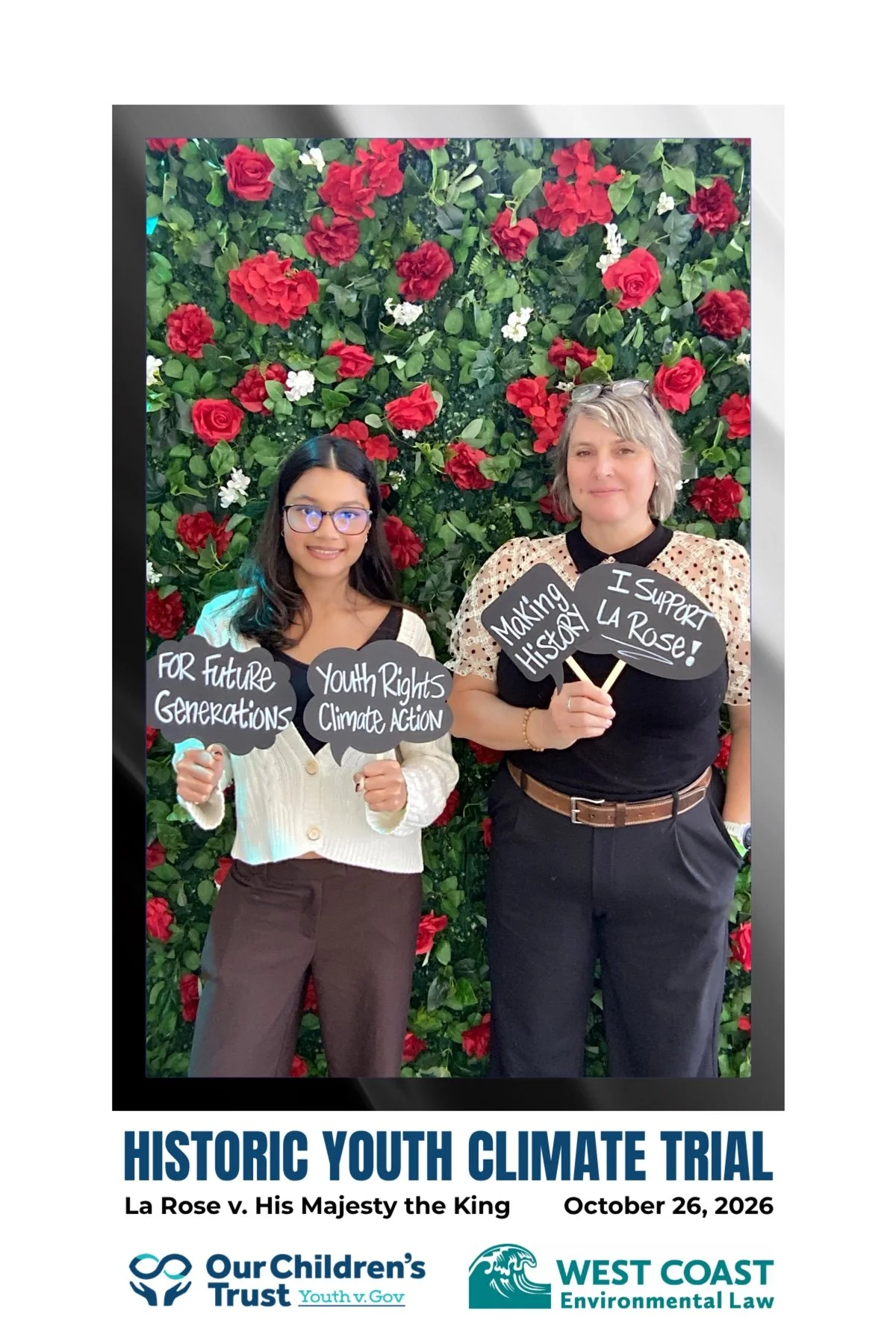
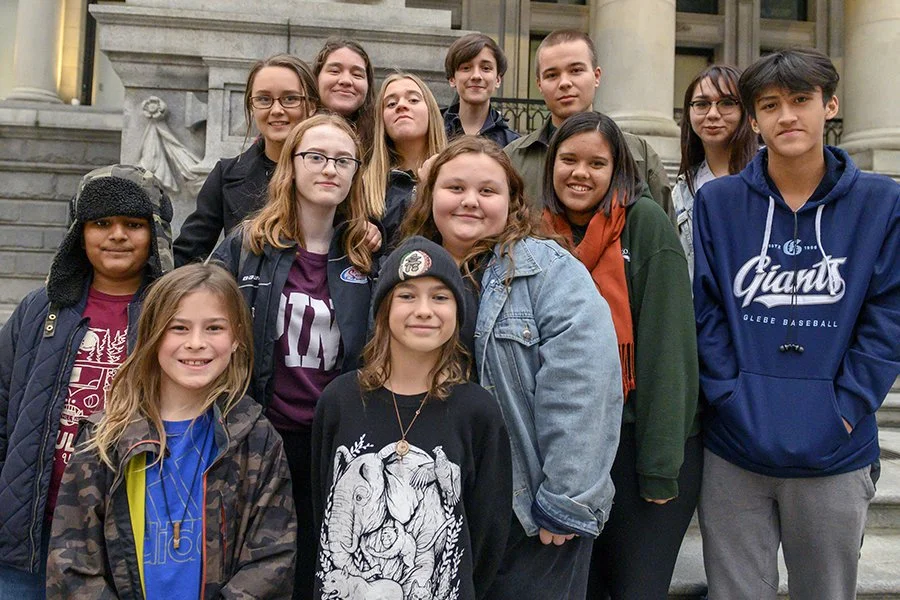
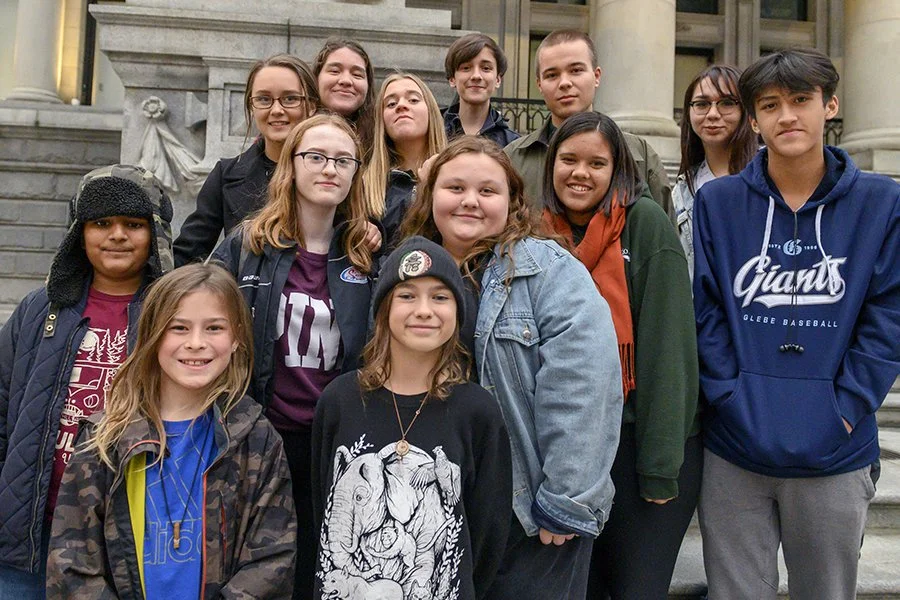
Relive these powerful moments through the photo gallery below, celebrating the community, solidarity, and collective determination surrounding this landmark case.
Your support reminds the plaintiffs they are not alone in their fight to hold the Canadian government accountable for the climate crisis and protect young people’s constitutional rights to life, liberty, and security of the person.
As the trial continues, you can still make a difference by following the proceedings, sharing the story of La Rose, and helping amplify the voices of the 15 youth fighting for a livable future.
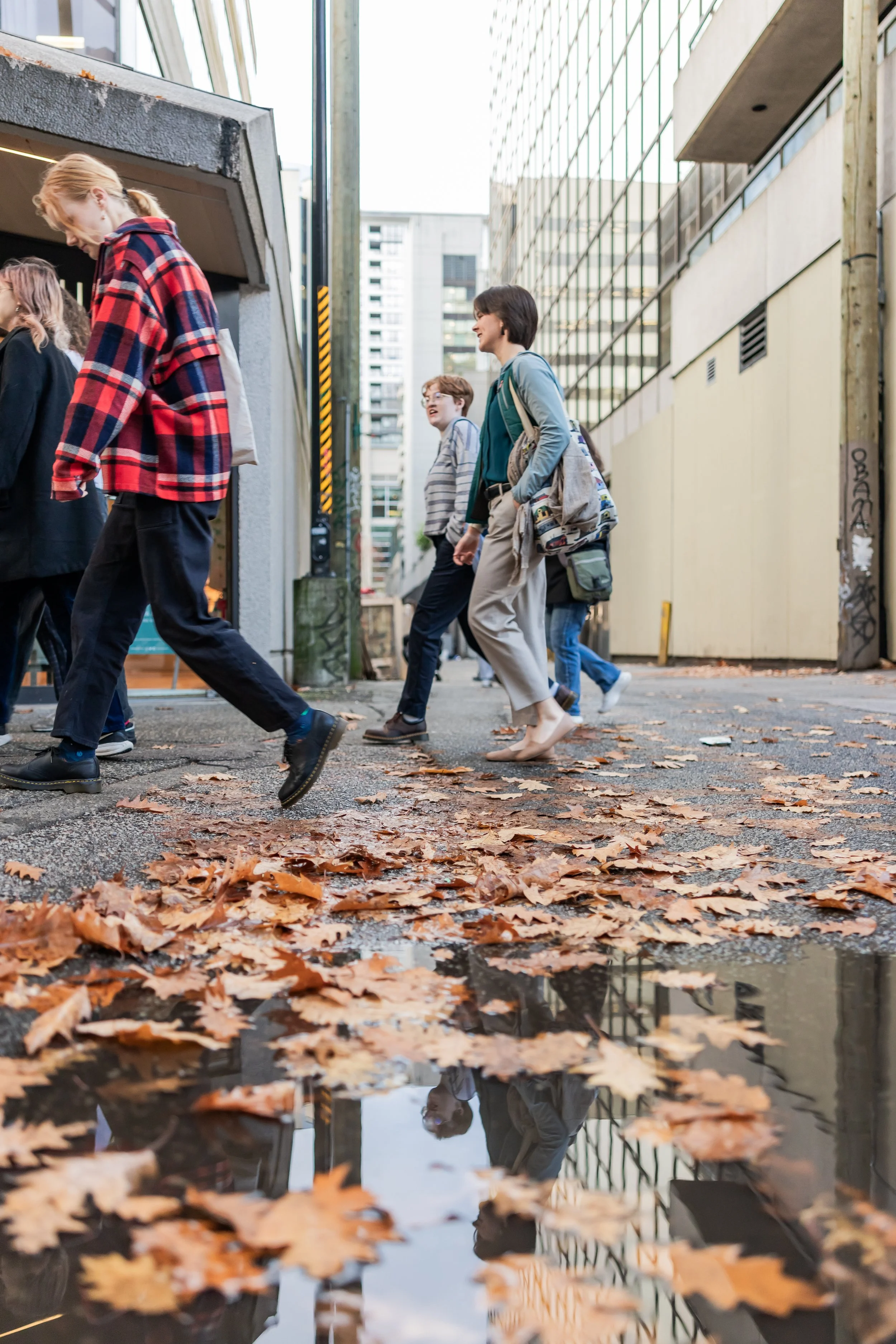
WATCH TRIAL ONLINE, OR IN PERSON
The trial can be observed by the public by Zoom webinar for all trial days, and you are welcome to come and go as you please. Registration is required.
Please register as early as you can to ensure you receive approval before the start of trial. Registrations are approved by the Court, so approval will not be immediate.
Recording of any kind is not permitted, including audio, video, photos, and screenshots. Zoom links may not be shared. The registration link may be shared with others so they can register for themselves but the Zoom link for viewing may not be shared.
Want to attend in person? Trial will run Monday-Friday, October 26 - November 20. Court proceedings start at 9:30am and end at approximately 4:30pm.
Court Address: Federal Court at the Pacific Centre - 701 Georgia Street West, Vancouver, British Columbia, Courtroom 702
Please note: Through October 31, US Pacific time matches Vancouver, so proceedings run 9:30 AM to 4:30 PM. Starting November 1, US clocks go back an hour but Vancouver’s do not, so US Pacific viewers will see proceedings run from 8:30 AM to 3:30 PM. In Greenwich Mean Time, proceedings run from 4:30 PM to 11:30 PM for the whole trial.

TRIAL TRACKER
Trial begins October 26, 2026, in Vancouver, BC, and will run for about five weeks, with closing arguments anticipated for the week of Feb 22, 2027. Come back here for daily updates on what is happening inside the Vancouver courtroom, who is testifying, and what it means for the case.
WHAT’S HAPPENING IN COURT
-
Day 1, October 26
Opening Arguments
The trial began with plaintiffs’ opening statement. Catherine Boies Parker, KC speaking for the plaintiffs, pointed to long-standing government knowledge of the climate crisis and unfulfilled commitments to address it:
“The government has known about climate change for decades, and has repeatedly made and broken promises about reducing emissions. In doing so, the Defendants have contributed and continue to contribute to a collective failure that increasingly harms Canada.”
Her words set out a central argument in the case: government decisions on climate change have consequences for the youth plaintiffs and for Canada as a whole for years to come. Inside, supporters filled the courtroom to capacity, with even more gathered at a nearby viewing session to watch the proceedings together.
Kira Young’s Testimony
One of the most powerful moments of the first day came when Kira Young became the first of the young plaintiffs to testify.
Kira grew up in Yellowknife, where canoeing, skiing, and biking on the surrounding land and lakes shaped her connection to the place she calls home. In the summer of 2023, she watched that landscape transform as wildfires swept across the Northwest Territories.
During a family canoe trip on the Keele River, smoke grew so thick that her family could no longer see across the river. Back in Yellowknife, the sky turned orange. "Ash fell from the sky,” she told the court.
Then, in mid-August, the entire community of Yellowknife was ordered to evacuate. Kira was 17. She left with her father and brother, while her mother, an essential worker, stayed behind to help evacuate the hospital. Before she left, Kira described walking through her home, taking photos and videos of all of the rooms, fearful of losing the place where she grew up and developed formative memories. Her family drove south along the only highway out, past flames beside the road and through a community that had already been destroyed by fire just days earlier. They were displaced for about three weeks.
Since then, Kira has returned to the burned forest surrounding her home in Yellowknife. She described the landscape as hauntingly quiet: “Being in an area that is so recently burned is unusually silent.” Kira bravely described how traumatic the experience was for her, and how it still haunts her to this day.
Kira joined the case after her evacuation, hoping to help create change for young people today and for generations to come, so that they don’t have to experience what she had to go through. Her testimony underscored what this case is about. Climate change is not an abstract future threat; it is already affecting young people’s lives, homes, and futures.
Day 2, October 27
Dr. Kirsten Zickfield
The morning belonged to Dr. Kirsten Zickfeld, a climate scientist at Simon Fraser University and an IPCC lead author. She walked the court through Canada’s carbon budget: its share of carbon dioxide it can still emit while preventing the worst impacts of climate change. Her conclusion was blunt. Whichever fair way you divide the remaining budget among countries (by responsibility, capability or equity), Canada’s budget “is essentially zero or negative,” she testified. Canada has already used up its share.
She was just as direct about the temperature goal: “1.5 is not safe.” Every degree of warming matters, she explained, and to avoid any more of it, “emissions need to be brought to zero as soon as possible.”
Sadie Vipond: “seeing my world crumble around me”
In the afternoon, Sadie Vipond, 20, became the second young plaintiff to take the stand. She grew up in Calgary, joined this case at 13, and now studies environmental science at the University of British Columbia. “I’ve been impacted by wildfires almost every year,” she told the court. In 2022, more than 20 days of smoke kept her indoors, and she would “blow my nose and just have black ash come out of it.” In 2023, she helped care for dogs evacuated from Yellowknife, the same evacuation Kira described on Monday. In 2024, smoke from the Jasper fire forced her and her dad to mask up and cut short their annual berry picking.
Asked how all of this has affected her, she said she is “seeing my world crumble around me.” On cross-examination, Canada asked about pushback from Calgary’s fossil fuel industry. “All we are asking for is accountability,” she answered. “We’re not asking for any financial gain through this.” She closed by speaking for all the plaintiffs: “We’re all at the end of the day just kids wanting to hold our governments accountable to be able to make our future safer and better for everyone to come after us.”
Sophia: “the heat waves would come and find me”
Sophia Sidarous
Next came Sophia Sidarous, 25, a member of Metepenagiag First Nation, a Mi’kmaq community in New Brunswick, who now works as a legal analyst in Halifax. She described how heat is eroding her culture. “No matter where I was, the heat waves would come and find me,” she said. Sweat lodge ceremonies get cancelled, powwows now need first aid on hand, and on the hottest days she has to take her young son out of the powwow to sit in an air-conditioned car. “It kind of contradicts why we went.” Salmon, moose, chaga, sweetgrass and the black ash used for baskets are all in decline. “We’re considered salmon people,” she said, yet last year her community could barely find salmon to share at its powwow.
Floods, a hurricane and wildfires have made packing an evacuation bag “very routine at this point.” In 2025, a wildfire broke out about a kilometre from her home while she was outside with her son. Asked what she wants him to know about this case, she said: “I just want him to know that we tried our best.” Canada had no questions for her.
Day 3, October 28
Day 3 of the La Rose v. His Majesty the King trial belonged to the young plaintiffs. Six took the stand, after our usual morning of breakfast together, a dance, and the walk to the courthouse.
Court opened with a fight. Canada asked to keep expert witnesses out of the courtroom while others testify. The plaintiffs’ lawyers argued that plaintiff’s mental health expert, Dr. Elizabeth Pinsky, who testifies tomorrow, should hear the plaintiffs, since her report draws partly on her earlier interviews with them. Justice Fothergill dismissed Canada’s request and excluded no one: “If the experts have disagreement, I want that disagreement to be fully exposed so that I can understand it.”
Leandrea: “The climate crisis is a cultural crisis”
Leandrea Taylor Reeves, 22, is Taku River Tlingit, from Whitehorse, Yukon, and affirmed on an eagle feather. Her testimony was about reclaiming her culture just as the land that holds it is changing. She is training to be a teacher and hopes to teach Tlingit in her home community. This summer her grandmother in Atlin sent her to pick Labrador tea for a sick friend, but at the warm springs where it always grew, there was none. “No Nana, there’s none there,” she told her. Her grandmother couldn’t believe it, and they talked about the changes every evening of her visit.
Wildfires have stranded her for hours on a closed highway and cancelled her programs on the land with youth and elders, and smoke and heat have taken a toll on her health and her family’s. “I don’t want to lose any more of my culture than I already have,” she said. “I feel like it’s really unfair.” Canada had no questions for her.
Sáj: “So it was mainly wet socks when I was younger, and more substantial damages now that I’m older.”
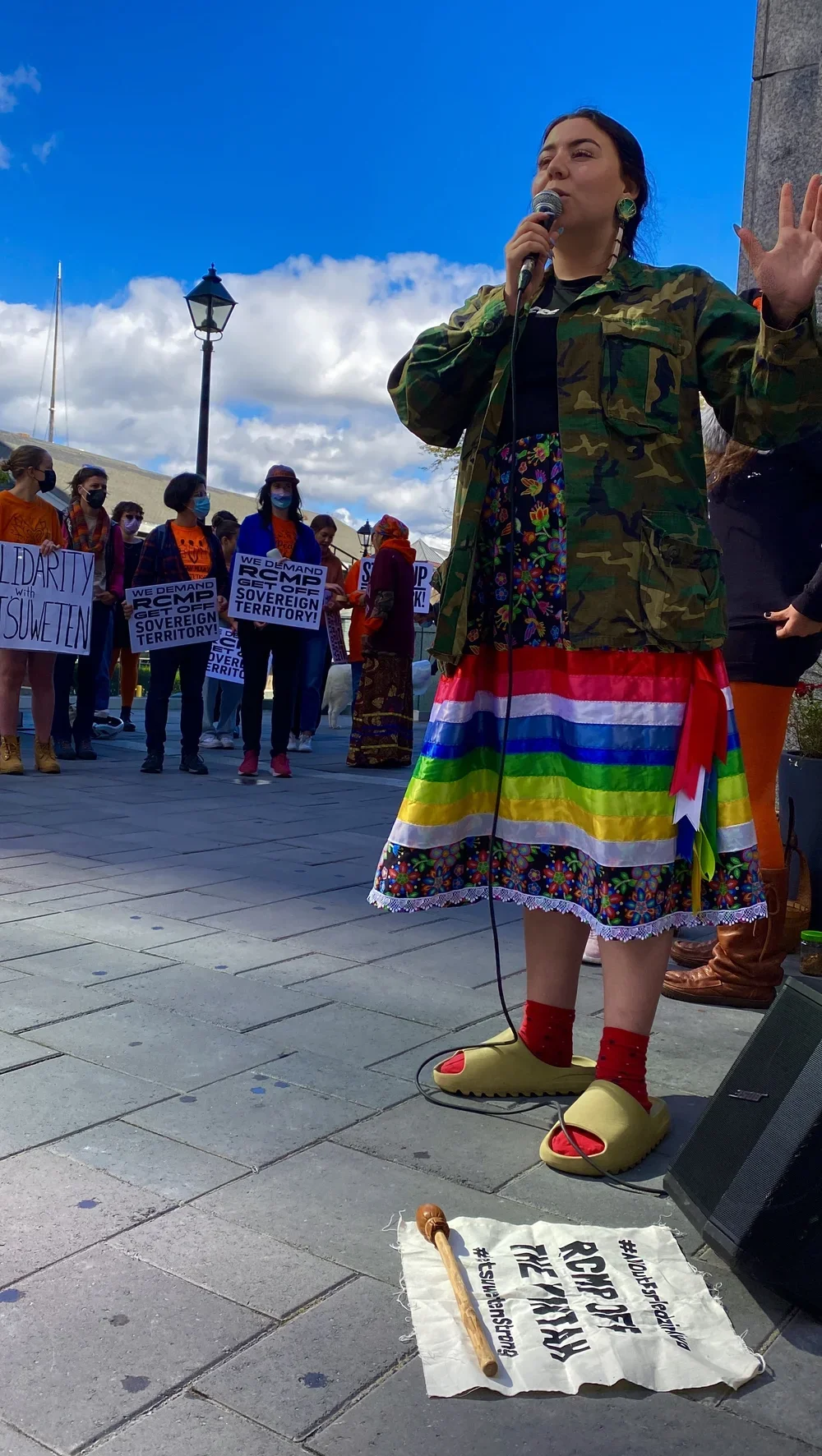
Sáj Milan Gray Starcevich, 20, is Nakoda from Carry the Kettle First Nation and wore a ribbon skirt on the stand. She joined the case at 13 and once held a Fridays for Future strike outside her high school as the only attendee. Her testimony traced how fast the prairies she grew up on are changing. Spring flooding around Melfort, Saskatchewan, used to mean wet socks. This year it flooded the basement at her family’s acreage, and their garden went in so late there were no pumpkins to carve. Heat brings her headaches and sleepless nights, and smoke makes it hard to breathe. The future feels so uncertain, she said, that “it’s hard to let myself have wants when they feel so selfish.” There were tears in the courtroom when she said she can’t imagine bringing a child “into a world that is like this.” Canada had no questions for her.
Cecilia: “I have to stay here and see this through”
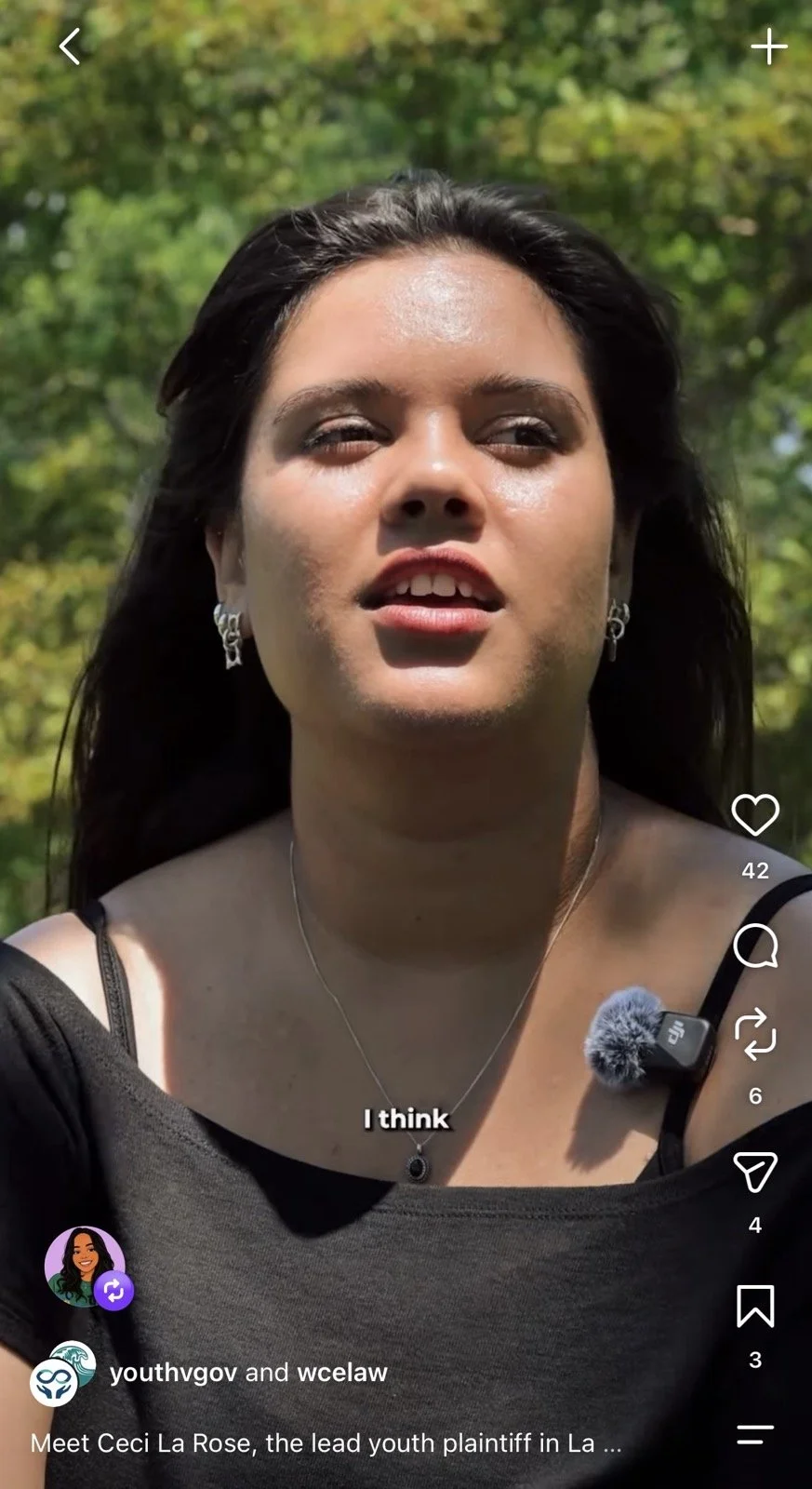
Cecilia La Rose, the plaintiff this case is named for, joined the lawsuit at 15. Cecilia lives in Toronto and works outdoors through wildfire smoke, extreme heat, and dangerous storms. She described a job on the water that now means working through whatever the weather brings. On the first morning of this summer’s wildfire smoke, her dad texted her to wear a mask and ride to work slowly. “It was orange outside.” She worked outside all week with nowhere to escape it, then through heat close to 40°C, and smoke and heat make it hard for her to breathe. When a storm hit mid-harbour and twisted her boat, “I could see the rest of the city shutting down and we were still running.” Ticks she never saw as a child now turn up even on her pillow at the cottage. Seven years in, she feels an obligation to young people who feel the way she did at 15: “It feels like an obligation that I have to stay here and see this through.” Canada had no questions for her.
Albert: “Hope is a discipline”
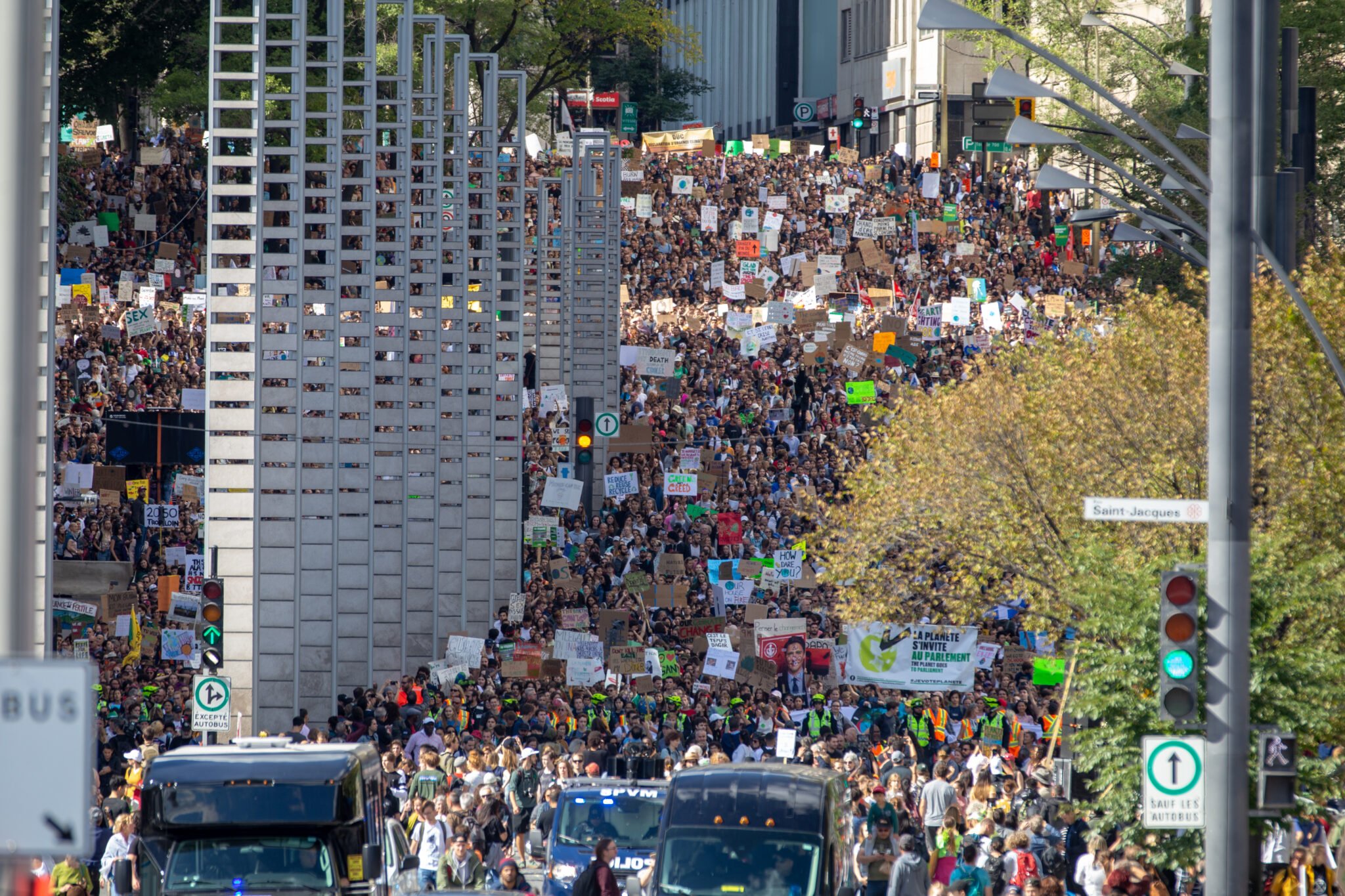
Albert Lalonde, 24, is a law student in Montreal and was 17 when the case was filed. He gave some of the day’s most candid testimony about what growing up with climate change has cost him. At five, he decided Santa couldn’t be real: if Santa’s house at the North Pole were sinking into the ocean, it would be a scandal, and no one was talking about it. As a teenager he helped lead Montreal’s student climate strikes, including a 2019 march of half a million people, and watched governments answer with measures that felt cosmetic. Heat waves have made cycling, his main way of getting around, unsafe, wildfire smoke returns every year, and a 2024 flash flood destroyed his family’s photo albums. Climate change has weighed on his mental health since he was small, and he rejects calling it eco-anxiety: “Anxiety implies that it’s not warranted.” “Hope is a discipline,” he said, “but it’s very difficult to have that discipline when a clear sky is a dark shade of gray.” The air in the courtroom felt still and somber. Canada had no questions for him.
Lauren: “I can’t just choose to not breathe this air in”
Lauren Wright, 22, joined at 15 and comes from a family that has farmed in Saskatchewan for five generations. Lauren graduates in biology this spring and works as an agricultural research assistant, doing fieldwork hours from home across the province. Their testimony showed how much harder that work, and the land it depends on, has become. One day last summer, under smoke so thick the sky was gray and the sun bright orange, Lauren was sick from the heat yet ran to the truck to help a coworker who couldn’t breathe. “I can’t just choose to not breathe this air in,” they said. In dry years, Lauren has had to climb out and walk the canoe down the South Saskatchewan River; this September, 90 millimeters of rain in a single day halted harvest at the family farm. It has all weighed on their mental health. Lauren wants their little cousins, who have grown up with smoke every summer, “to get to have the summers I had when I was a little kid.” Canada had no questions for them. Right after Lauren’s testimony, their parents embraced them in the courtroom almost forehead to forehead and said, “We’re so proud of you.”
Maddy: “You can almost feel the pain of the land”
Maddy Mead, 20, grew up outside Whitehorse, Yukon, and now studies fisheries at the University of Alaska Fairbanks, hoping to become a teacher. Maddy’s testimony was about loving a place while watching it change. Doing restoration work among old-growth cedars scorched orange by heat domes, “you can almost feel the pain of the land while you’re there.” Teaching through Salmon in the Schools, Maddy meets Yukon children for whom a classroom lesson is the only way they know salmon, because the fish have all but disappeared from their rivers. Wildfire smoke has made it hard to breathe on the job, cancelled conservation work and weighed on their mental health; during the 2024 Jasper fires, a smoky morning at Lake O’Hara “felt like the end of the world.” This case, Maddy said, “feels like the last option that I have to make some sort of change.” Canada asked only a few questions, including whether they feel safer in Alaska. The answer: “No.”
Day 4, October 29
Dr. Mark Jacobson: “Canada can do it.”
In the morning, Stanford’s Dr. Mark Jacobson, a professor of civil and environmental engineering, told the court that Canada can run on 100% clean, renewable energy, for every purpose, by 2050. He explained that whether it happens “is more of a social and political question.” Canada starts with vast wind, plenty of sun in the south, and existing hydro dams. Electrifying cars, heating and industry would cut the energy Canada needs by about 61%, saving about $181 billion a year by 2050 compared with business as usual, before counting the toll of air pollution, which kills nearly 7,000 Canadians a year. The whole system would take up less land than the oil and gas wells in B.C. and Alberta already do. The plaintiffs aren’t asking the court to order his plan. It shows what is possible, and how little ambition Canada’s current plan holds.
Asked why he hadn’t modeled specific policies, he said his job is to show where Canada could end up; finding the best path there “is really up to policymakers.” Canada’s cross-examination pressed hard on that point, asking what his study doesn’t say: what to build first, where, or which fossil fuel plants to close. When Canada asked why he hadn’t used federal projections, he countered that those projections show emissions falling while Canada’s emissions actually rose in 2025. And when Canada turned to an old dispute between Dr. Jacobson and another scientist, Justice Fothergill said it “doesn’t really assist me in understanding whether his ideas are sound or not.”
Dr. Elizabeth Pinsky: “There's nothing that will fully protect children from climate-related harms other than ending climate change.”
In the afternoon, Dr. Elizabeth Pinsky, a pediatrician and child and adolescent psychiatrist at Massachusetts General Hospital and Harvard Medical School, testified that climate change is already harming children’s physical and mental health. Children breathe more air for their size, young children regulate heat less well, and growing lungs and brains pass through windows where damage can last a lifetime. She walked the court through heat, which drives up emergency visits and impairs learning; wildfire smoke, which sends children to hospital even for conditions unrelated to breathing; and ticks, once found in Canada only at Long Point on Lake Erie and now spreading north, with Lyme disease cases about three times what they were in 2017. Hearing the plaintiffs testify this week, she said, “further enriched my opinions.” Her bottom line: “there’s nothing that will fully protect children from climate-related harms other than ending climate change.” And the betrayal young people feel toward the adults and decision-makers failing them is its own harm, she explained, because they “know that it’s happening on purpose.”
She also answered Canada’s expert, Dr. David Sauchyn, on temperature-related deaths: for young people, deaths linked to heat already far outnumber those linked to cold.
Canada agrees that climate change is already harming Canadians’ health; its argument is that the cause is global. Canada will cross-examine her tomorrow.
Raine Robinson: “to share my voice”
Today the plaintiffs also submitted an affidavit from Raine Robinson, 24, who grew up on a farm in British Columbia’s Cowichan Valley. She now runs her own landscape design business focused on permaculture and ecological restoration. When Raine was first asked to testify, she wasn’t able to. After attending the trial, she decided she wanted her own words in the record: “it feels important to me to share my voice,” she wrote.
Her affidavit traces a farm childhood on land that keeps changing. In the 2016 drought, her family rationed water and lost crops. In 2018, a wildfire burned about six kilometres from home, and they braided phone numbers into the horses’ manes in case they had to set them loose. In the 2021 heat dome, she bathed the chickens and ran sprinklers for the pigs to keep them alive, and that fall an atmospheric river flooded her community. Heat and wildfire smoke worsen her chronic health conditions, sometimes keeping her from work. This summer, the spot on the Koksilah River where she swam as a kid was too low and green to swim in.
She joined the case, she wrote, to “represent farmers and my community and stand up for the places and people I love.”
Day 5, October 30
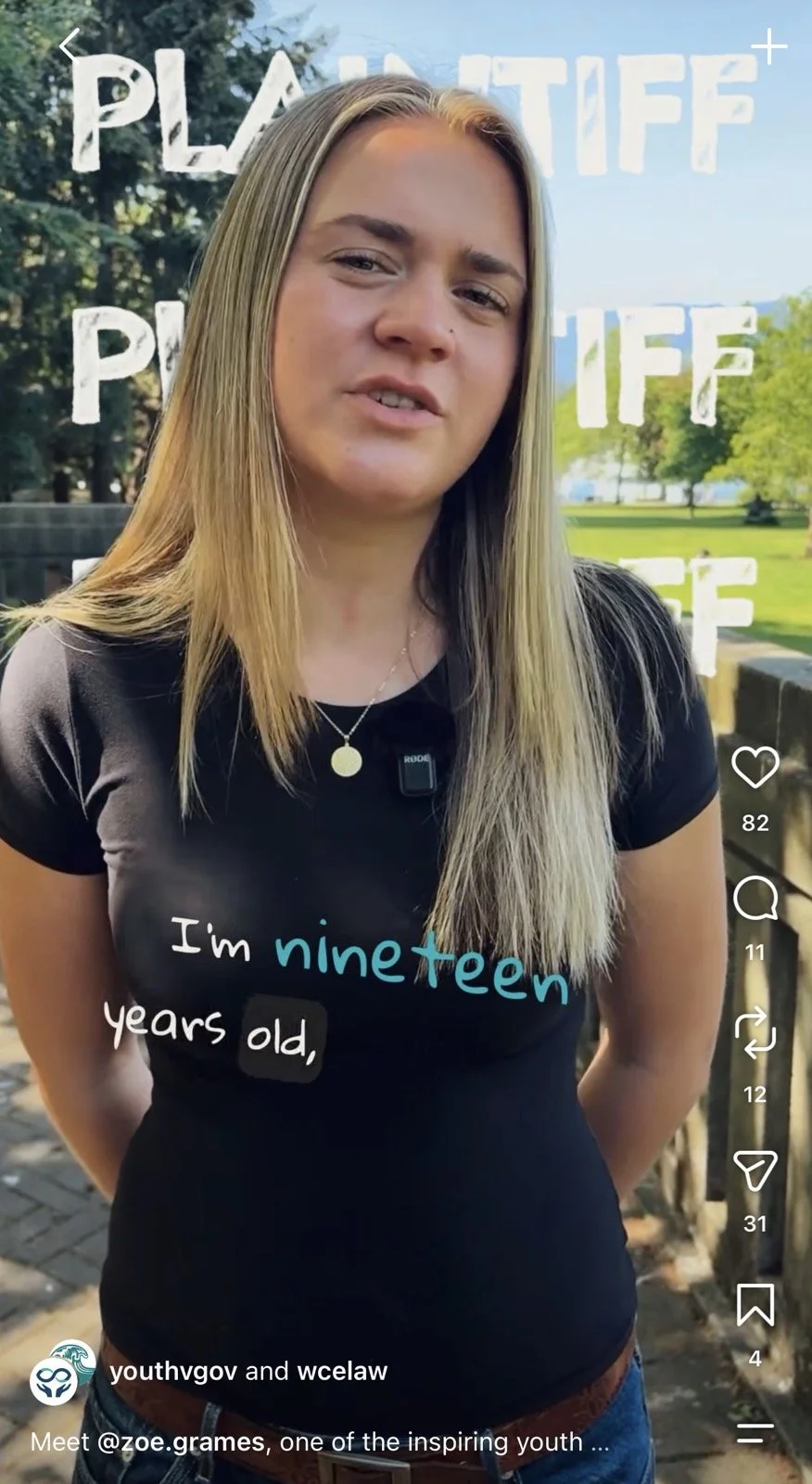
Zoe Grames-Webb, the tenth plaintiff to testify, took the stand to describe living through Vancouver’s unprecedented heat dome and wildfire smoke. Zoe explained how her experiences make her fearful for her future.
Sarah Newton, a teacher with thirty years of experience teaching young students throughout British Columbia, described classrooms too hot to teach and students coming to school unprepared to learn having experienced evacuations from wildfires or flooding.
-
Day 6 November 2
Dr. Simon Donner: “Canada continues to warm at roughly twice the global rate”
Dr. Simon Donner is a climate scientist at the University of British Columbia. He helped write the UN’s major climate science report (the IPCC’s Sixth Assessment Report) as a lead author appointed by the Canadian government, and he has served on Canada’s own Net-Zero Advisory Body since 2019, becoming co-chair in 2024.
Dr. Donner explained that humans have warmed the planet by about 1.3 to 1.4°C so far, and that Canada is heating up roughly twice as fast as the global average. He also described how scientists can now measure climate change’s fingerprints on specific disasters. Human-caused warming made Canada’s record-breaking 2023 wildfire conditions roughly three times more likely, and the 2021 B.C. heat dome saw temperatures up to 18 degrees above normal. Donner summed up the IPCC’s message simply: “It is up to us.”
Dr. Donner testified that young people face the greatest risk from climate change, simply because they will live longest in a warming world. In his expert opinion, Canada is not on track to prevent serious harm to children and youth, and 1.5°C of global warming is not safe for young Canadians.
Donner emphasized that climate change is a shared problem that can only be solved collectively. “If you atomize a collective action problem, a collective action problem becomes unsolvable,” he said. He pointed out that Canada is the world’s 10th-largest emitter today and 7th-largest since 1992.
Donner explained that Canada was “not close” to reaching its goal of net-zero emissions by 2045.
He added that the government has ignored key advice from its own Net-Zero Advisory Body, including a cap on oil and gas emissions, and has since abandoned the Clean Electricity Regulations. The judge noted that he will rule on legal liability, not moral questions.
Day 7, November 3
Dr. Simon Donner: “Every year of delay means more emissions in the atmosphere, more warming, more impacts”
Dr. Donner continued his testimony, telling the court that Canada has enacted “virtually none” of the recommendations from its own Net-Zero Advisory Body. The government also didn’t consult the body when it weakened or cancelled climate policies, and it never acted on advice to set a national carbon budget (a cap on total emissions over time). He then responded to the criticisms from Canada’s experts, including the claim that he overlooks the benefits of a warmer climate. He emphasized that the benefits are “so vastly outnumbered by the costs.” He also clarified that Canada’s net-zero plan being consistent with 2.6 to 2.9°C of global warming doesn’t mean Canada alone would cause that much warming. Justice Fothergill said this cleared up his own “similar misapprehension.”
When Canada’s lawyers questioned him, they challenged his role on the advisory body, pointed to past comments he’d made about how hard rapid emissions cuts would be, and argued that science can’t pinpoint Canada’s share of the emissions causing harm. Donner answered with an analogy: if many factories dump mercury into the same lake, nobody asks whether any one factory’s own molecules killed the fish. He agreed that no single country could keep warming to 1.5°C on its own, and closed with a simple summary: “The more we emit, the worse things get.” The judge thanked him and called his testimony “very interesting.”
Day 8, November 4
Professor Tom Gunton, an expert in environmental planning and policy, including cost-benefit and economic impact analysis of federal climate policy, testified on Wednesday. He described the many studies confirming that Canada has several feasible pathways to net zero emissions by 2050, including the government’s own work through the Canada Energy Regulator. What gave him the most confidence was that so many different entities, using different models and assumptions, all reached the same conclusion. He also testified that the economic benefits of reaching net zero far exceed the costs, citing studies from institutions like the Royal Bank and the Bank of Canada. His own assessment found net benefits to Canada of more than $974 billion. “The longer you delay taking actions, the more severe the damages will be,” he told the court.
Professor Gunton also explained that Canada’s approach to climate mitigation has been ineffective, a view shared by many sources. Under cross-examination, he held firm that the federal government has enormous authority to set and shape climate policy in every province, and that it has the capacity to achieve net zero regardless of what the provinces do. He closed strongly by rejecting the government’s reliance on Alberta’s submissions to justify the West Coast Pipeline, calling the idea that building it could reduce emissions “unfathomable.”
Day 9, November 5
Professor Neil Craik.
This morning began with Prof. Neil Craik, a Law Professor at the University of Waterloo, taking the stand to provide evidence on just one of Canada’s obligations under international law: the obligation to prevent significant harm to the climate system. Many of us will remember back to Day 1 when the judge remarked a handful of times that he was particularly interested in understanding how Canada’s international law obligations interact with domestic law. And, it was certainly clear that he was listening closely today.
At the core of Prof. Craik’s testimony:
First, he explained that all countries (called “states” in international law), including Canada, have a binding legal obligation to prevent significant harm to the environment. He also explained that the origin of this obligation traces back to the Trail Smelter Case in 1941, likely crystalized in 1972 through Principle 21 of the Stockholm Declaration, was reaffirmed by an overwhelming majority of countries, including Canada, through the adoption of the UN Framework Convention on Climate Change (UNFCCC) in 1992, and most recently was authoritatively confirmed by the International Court of Justice (ICJ) in its 2025 advisory Opinion on the Obligations of States in respect of Climate Change.
Prof. Craik then explained that this obligation requires all countries to use due diligence to prevent harm to the climate system. Importantly, he testified that the greater the risk, the more stringent the required standard of due diligence becomes. He further explained that Canada has a long history of acknowledging both this obligation to prevent harm and the associated standard of due diligence. And, even if Canada wanted to withdraw its acceptance of that obligation now, it cannot opt-out. The law remains binding. The judge asked 'Does the rule stop applying to the objecting country?' Prof. Craik’s answer was immediate and unequivocal: “No. Absolutely not.”
Dr. Nick Rivers opened his testimony with a survey of the types of policies the federal government can employ to reduce Canada’s emissions, saying “we can do all of these things federally, absolutely.” He explained how Canada has recognized the dangers of climate change since at least 1988 and has had several plans to reduce emissions since then. Dr. Rivers’ quoted a report that said “the timely implementation of policies and actions outlined in the plans to meet targets has been sorely lacking.” Dr. Rivers said “we have to get to zero to stop the climate from warming. There is no half-way,” but “our emissions are going to be higher and we are not going to hit our targets.” “Per capita emissions in Canada are just about as high as it gets.” He described the many climate policy rollbacks in the last couple of years, including the “rollback to the rollbacks!” He said that that “if Canada reduced emissions, it could avoid the deaths of 11 million people, which doesn’t seem futile at all.”
Day 10, November 6
Dr. Nick Rivers continued his testimony in the morning with cross examination from the defense. Answering a question, he said, “I believe the world needs to move faster to achieve the climate goals.”
The plaintiffs have now presented their evidence in full to the court, and next week’s proceedings will begin Canada’s arguments.
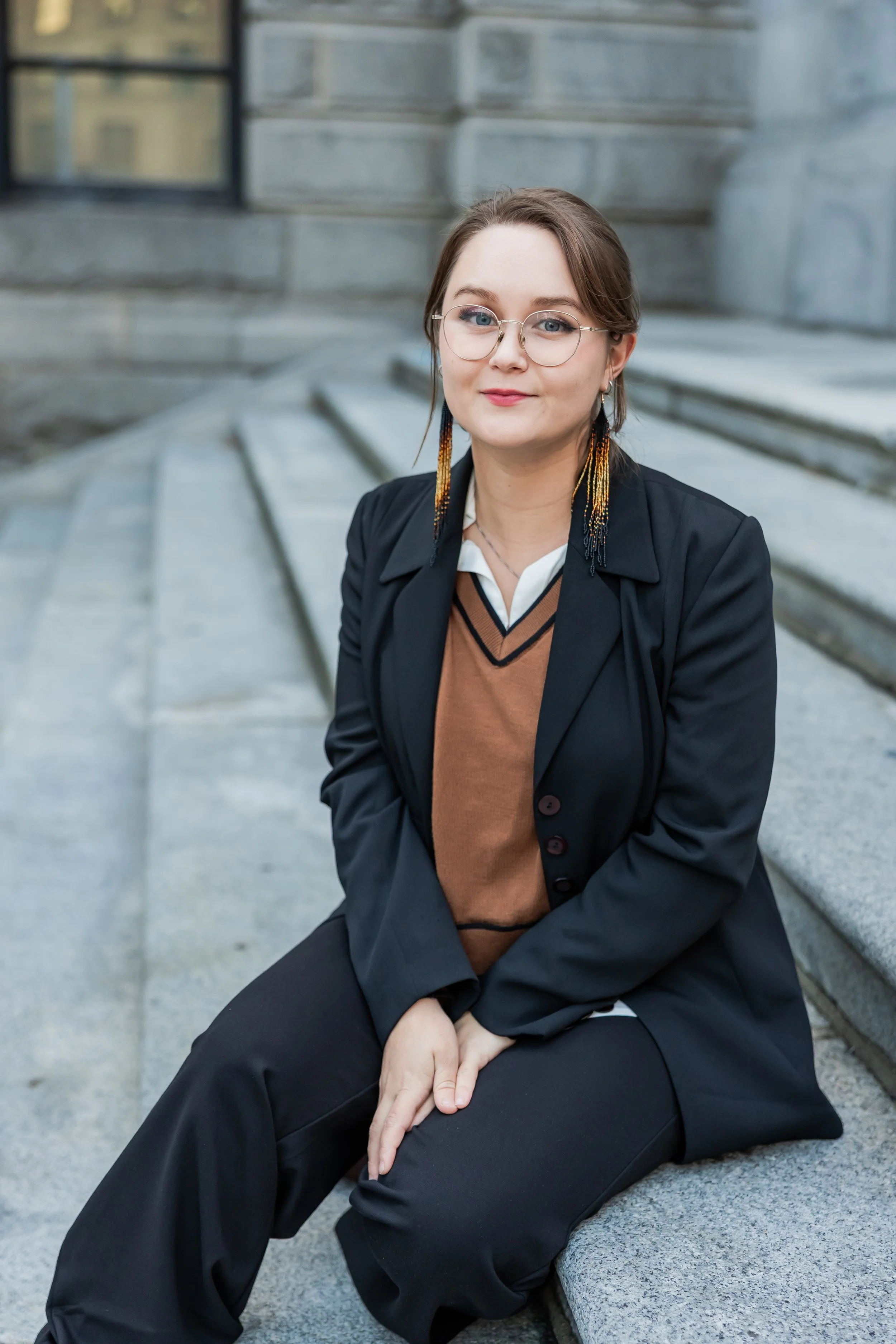
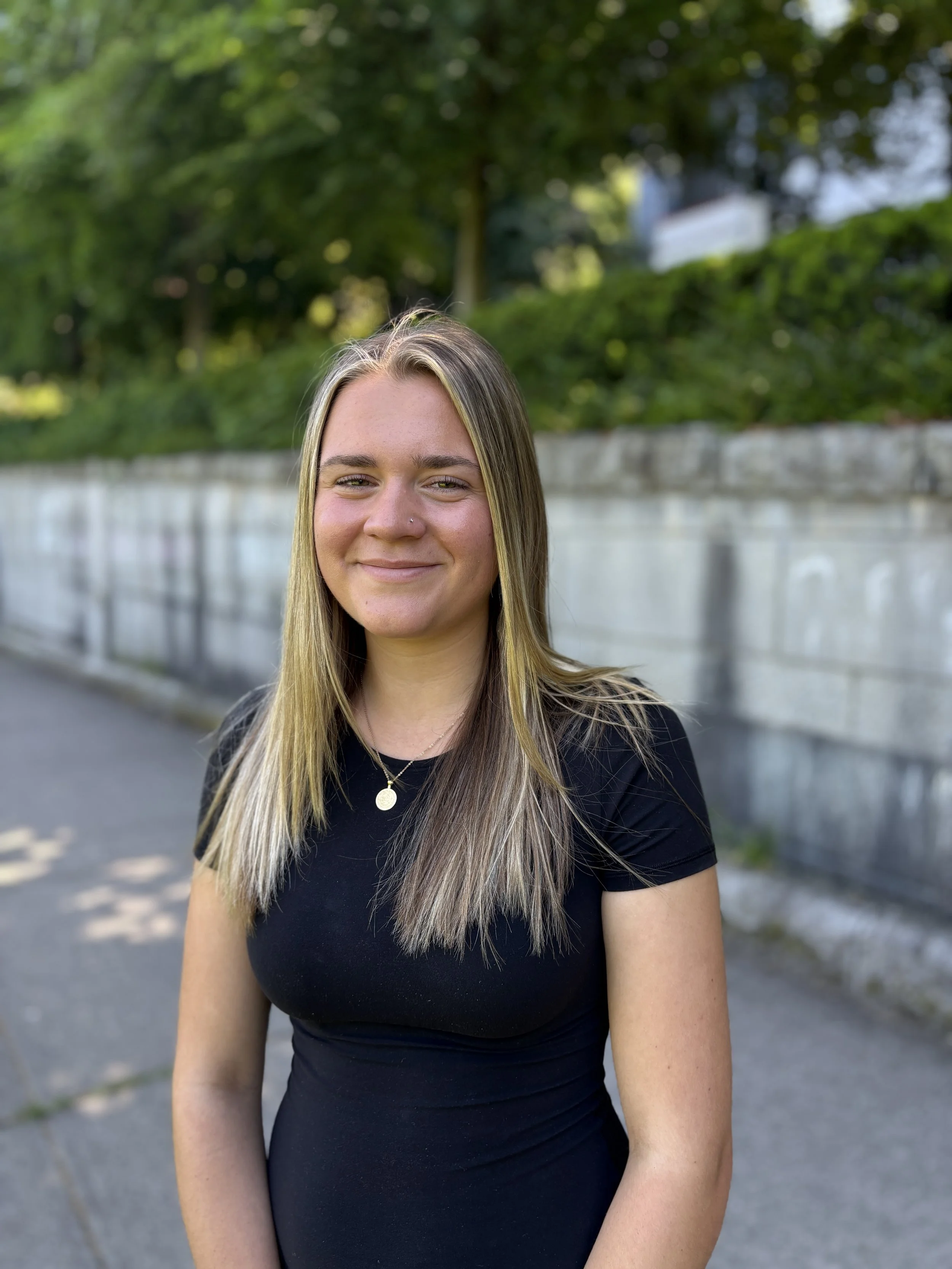
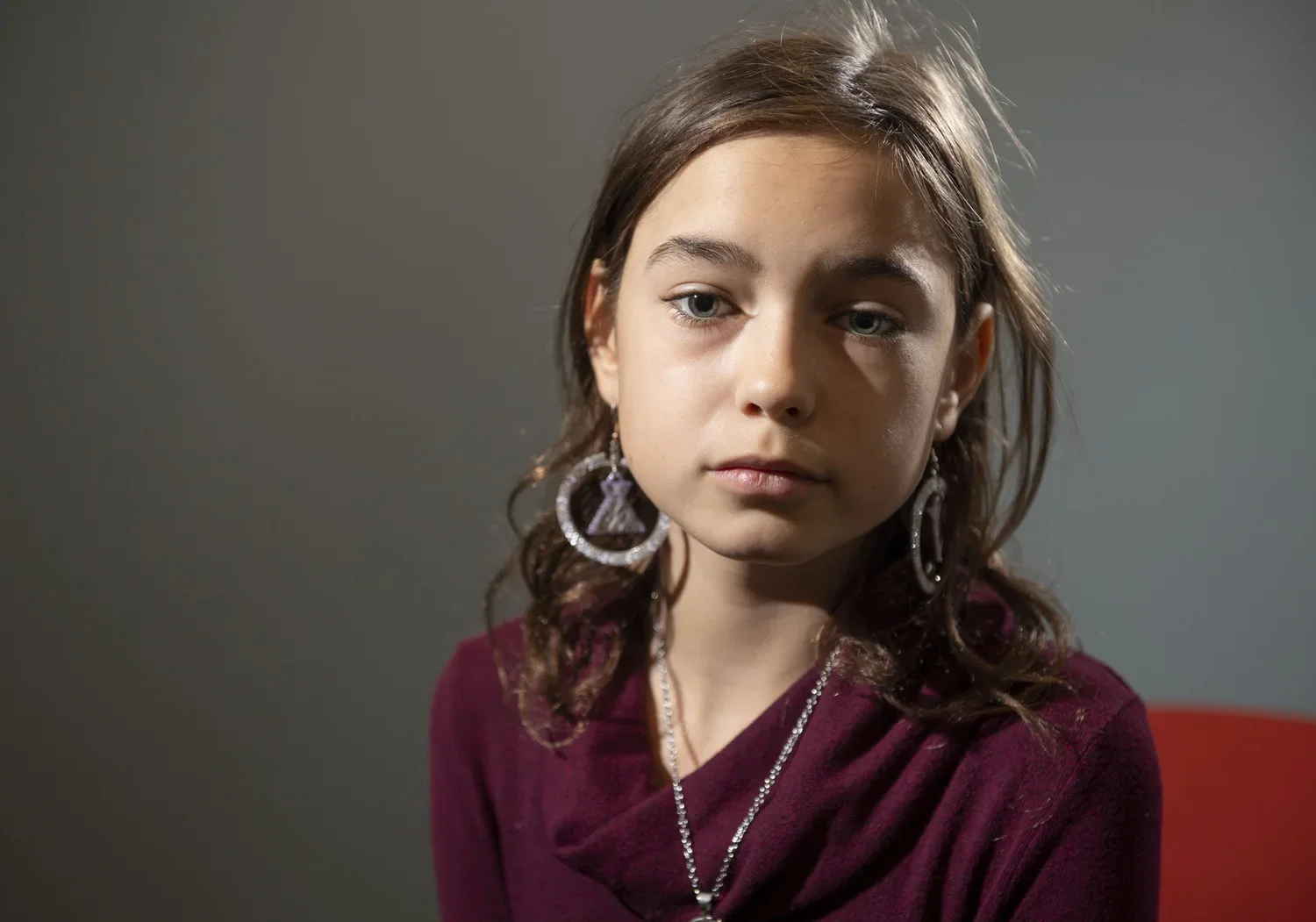
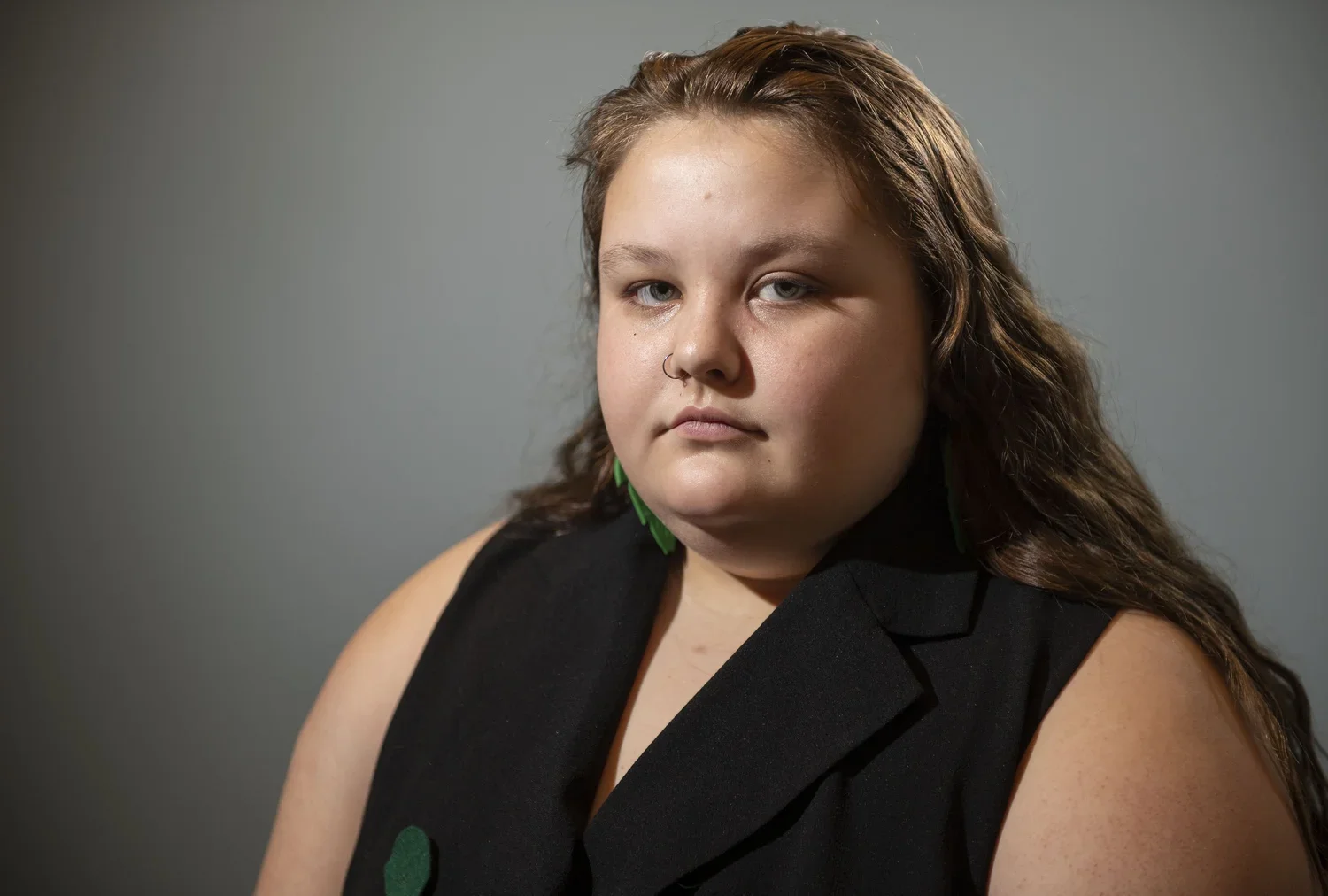
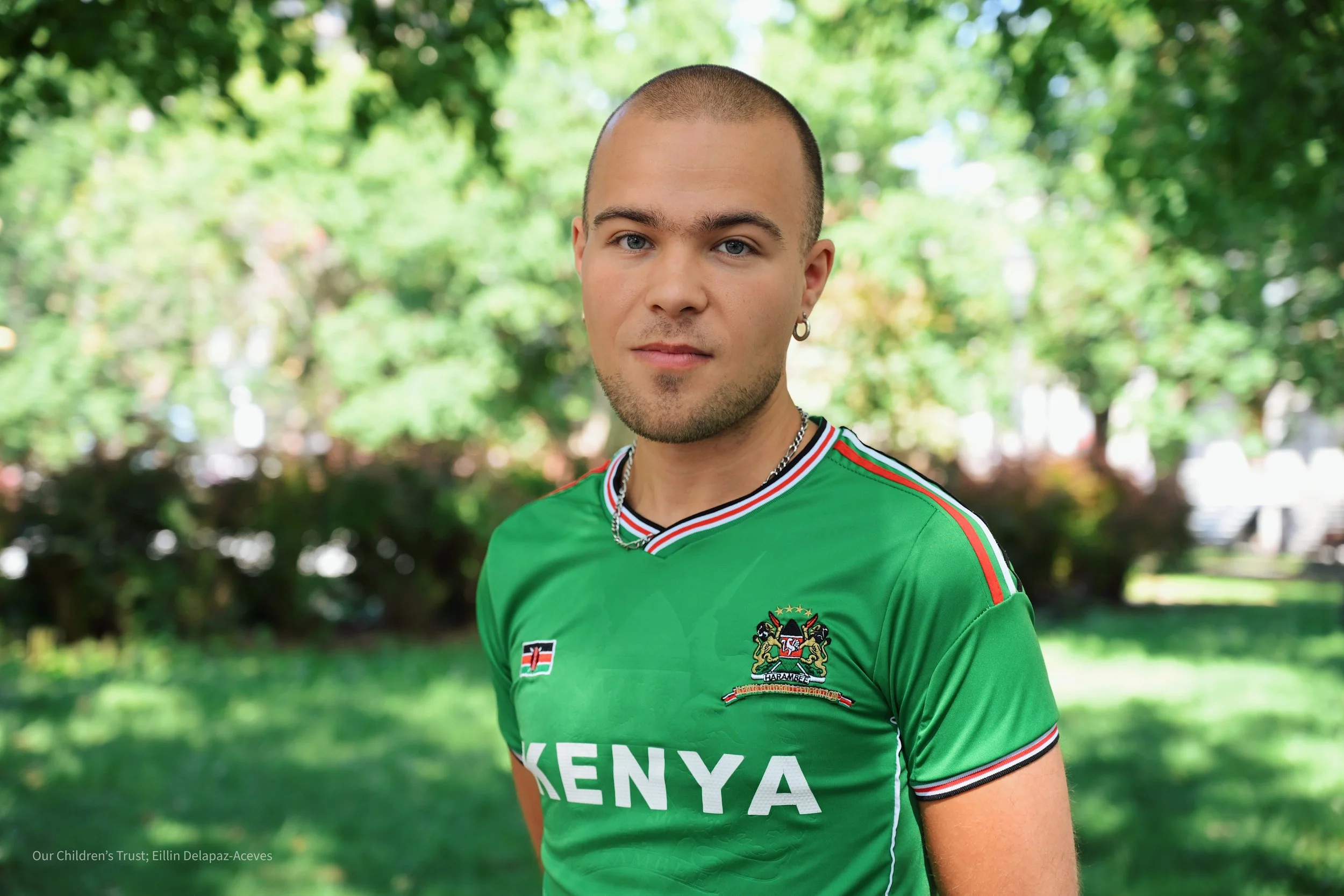
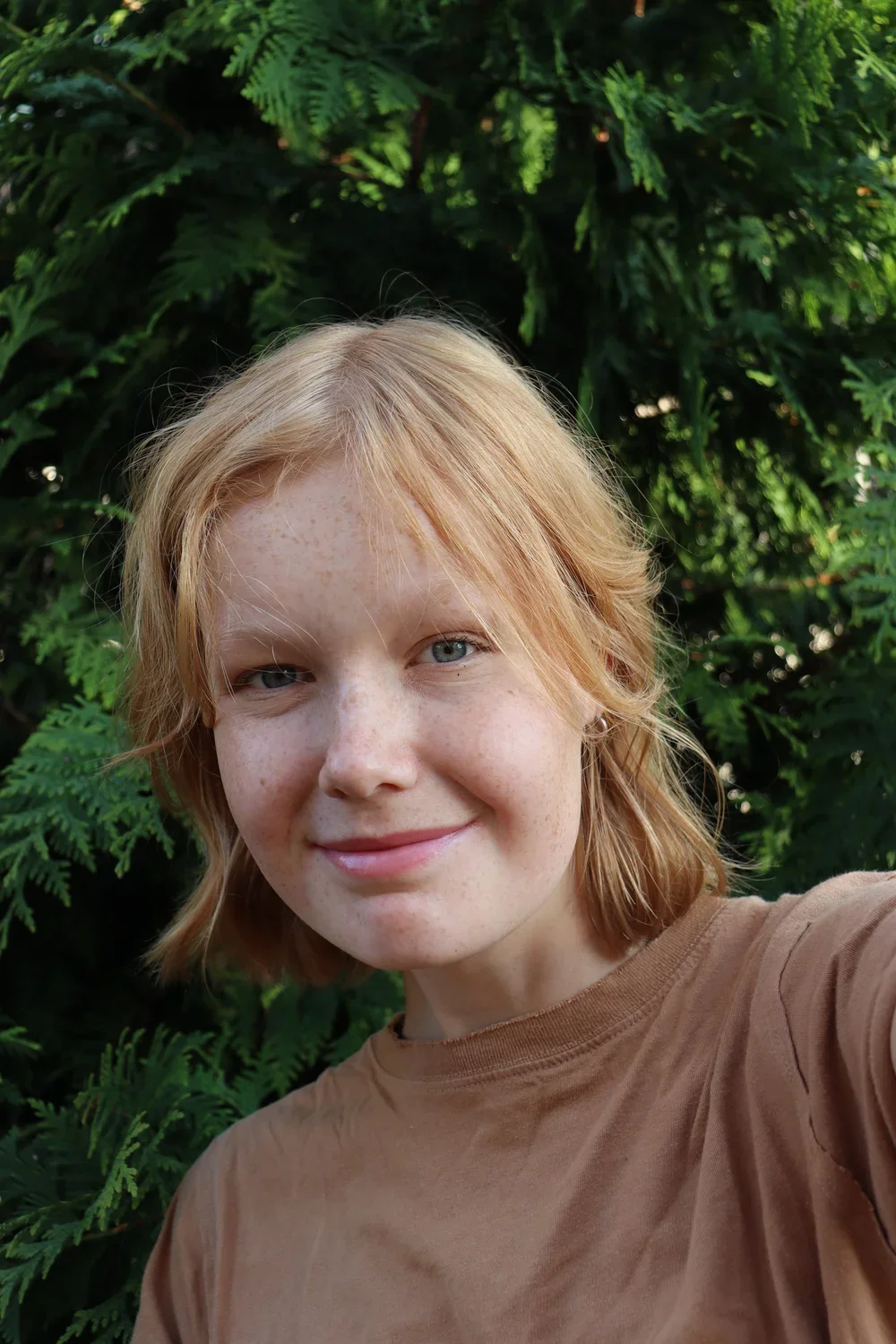
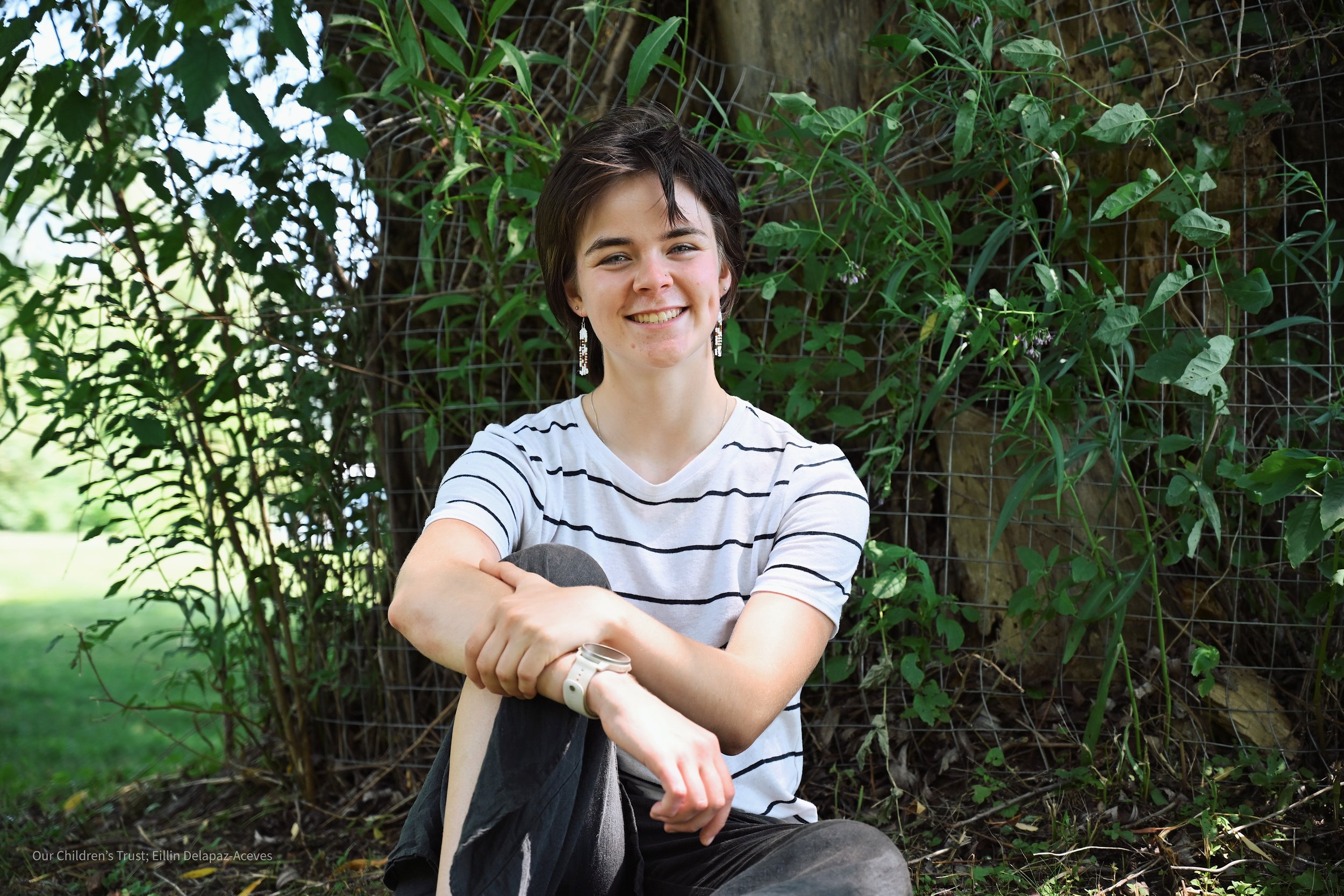
Meet the Youth Plaintiffs
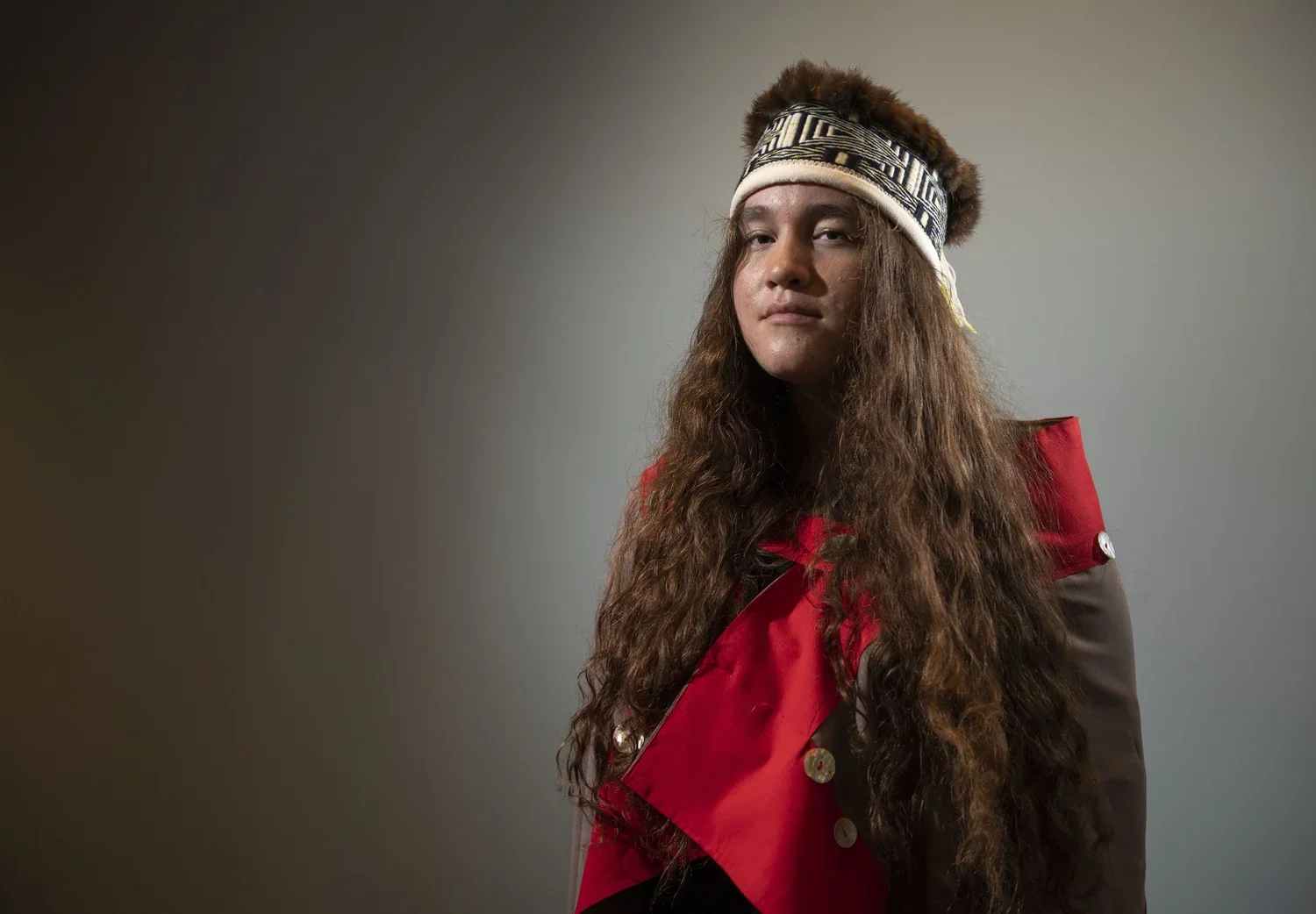
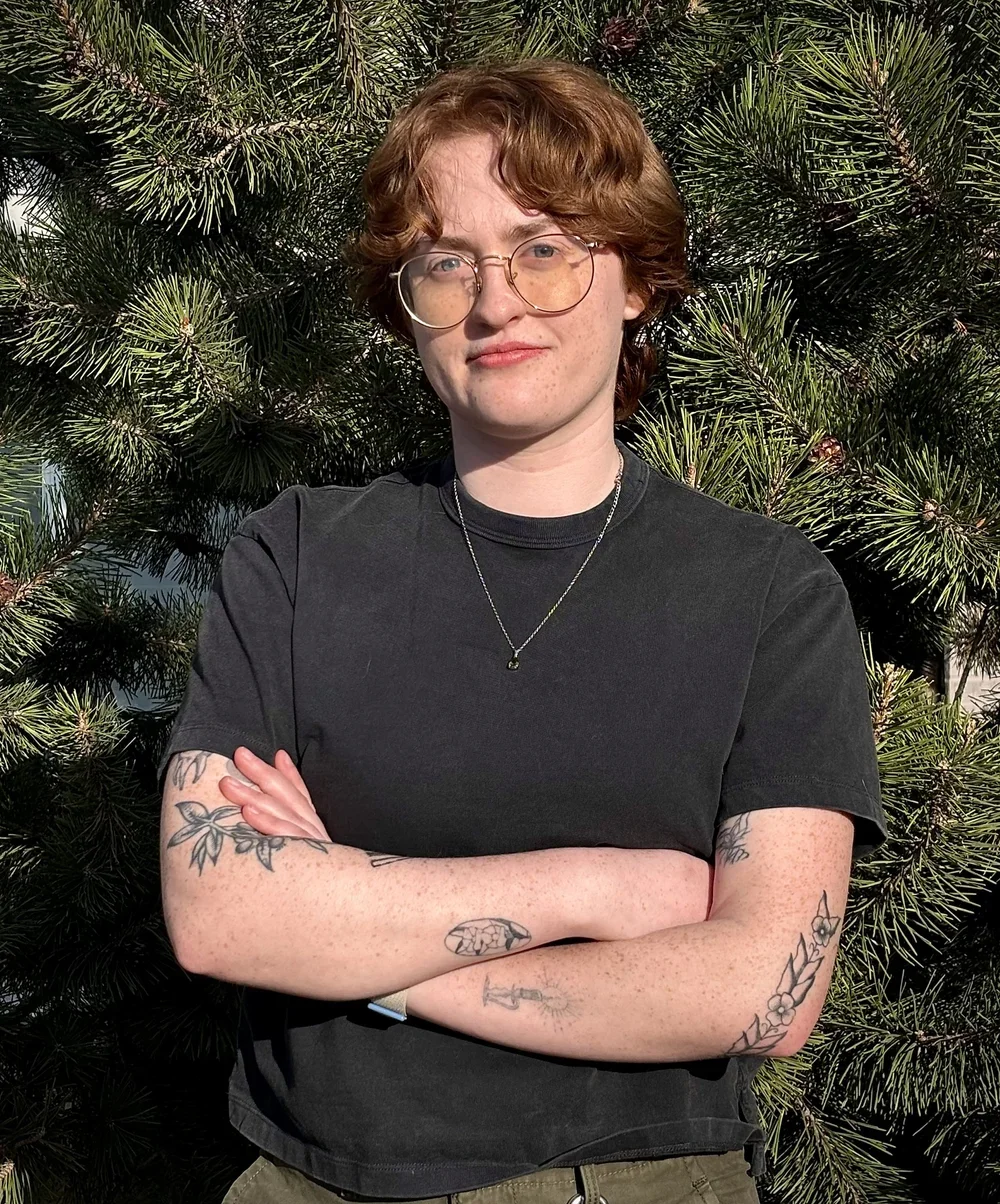
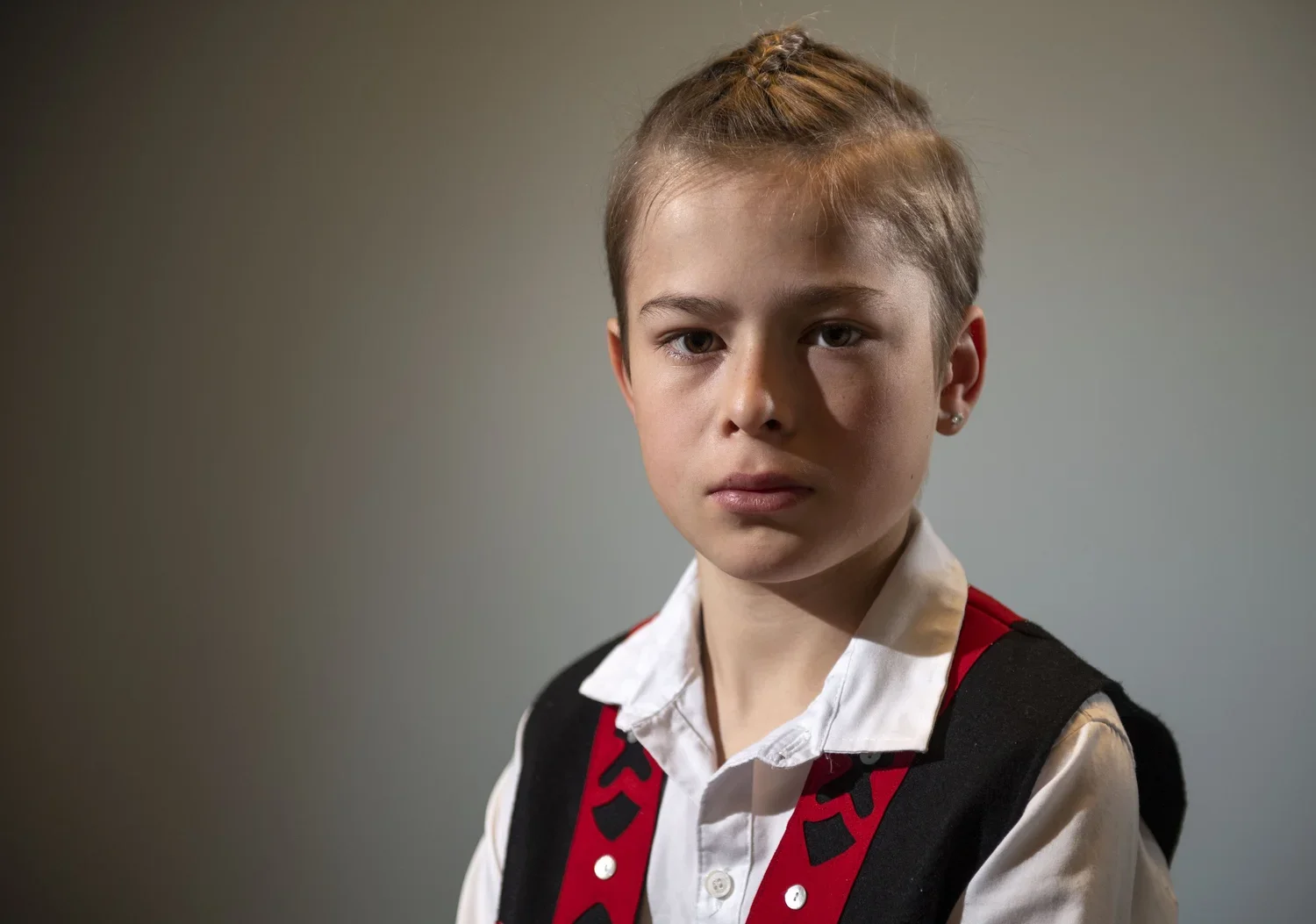
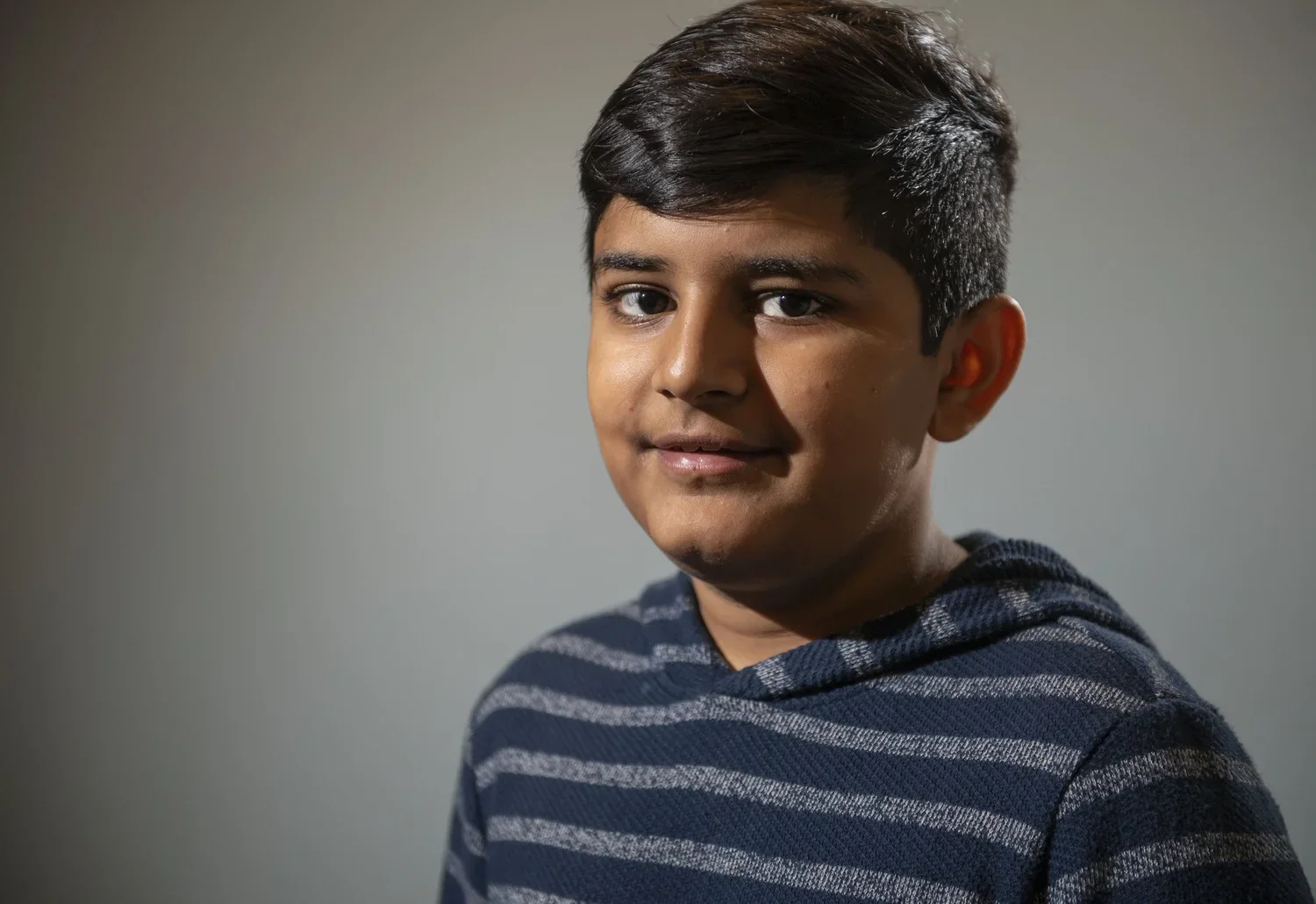
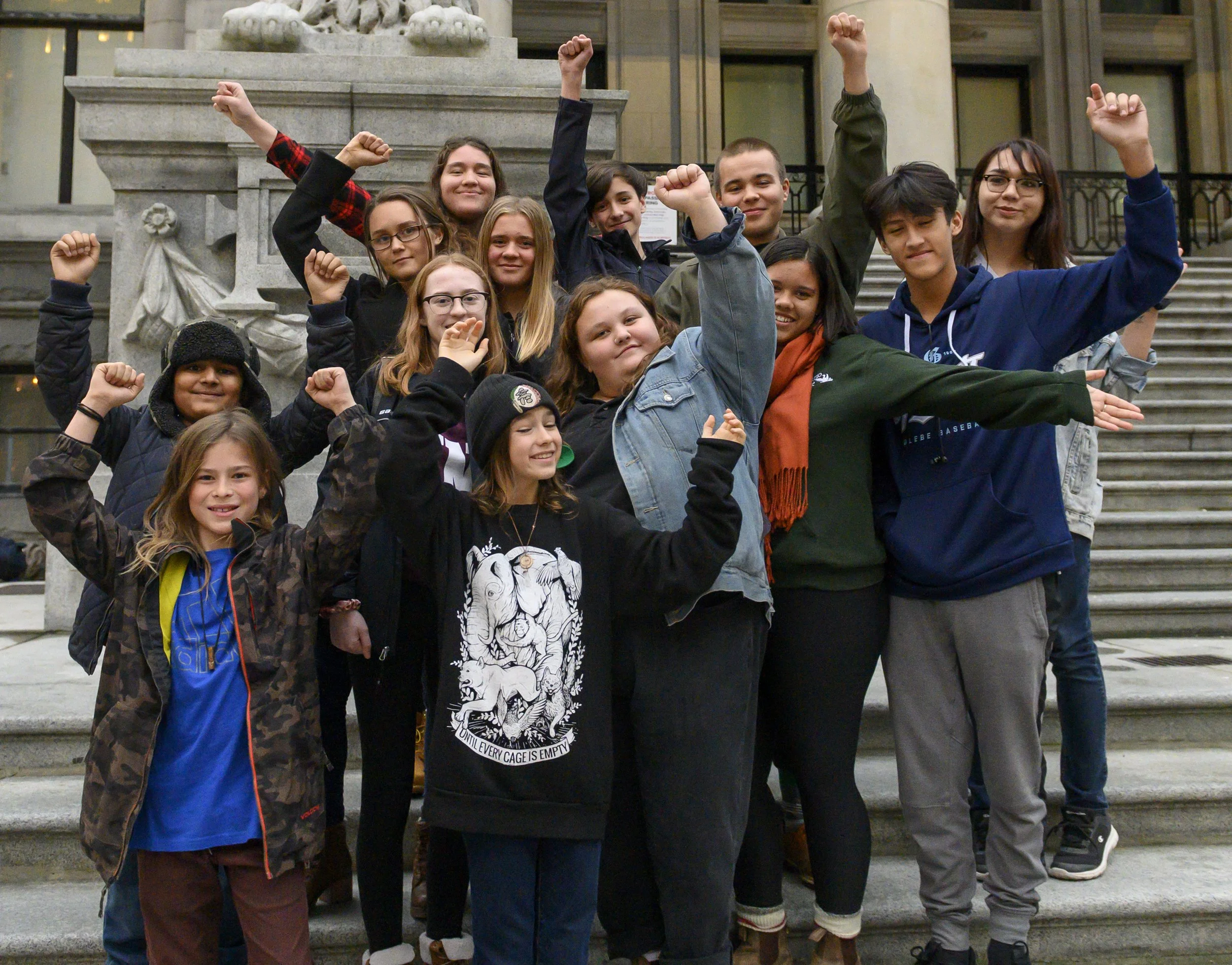
They come from communities across Canada. They have different backgrounds, experiences, and relationships with the land and climate. But they share something fundamental: they are growing up with the consequences of decisions they did not make.
Meet the young people who have spent years fighting to protect their constitutional rights and the futures of generations to come.
-
![]()
CECILIA L.
-
![]()
SIERRA RAINE R.
-
![]()
SOPHIA S.
-
![]()
ZOE G-W.
-
![]()
SAJ S.
-
![]()
HANNAH D.
-
![]()
LAUREN W.
-
![]()
MONTAY B-D.
-
![]()
MIKAEEL M.
-
![]()
MADELINE P-L.
-
![]()
ALBERT L.
-
![]()
SADIE V.
-
![]()
KIRA Y.
-
![]()
LEANDREA R.
PRESS + MEDIA
COVERING LA ROSE?
Find everything you need to cover this historic trial, including case background, key documents, plaintiff and attorney information, photos, press releases, and media contacts.
-
-
Read the latest announcements and official updates from Our Children's Trust and West Coast Environmental Law.
October 26, 2026
October 30, 2026
First Week of Historic Youth Climate Trial Brings Plaintiffs, Scientists, and Doctors to the Stand
November 6, 2026
MEDIA INQUIRIES
Are you a journalist covering the trial or looking to interview a plaintiff, attorney, or expert? Contact our media teams:
Helen Britto, Our Children’s Trust Communications Director
Ben Dodd, West Coast Environmental Law Director of Communications
LA ROSE IN THE NEWS
Read the latest news coverage of the case from Canada and around the world.
-
![]()
-
![]()
Environment Journal
-
![]()
The McGill Daily
-
![]()
-
![]()
-
![]()
-
![]()
-
![]()
Canada's National Observer
-
![]()
-
![]()
New York Times
-
![]()
CBC Listen
-
![]()
-
![]()
-
![]()
BCIT News
-
![]()
Climate in the Courts
-
![]()
CBC British Columbia
-
![]()
Inside Climate News
-
![]()
Canada's National Observer
-
![]()
-
![]()
Open Legal Blog Archive
-
![]()
EcoJustice Blog
-
![]()
-
![]()
The Castlegar Source
-
![]()
-
![]()
-
![]()
-
![]()
-
![]()
CastaNet
-
![]()
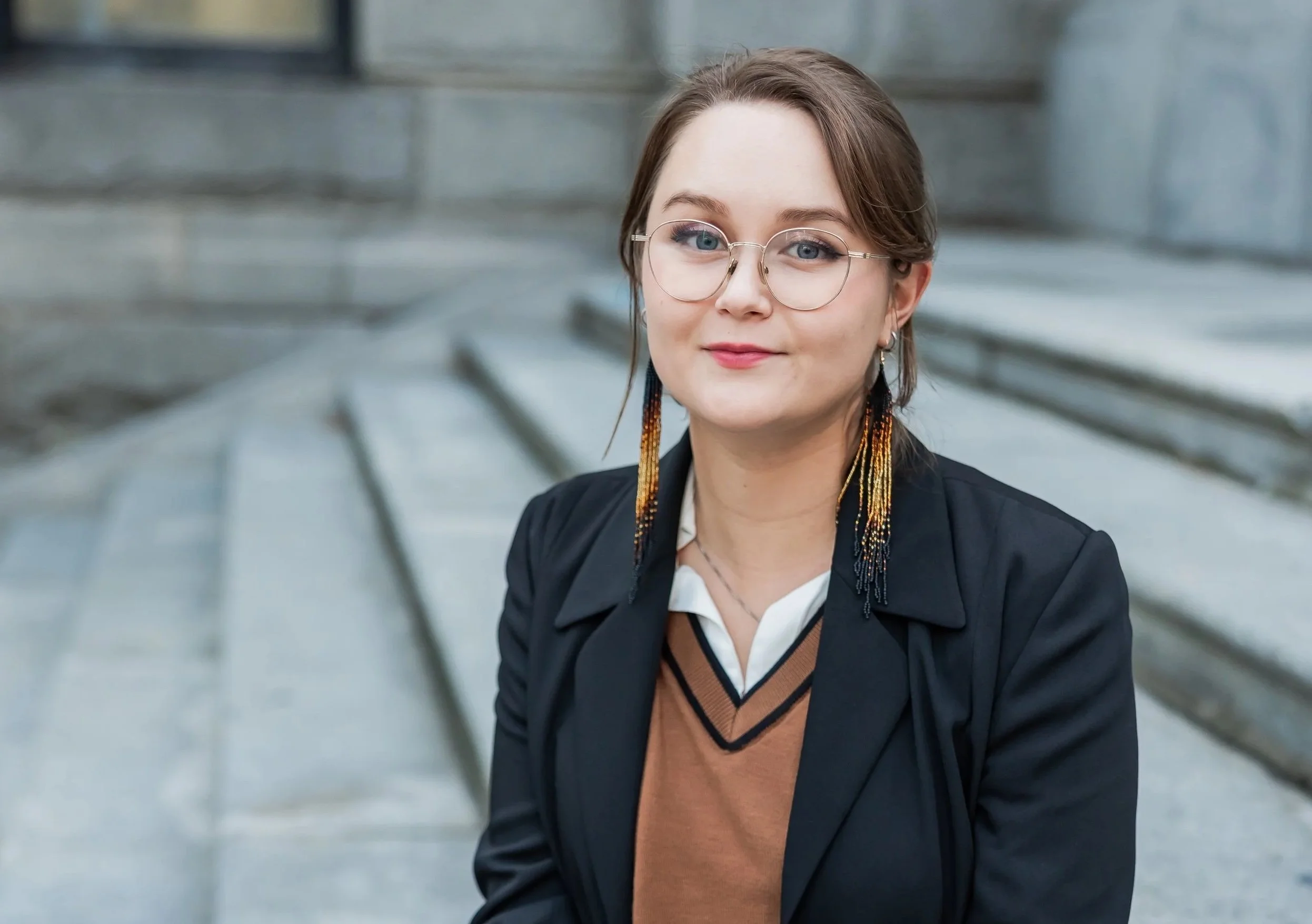
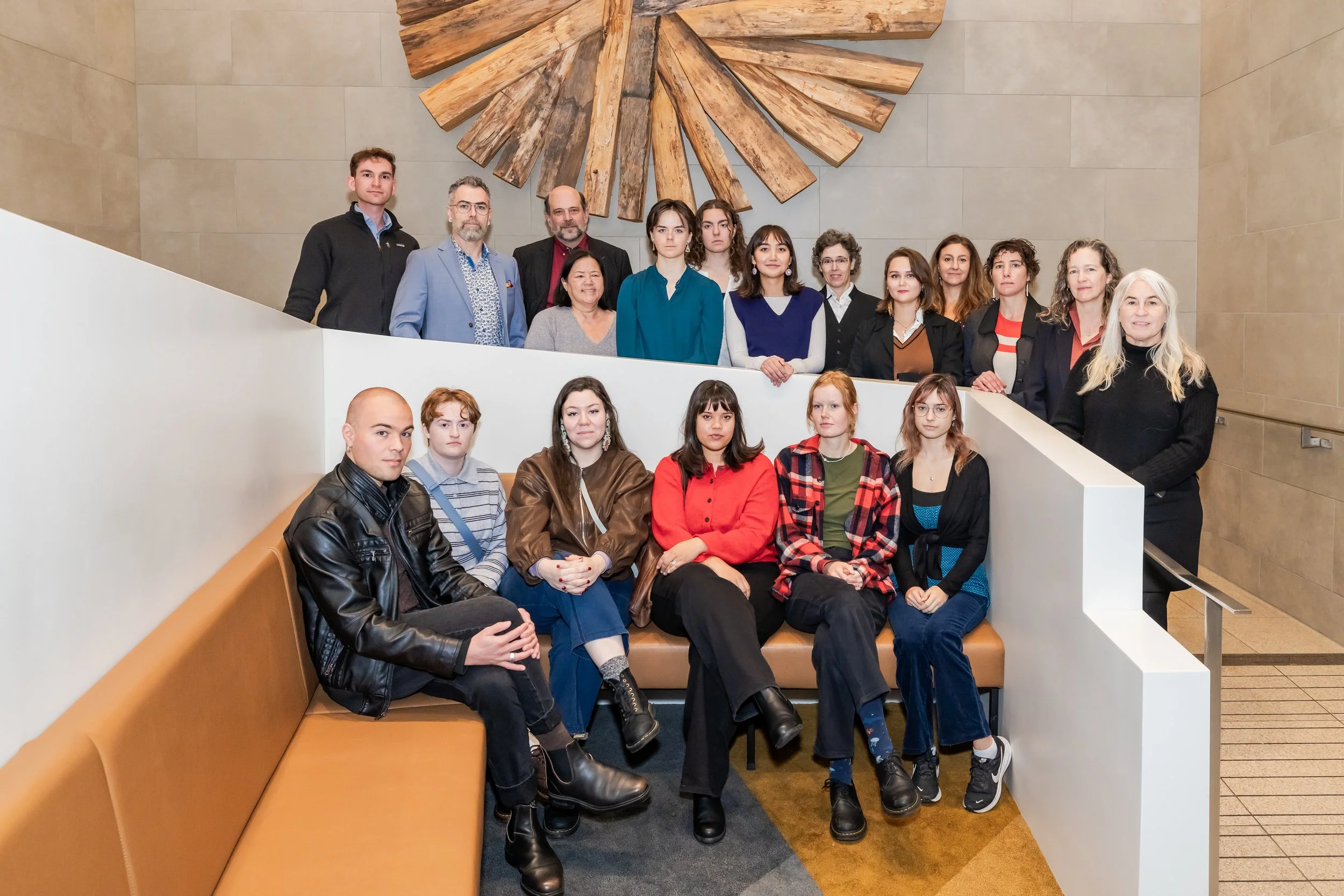
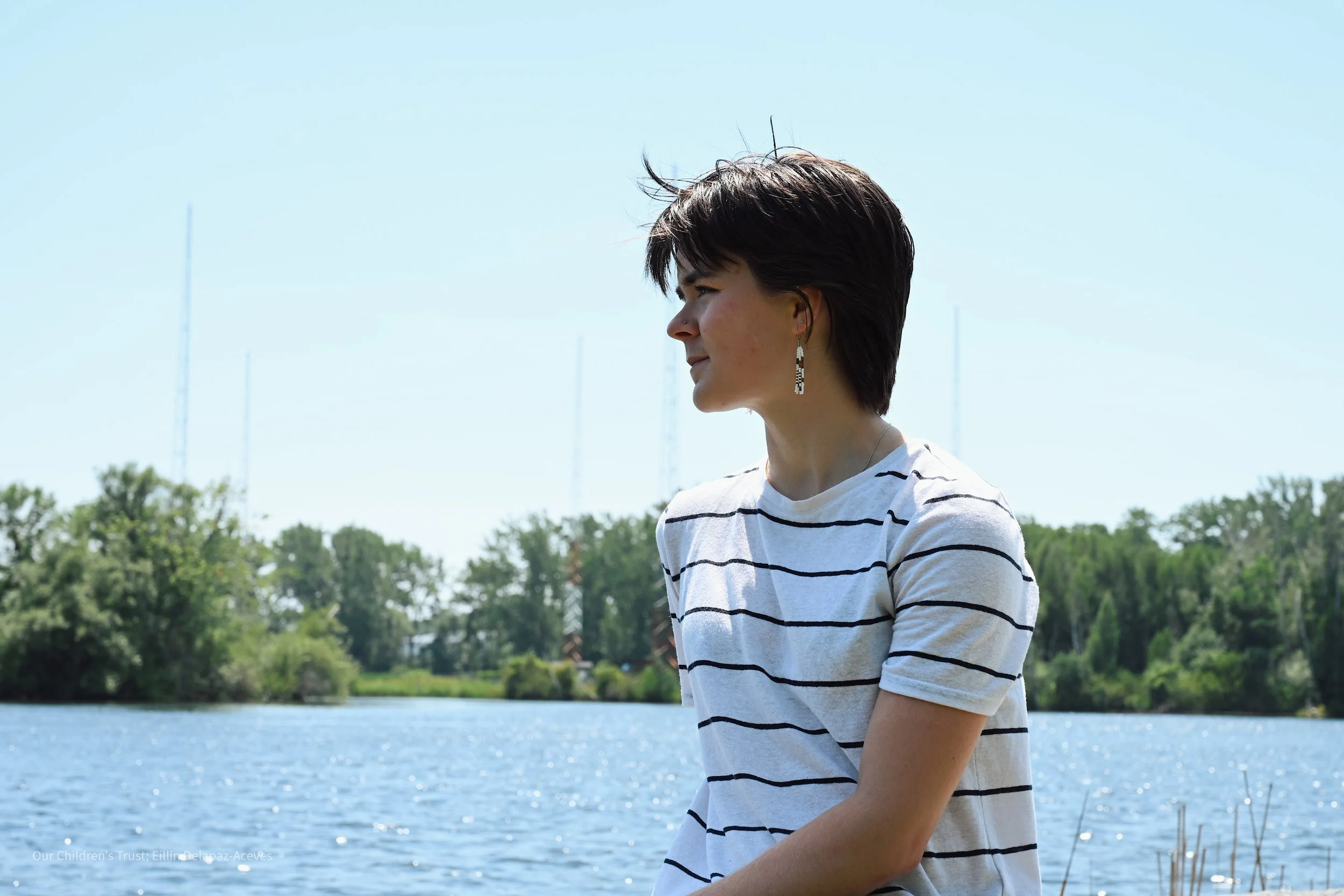
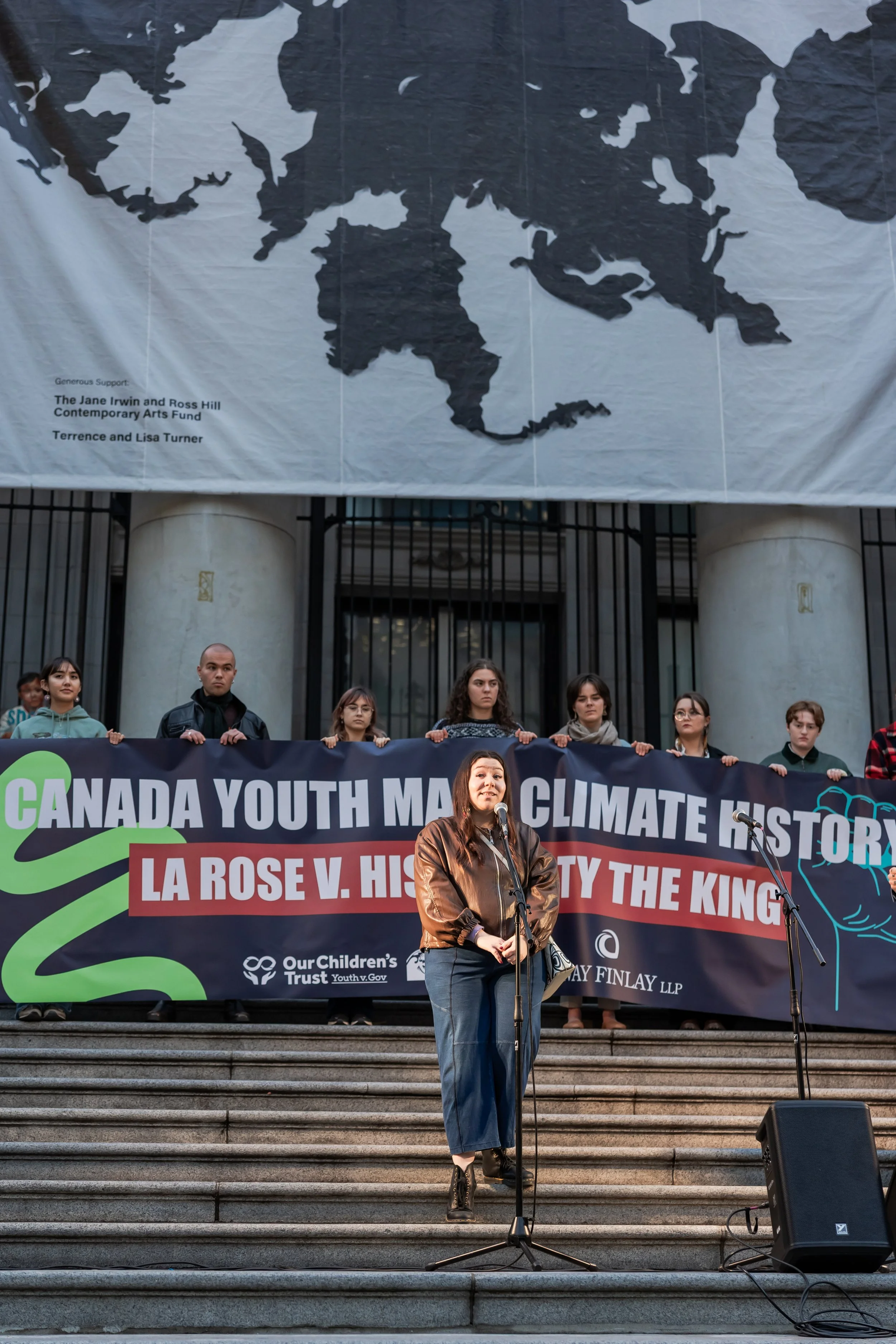
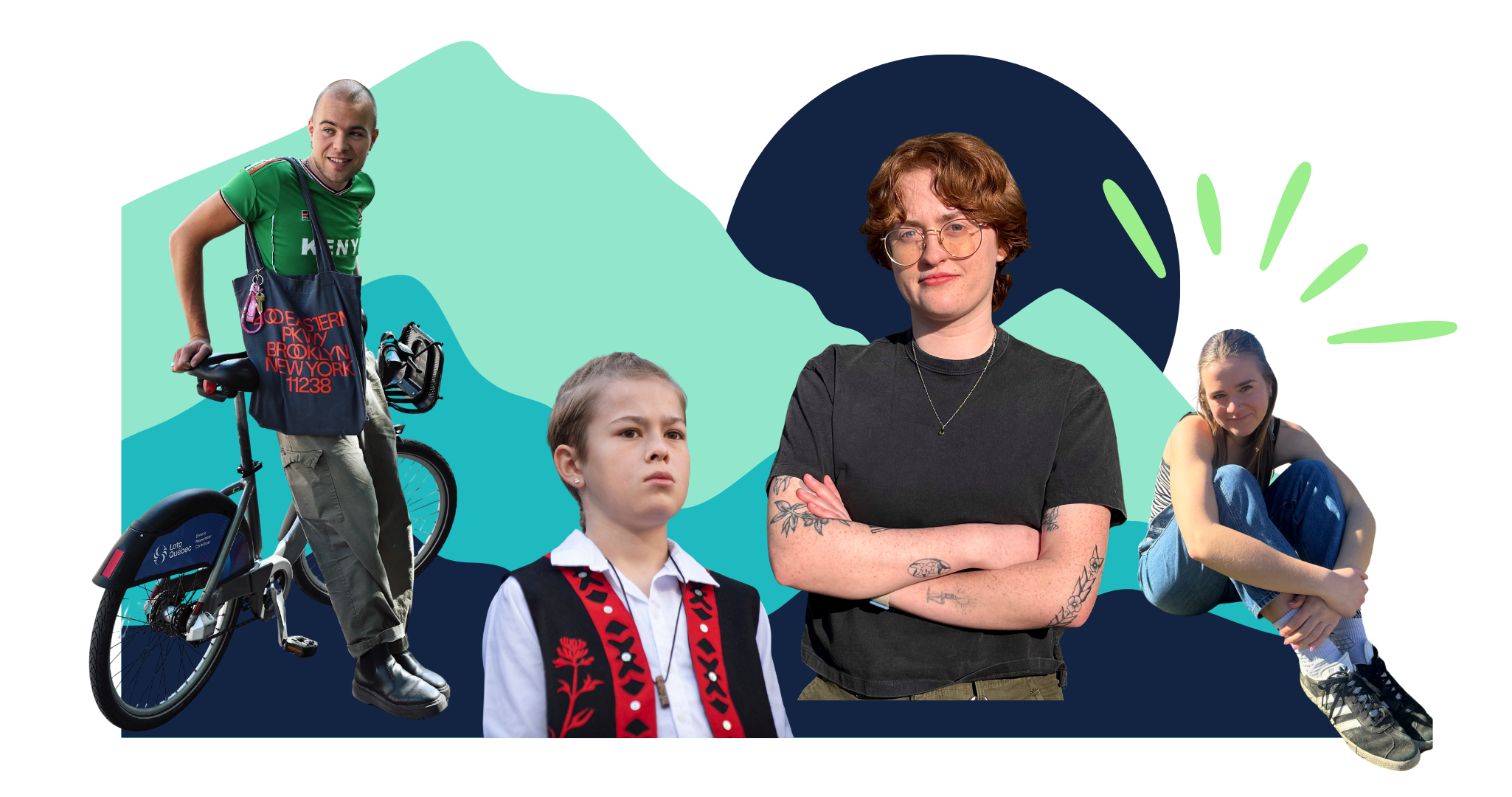
Beyond the Courtroom: Stories from La Rose
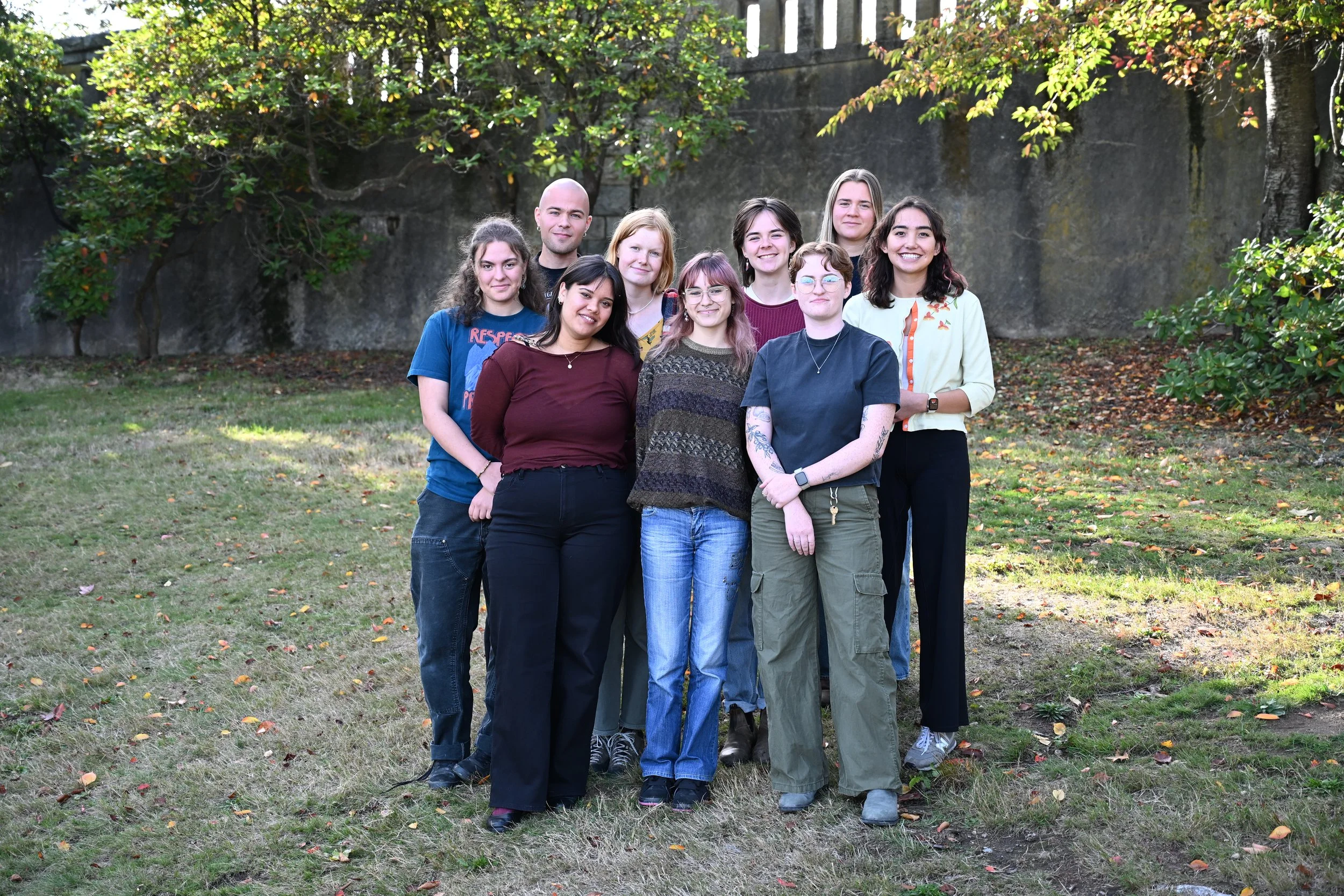
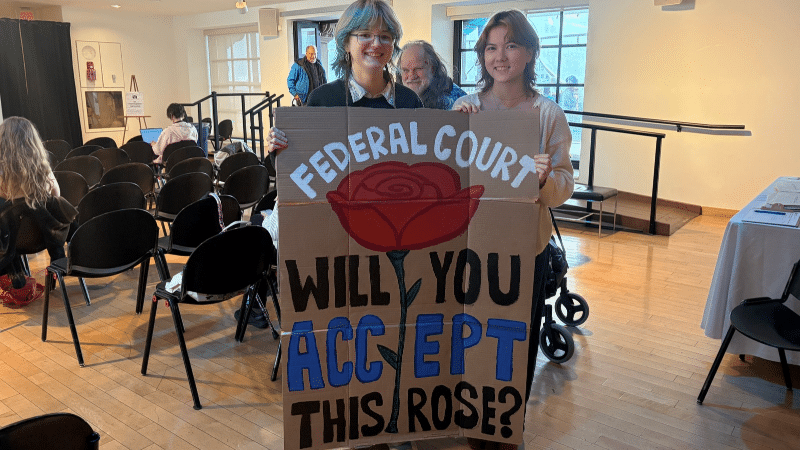
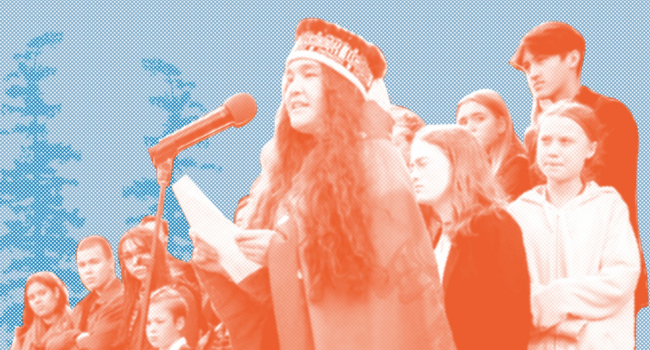
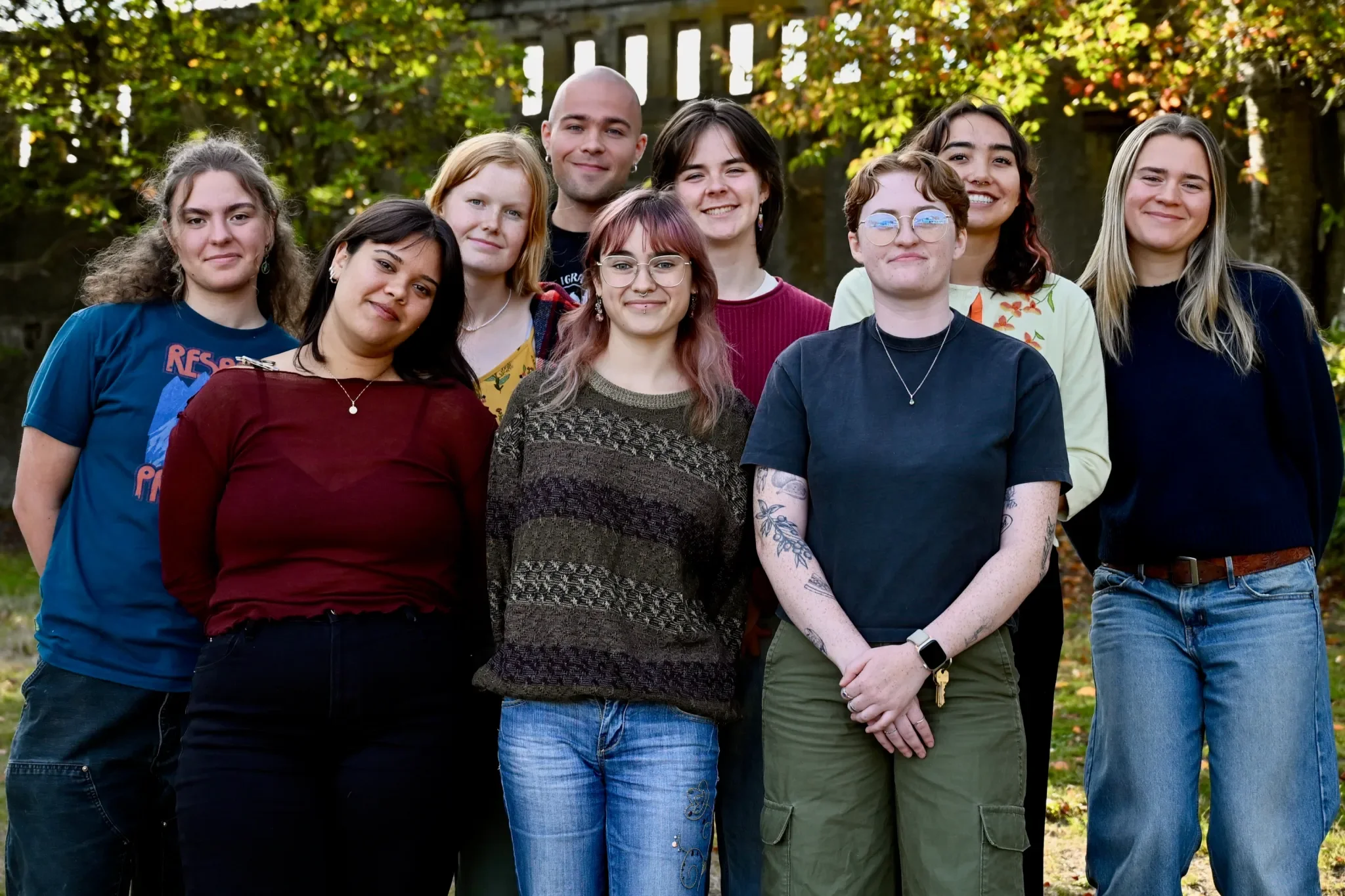
What does climate change look like in the lives of young Canadians? What does the science tell us? And what does it take to bring a constitutional climate case all the way to trial?
Explore blog stories from the young Canadians at the heart of the case, learn about the attorneys and constitutional issues behind the case, and understand the climate science and evidence at the center of trial.
-
![]()
-
![]()
-
![]()
-
![]()
-
![]()
-
![]()
BLOG
-
![]()
-
![]()
-
![]()
-
![]()
-
![]()
-
![]()

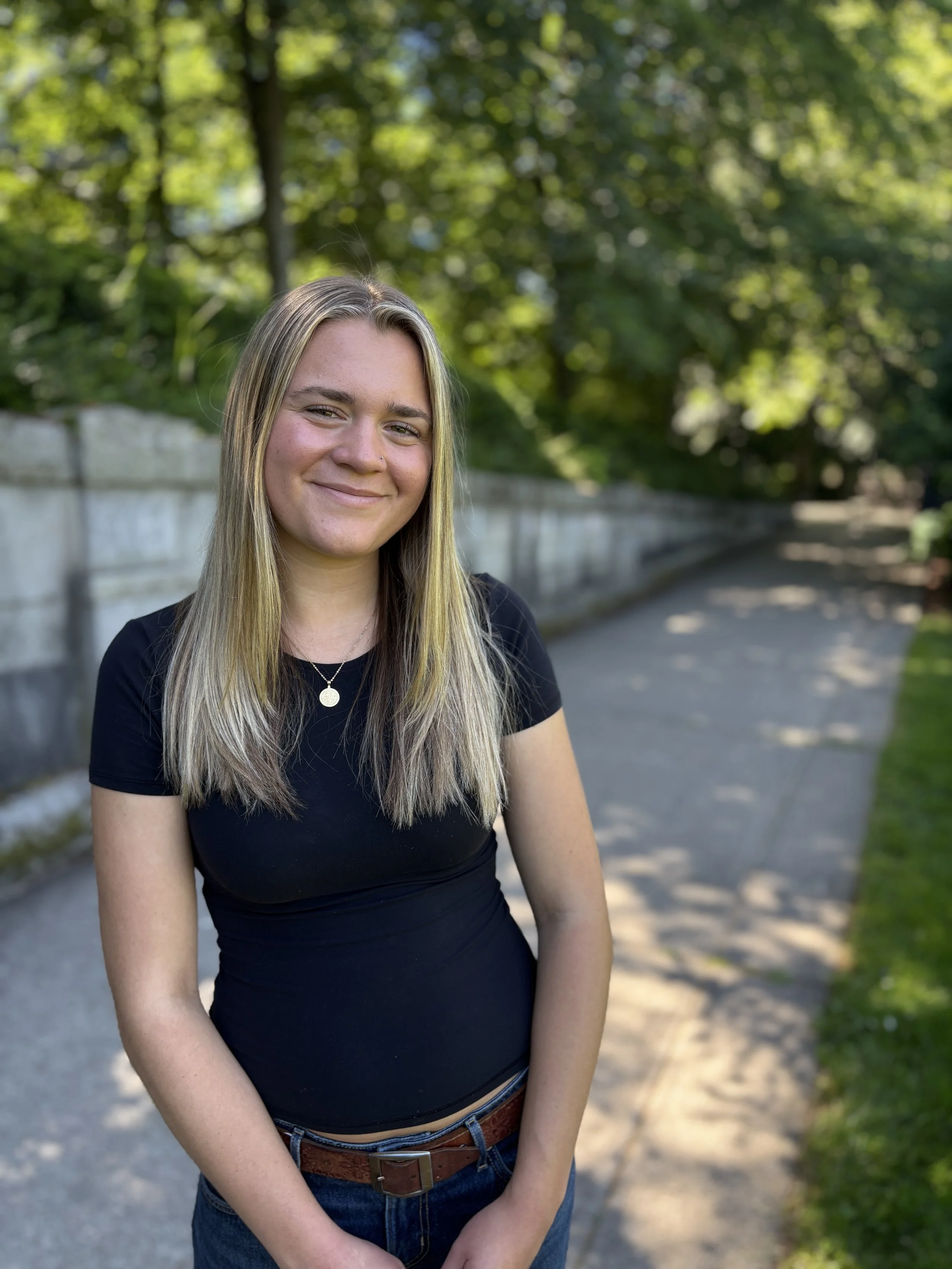
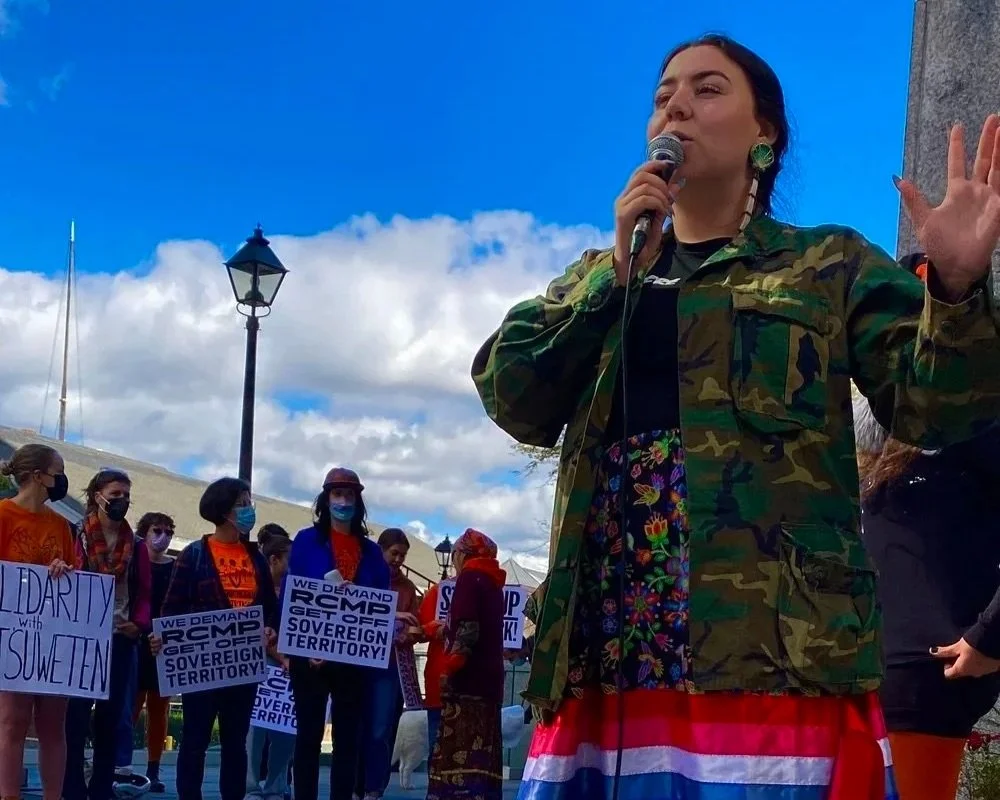
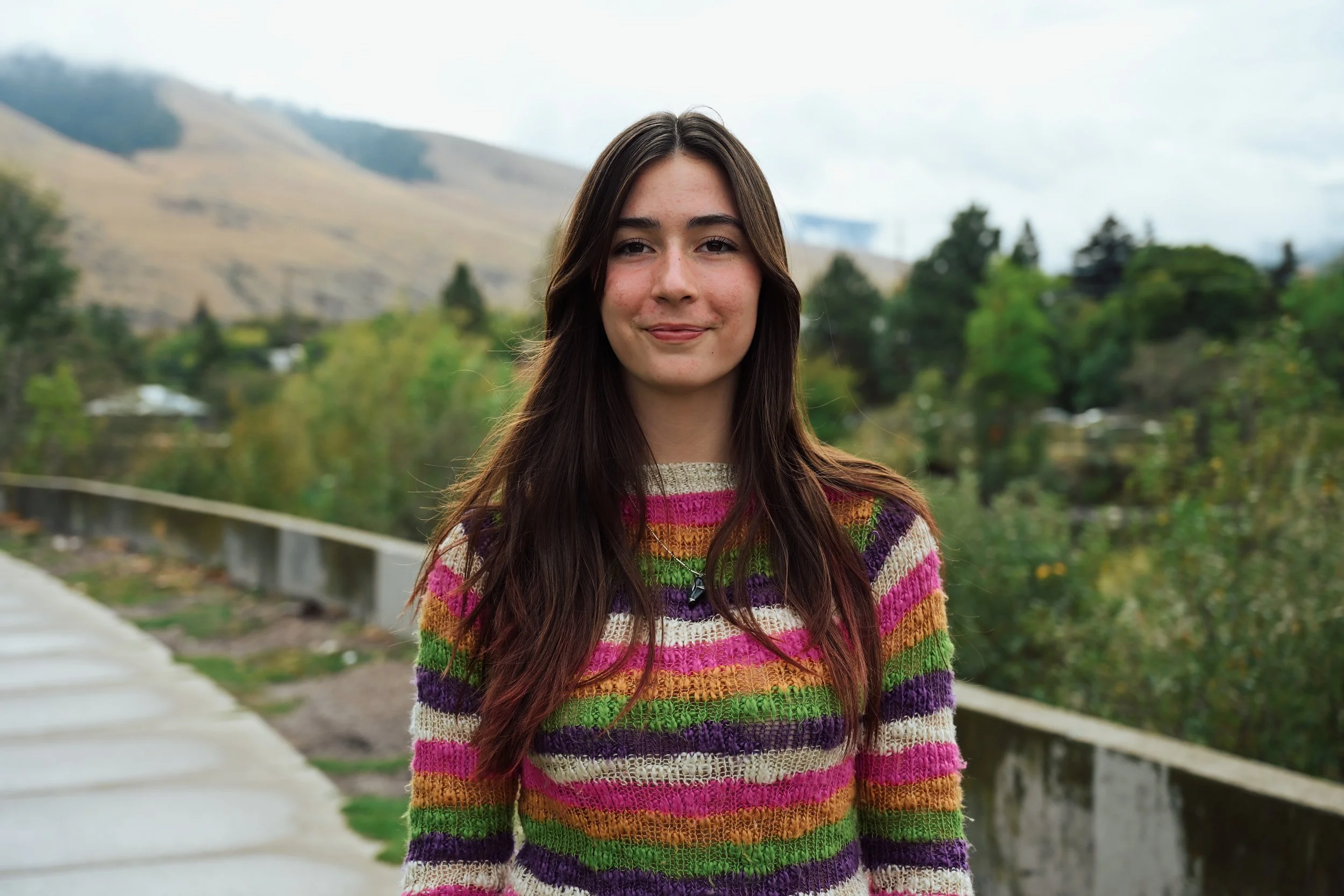
Teach La Rose
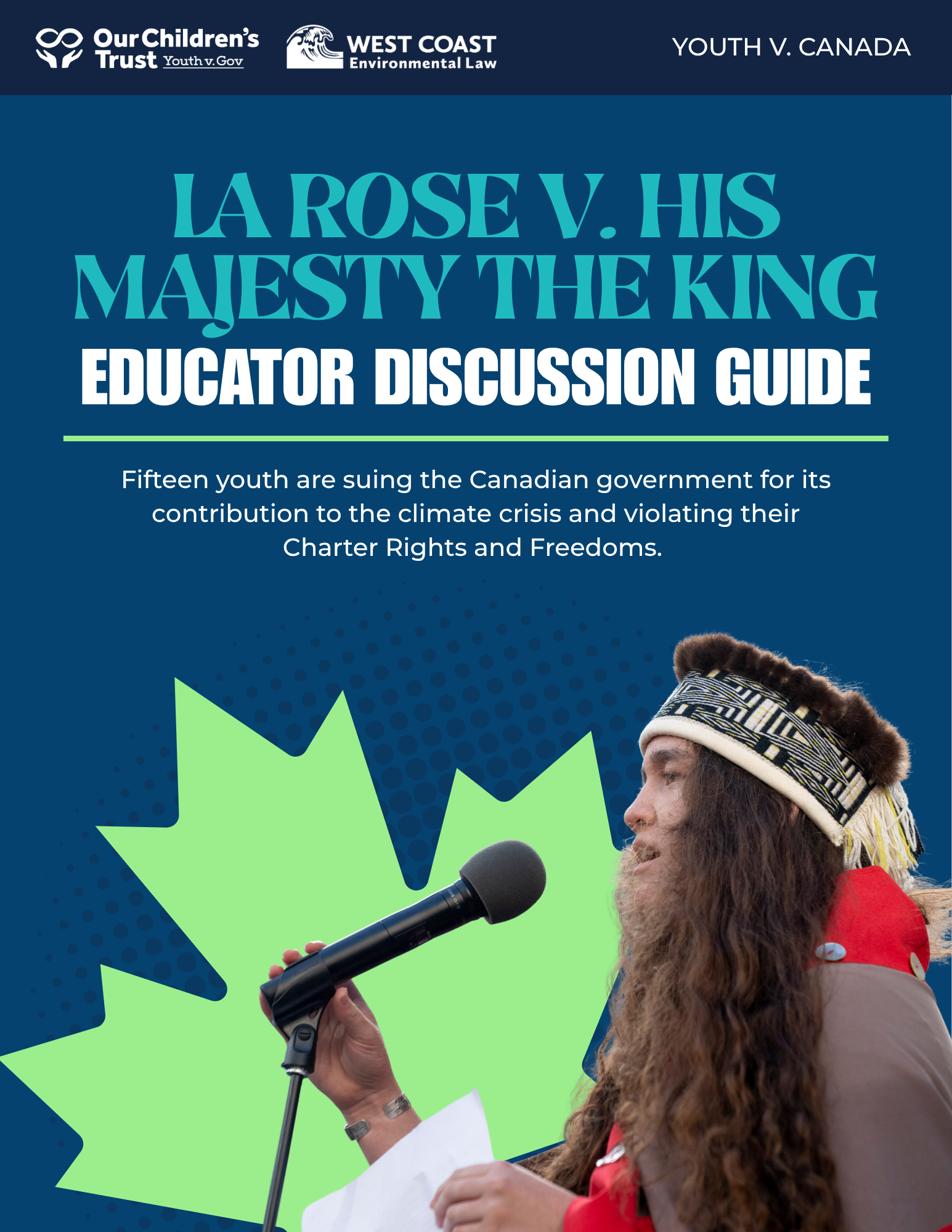
BRING YOUTH CLIMATE JUSTICE INTO THE CLASSROOM
La Rose gives students an opportunity to see constitutional rights, climate science, civic engagement, democracy, and the Canadian legal system unfold in real time.
Our educational resources help teachers and students explore the case, understand the issues before the Court, and connect what happens in the courtroom to the climate challenges young people experience in their own communities.
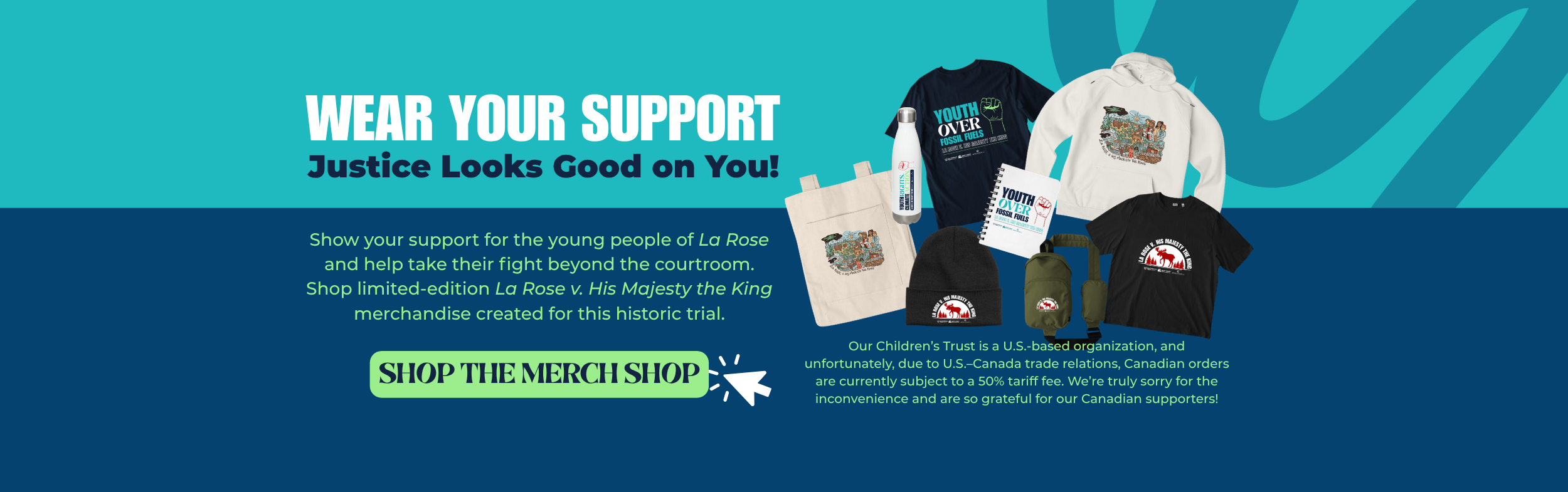
Standing With La Rose
This historic moment is bigger than any one organization. We invite individuals, organizations, businesses, educators, advocates, and supporters to add their names to our Wall of Support and stand in solidarity with the 15 youth plaintiffs in La Rose v. His Majesty the King.
Together, we can show these young people that a strong community stands with them as they make history.
COALITION OF SUPPORTERS
We’re so grateful to our coalition of supporters. Being part of the Coalition of Supporters can look different for every organization. We welcome organizations that stand with the youth plaintiffs and bring their communities into the moment. If you would like to be part of the Coalition of Supporters, please email eillin@ourchildrenstrust.org with your name, organization’s name, and logo.
Below is the list of the organizations that are part of the Coalition of Supporters.


















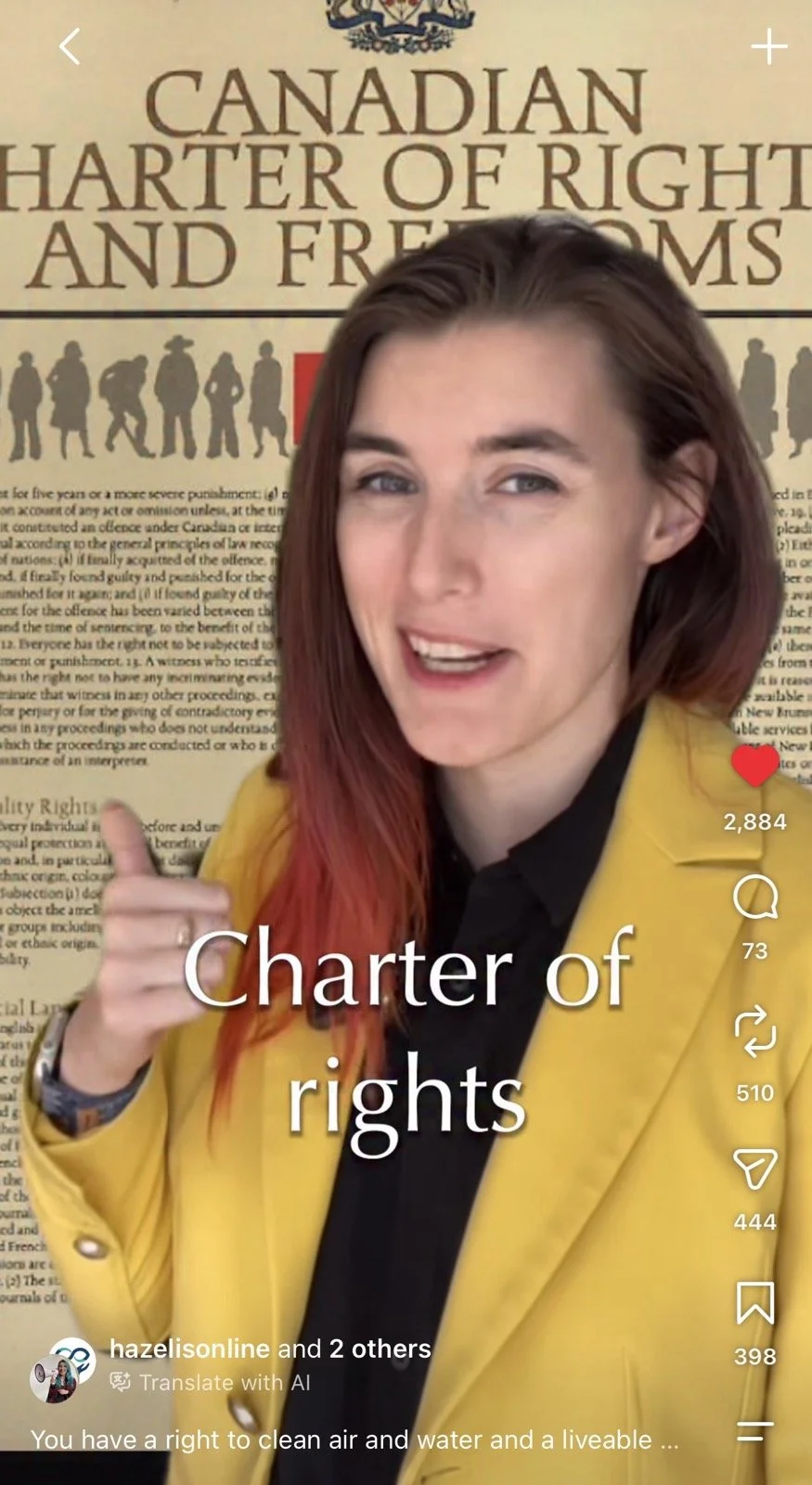
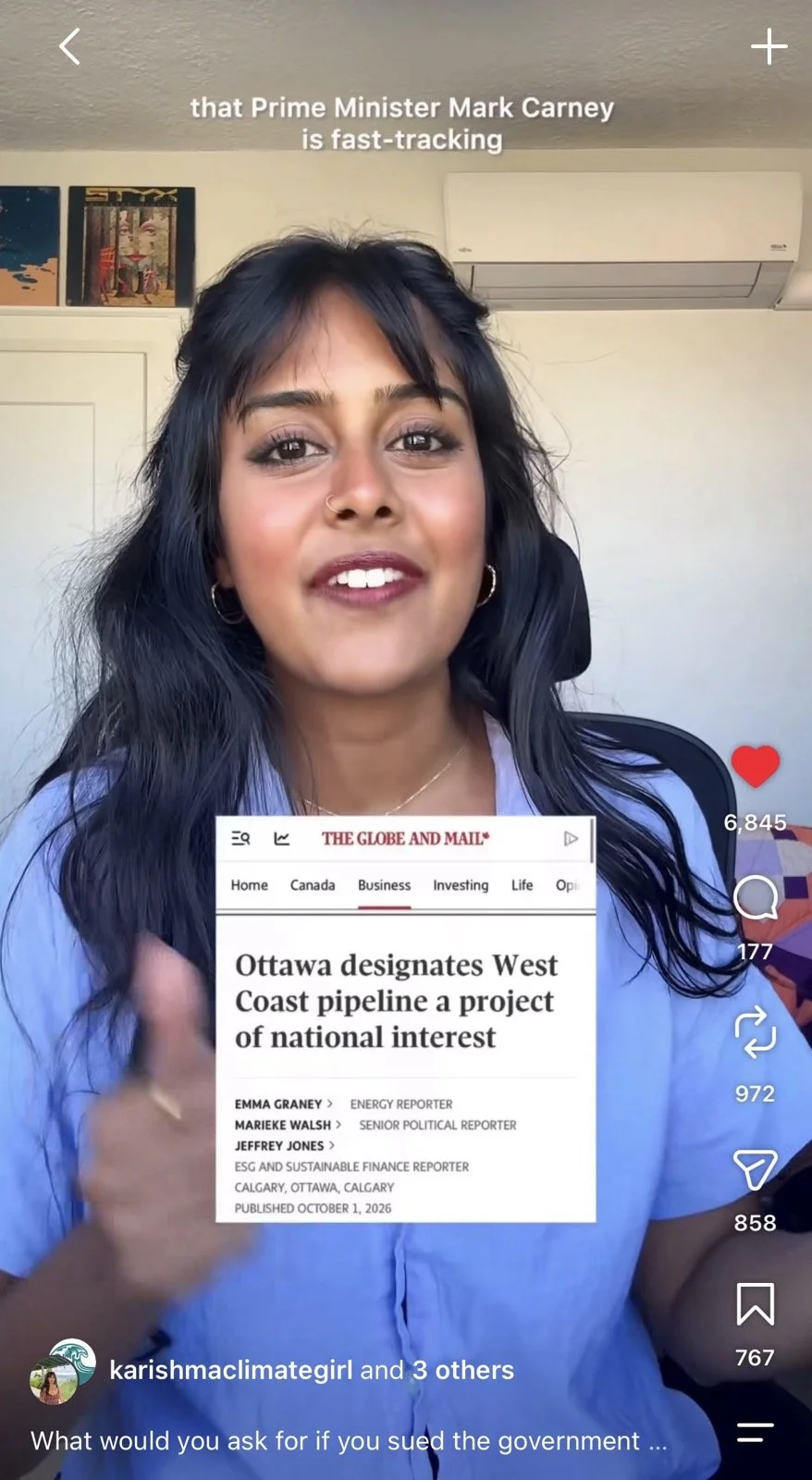
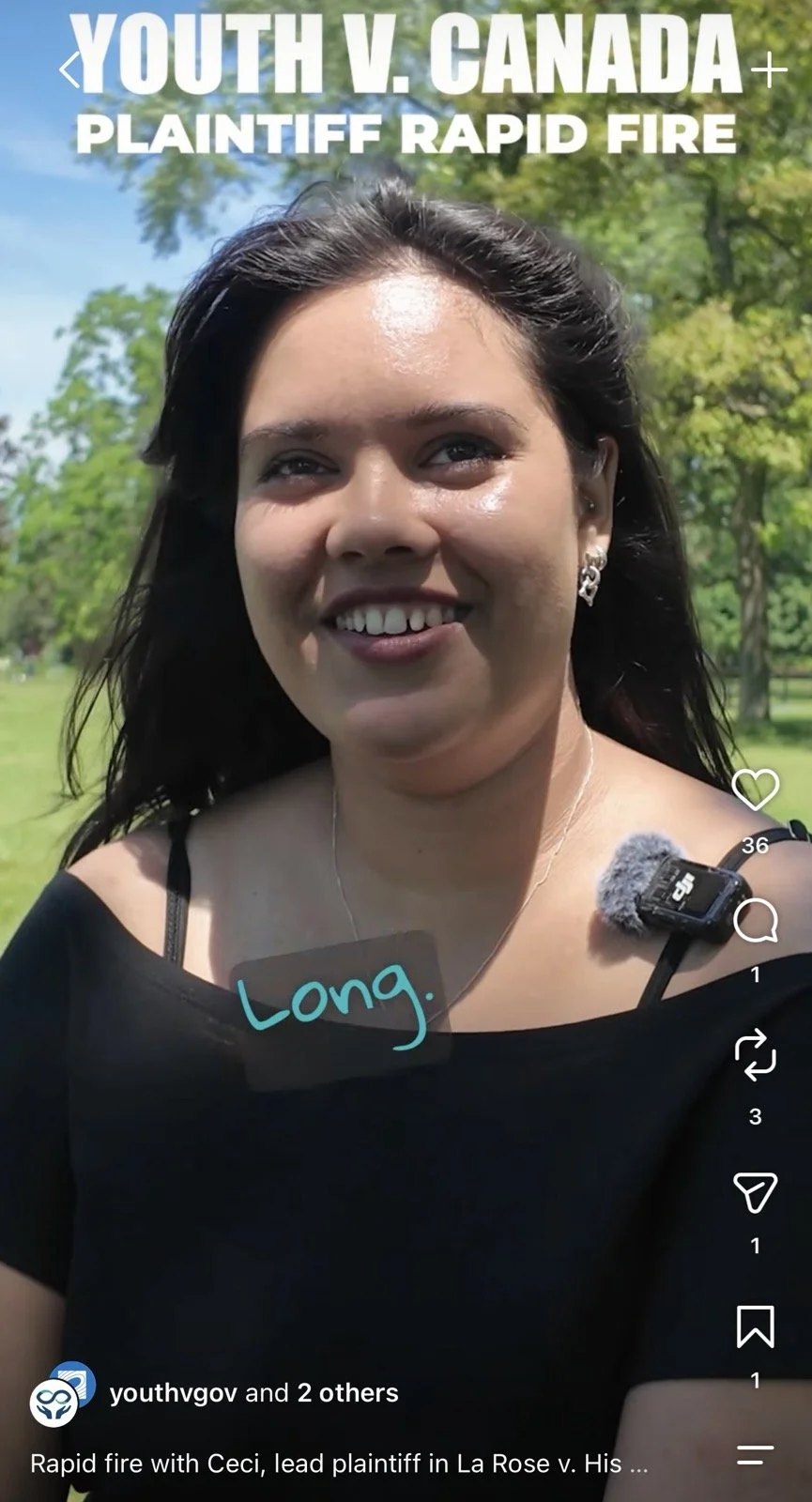
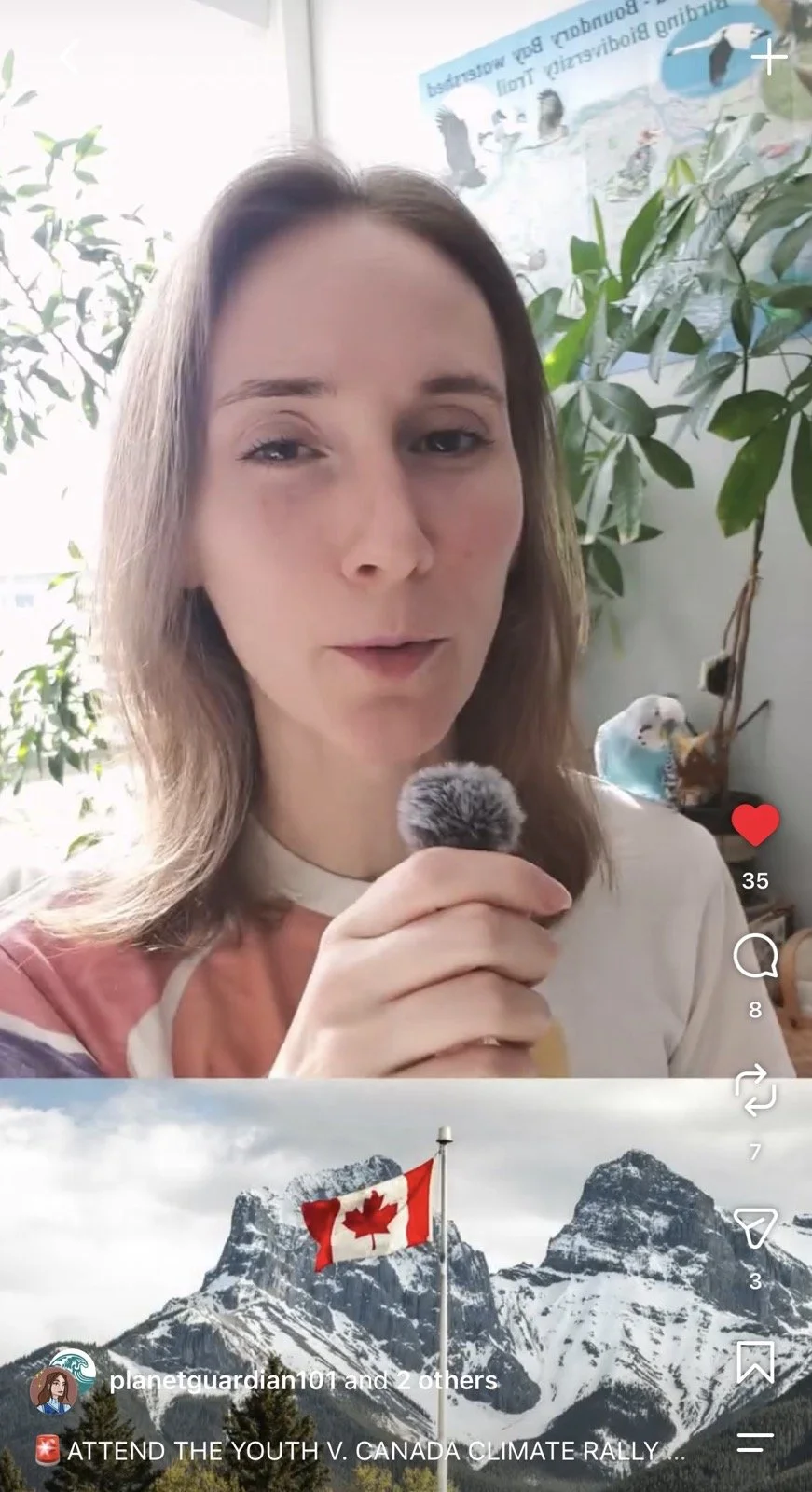
Bring Trial to Your Social Media Feed
FOLLOW LA ROSE FROM WHEREVER YOU ARE.
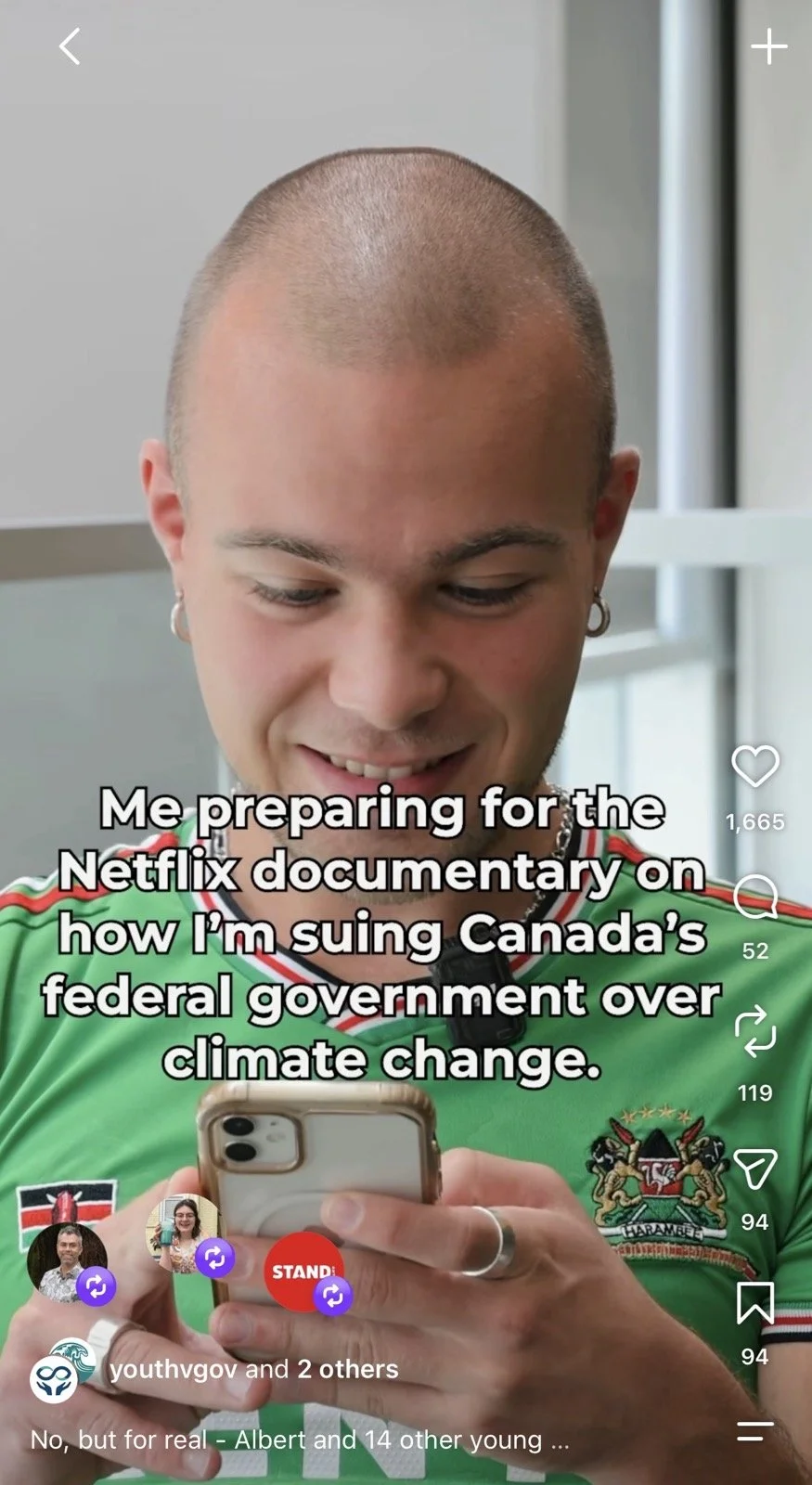
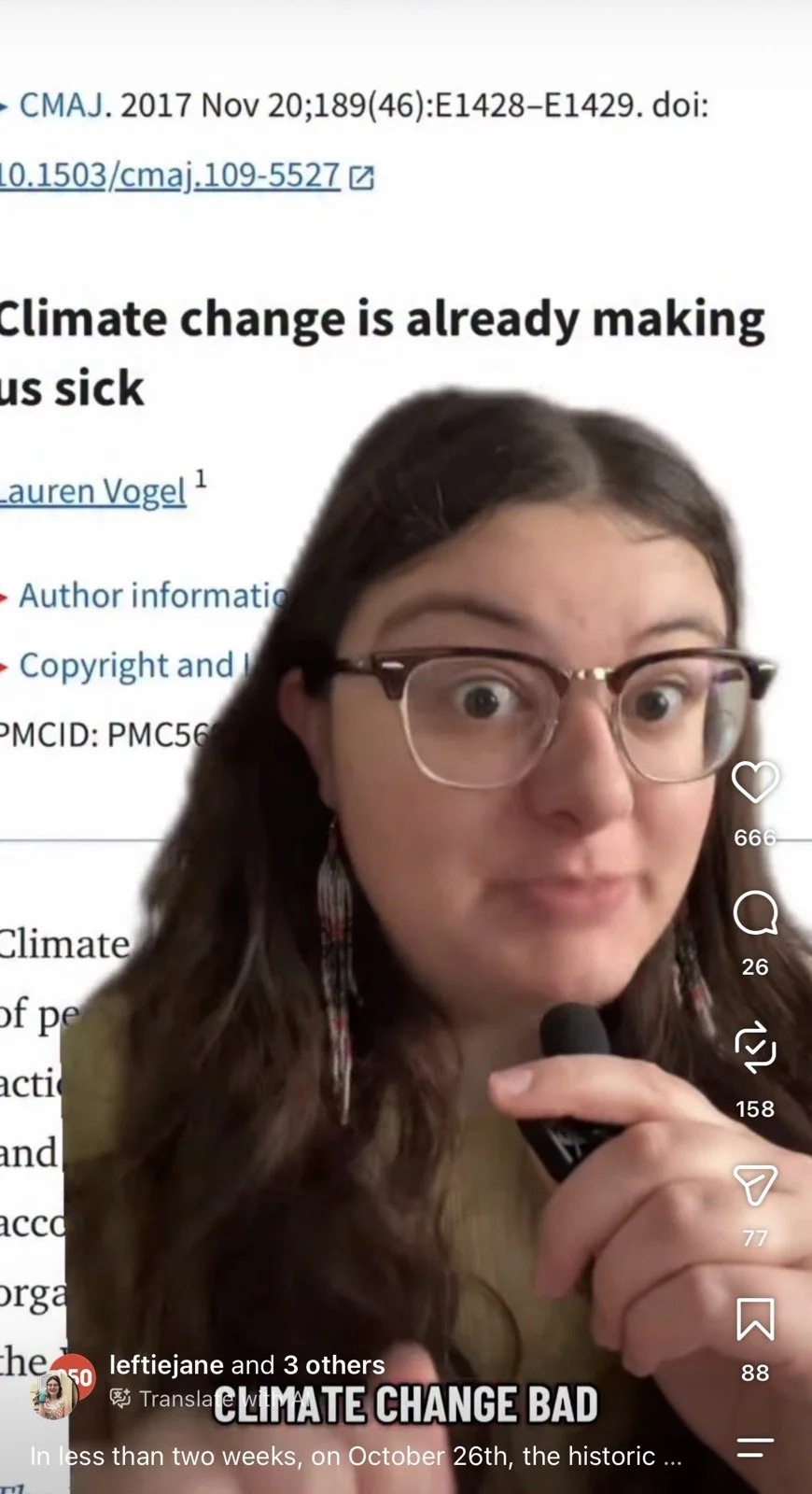
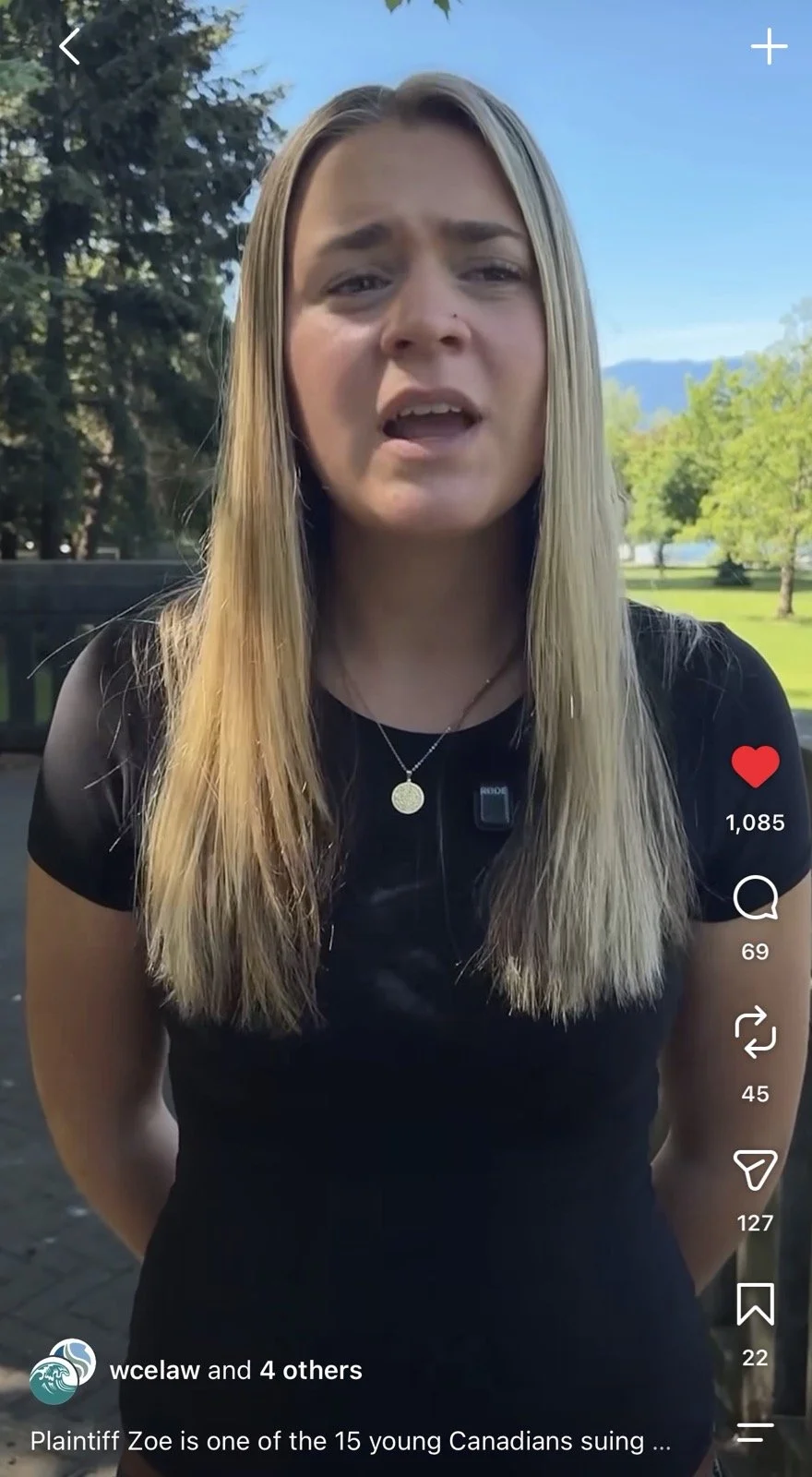
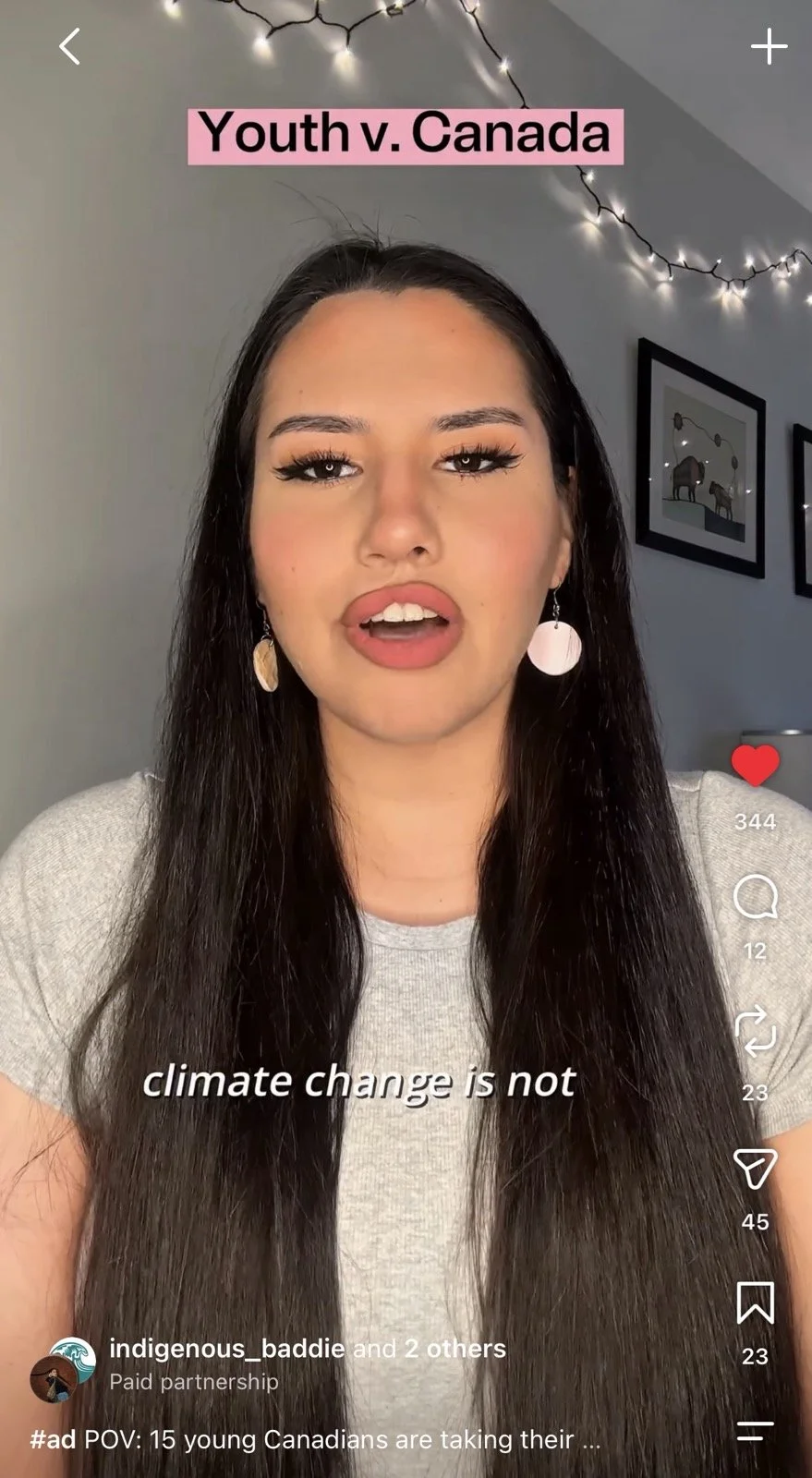
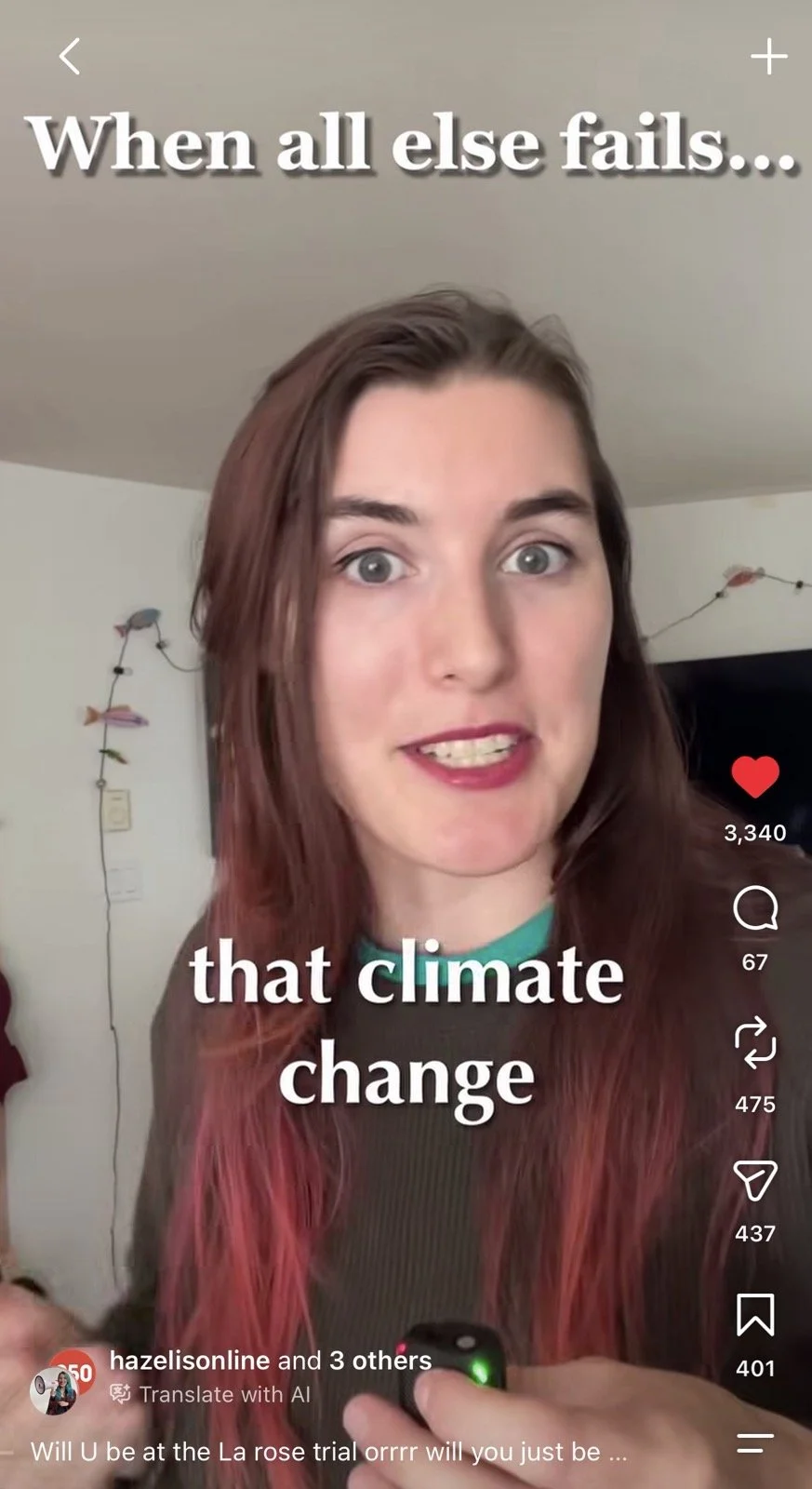
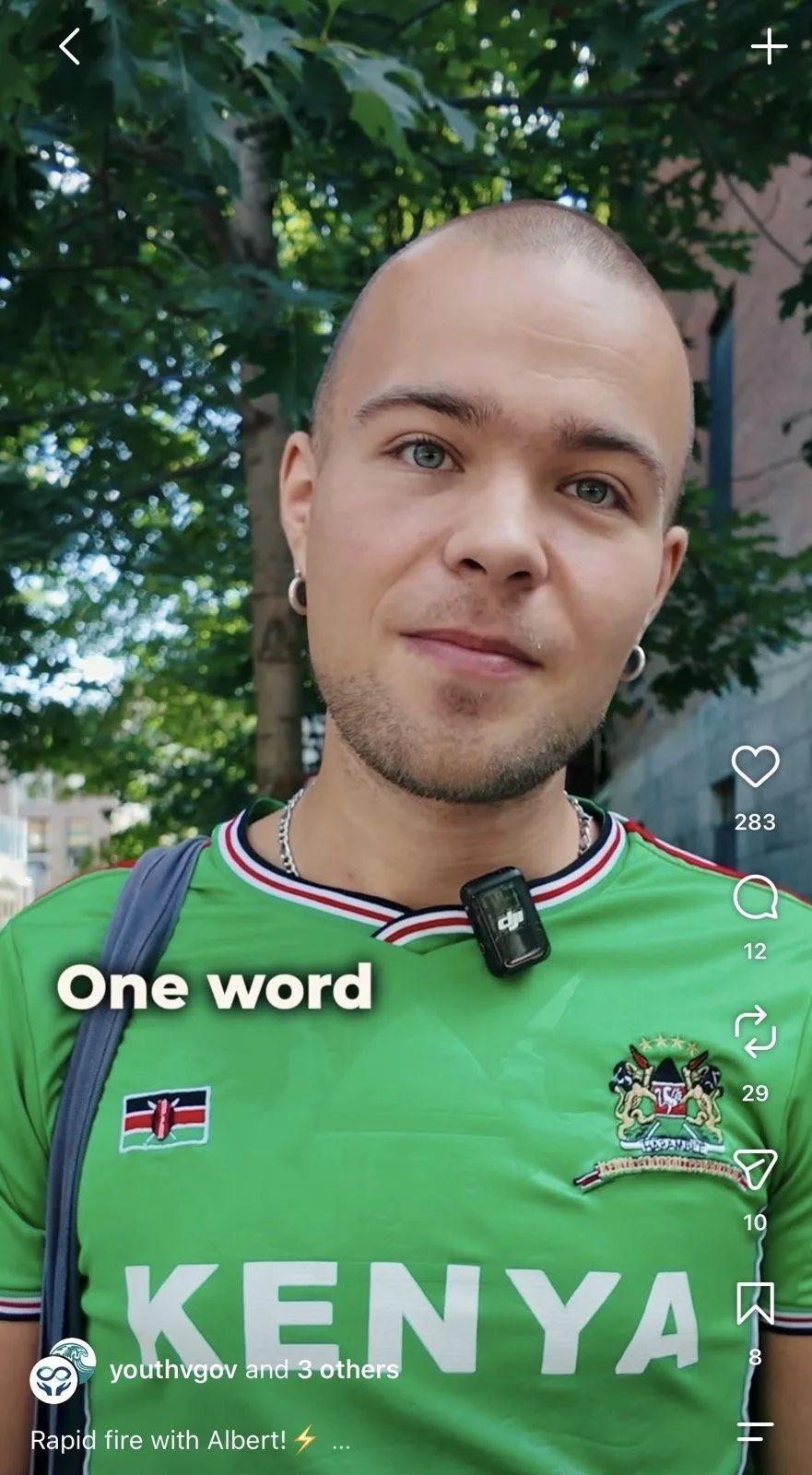
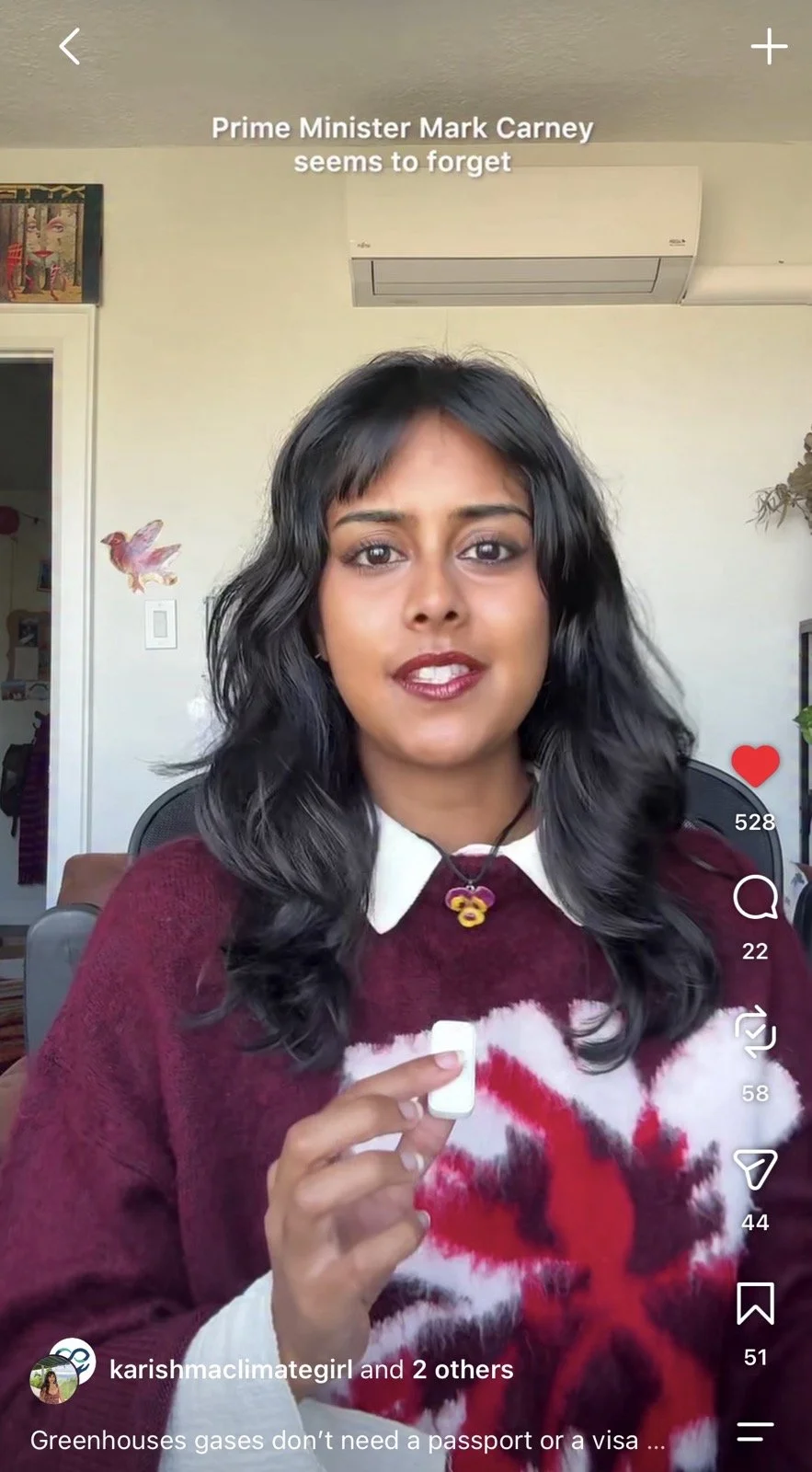
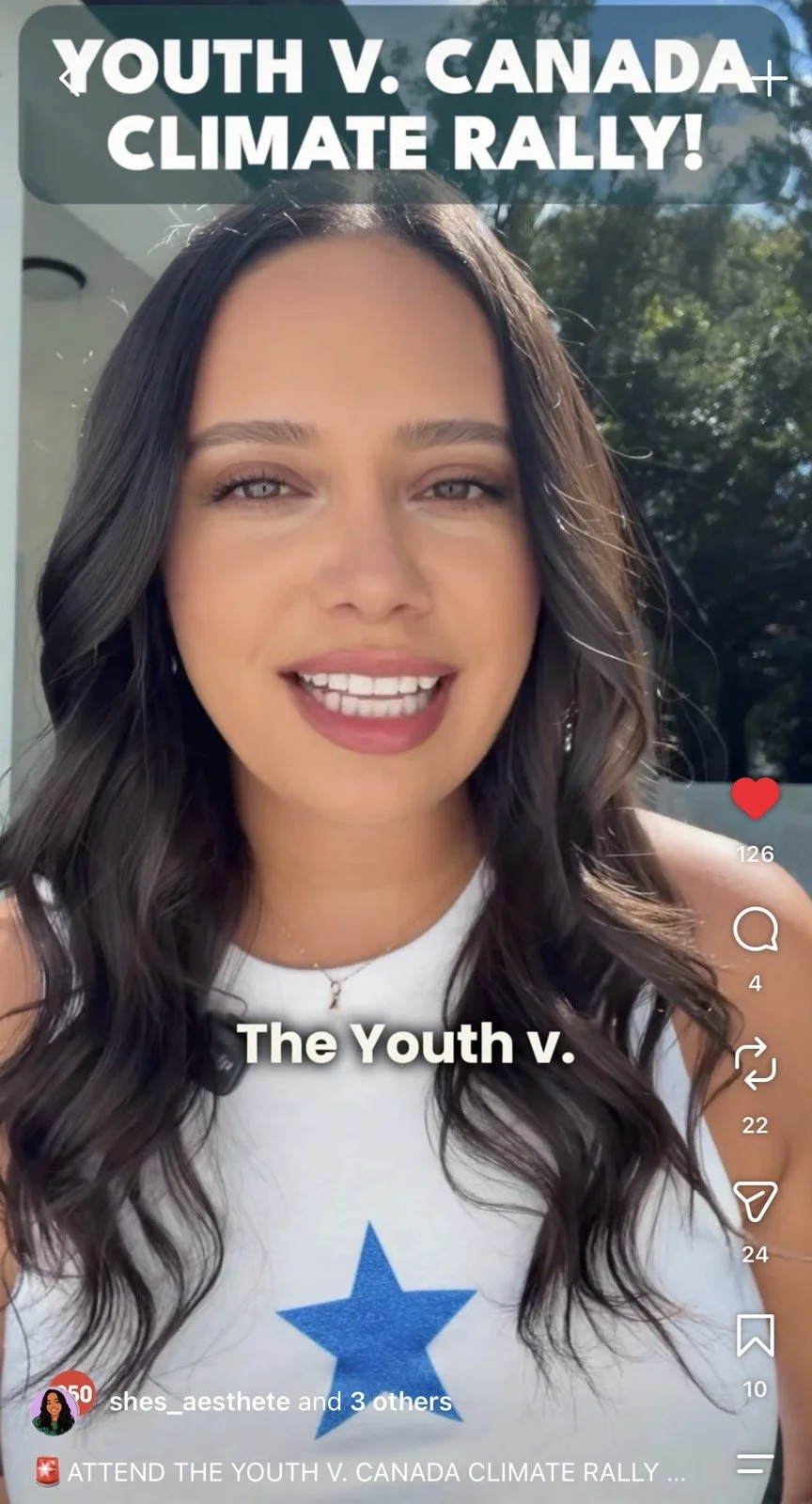
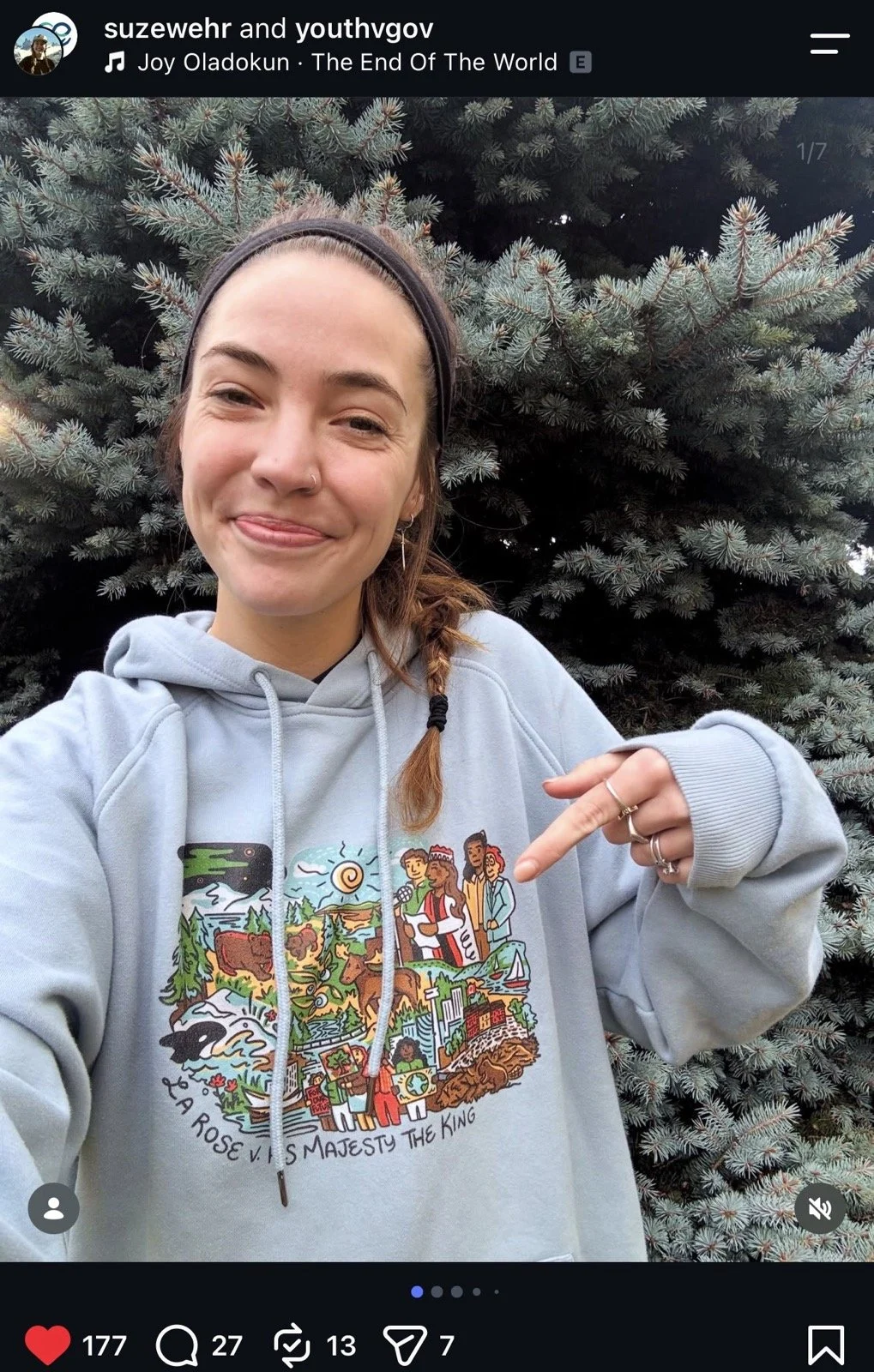
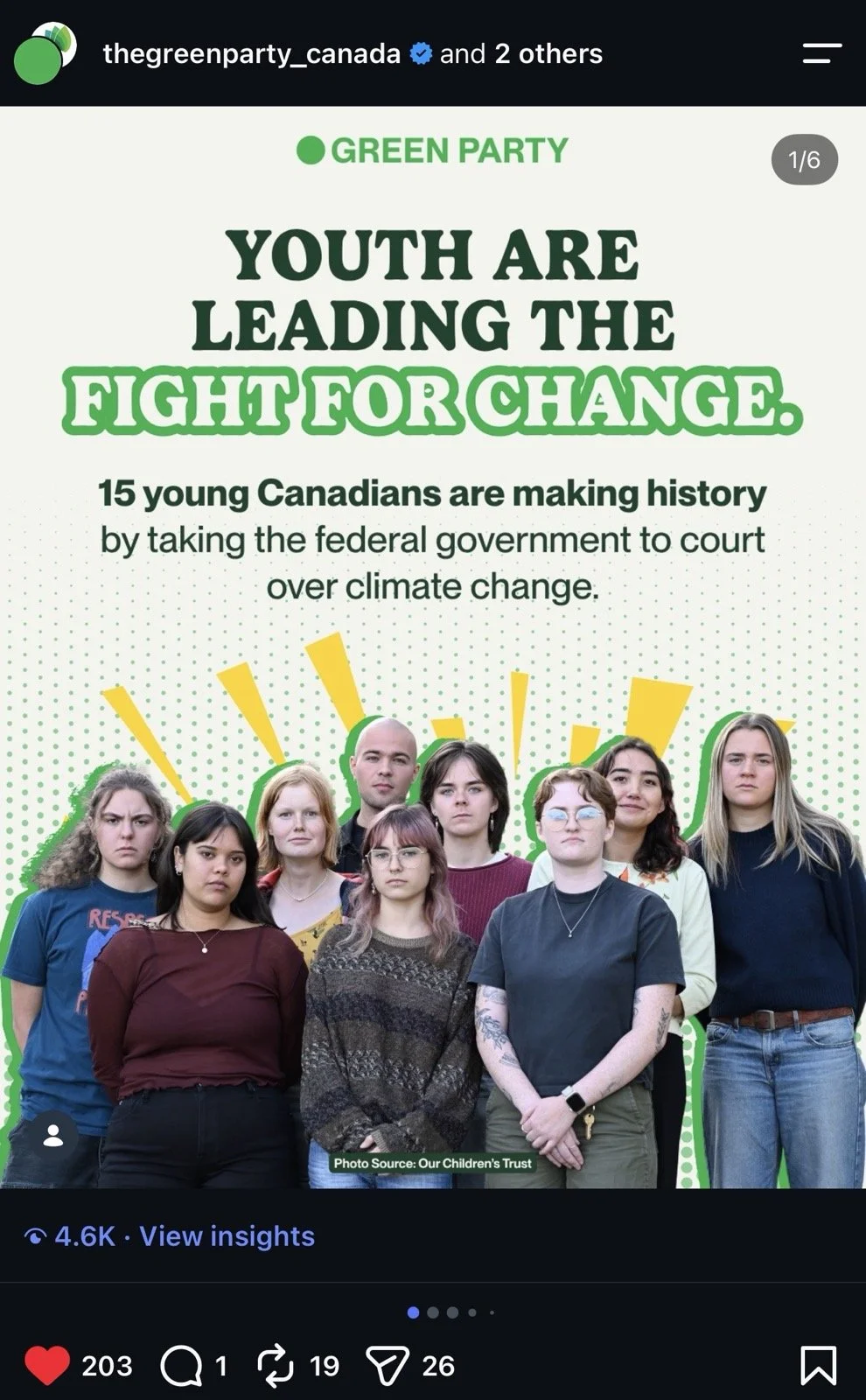
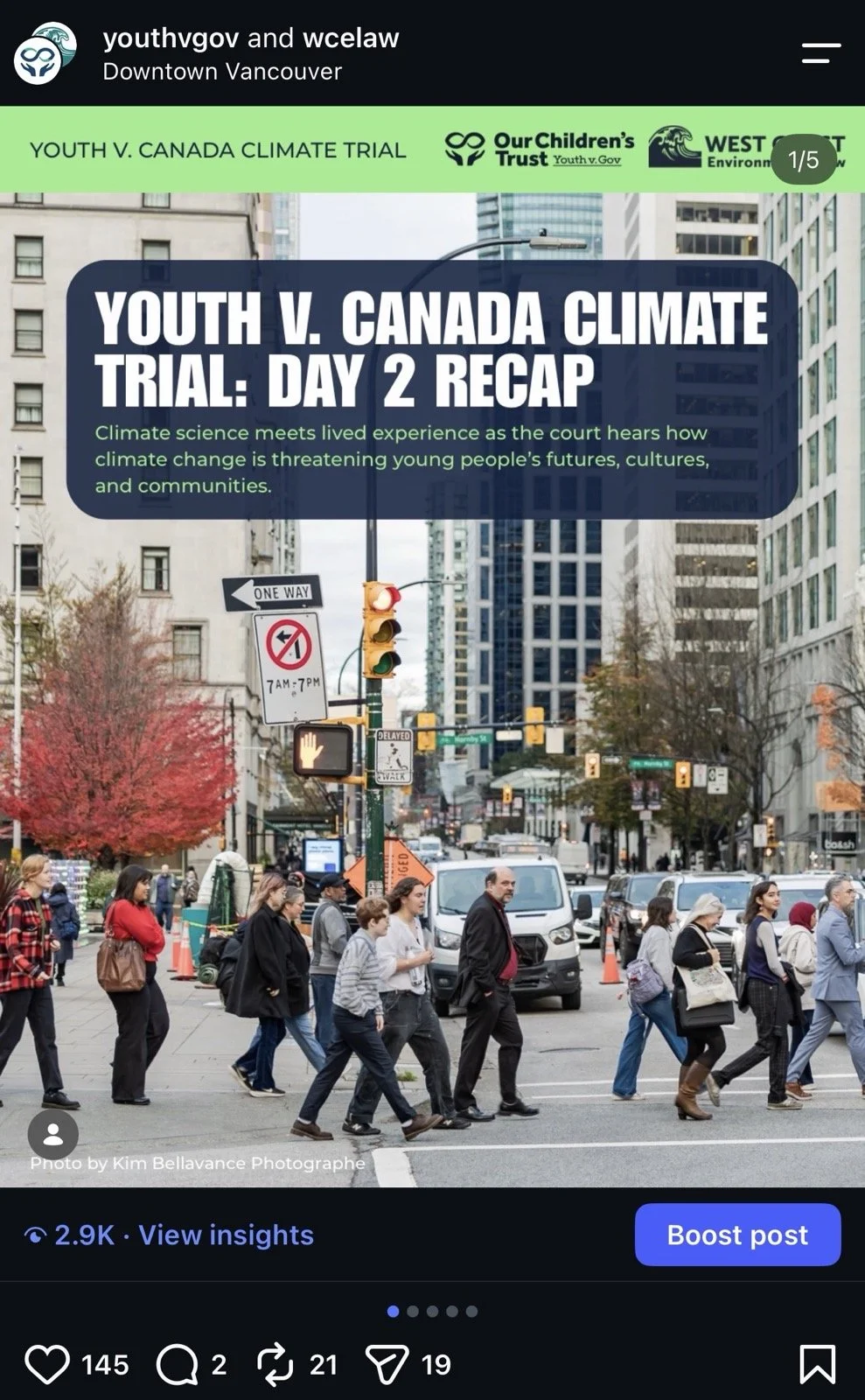
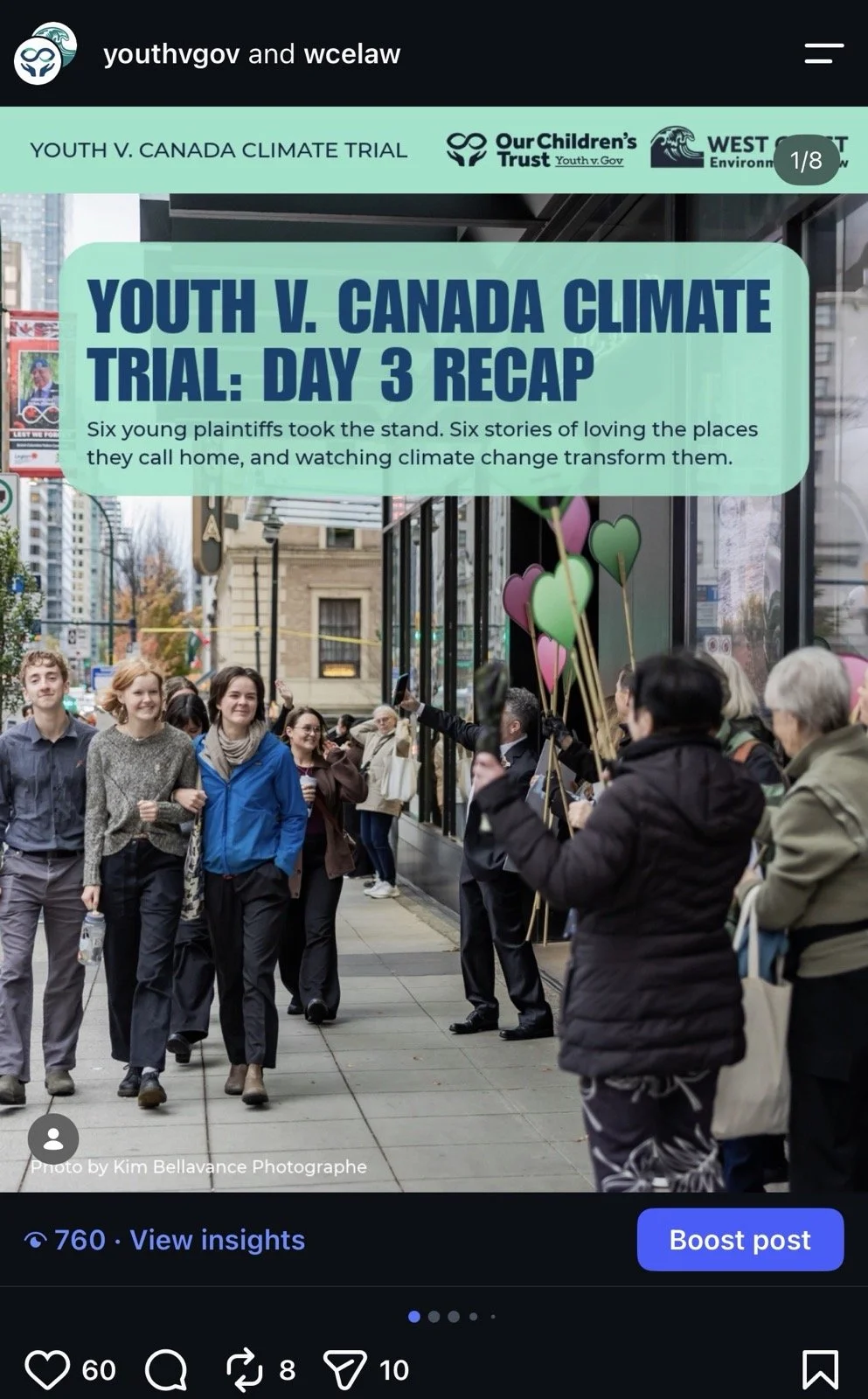
Throughout trial, we'll be sharing updates from Vancouver, plaintiff stories, behind-the-scenes moments, videos, explainers, courtroom developments, and ways you can take action.
Explore and share our Canada-focused social content, and help more people learn why this case matters.
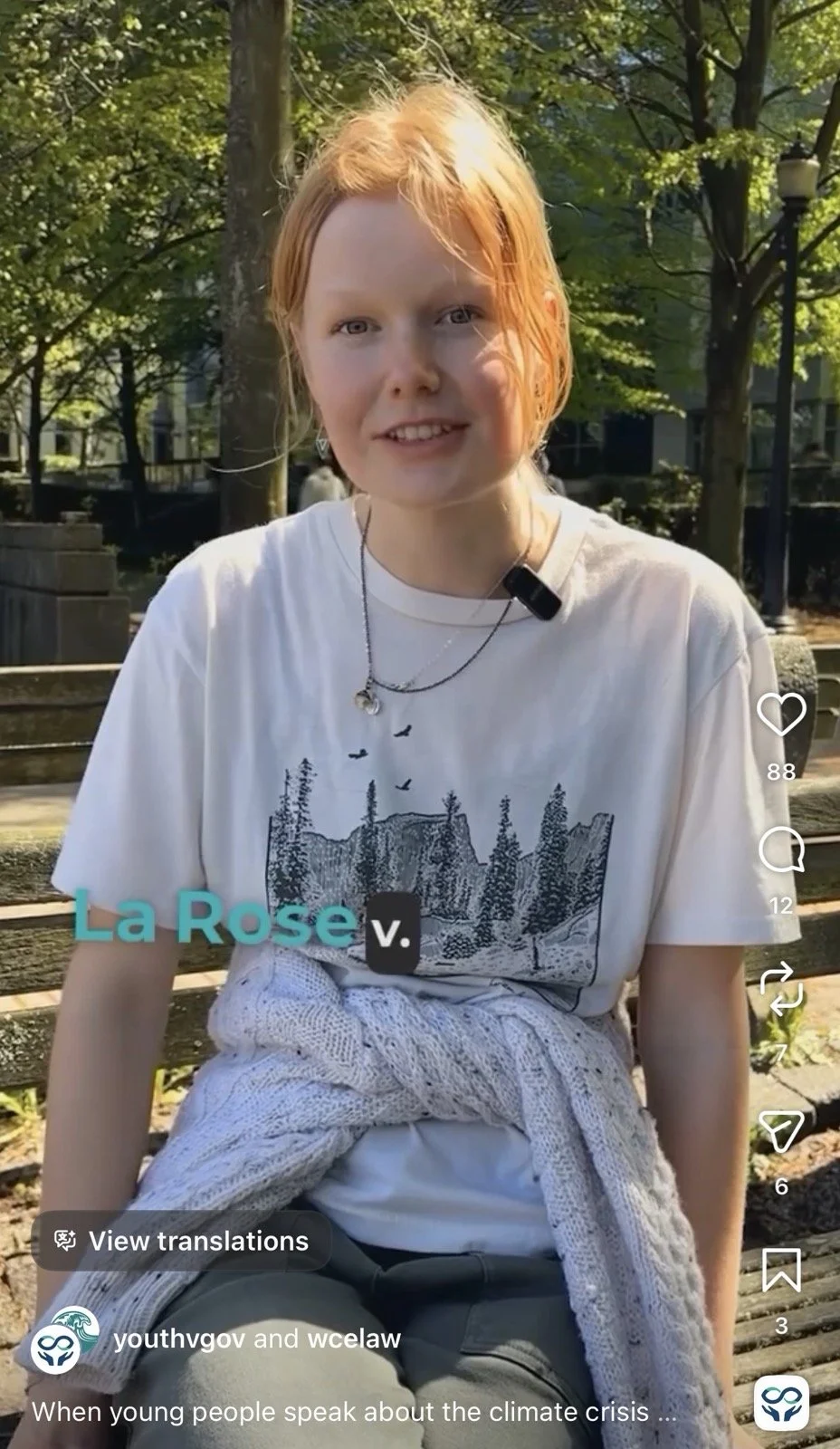
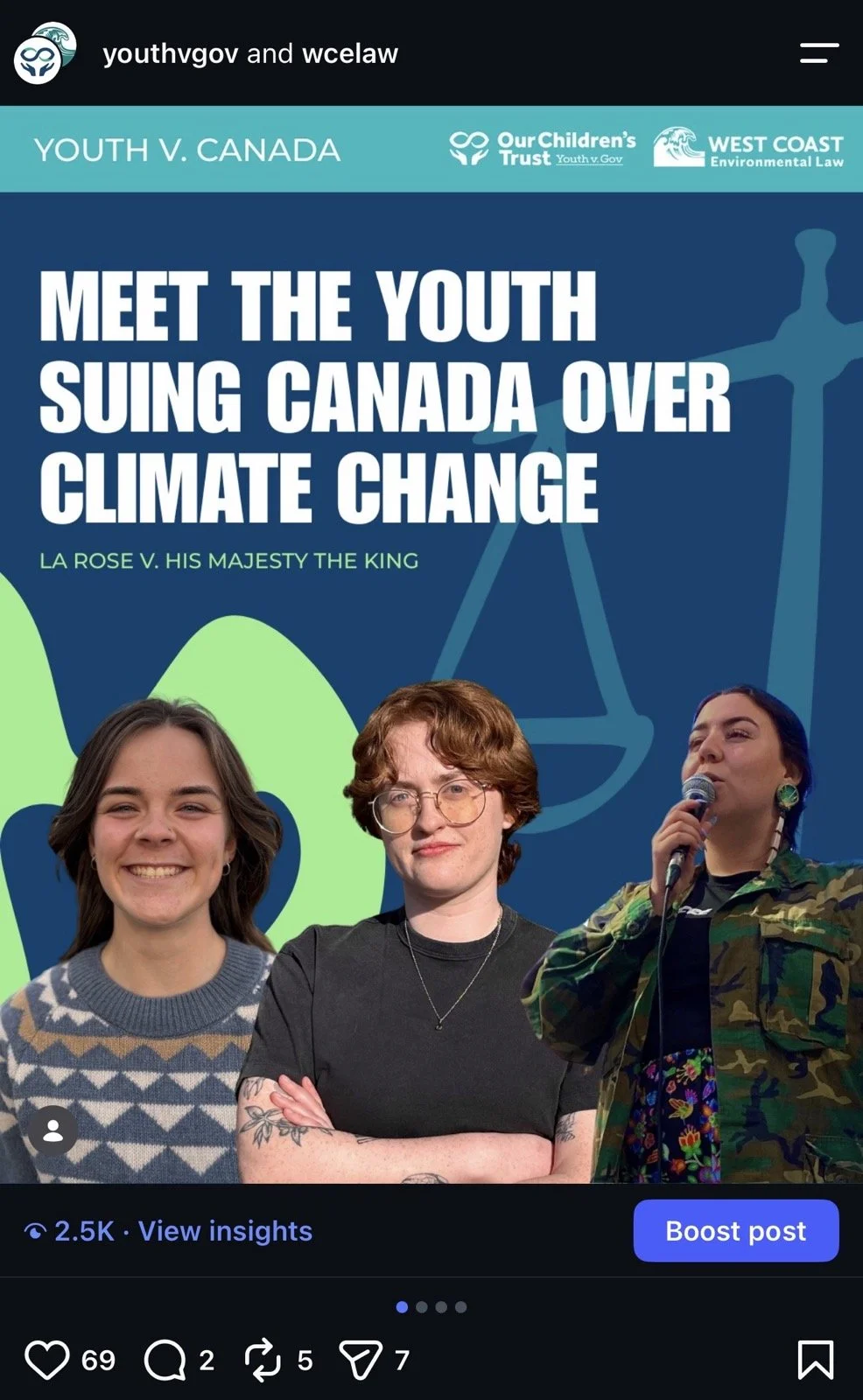
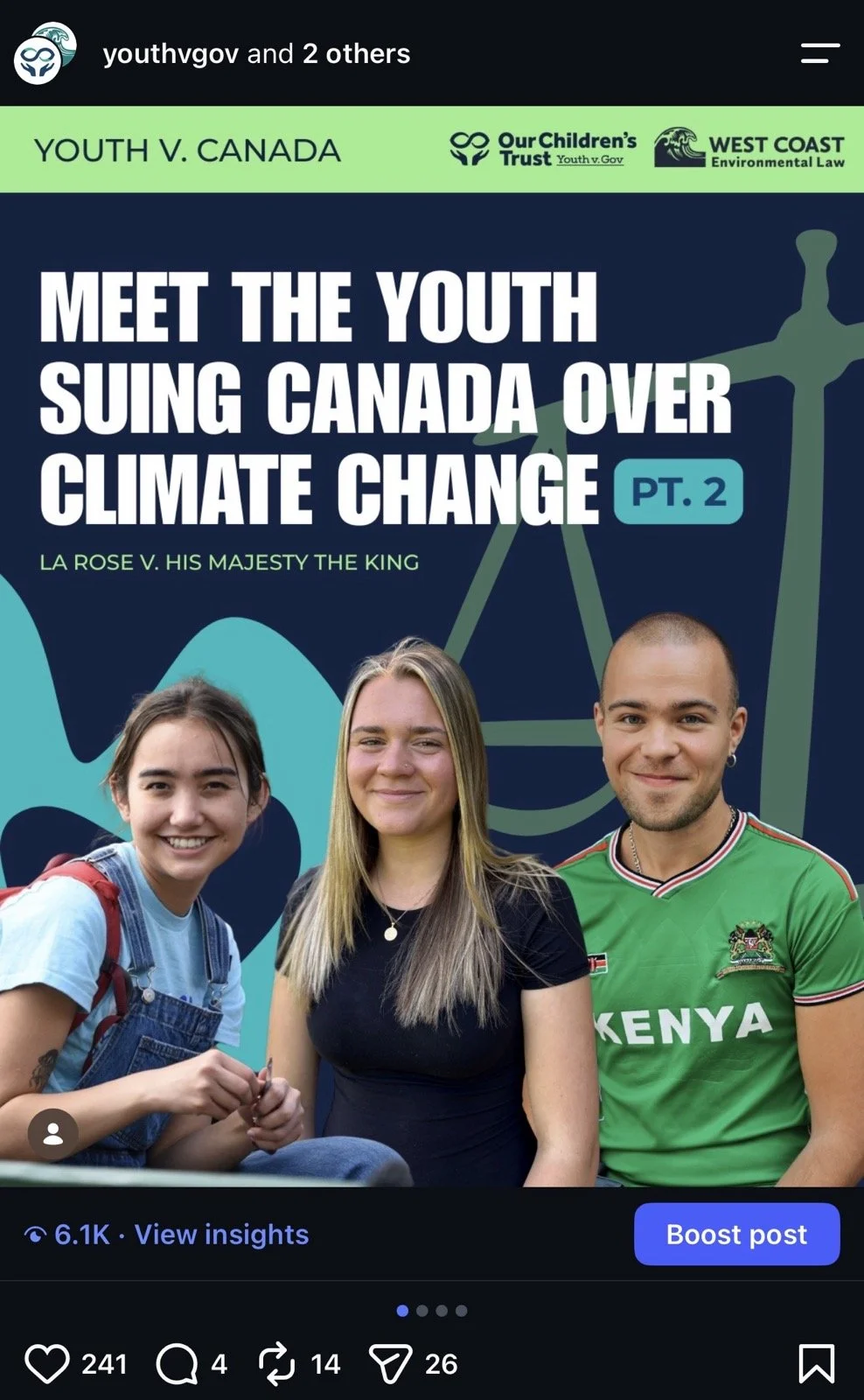
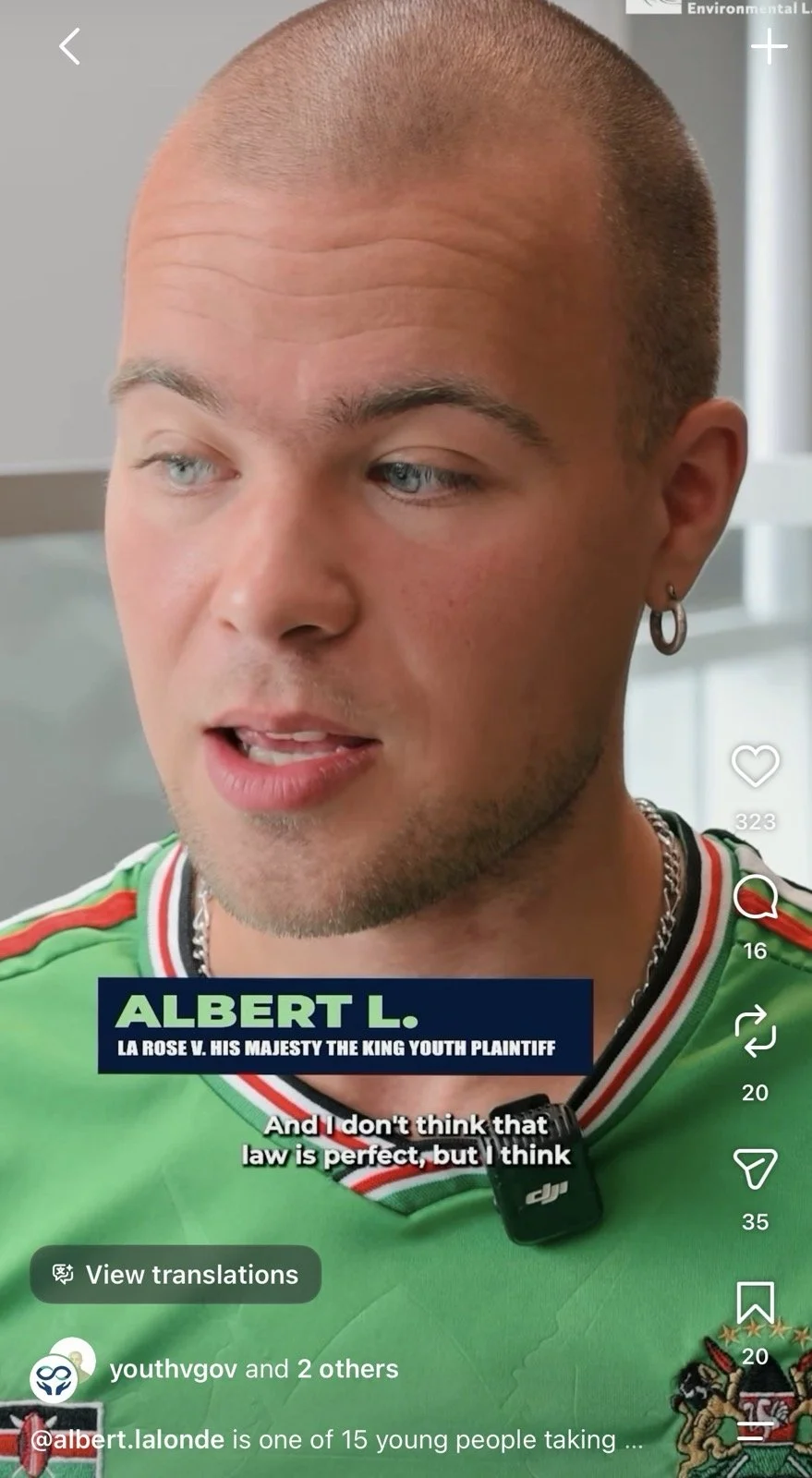
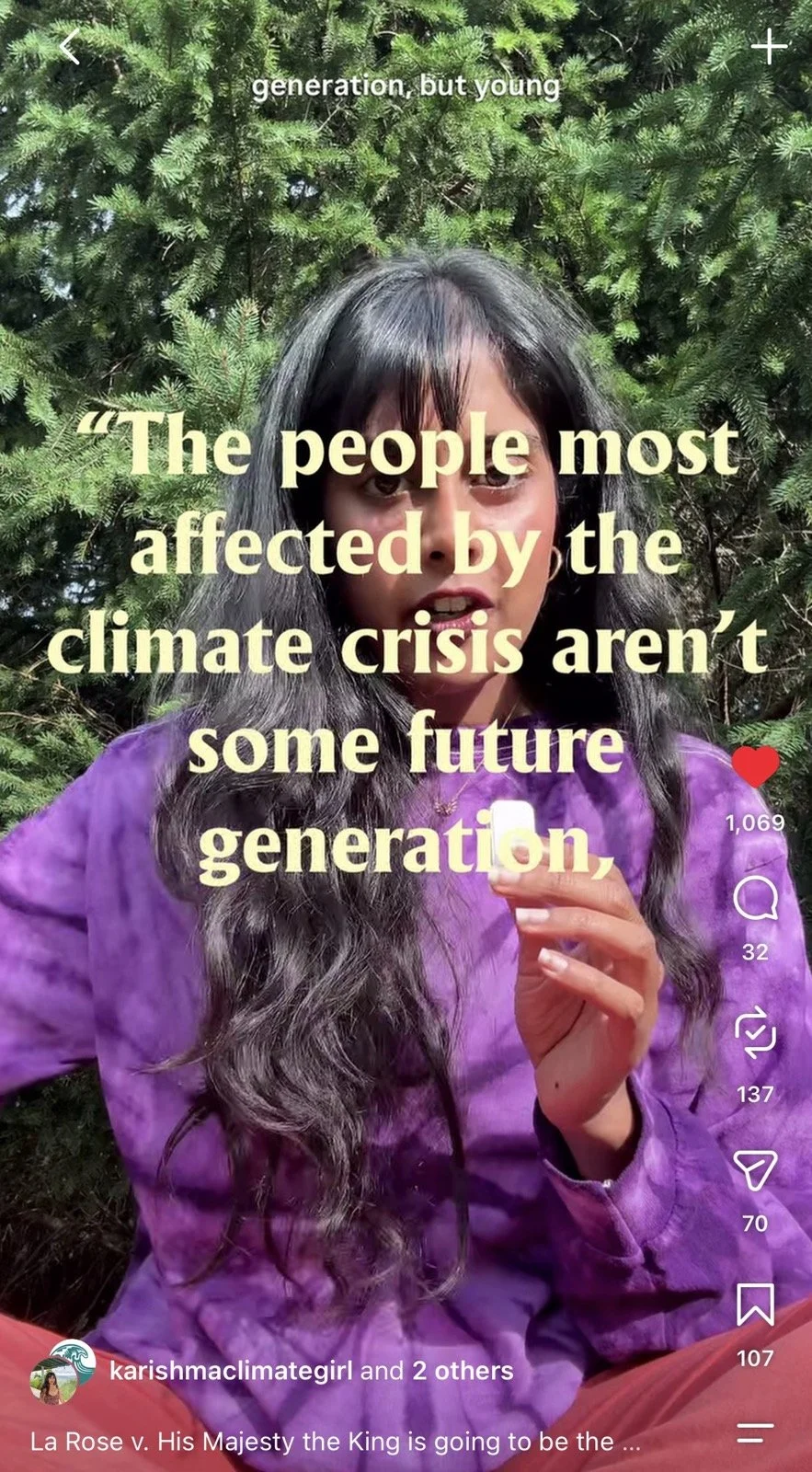
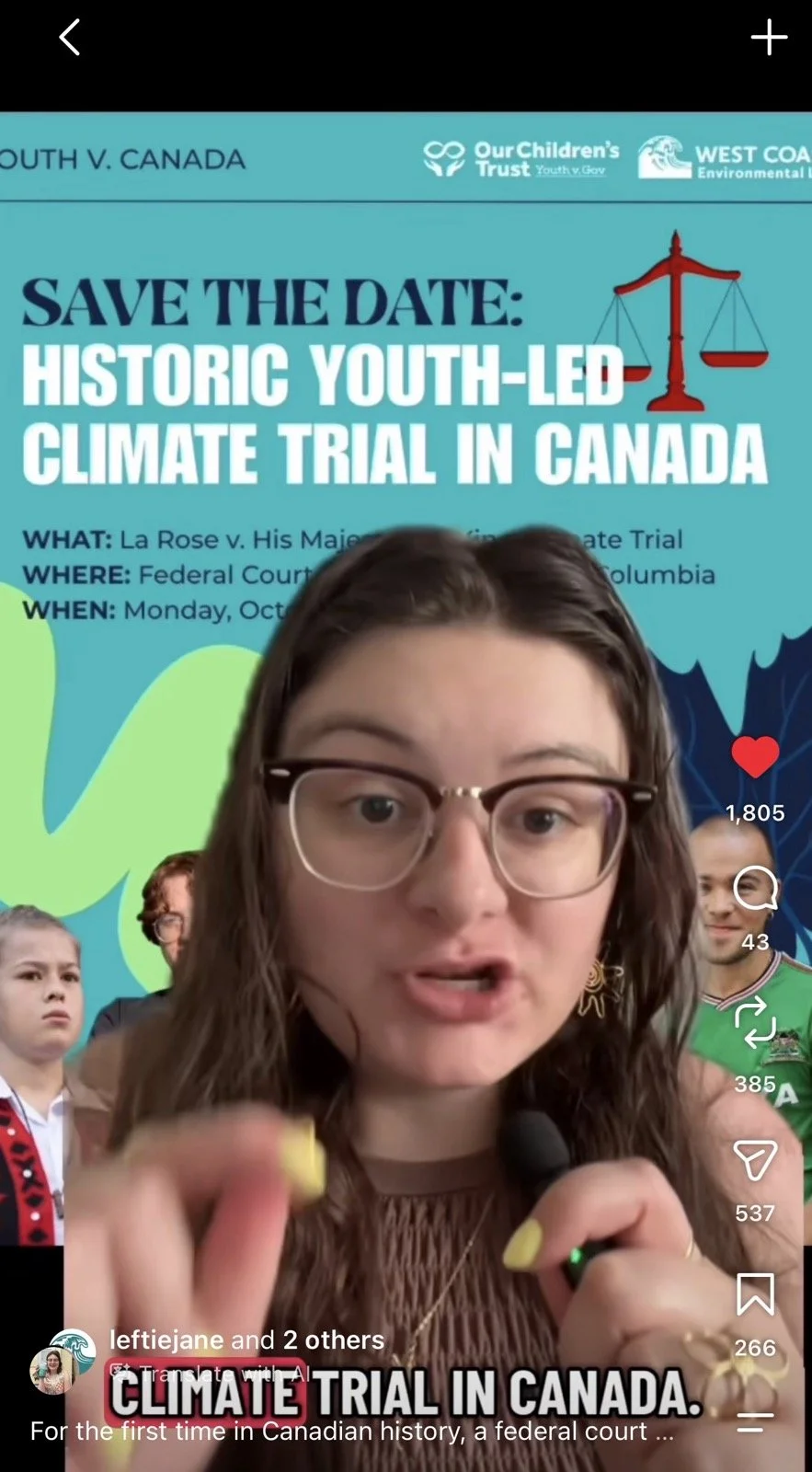
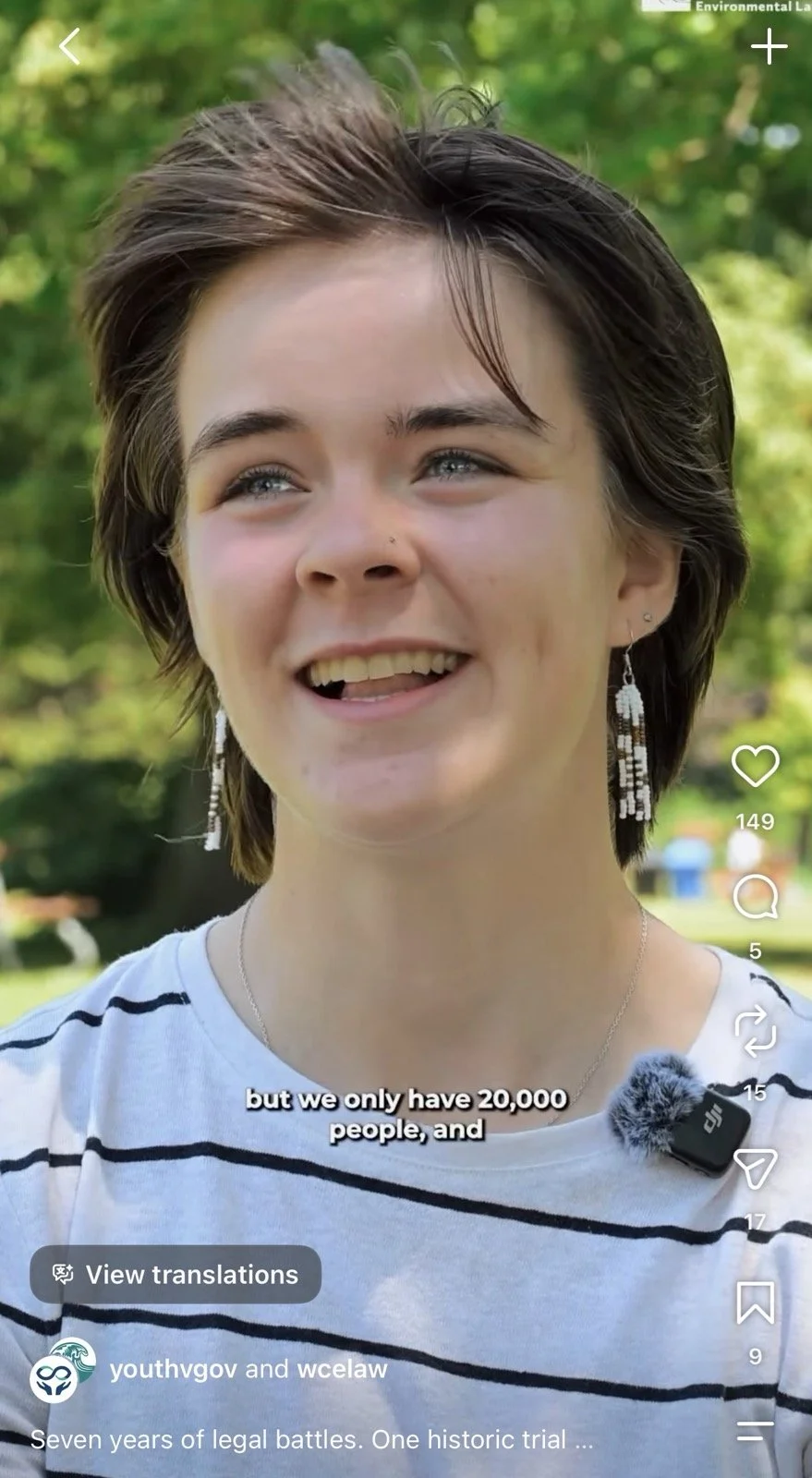
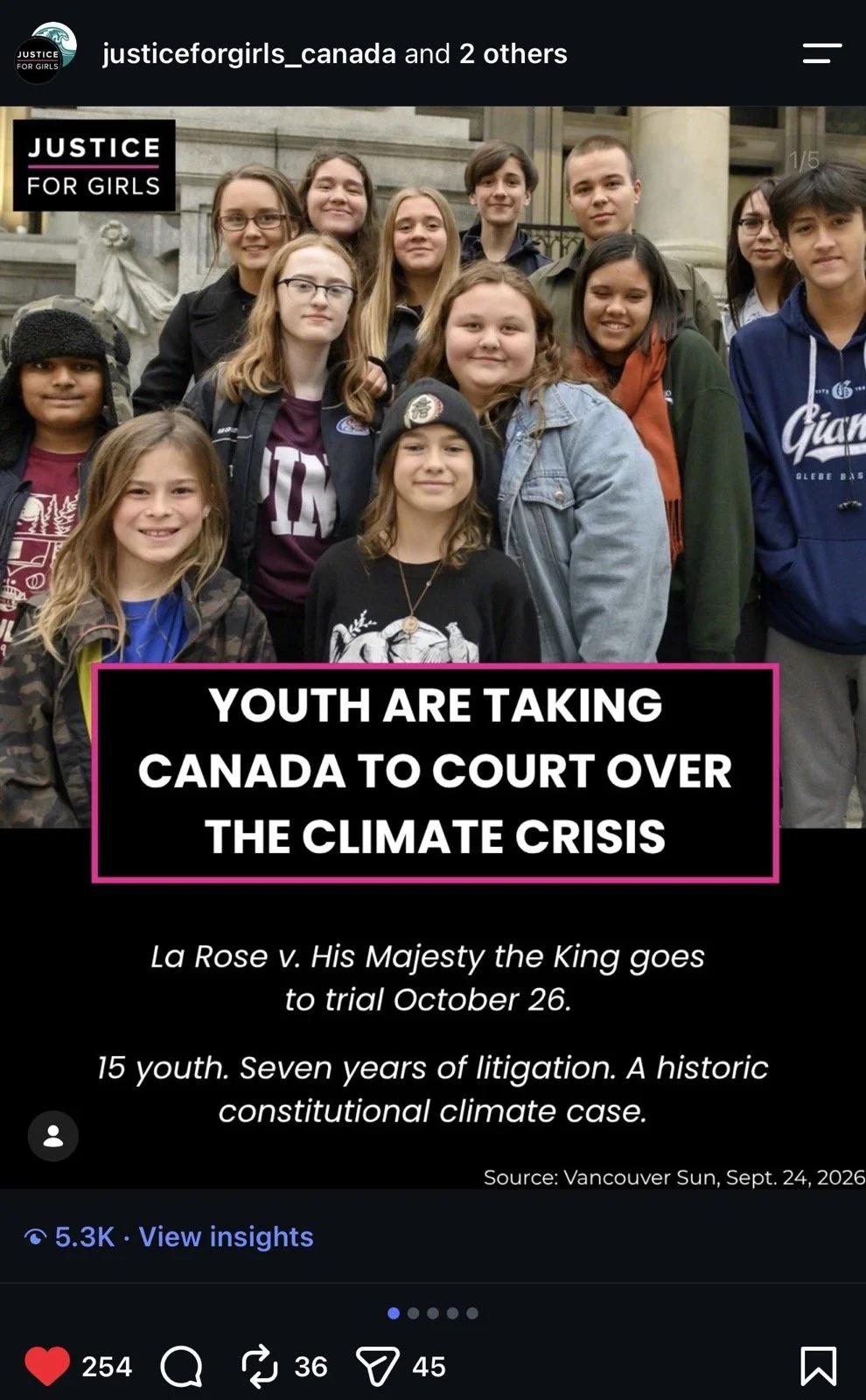
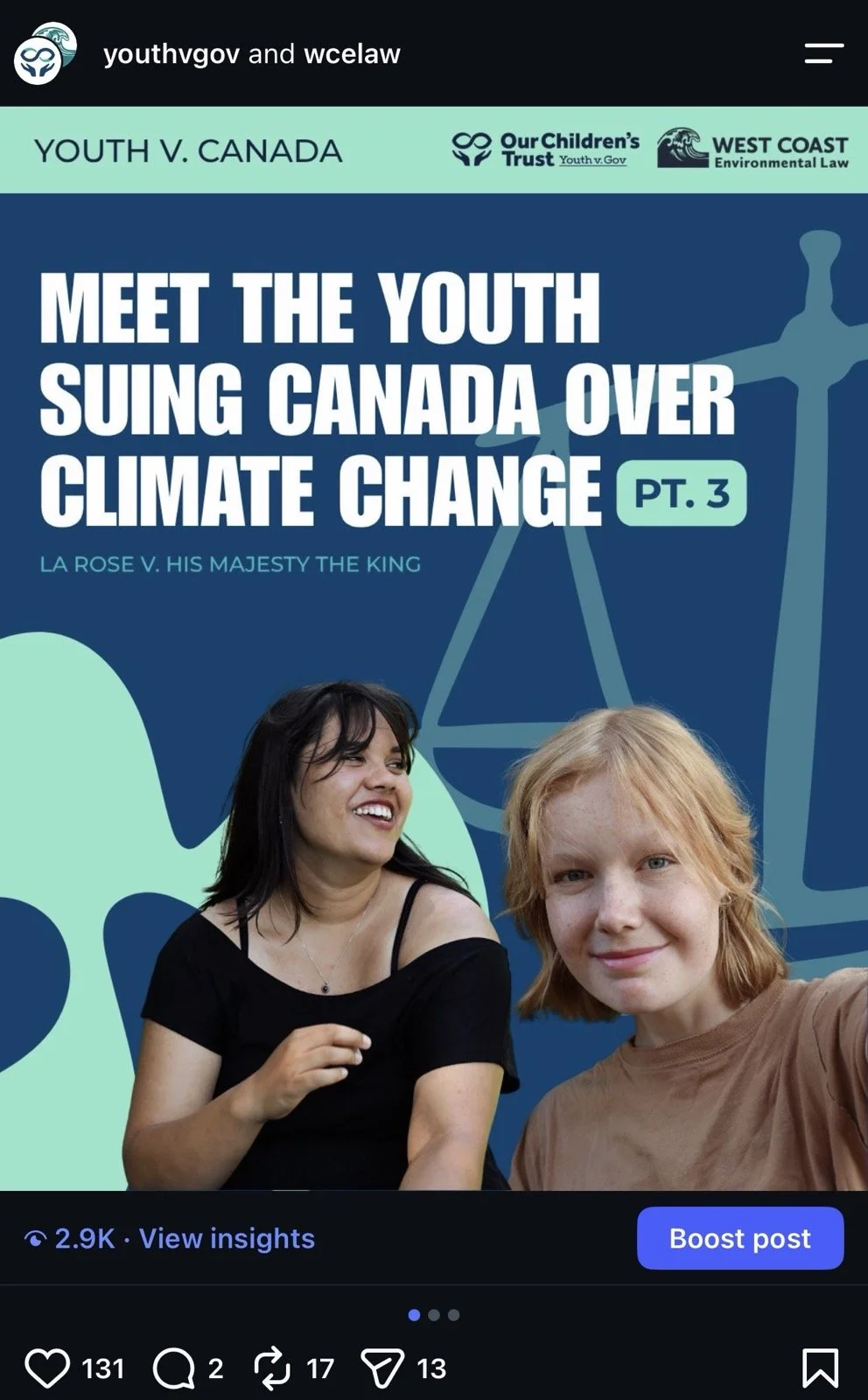
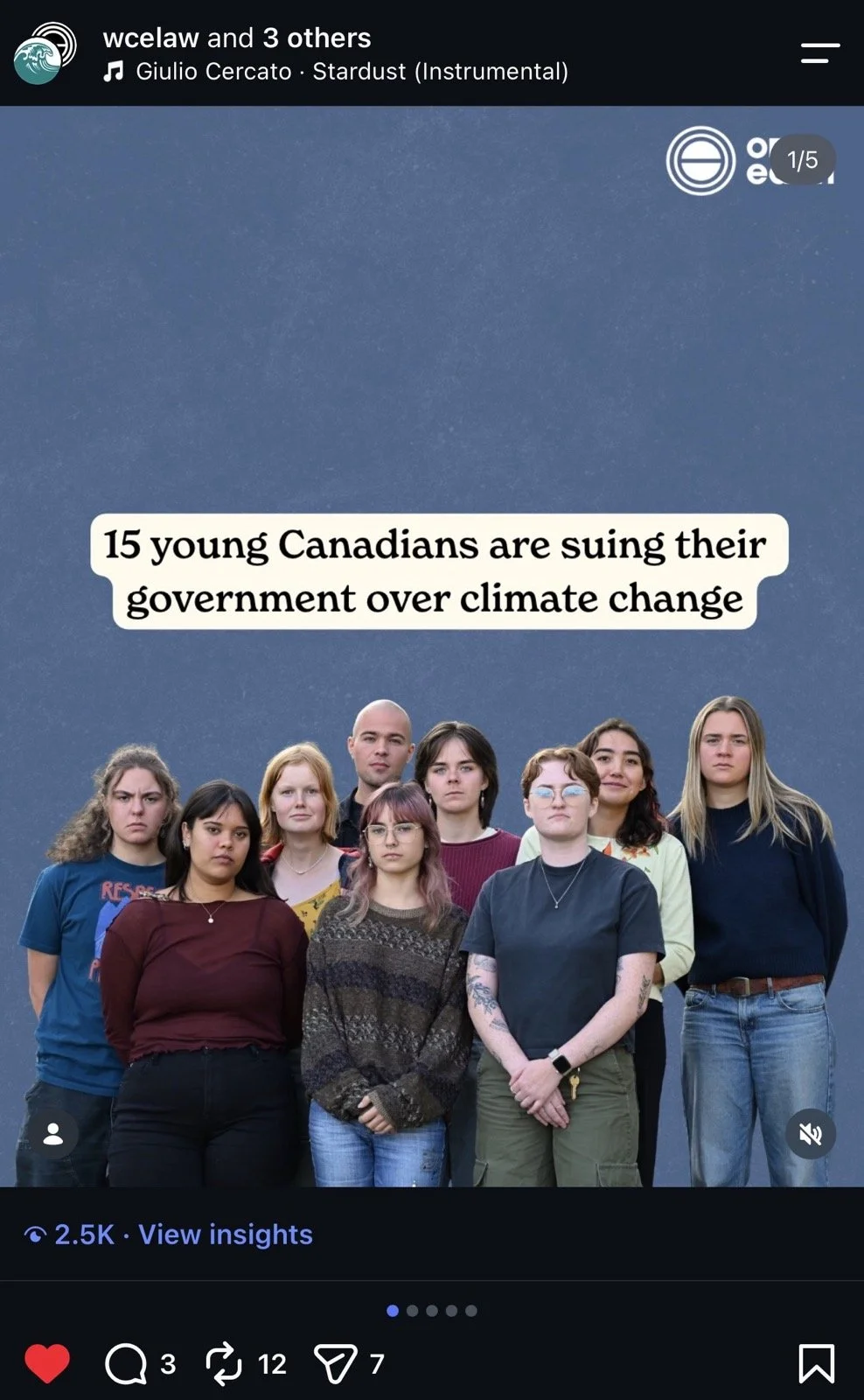
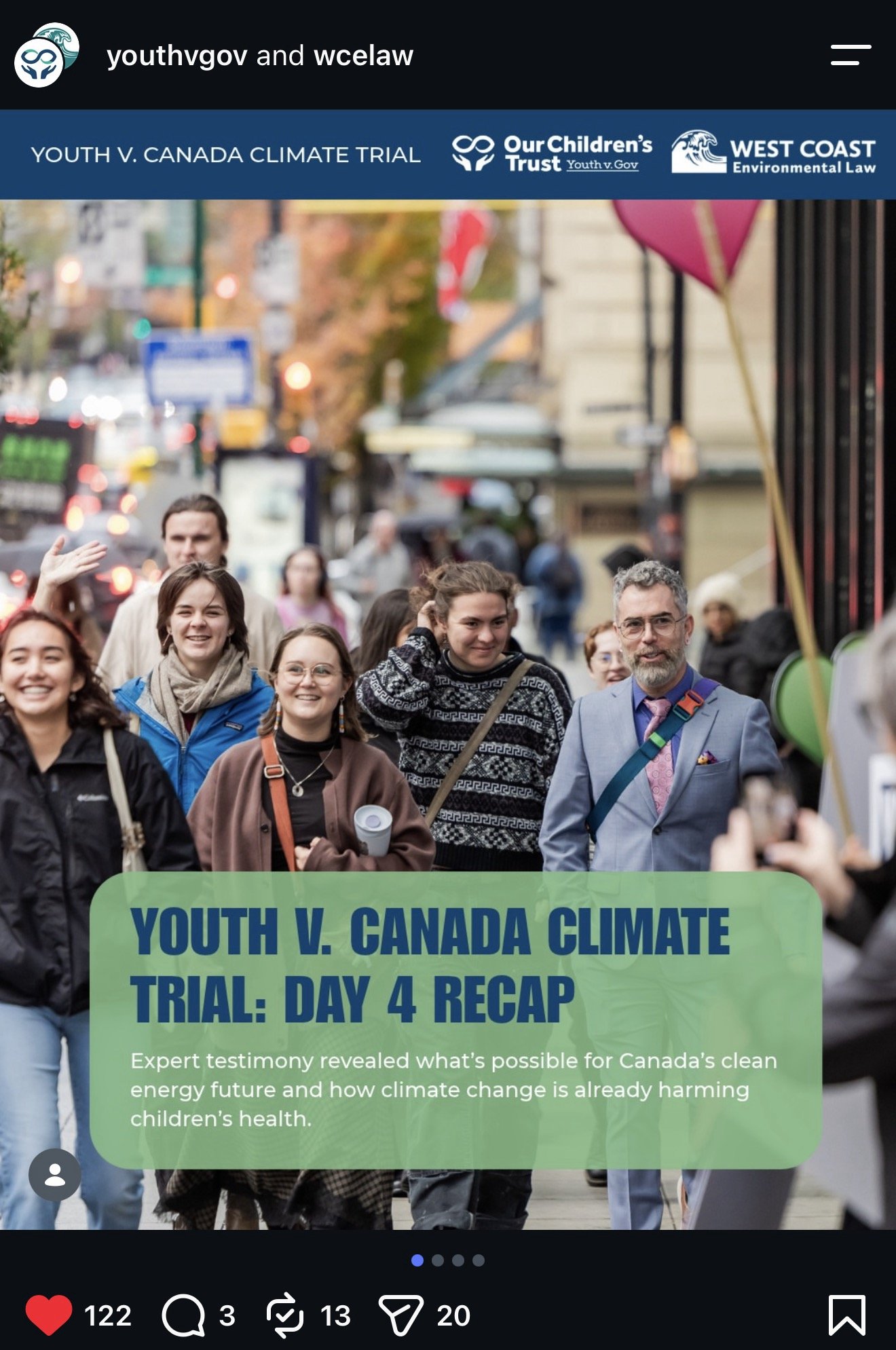
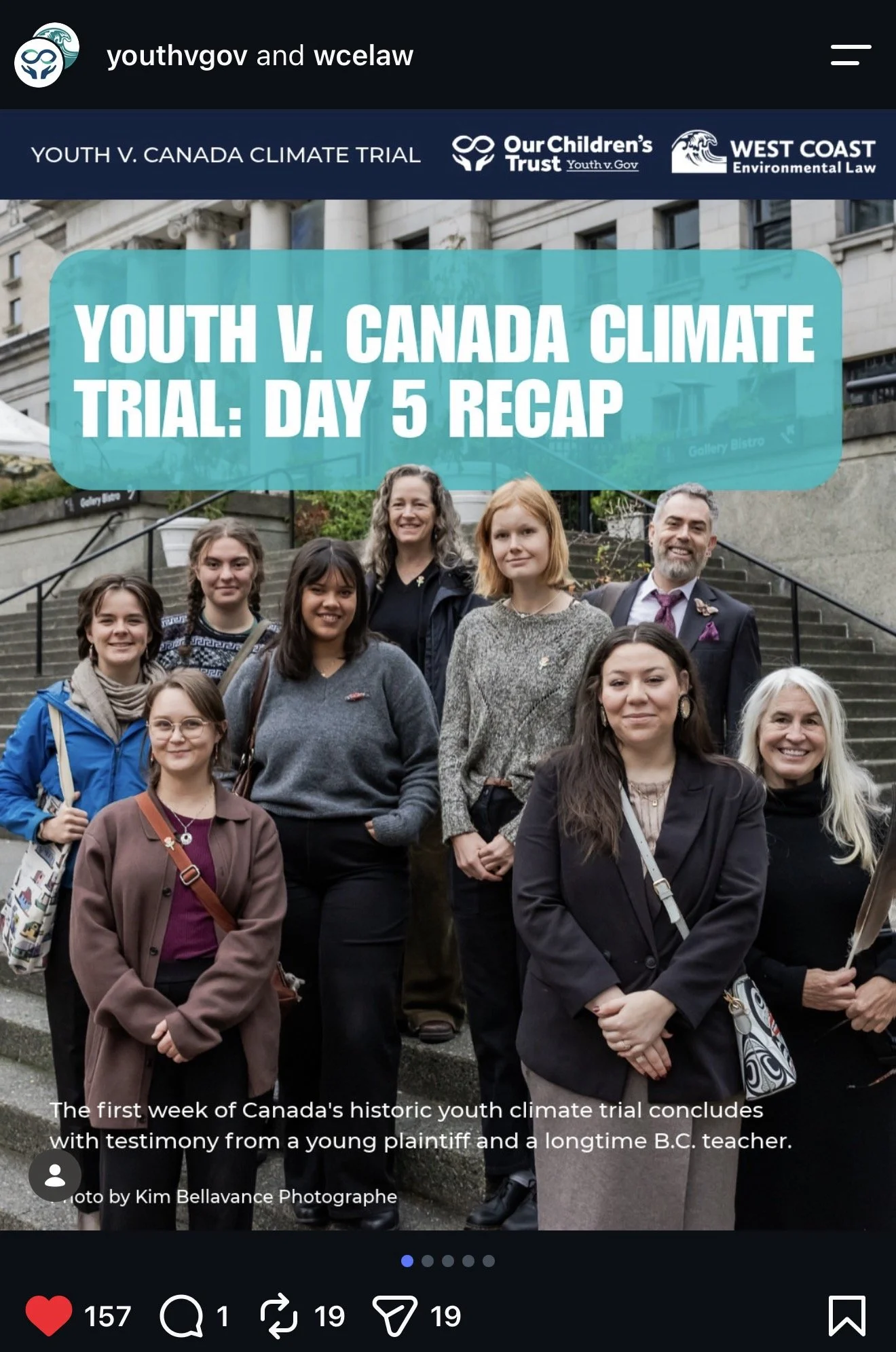
Follow @youthvgov and @wcelaw for trial updates