

Growing Up with La Rose: A Mother’s Day Reflection with Andrea Rodgers
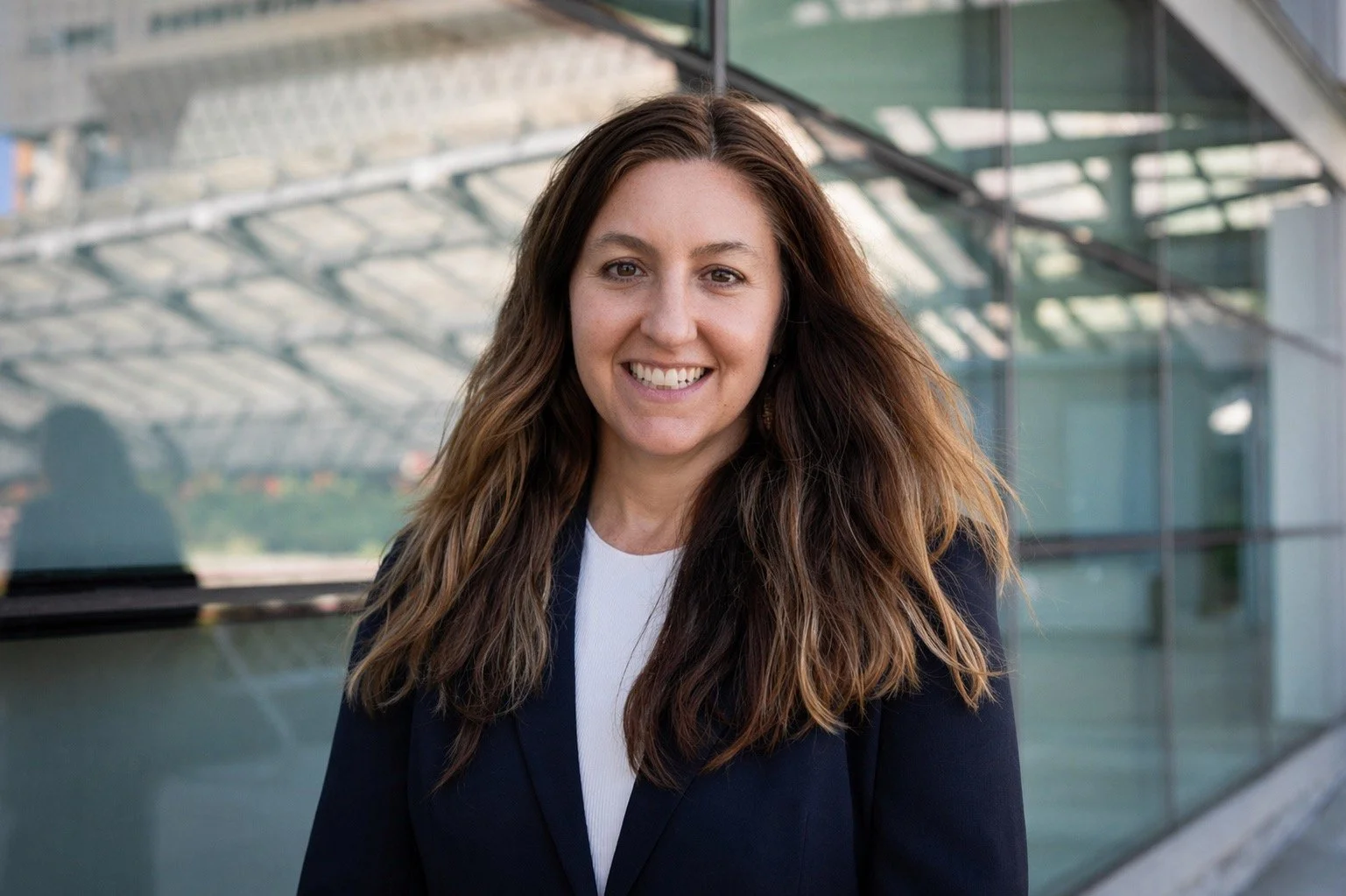
Andrea Rodgers. Photo by Sarahbeth Maney.
May 8, 2026
My daughter was asked to leave the courtroom while I was arguing a case.
She was six months old, and her dad was holding her in the back of the room. Unfamiliar with court etiquette, she kept calling out “Hi!” with a big smile on her face, her small voice echoing off the walls.
From the bench, the judge said, “The baby in the back is really adorable, but can you guys please leave the courtroom?”
That moment stayed with me. Not because it was unusual, but because of what it revealed about where children were allowed to be and where they were not. I spent much of my early legal career working in Indian country, where it was pretty common to have children and youth in governmental decision spaces.
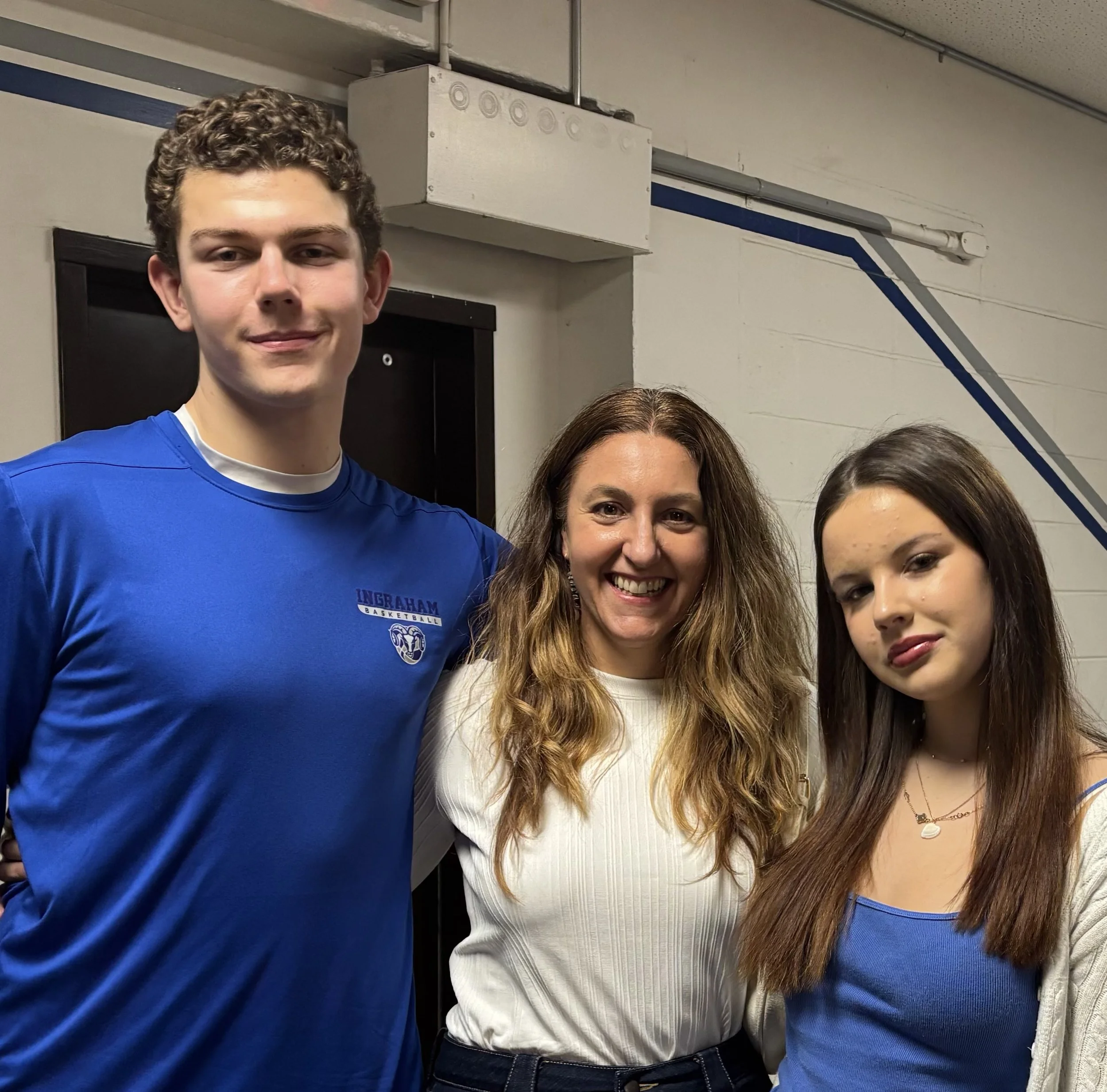
Andrea and her children, Vianne and William.
My children, Vianne and William, have grown up with the cases I’ve spent my career working on. They’ve attended court hearings, listened as I’ve been on conference calls in the car about the number of deaths linked to fossil fuel pollution, they’ve held signs at rallies, signed petitions, and posed in photos with youth plaintiffs I’ve represented. They have grown up with these cases, and I have grown up as a lawyer-mother along with them.
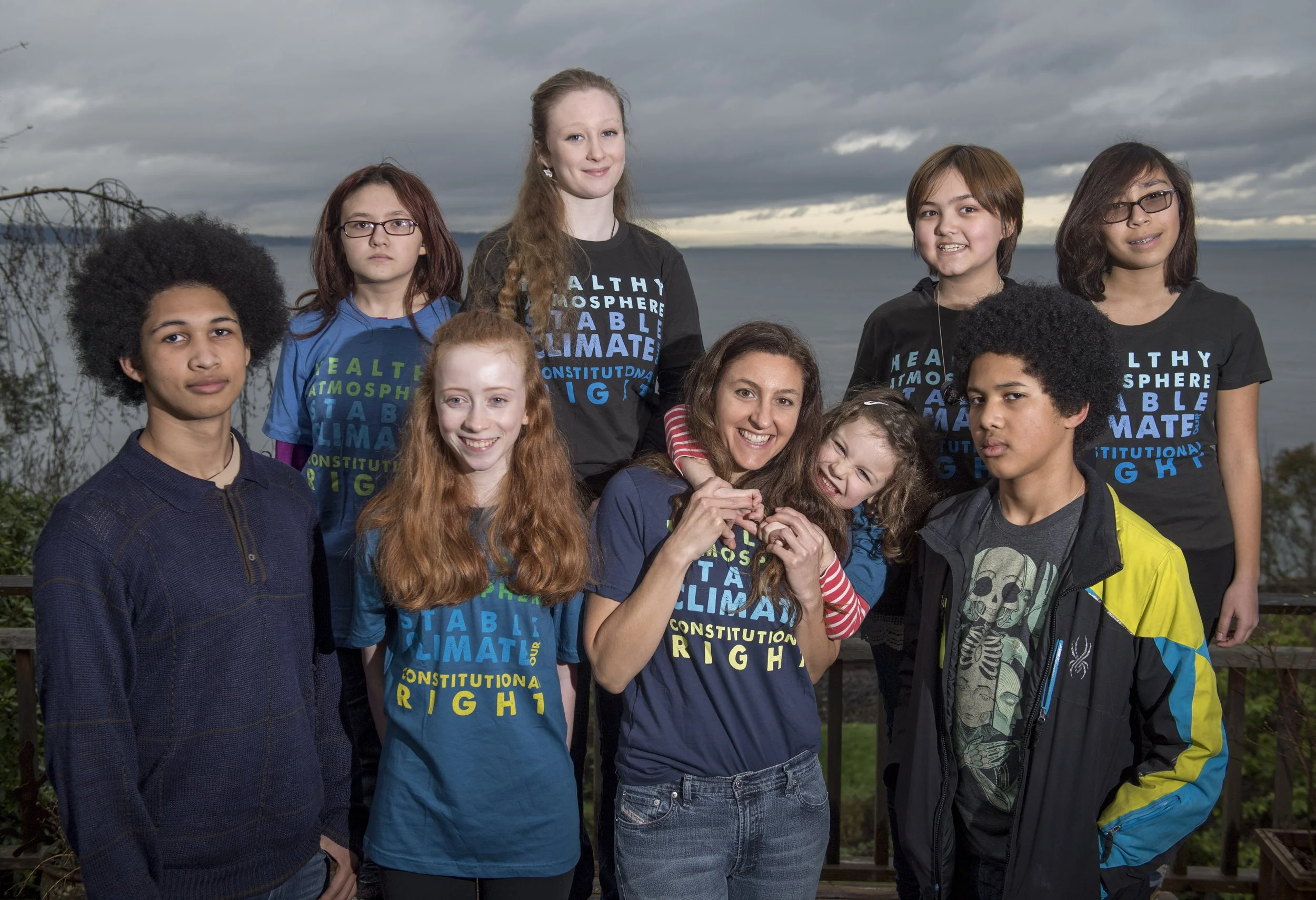
Andrea and youth plaintiffs, with her daughter, Vianne, behind her. Photo by Robin Loznak.
La Rose v. His Majesty the King was one of the first cases I developed when I came to Our Children’s Trust. The fifteen youth who are bringing this case are challenging Canada’s contribution to dangerous policies and actions that cause the climate crisis, and their case argues the federal government is violating their rights to life, liberty, and security of the person under section 7 of the Charter.
Since the case was filed in 2019, it has moved slowly through the courts. Now, seven years later, it is finally heading to trial in Vancouver.
Scientific evidence will be presented by leading experts. Medical professionals will explain the harms young people are already facing. Indigenous scholars will explain how Canada has ignored First Nations’ experiences and expertise on climate change. Top constitutional lawyers will argue the case on their behalf. And most importantly, these young people will finally get the chance to take the stand and tell their stories.
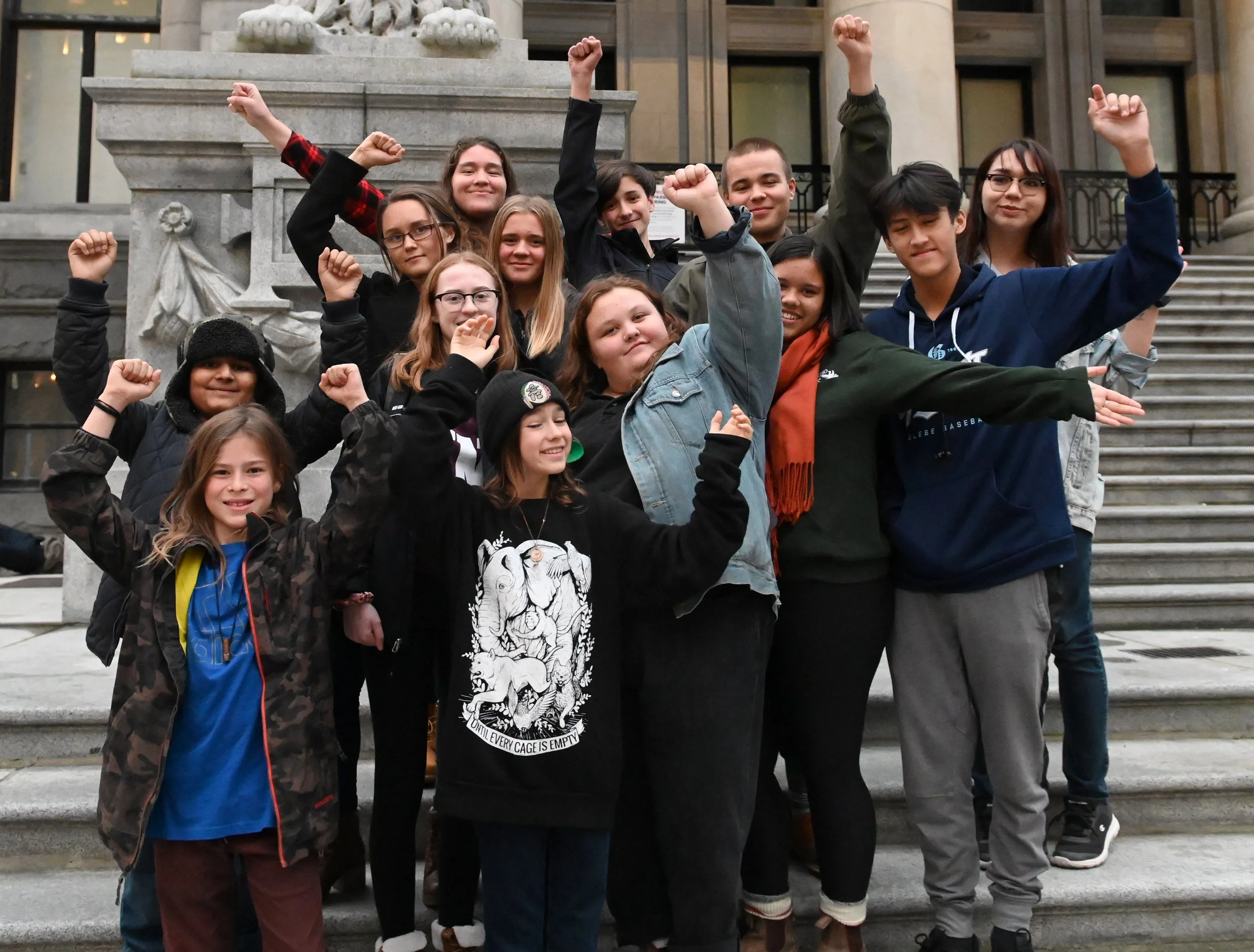
La Rose youth plaintiffs. Photo by Robin Loznak.
As a parent, you do everything you can to prepare your child for the future. You start a college fund. You take them to the dentist every six months. You go to regular doctor’s appointments. And now, in a world where our planet is warming at a dangerous rate, that responsibility also includes working to transition away from fossil fuels so they can live safe and healthy lives.
My children, like kids around the world, need a planet where they can survive and thrive. The work I’ve done to hold governments accountable for their contribution to climate change is just another investment I’ve made in my children’s health, lives, and safety. In today’s world, that’s what we have to do to protect our children: not just prepare them for the future, but ensure they have a future. It’s not separate from parenting, but an extension of it.
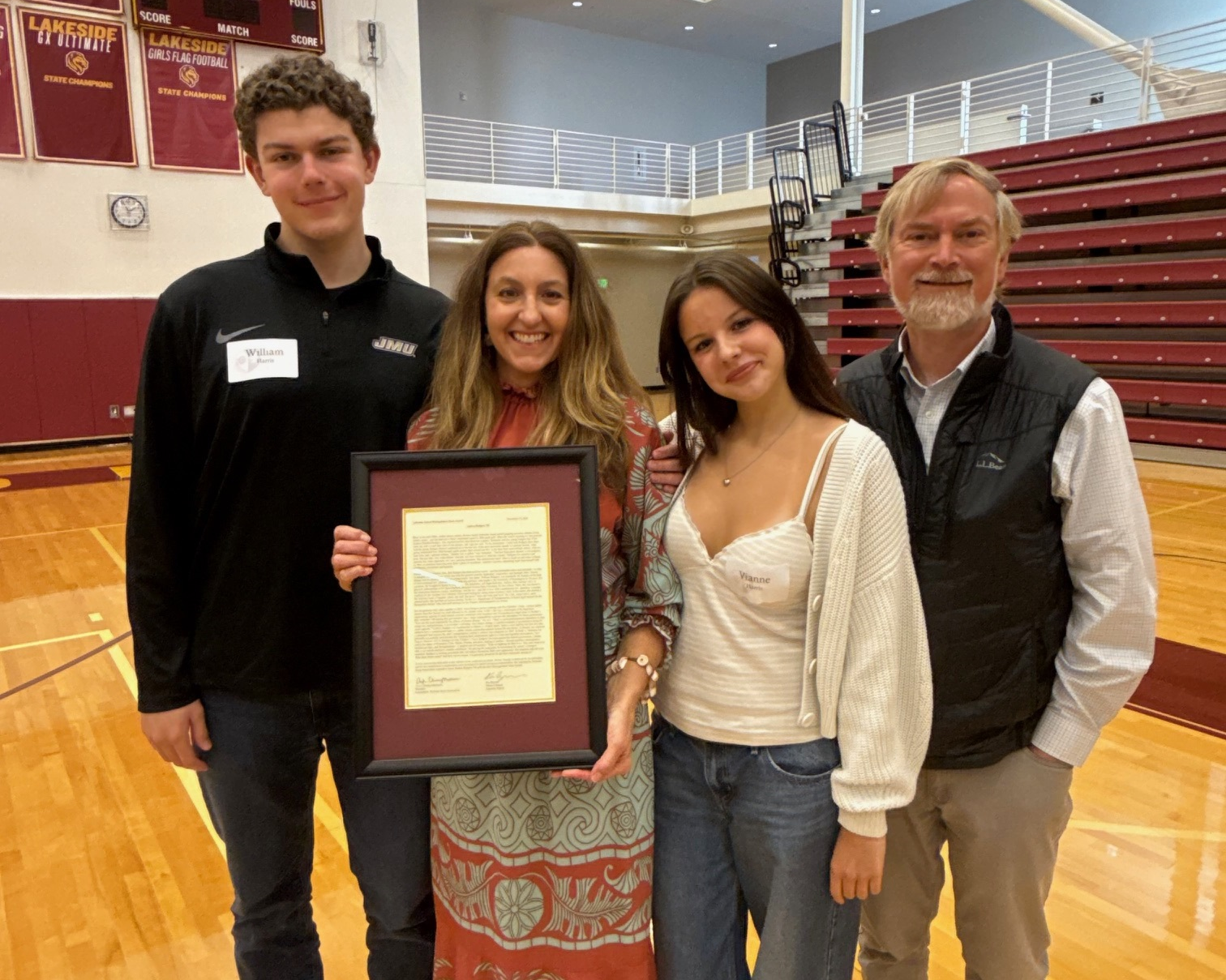
Andrea and her family.
My parents understood something similar.
My dad, William H. Rodgers, Jr., was an Environmental Law Professor for over fifty years, and some of my first memories were sitting in his law classes when I was a toddler. I’d sit in the back of the room with a pencil and paper, taking in the smell of Condon Hall at the University of Washington: old books and papers and justice being taught. And if my pencil broke, I would squeak to get his attention; I remember one of his students trying to distract me with his fancy calculator watch! Unlike the judge with my daughter, he never asked me to leave the room.
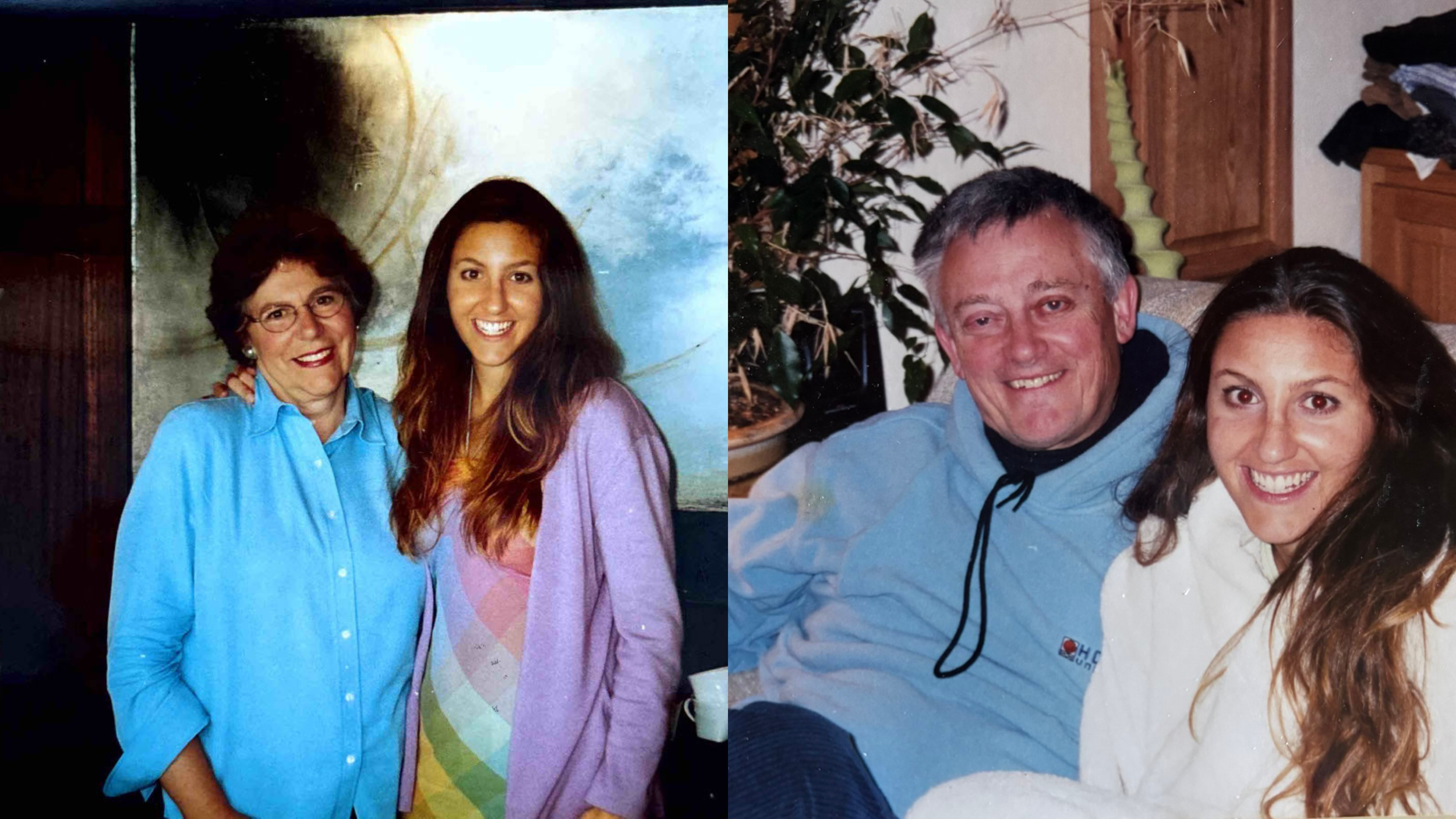
Andrea with her parents.
My father, or Professor Rodgers as he is most well known, is considered one of the founders of environmental law. He wrote the most cited environmental law treatises, several books, and hundreds of academic papers. He represented Indian tribes in the Pacific Northwest and defended treaty rights. My mother, too, dedicated her career to making the world a better place. She worked for UNICEF and was in the Peace Corps, often working on behalf of youth.
They each shaped my understanding of justice in different ways.
With my father’s passion for environmental law, and my mother’s for children’s rights, I find myself at the intersection of both: representing young people’s right to a healthy, livable climate.
But the most important lessons I have learned have not come from them alone. They have come from the youth I represent.
Working with young clients has changed how I parent. As a lawyer, I am trained to analyze, advise, and advocate. As a mother, I often want to step in and solve everything for my children. But with young clients, I am reminded of the importance of independence, agency, and self-advocacy. I get to explain the details to the youth, help them work through their choices, let their voices be heard, and give space for decisions that are not mine to make.
Working with these young people has made me a better mom. I have learned that I’m able to step back and let my own children learn, choose, and grow.
As an adult, I believe it’s so important to spend time with young people. They have a unique perspective and understanding of the world, often different than our own. The world changes so quickly, and our perspective narrows as we grow older. But when we listen and hear young people, our understanding expands again.
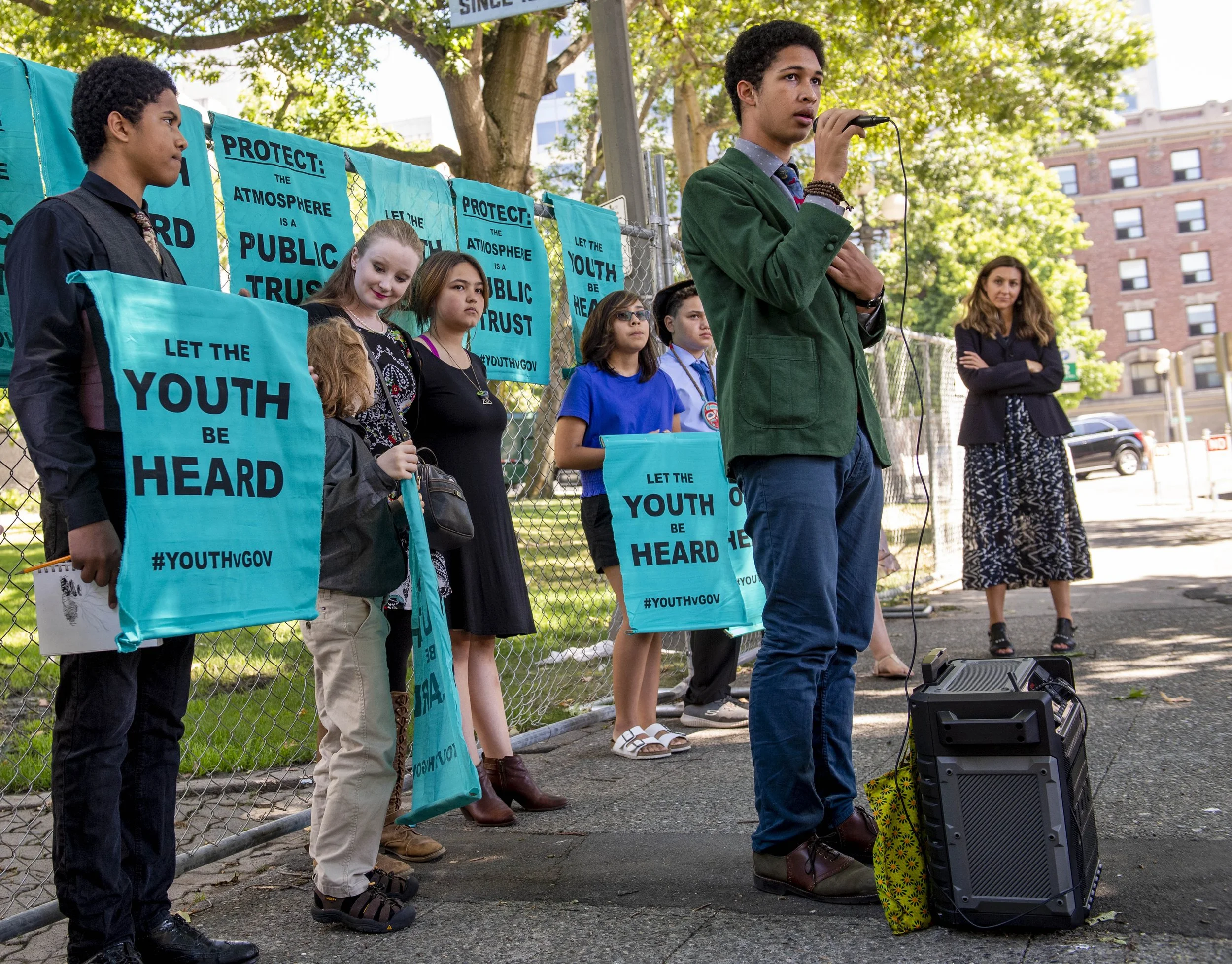
Andrea listens as a youth plaintiff speaks at an event.
That’s my hope for trial: the adults in the room will listen and truly hear these young people. And because of their courage, because of their stories, adults’ eyes will open and their vision will grow for what the future can be.
These plaintiffs in the La Rose case have truly grown up with their case. Most were minors when it began. Now, some are adults, one is a new mother herself, and others are building careers in law, research, and public policy. They spent their childhoods advocating for their rights, trying to hold the government accountable for contributing to dangerous climate change. And now, they’re bursting into adulthood, choosing to be a part of the solution, and continuing their quest for climate justice.
And with good reason.
Canada is warming two times faster than the rest of the world. The effects are devastating.
The climate crisis is urgent, and our children are the ones who will suffer—are suffering—the consequences. We have to act now: not just on their behalf, but by amplifying their voices right alongside us, and providing them justice.
As a lawyer, I want the youth to walk away from the La Rose trial not only with a victory and their rights restored and honored. I hope they leave with a renewed faith in the legal system, knowing they were heard and that their futures matter.
As a mother, I hope the same for my own children and for theirs. I want them to know there are adults who will hear them. Who will act. Who will not ask them to leave the room when what they have to say matters most.
Because the question is not whether children belong in the room. It is whether we are willing to listen to them when they speak.
As told to Emily F. Miller