
The Right to Be Yourself Requires a Safe Climate
June 16, 2026
Before a young person can dream about who they will become, they must first know they have a future in which to become it. A future with clean air and safe water. A future where they can speak freely. And a future where they walk through the world as their authentic selves without fear.
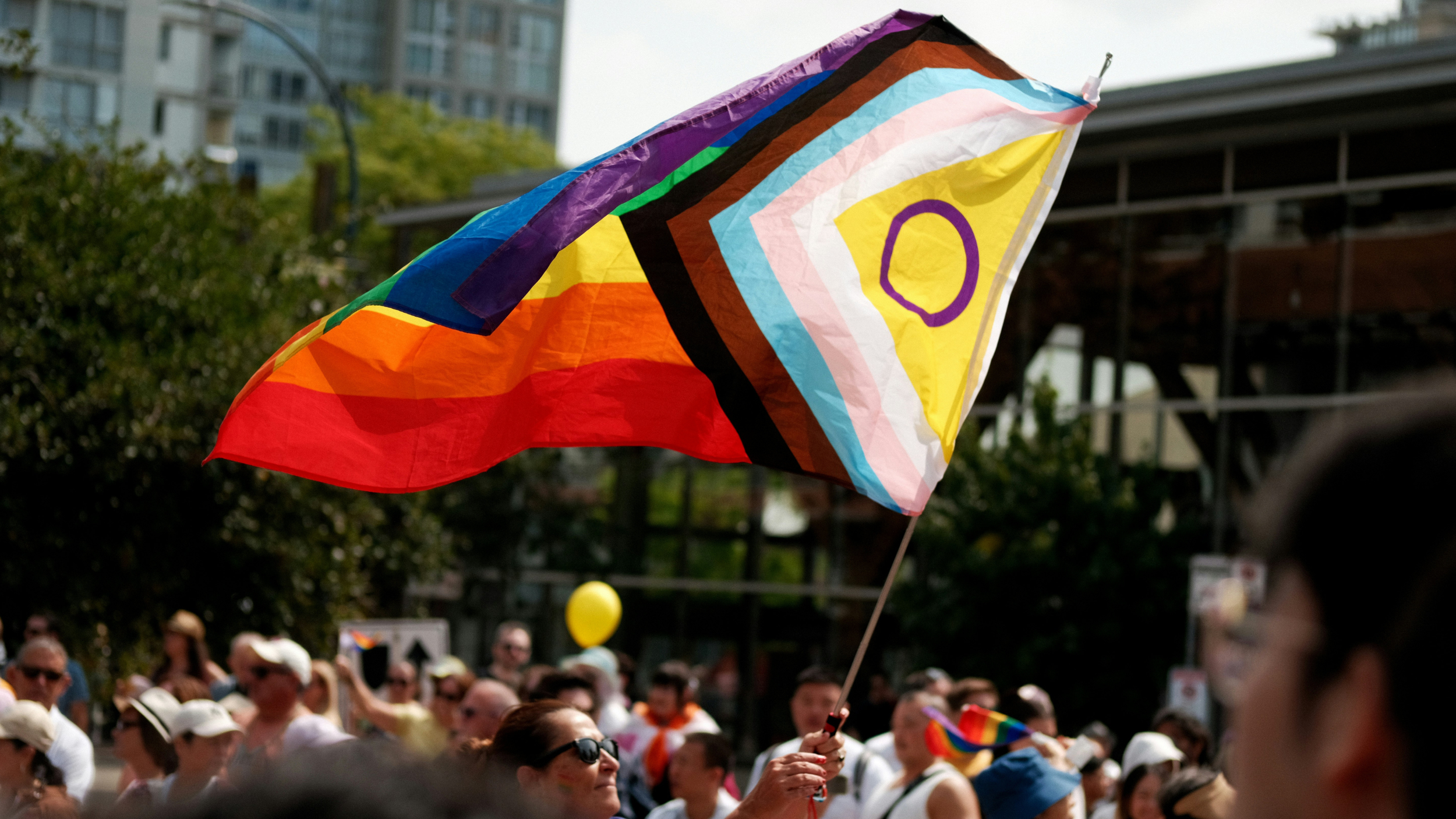
For generations, LGBTQIA+ people have fought for that future. Pride Month is often celebrated as a time of visibility, joy, and self-expression. And it is, but Pride is also a story of courage and people who refused to disappear when the world told them they should. It’s the stories of those who challenged unjust laws, confronted powerful institutions, and expanded the power of freedom to include more of us. That story feels especially important today.
As a lesbian in the LGBTQIA+ community, I know what it means to question whether your rights will be respected, whether you'll be accepted in society, and whether the future you envision for yourself will be available to you. Those experiences are not unique to me. In fact, they’re experiences shared by the many young people I work alongside every day at Our Children’s Trust.
Our youth plaintiffs come from different backgrounds, faiths, cultures, and communities. Some of them also identify as LGBTQIA+ and have experienced what it feels like to be overlooked and underestimated. Yet, they share a simple but powerful belief: that every young person deserves a future where they can live safely, authentically, and with dignity. That belief is at the heart of our work.
The climate crisis is often discussed in terms of temperatures, emissions, and extreme weather. But at its core, climate change is a human rights issue. It raises fundamental questions about whether young people will be able to enjoy their constitutional rights to life, liberty, health, and safety.
For LGBTQIA+ youth, these concerns can be particularly acute. Research shows that LGBTQIA+ communities often face heightened vulnerability during climate-related disasters due to existing social and economic inequities, discrimination, housing instability, and barriers to accessing resources and recovery support. Studies have also found that LGBTQIA+ youth report high levels of climate anxiety and concern about the future.
When systems fail, marginalized communities are often among the first to feel the consequences and the last to receive support. That’s why the fight to protect children and youths’ constitutional rights and ensure a livable future is deeply connected.
The LGBTQIA+ movement has always been powered by people who refused to accept that change was impossible. From pioneers like Marsha P. Johnson and Sylvia Rivera to leaders like Harvey Milk and Bayard Rustin, generations of advocates organized, litigated, protested, and persevered because they believed that freedom must belong to everyone—not just a select few.
The young people leading climate litigation today embody that same spirit.They are standing up before courts and governments because their rights and futures matter. And that the constitution must mean something in practice, not just on paper.
At Our Children’s Trust, we’re fighting for a future expansive enough to hold all of us. A future where every young person can stand in the fullness of who they are, look forward, and see a place for themselves in the world that’s coming.