

WEIBEL V. NATIONAL HIGHWAY TRAFFIC SAFETY ADMINISTRATION
On November 23, 2026, eleven young people from California and Hawaiʻi filed a petition challenging the federal government’s decision to weaken fuel economy standards for new cars and trucks.
Fuel economy standards set the floor for how far new cars must be able to travel on a gallon of gas. When cars go farther on less gas (higher fuel economy standards), they burn less fuel and put less pollution into the air. In September 2026, the National Highway Traffic Safety Administration (NHTSA), part of the U.S. Department of Transportation, rolled the existing standards back, erasing years of fuel efficiency gains.
The youth-led petition, Weibel v. NHTSA, asks the U.S. Court of Appeals for the First Circuit in Boston to review and reverse that decision.
WHAT THE ROLLBACK DOES
Under the old standards, new cars and light trucks were expected to average about 50 miles per gallon by 2031. Under the new rule, that number drops to about 35 miles per gallon. That is even lower than what new cars on the road already achieved in 2024.
Weaker fuel economy standards mean cars burning more gas, making car transportation even more expensive than it is today. Burning more gas also means more air pollution in our neighborhoods and children’s lungs, and more of the pollution driving climate change. NHTSA’s own analysis shows the rollback will increase harmful air pollution and reduce health benefits by up to $2.2 billion between 2041 and 2050, not including many of the climate damages the rollback will cause.
NHTSA also says climate change is not its concern. It calls the climate benefits of fuel economy standards an “ancillary byproduct,” or a side effect.
WHY THIS MATTERS FOR KIDS
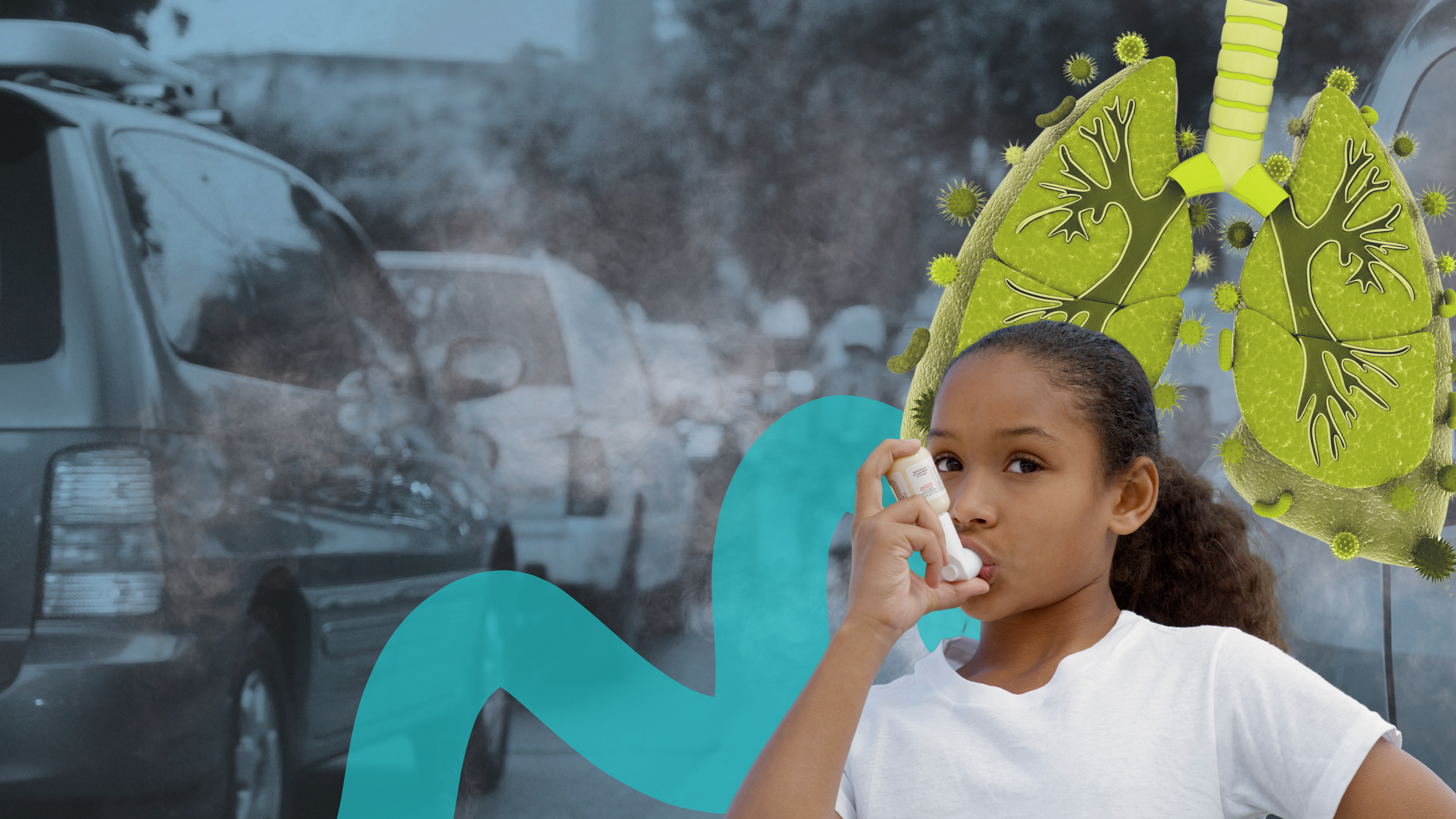
Children breathe faster than adults and their lungs are still developing, which makes them especially vulnerable to air pollution. Pollution from cars and trucks is linked to asthma and other lifelong health problems. The climate pollution from burning more gas also worsens the extreme heat, wildfire smoke and storms young people are already living with.
The young people bringing this petition say that when the government knowingly increases the pollution harming their health and safety, it violates their constitutional rights to life and liberty.
SQUEEZED FROM BOTH SIDES
The federal government is not only weakening its own standards. It is also trying to stop states from setting stronger ones.
In United States v. California Air Resources Board, the federal government is asking a court to strip California of its sovereign authority to limit vehicle pollution. It argues that the same federal law behind this rollback, the Energy Policy and Conservation Act, prevents states from setting their own vehicle pollution rules. NHTSA’s new rule says the same thing.
If the federal government wins on both fronts, no one would be left to limit pollution from cars, at the federal level or in the states, leaving children even more vulnerable to the effects of air pollution than they are today.
THE YOUNG PEOPLE
The petitioners are young people from California and Hawaiʻi who are working to defend California’s clean car standards in United States v. CARB. In September, a federal court let fossil fuel industry groups join that case and kept these young people out, calling their interests in their health and safety too far removed and not as important as industry’s desire for more profits. They have appealed that decision to the Ninth Circuit. Now they are also challenging the federal rollback directly.
Several of the petitioners are from Hawaiʻi, where the state constitution guarantees every person the right to a clean and healthful environment, which includes a life-sustaining climate. They are beneficiaries of the landmark 2024 Navahine v. Hawaiʻi Department of Transportation settlement, in which Hawaiʻi committed to zero emissions from its transportation system by 2045. The cars that come to the islands are built to national standards, so weakening those standards makes Hawaiʻi’s promise to its youth harder to keep.
Some of the petitioners are also challenging EPA’s repeal of federal greenhouse gas standards for vehicles in Venner v. U.S. Environmental Protection Agency. Together, their cases challenge every part of the federal government’s effort to leave cars and trucks with no meaningful pollution limits at all.
This rollback carries out the “Unleashing American Energy” executive order, one of the orders young people challenged as unconstitutional in Lighthiser v. Trump.
OTHERS CHALLENGING THE ROLLBACK
These youth join a coalition of 22 states, five cities and six environmental organizations that have also challenged the rollback. The petitions have been combined in the U.S. Court of Appeals for the First Circuit.
CURRENT STATUS
On November 23, 2026 Weibel v. NHTSA was filed with the U.S. Court of Appeals for the First Circuit. The court will issue a scheduling order, and the case will move forward on that timeline.
major moments timeline
The following is a timeline of major moments, filings, and rulings in this case, from November 2026 to today: