

Miko Vergun, Lighthiser v. Trump Plaintiff, Declares: “This is a Great Time to Have Hope”
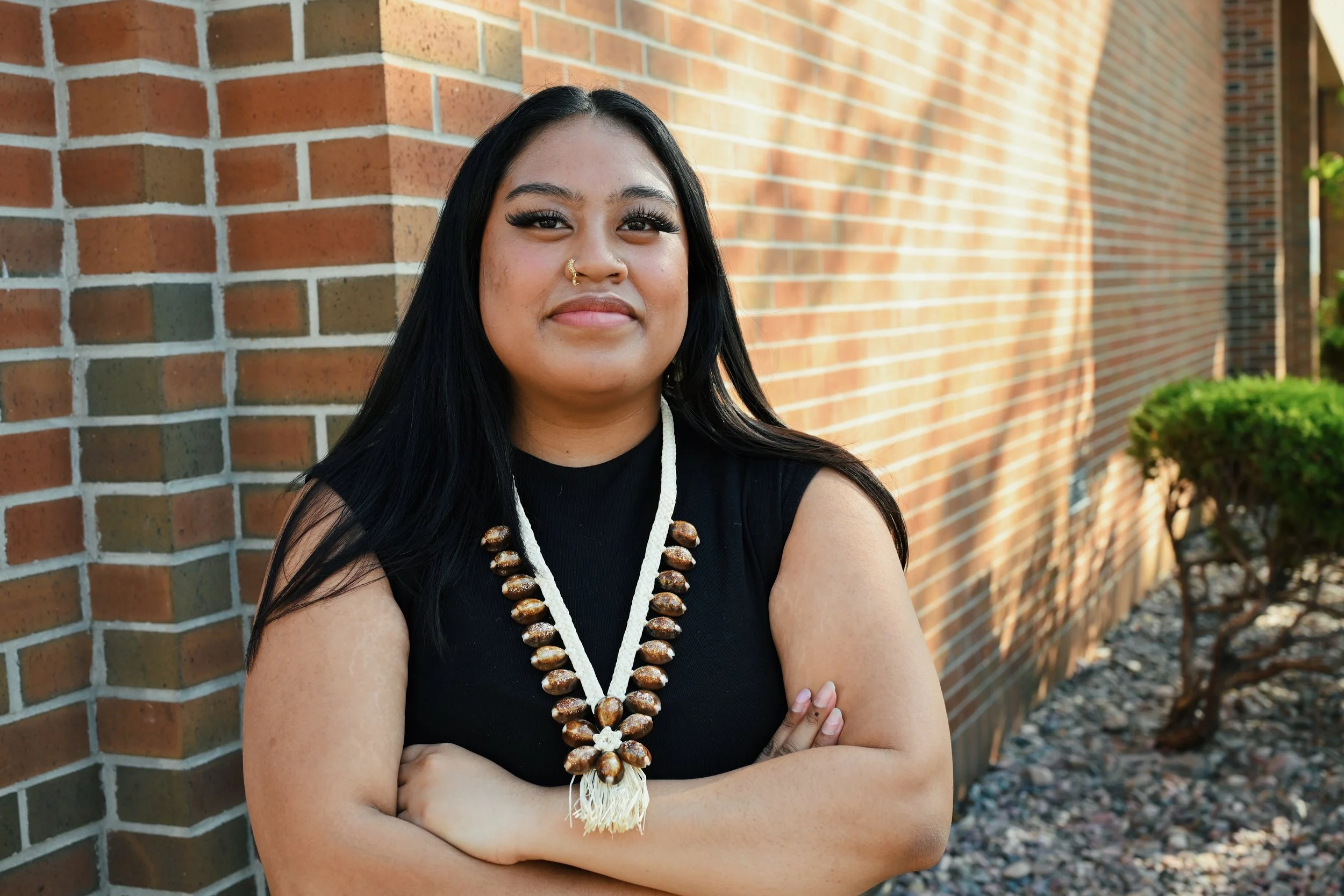
Miko Vergun, Lighthiser v. Trump youth plaintiff. Photo by Eillin Delapaz-Aceves.
April 29, 2026
By Emily Miller
On Monday, April 13th, Miko Vergun walked into the Ninth Circuit Courthouse in Portland—not as a bystander—but as a plaintiff in a landmark constitutional climate case.
Lighthiser v. Trump is unlike anything that has come before it. Miko and her 21 fellow plaintiffs are challenging President Trump’s pro-fossil fuel executive orders that “unleash” fossil fuels, block renewable energy development, suppress critical climate science, and worsen the climate crisis. They’re asking the court to let their case move forward and be heard on the merits.
“Climate change shows up in our daily life. It’s everywhere. And as the government continues to fast-track fossil fuel projects and stop research for renewable energy, I experience climate impacts more often.”
A Culture That Calls the Land Family
Miko is Marshallese. For her people, the land isn’t just geography—it's kin.
“My culture relies on and cares about the land: it is a family member.”
The Marshall Islands sit low and flat in the Pacific, with no mountains to buffer rising seas. No high ground to retreat to. Due to climate change-driven sea level rise, the islands face becoming one of the first places on Earth to disappear entirely beneath the ocean.
For her Bat Mitzvah project, Miko didn't ask for gifts. She raised funds to build a community center in the Marshall Islands — a refuge from the storms and floods already intensifying today. It was both a deeply Jewish act — tikkun olam, leaving the world better than you found it — and a Marshallese one: caring for the land as you would a family member.
Despite these ongoing harms, Miko refuses to give in to despair. “I’ve heard climate change described as ‘a ticking clock of impending doom,’” she says. “And I agree that if we don’t act now, the window for change will keep shrinking. Real progress takes time, but it’s far better to see that change begin in our lifetimes than to leave it undone entirely. That’s why I joined this case—because I’m already experiencing the impacts of these executive orders here in Oregon, and I refuse to stand by while they get worse.”
A Historic Hearing—Already Written into the Record
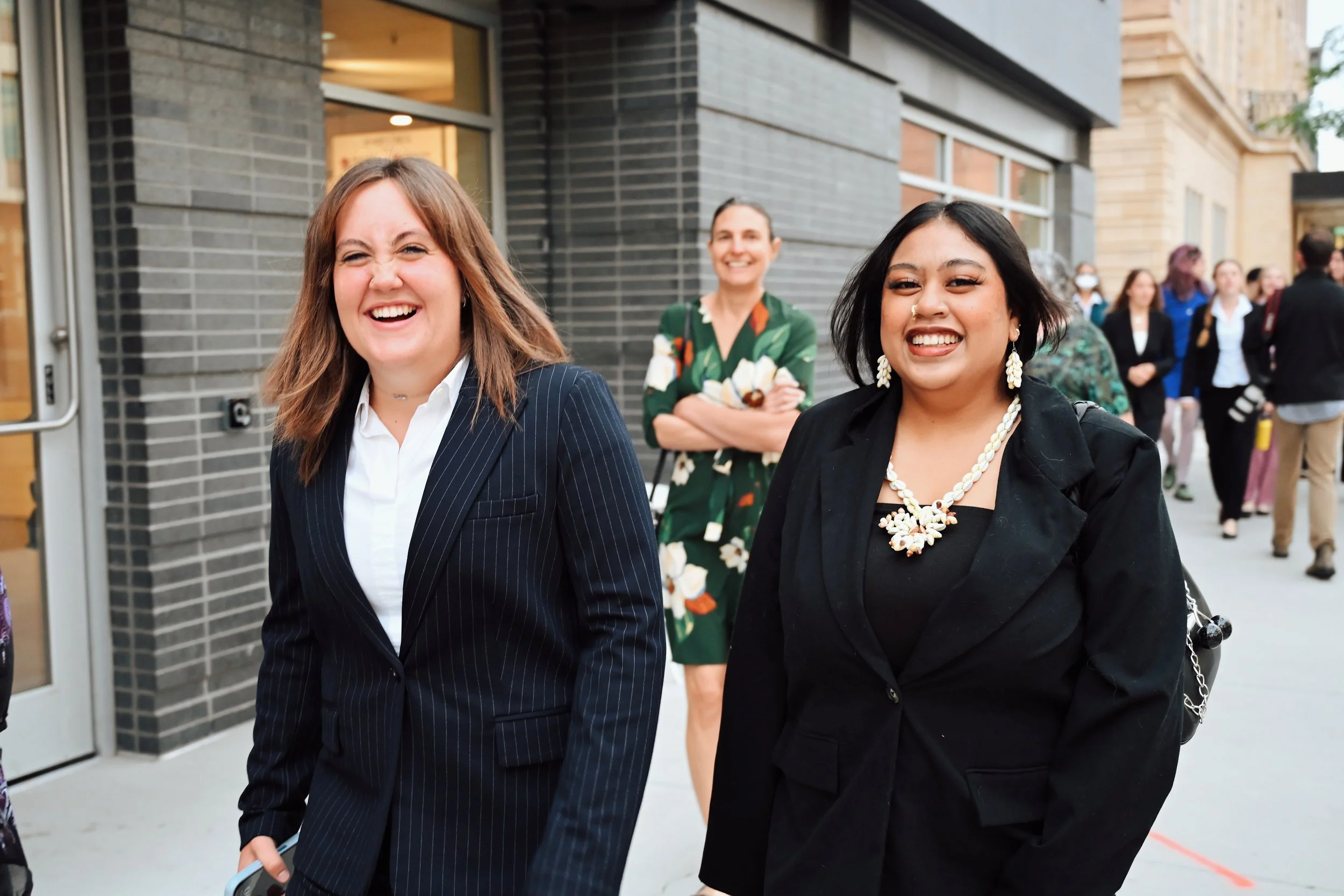
Lighthiser v. Trump youth plaintiffs Avery (left) and Miko (right), heading to court in Missoula, MT, in September 2025. Photo by Eillin-Delapaz-Aceves.
Last September, Lighthiser made history as the first constitutional climate case led by young people to be heard in federal court with live, in-person testimony.
Miko was there. She watched her fellow plaintiffs step up to the microphone — not outside on the courthouse steps, but inside, under oath, with every word transcribed.
"It was extremely powerful to hear their stories," she recalls. "It was emotional for everyone, and it was a privilege to hear."
Miko hasn't taken the stand yet, but she is standing for her rights nonetheless, and if the case proceeds to the merits, she too will finally have the right to be heard loud and clear in federal court after working to claim her rights for 11 years. “To be a young woman speaking up for climate justice and being a part of this case is an honor and a privilege.”
People and Playlists
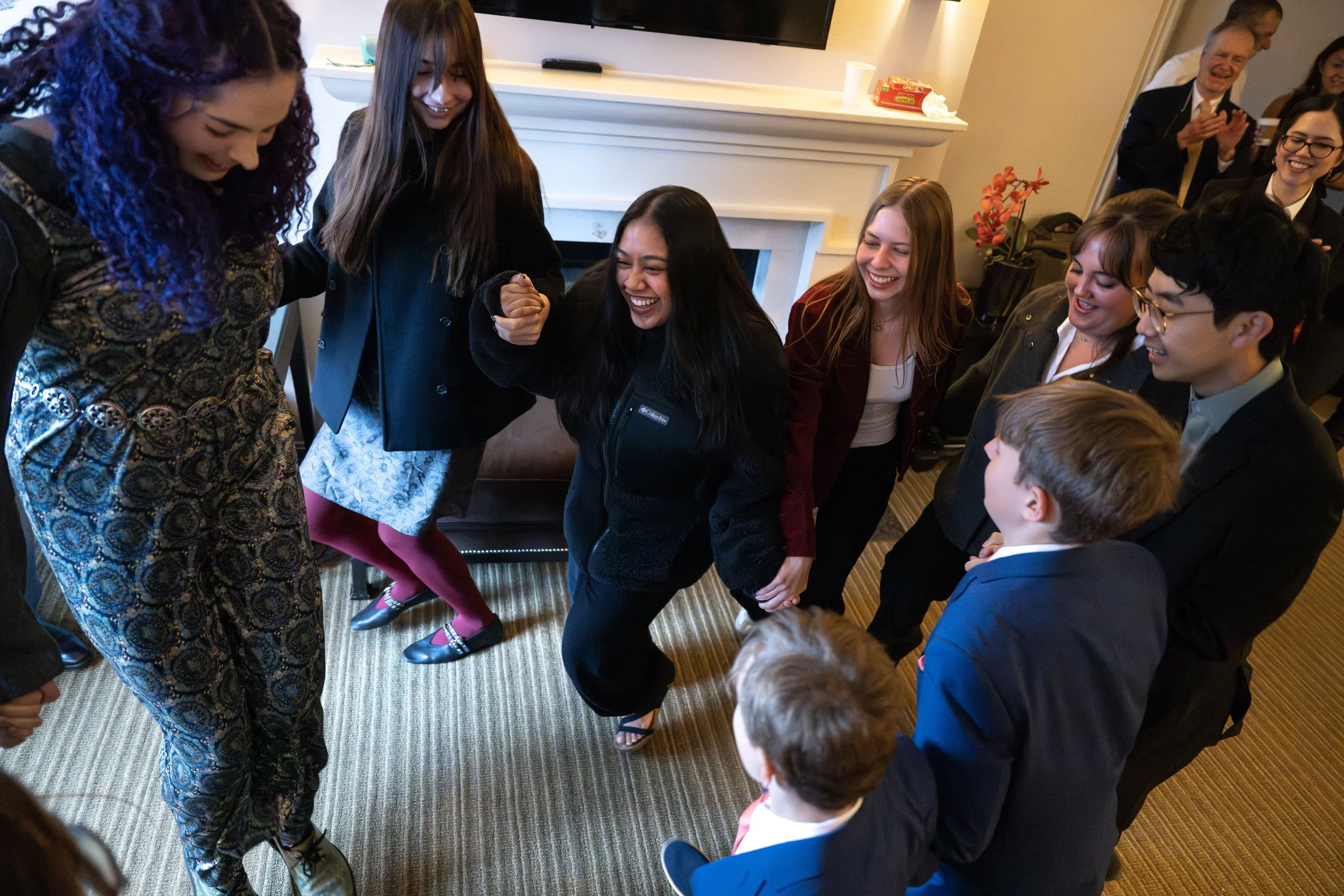
Miko and her fellow youth plaintiffs dancing before heading to court in Portland, OR, in April 2026. Photo by Robin Loznak.
Before oral arguments in Portland, the youth and their attorneys did something unexpected for most lawyers and plaintiffs before a court hearing: they danced.
Blasting “Ain’t No Mountain High Enough” by Marvin Gaye in their hotel room, they shook out their nerves and reminded themselves why they were there. For Miko, moments like this are essential.
There are two things that give her hope. The first is music. “Music is very impactful to my activism,” she says. She keeps a playlist for every occasion—including Marshallese Island reggae that helps her feel connected to her culture. “It was energizing to dance before the hearing,” she adds. “It got us ready to go into the court and helped me feel confident.”
The second is people.
More than a hundred supporters showed up before dawn, holding signs and cheering as the youth walked into the courthouse. Inside, the courtroom filled quickly. Others tuned in from a nearby watch party. Yet others streamed the hearing from homes across the world. Afterward, supporters gathered again to hear the plaintiffs and attorneys speak.
“It meant so much to have people show up,” Miko says.
She carries both with her into every difficult moment: the right playlist—and the knowledge that she isn’t standing alone.
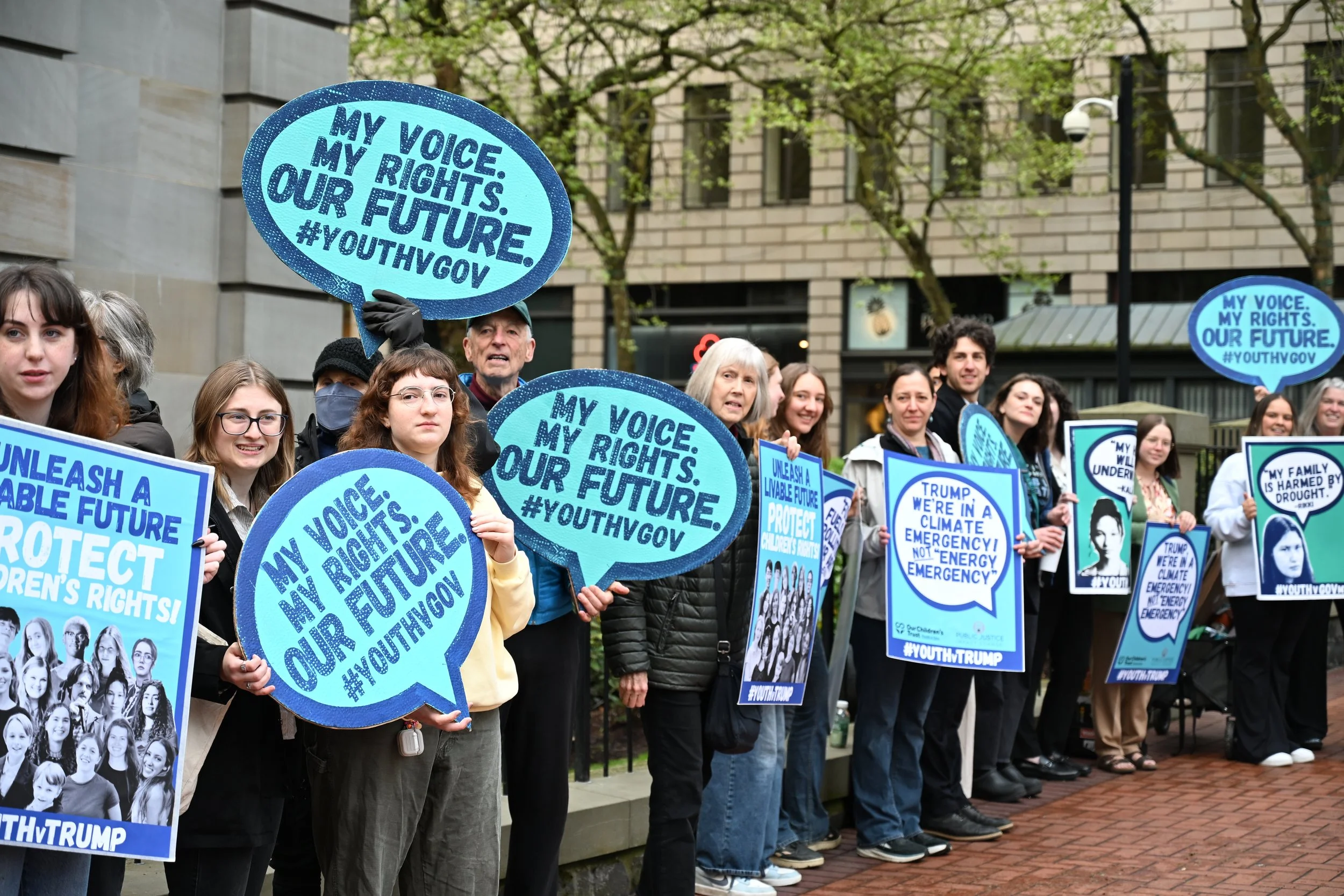
Supporters lined up outside the Ninth Circuit Court of Appeals in Portland, OR, in April 2026, to cheer on the youth plaintiffs. Photo by Eillin Delapaz-Aceves.
The message Miko wants supporters to carry with them is simple: “This is a great time to have hope.”
She knows how heavy the work can be, especially when you are constantly being hit with bad news. She knows the fatigue of caring deeply in a world that sometimes seems not to care back. But she refuses to equate urgency with despair.
“For me, hope is not passive. It is something you choose, and something you act on.”
Watch a video about the Lighthiser v. Trump Ninth Circuit hearing here and read a full recap here.