

The Legacy of the Juliana 21
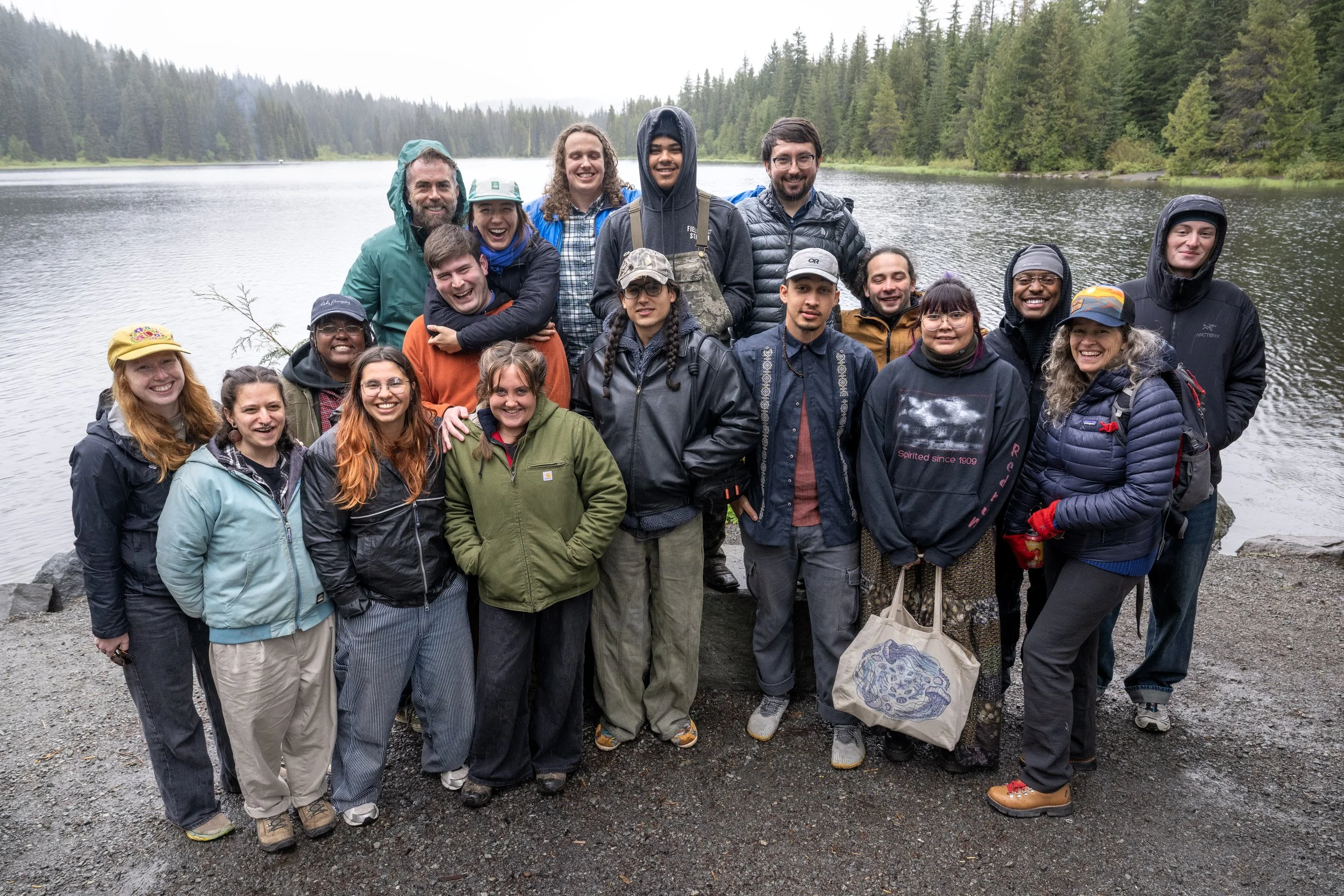
Juliana v. U.S. plaintiffs and their team of attorneys came together for a special gathering in Oregon in May 2026. Photo by Robin Loznak
July 22, 2026
In May, the Juliana 21 came together again.
Not for a deposition. Not for a training. Not for a major litigation milestone.
They gathered to be together. To celebrate. To remember. And to say goodbye to a chapter that had consumed nearly a decade of their lives.
Juliana v. United States is a landmark constitutional rights case that helped ignite a global movement. Twenty-one youth challenged the federal government for its actions that exacerbated the climate crisis and violated the youngest generation’s constitutional rights.
For nearly a decade, the Juliana youth asked the courts for one simple thing: Hear us.
They asked for the opportunity to present their evidence, tell their stories, and prove their claims at trial. U.S. District Judge Ann Aiken recognized the gravity of those claims, writing that “the right to a climate system capable of sustaining human life is fundamental to a free and ordered society.” But the Juliana 21 never received the trial she believed they deserved. The Ninth Circuit ultimately ordered the case dismissed for lack of standing, and the Supreme Court declined to review that decision.
As attorneys, this case was monumental to us. The legal team at Our Children’s Trust poured thousands of hours into Juliana. We had countless meetings, attended hearing after hearing, and wrote hundreds of thousands of words across years of briefs and filings.
We gave our labor.
The plaintiffs gave years of their childhoods.
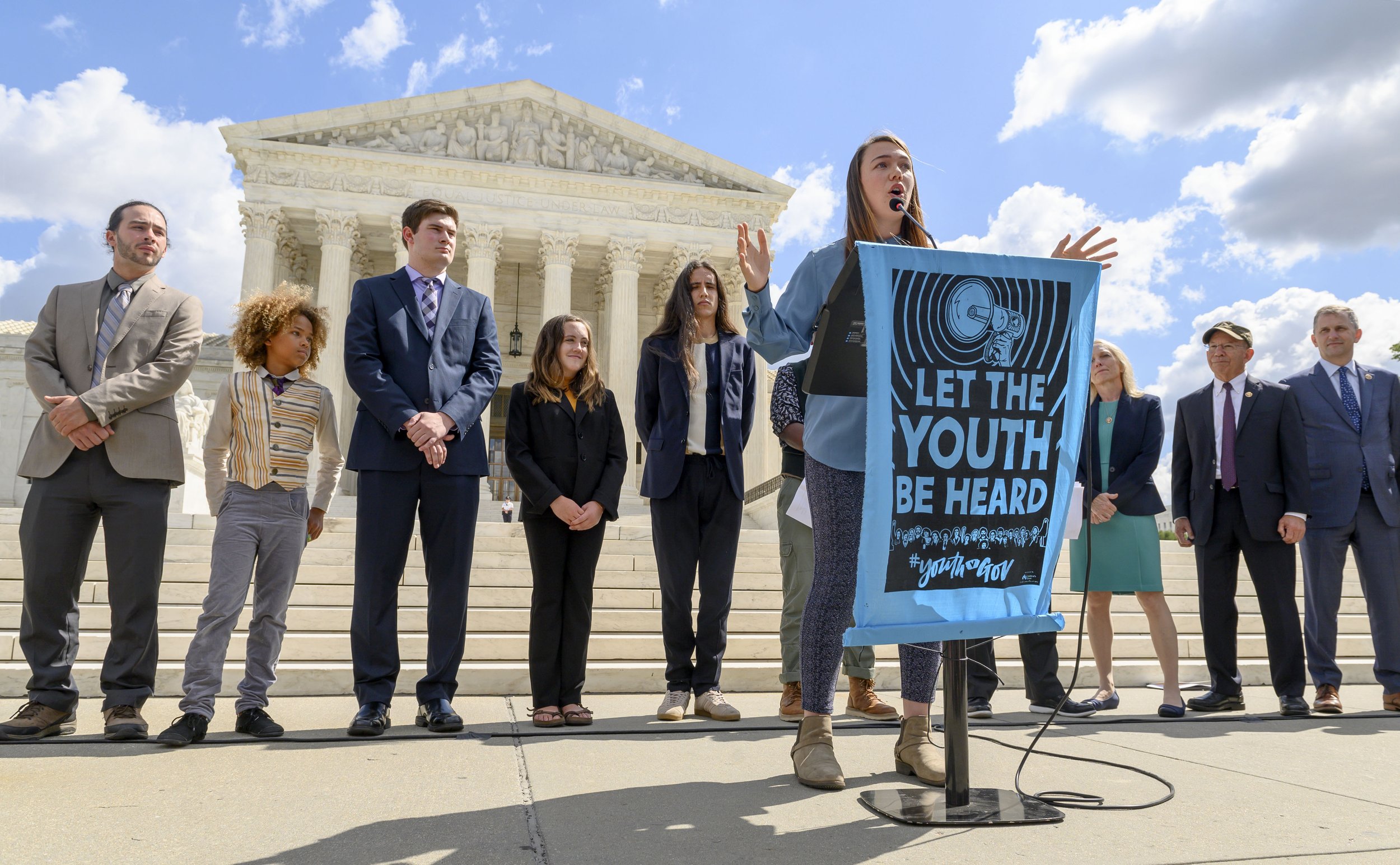
Juliana youth plaintiffs speaking at a press conference in D.C. Photo by Robin Loznak
They were between 8 and 19 years old when the case was filed. At ages when they should have been free to focus on school, friendships, first jobs, and discovering who they wanted to become, they were also carrying the weight of a constitutional case against the most powerful government in the world.
They did it because they believed their rights, and the rights of every child who would come after them, were worth fighting for.
So, in May, the Juliana attorneys and plaintiffs gathered together without a working agenda or legal matters to discuss. For once, there was nothing to prepare for and nothing to prove.
This was simply space to be together in our humanity.
We hiked. We ate meals together. We shared updates about our lives and unearthed hidden talents. We belted songs during karaoke and cried. Alright, it was me—I’m the one who cried.
More importantly, we began processing what the last decade together had meant.
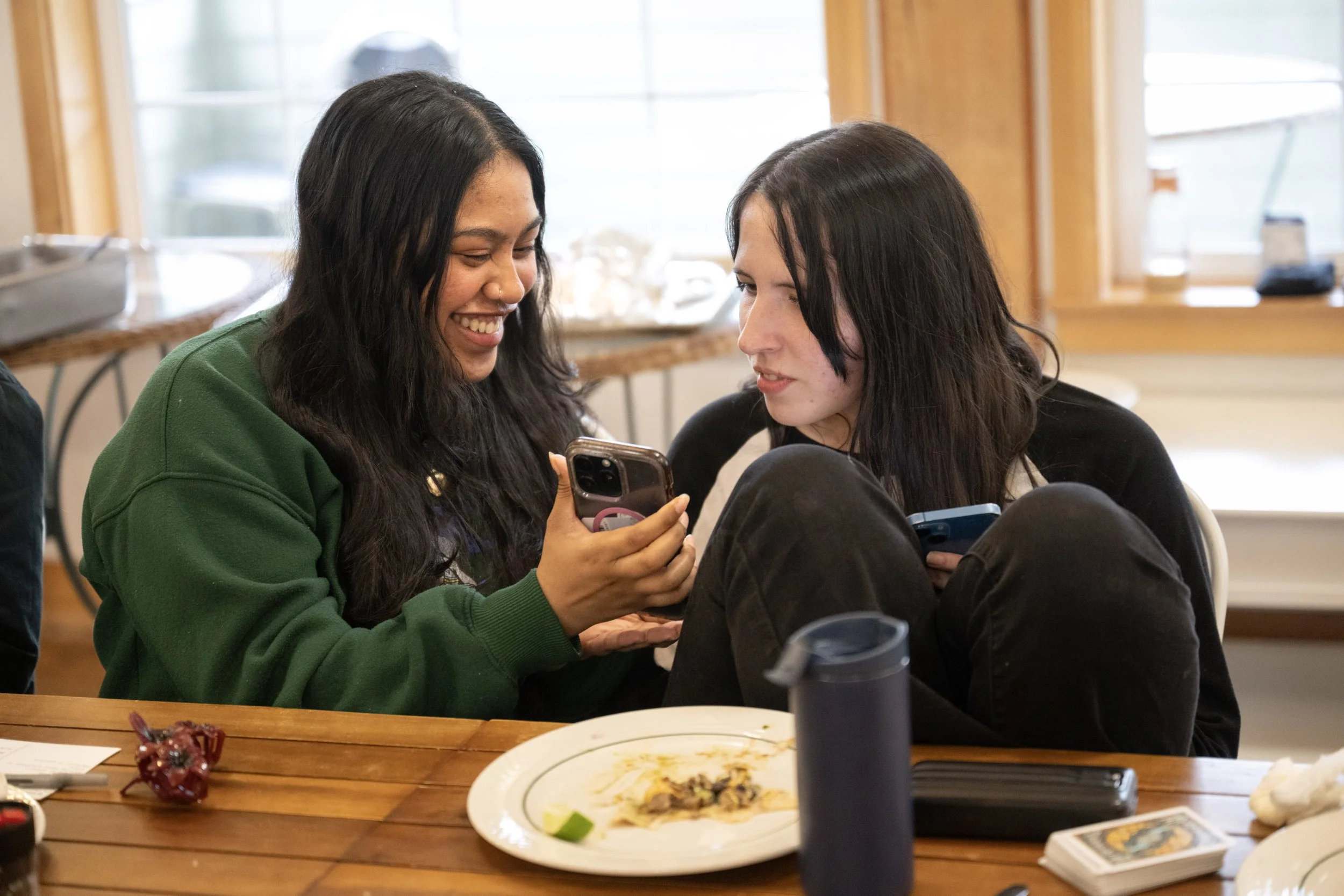
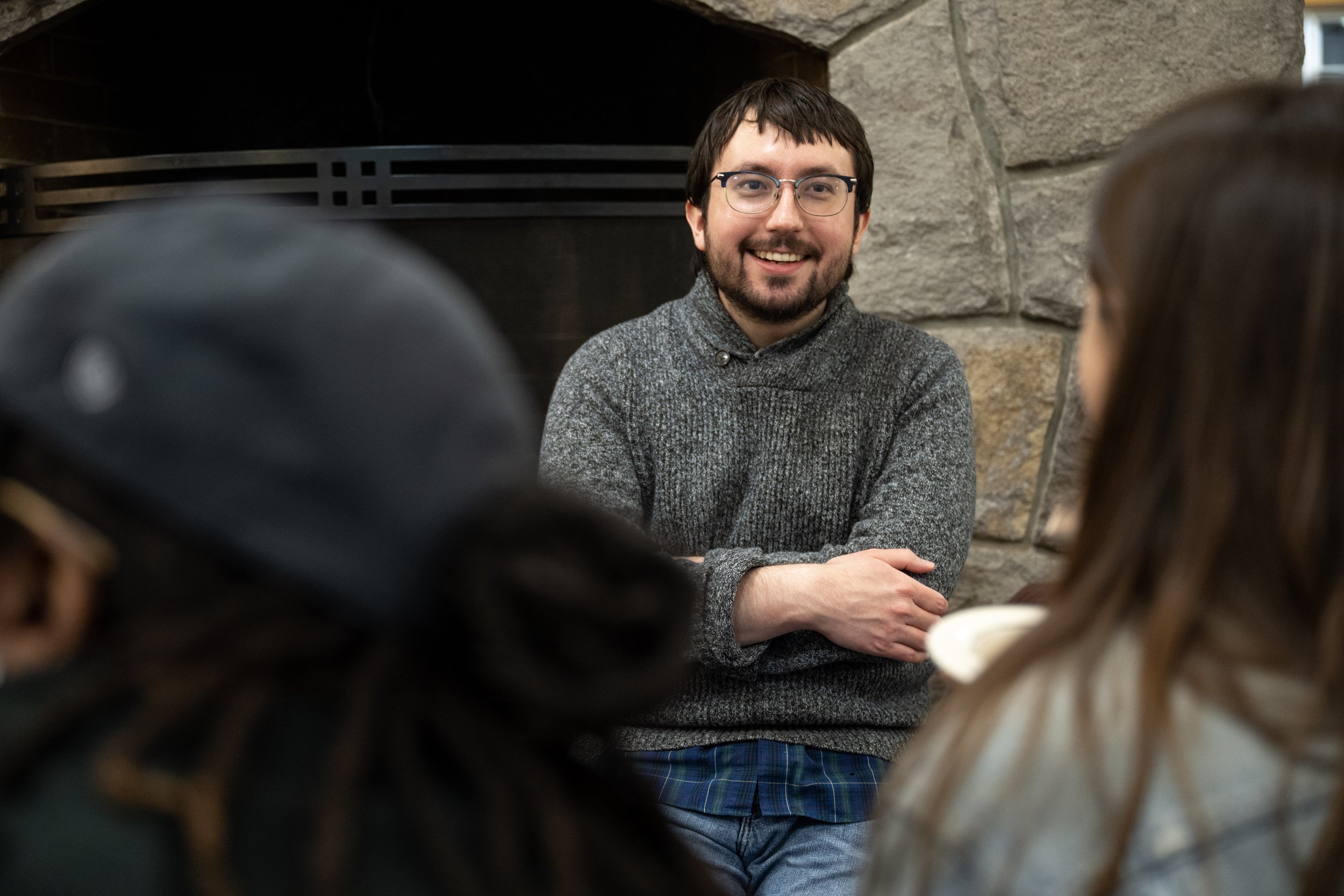
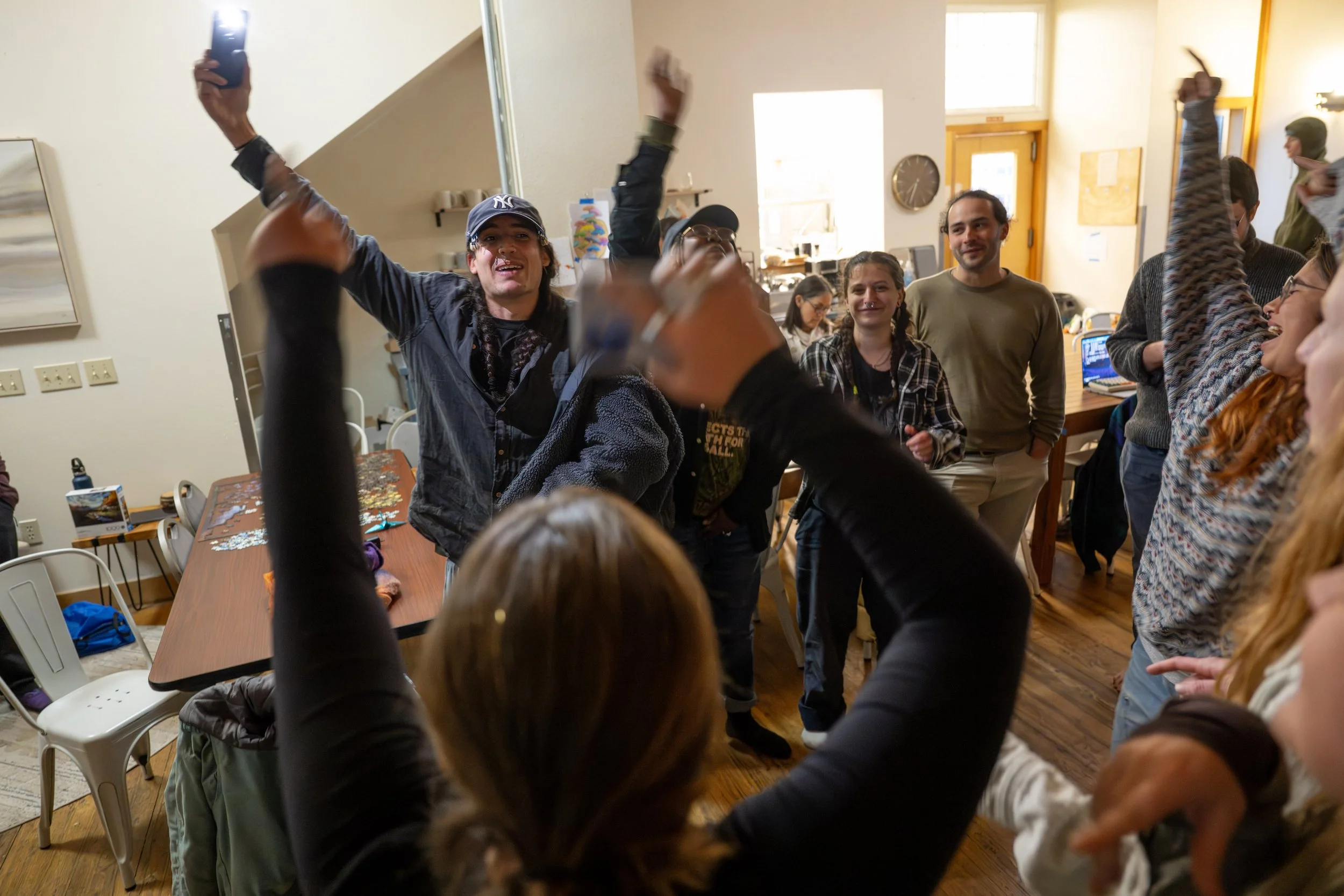
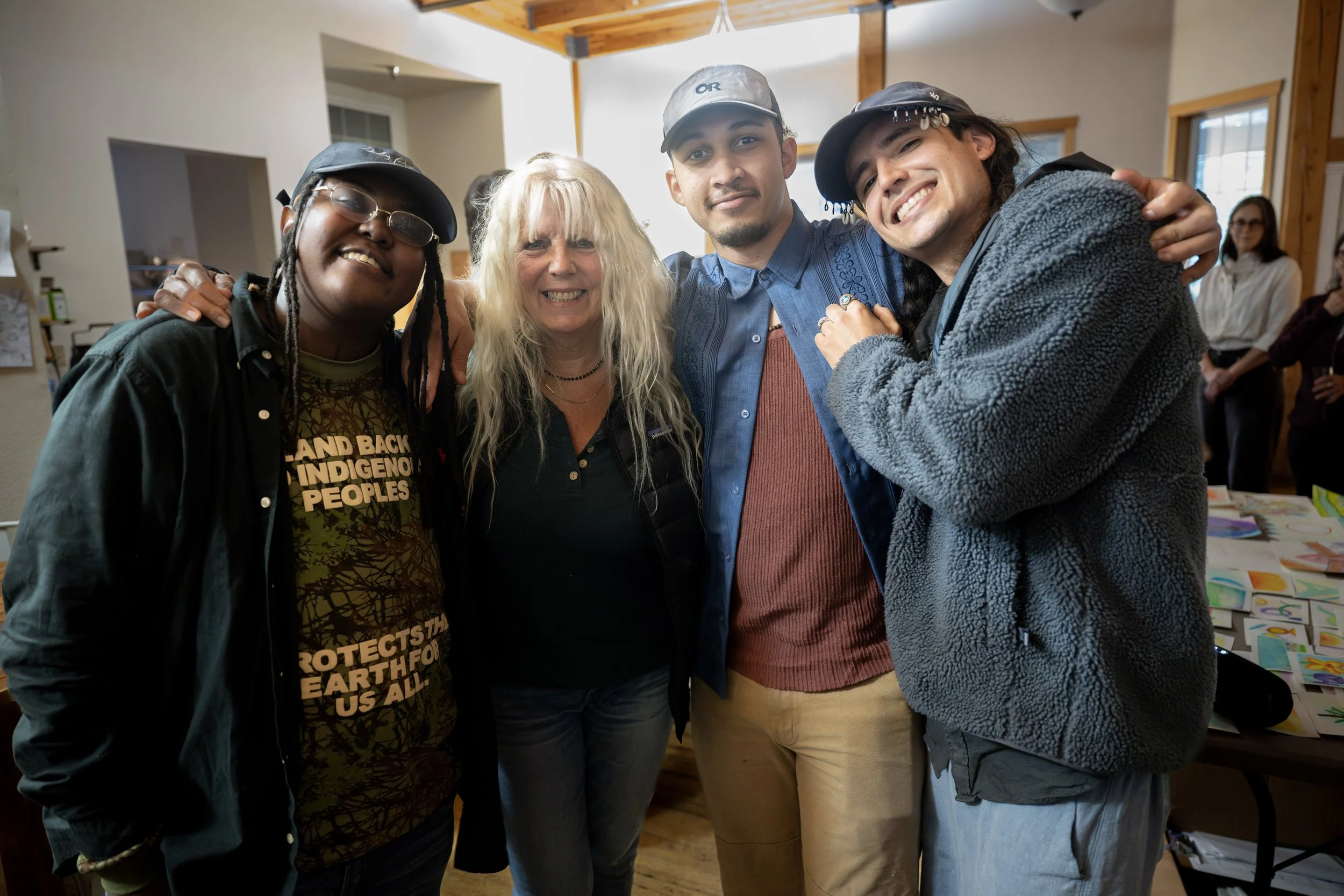
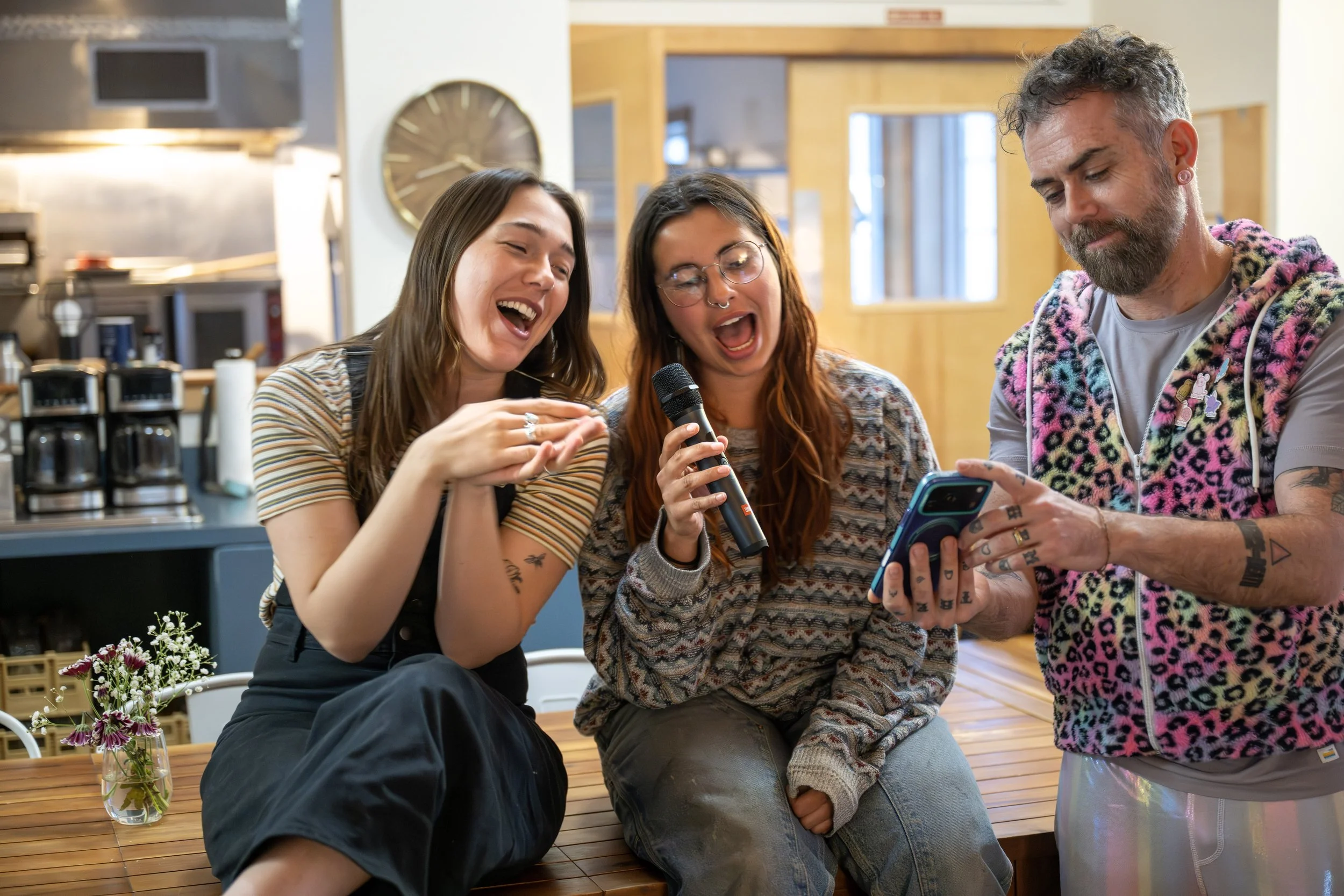
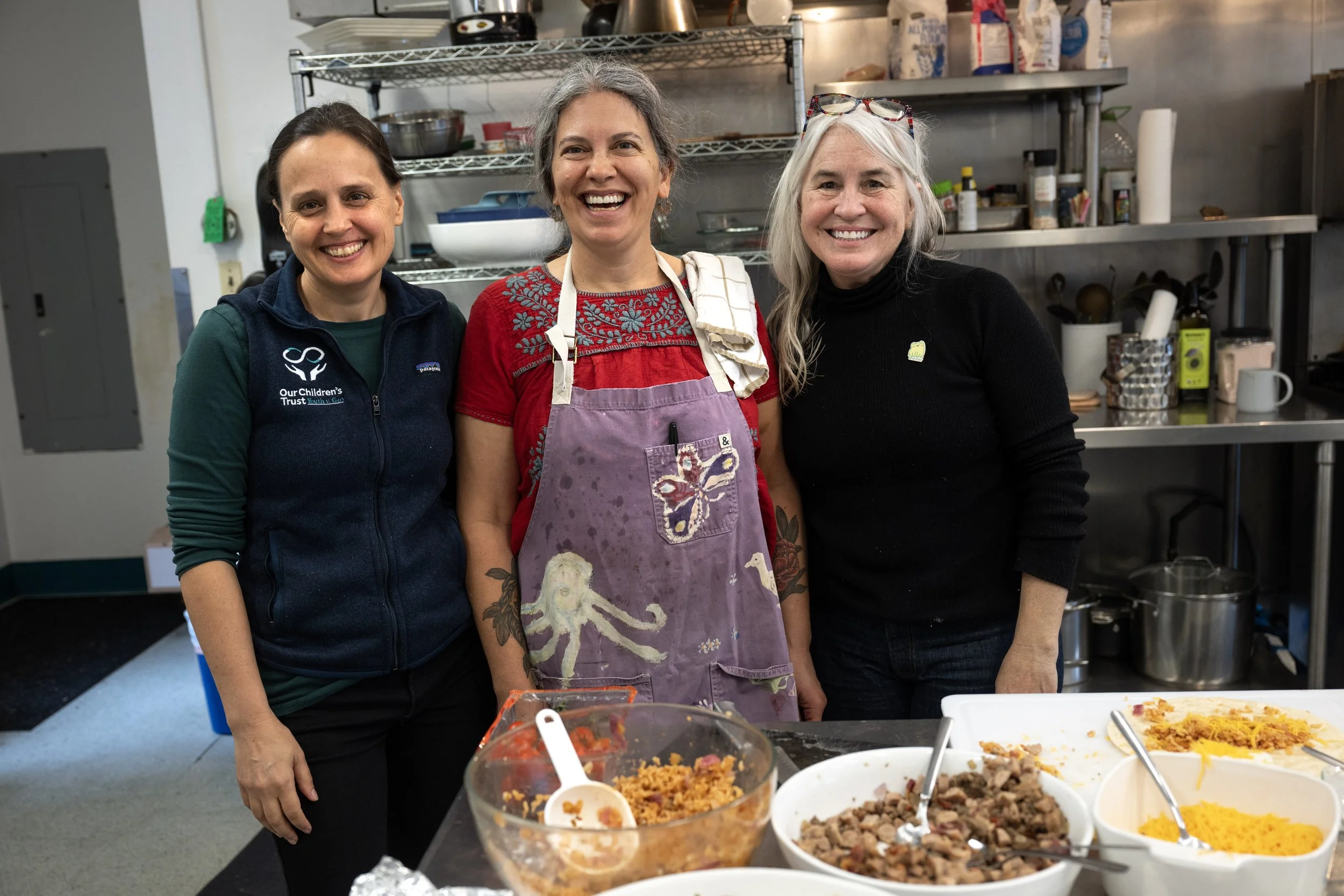
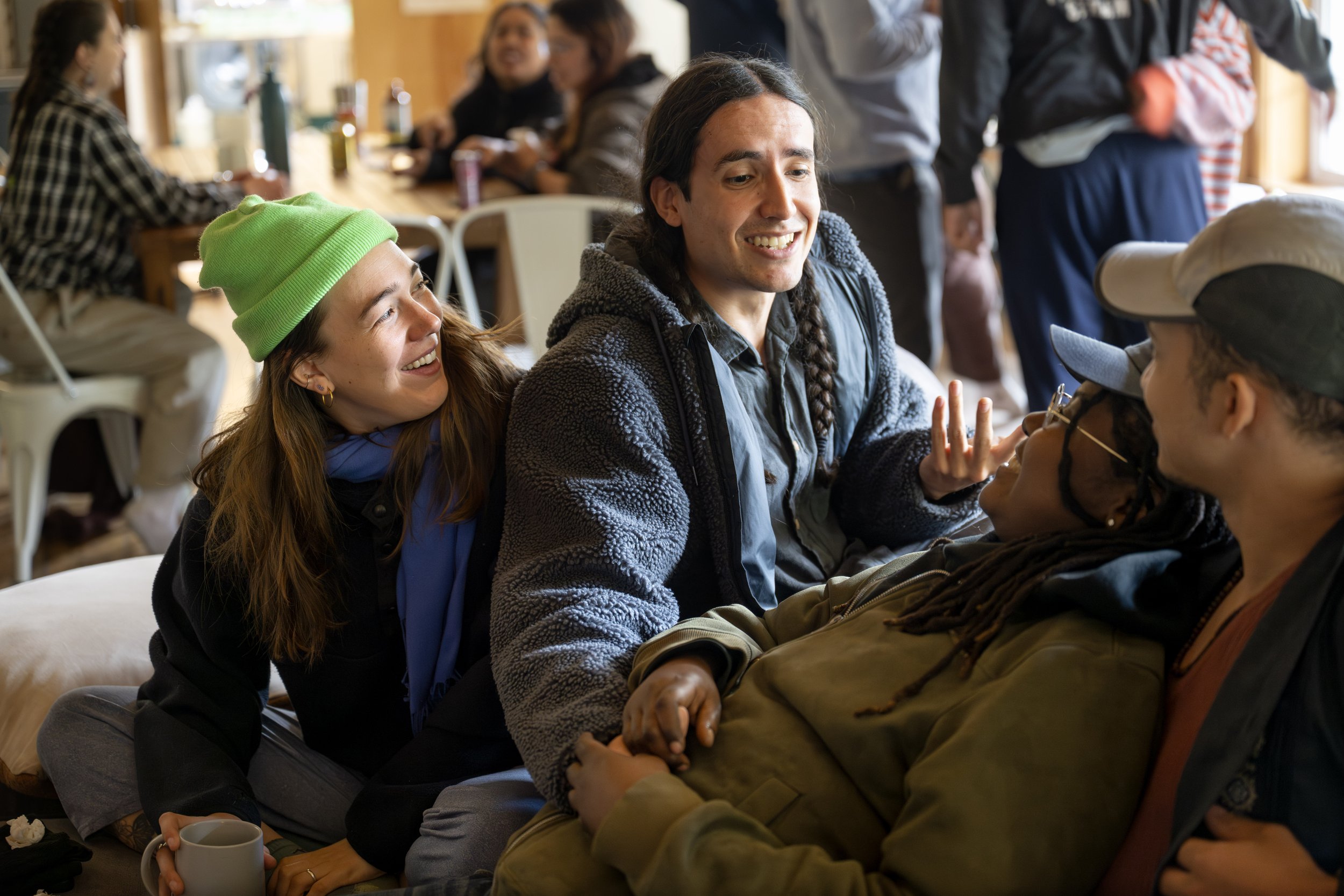
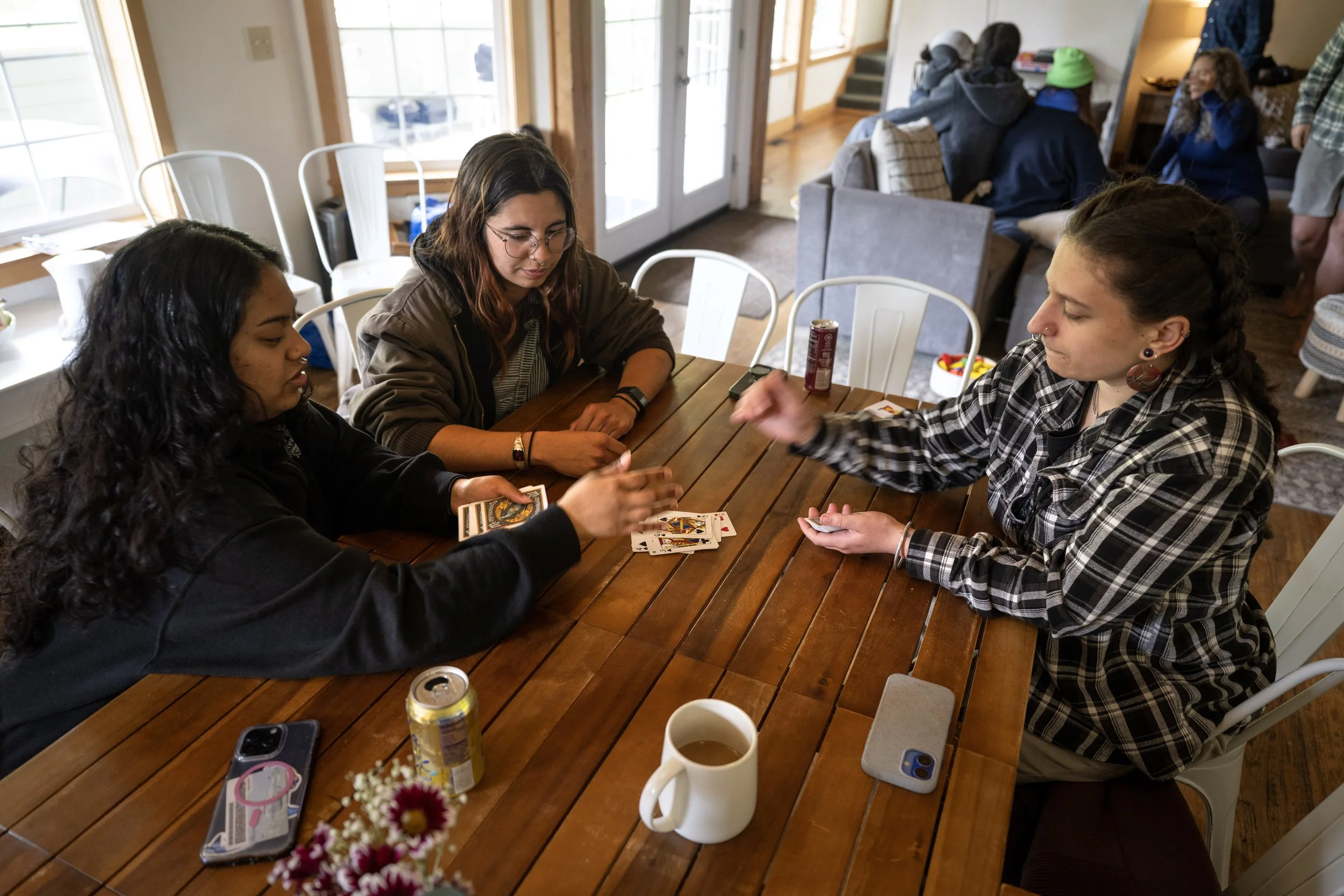
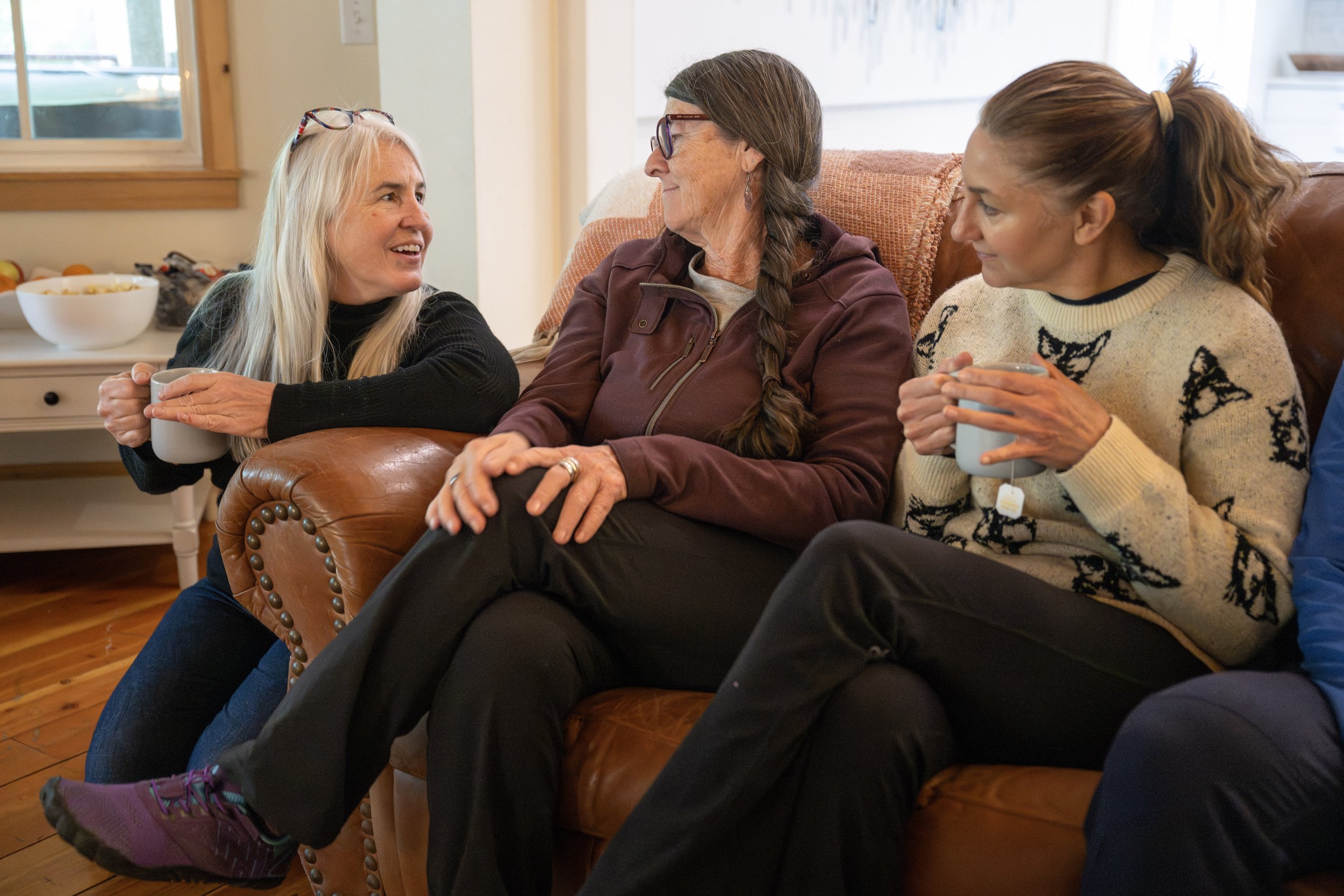
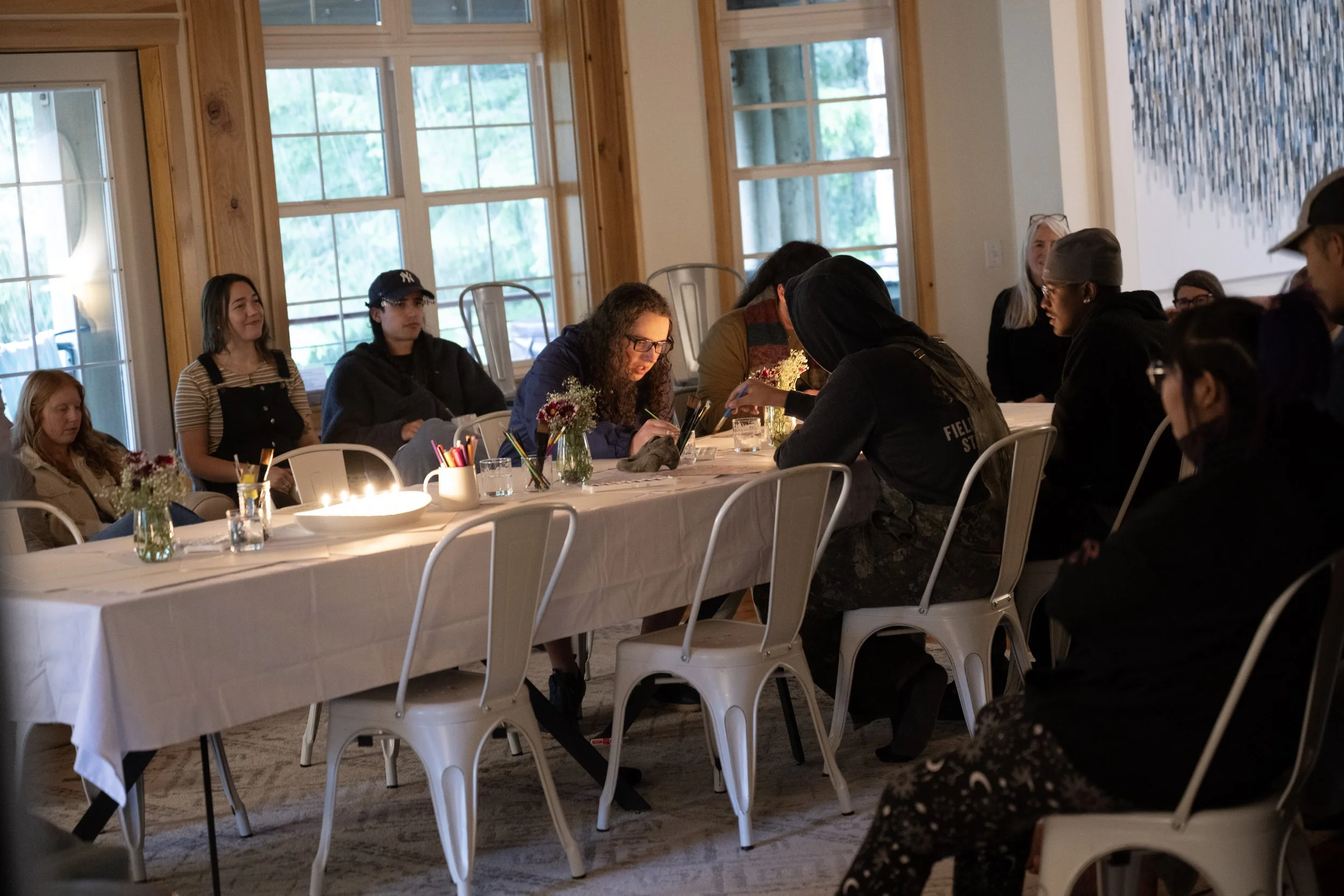
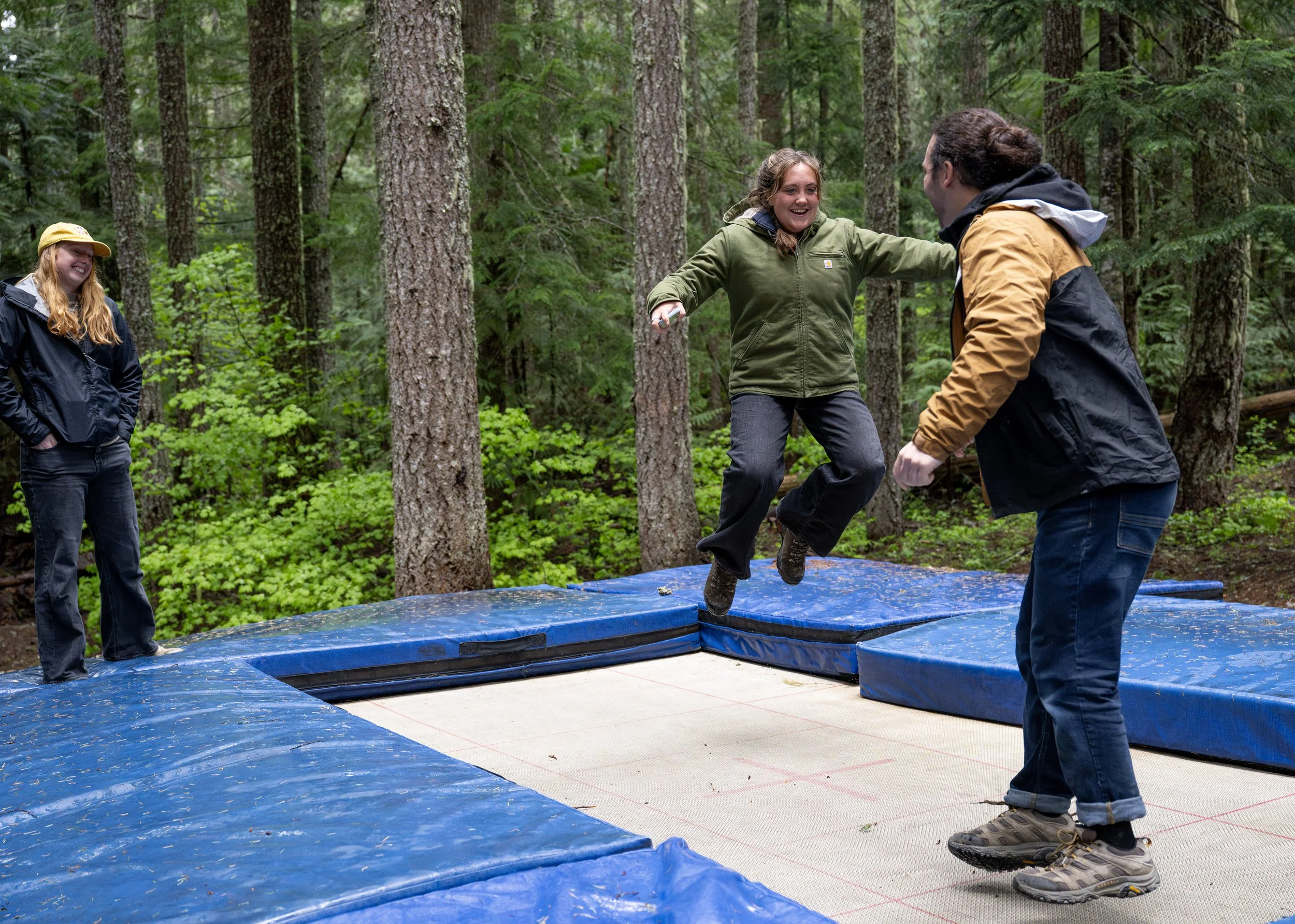
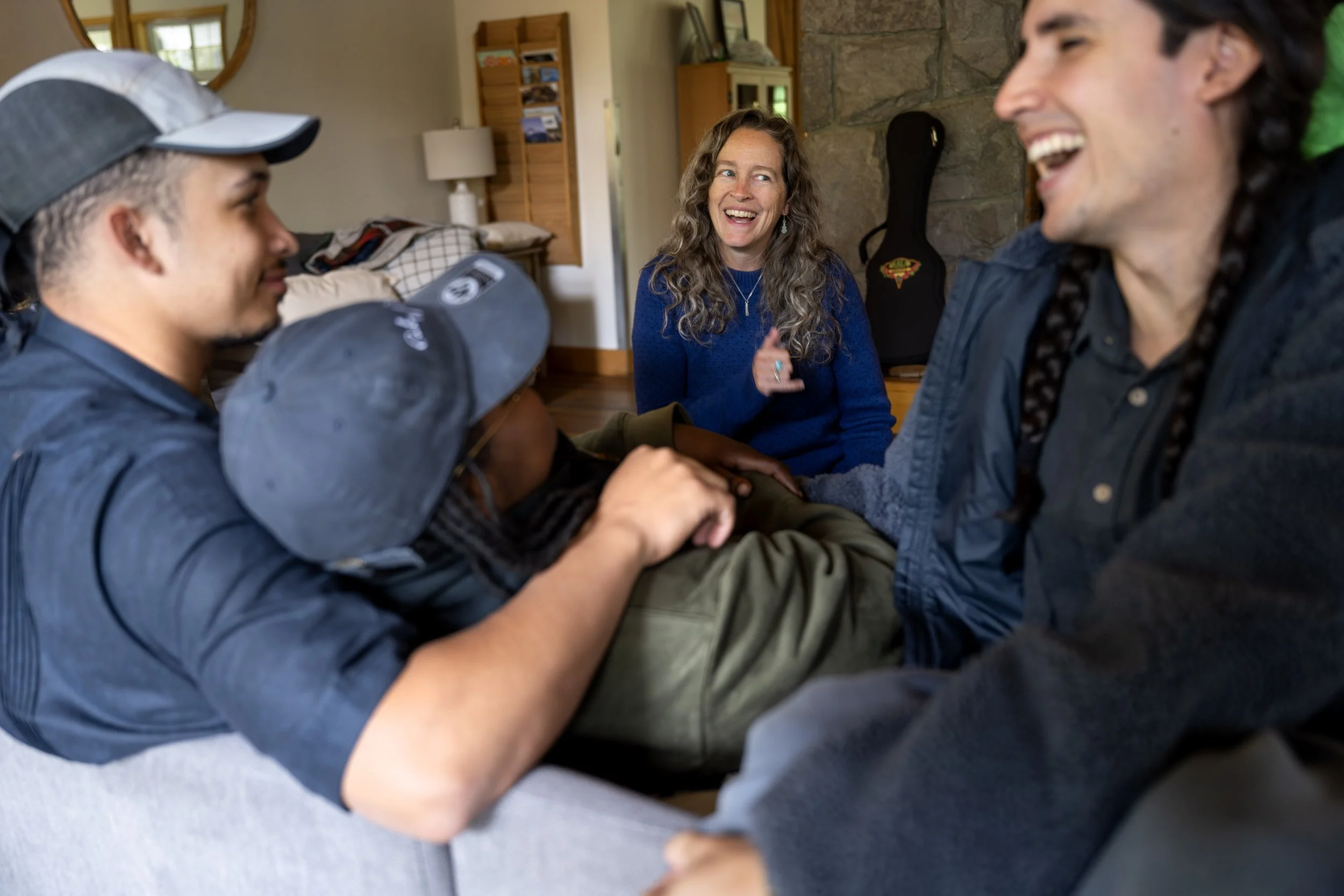
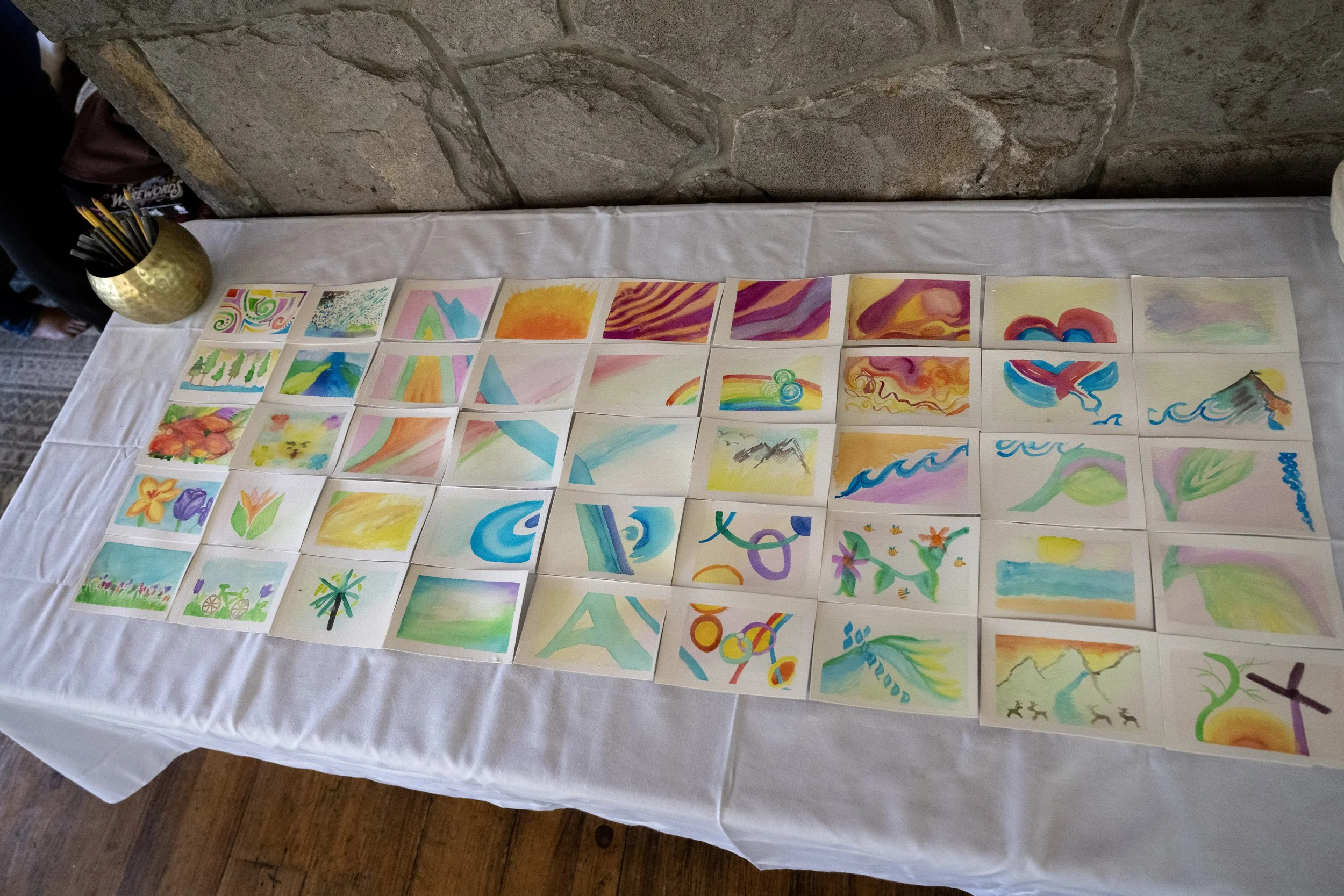
One afternoon, we sat in a circle and shared our hearts. We remembered moments when it felt like we were on top of the world. We named the disappointment of having the courthouse doors closed after so many years of work and waiting. We expressed our anger that the government had fought so relentlessly to stop “the trial of the century.” That it was the very government that was supposed to protect them that fell so very short of their promises to youth.
Then one of the plaintiffs asked the question that I suspect had been weighing on many of them:
“Was it all worth it?”
And then:
“Did we really change anything?”
The plaintiffs were silent.
The attorneys did not hesitate. What followed was not a pep talk. It was an accounting.
We told them that Juliana has been cited over 1,300 times in cases and legal scholarship around the world. We told them it is taught in colleges and law schools. That books have been written and documentaries filmed about their fight. We told them that young people around the world watched the Juliana 21 stand up to their government and realized that they could do the same.
Millions of people have heard of and been influenced by Juliana.
Because I live in this work, I see Juliana’s influence every day. I hear the case discussed at events and in meetings. I read articles identifying it as a spark for youth-led climate litigation. I see its arguments, courage, and ambition reflected in cases brought by children across the United States and around the world.
But sitting in that circle, I realized that many of the plaintiffs had not been able to see what I saw. They had lived so close to the struggle that they could not see the full reach of its legacy.
Something shifted in the room as we spoke. The weight of that question, “Did we really change anything?” began to lift.
The plaintiffs understood that Juliana was not simply a case that had changed their lives. It had changed what other young people believed was possible.
They had changed what lawyers were willing to argue.
They had changed what judges were being asked to confront.
They had changed the public’s understanding of whose rights are threatened by the climate crisis and whose voices belong in the halls of justice.
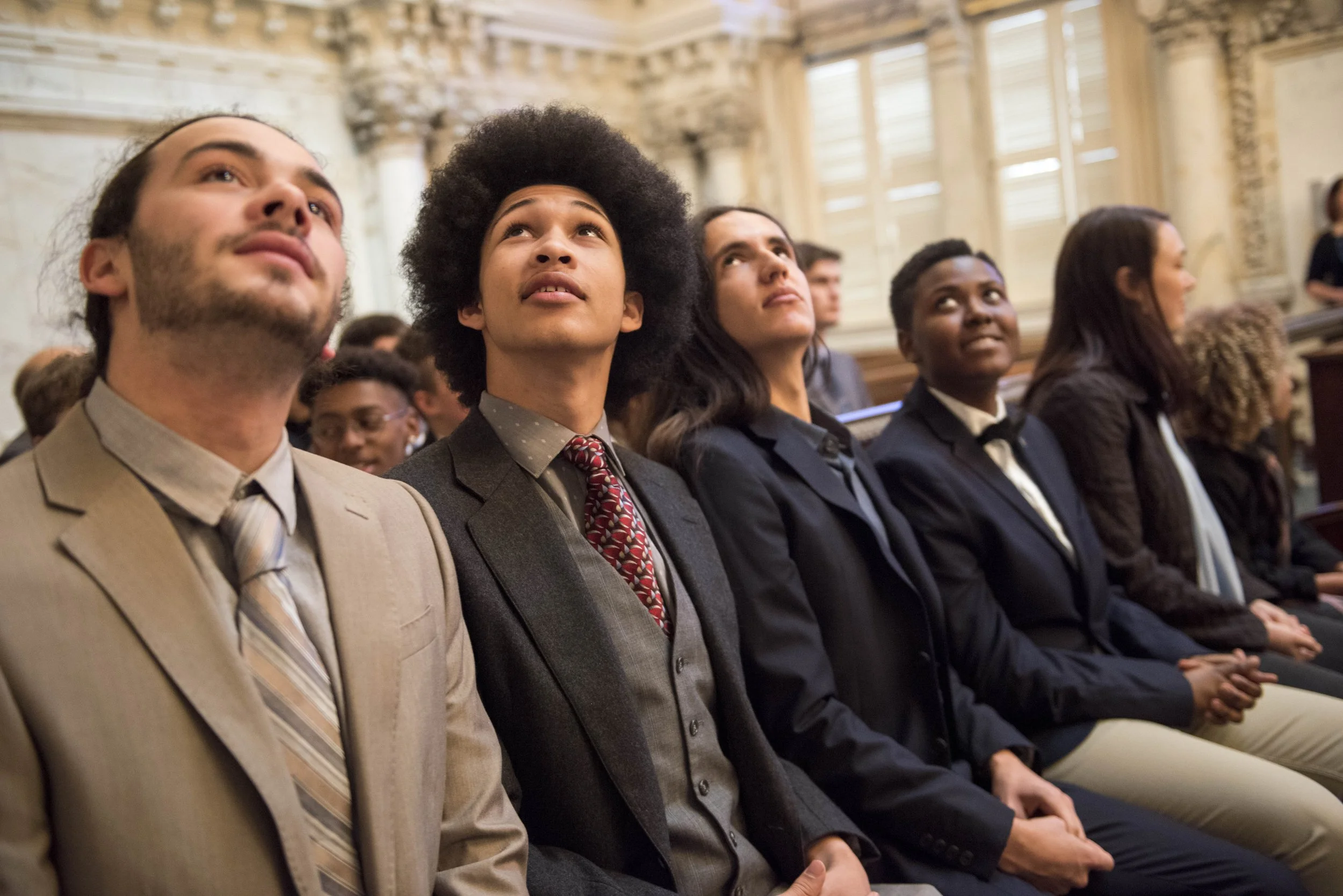
Juliana plaintiffs in court. Photo by Robin Loznak
They had changed the world.
And they continue to change the world. Fifteen of the Juliana plaintiffs are continuing their pursuit of justice through a petition before the Inter-American Commission on Human Rights, asking an international human rights body to examine the United States’ actions and its denial of their access to justice. Others have joined new lawsuits seeking to hold the government accountable for violating young people’s rights.
Some are taking a break from climate advocacy. They have earned that, too.
No young person owes a movement a lifetime of sacrifice. Their worth is not measured by whether they continue litigating, organizing, or speaking publicly. They have already given more than should ever have been asked of them.
Whatever paths they choose, they will continue affecting the people and communities around them—not merely because of what they have done, but because of who they are.
Courageous. Strong. Compassionate. Undeterred.
Today, thousands of children walk a path that the Juliana 21 helped clear. They are refusing to let their rights be steamrolled in the name of profit. They are demanding accountability from governments that have failed to protect them. They are standing up not only for their own generation, but for every generation that will follow.
The Juliana 21 did not receive the day in court they deserved.
But no government can say that children did not warn them. No court can say that no one asked it to act. And no young person who comes next will have to believe they are the first.
The courthouse doors were closed to the Juliana 21.
History will not forget what they changed.
And now, the Juliana plaintiffs can walk into their futures with their heads held high, knowing their struggle wasn’t in vain; knowing the world is better because they chose to act.
The Juliana Gathering was made possible by researchers from the Youth Climate Justice (YCJ) Project (Prof Aoife Daly and Dr Florencia Paz Landeira), who attended the retreat. The YCJ Project, funded by the EU's European Research Council and based at the School of Law at University College Cork, Ireland, researches how young climate advocates have become leaders in progressing environmental rights. The research learns about the views and experiences of young climate advocates; with the aim of understanding how systems can better support the participation of these young advocates. The work is underpinned by the rights of children and youth.
The YCJ researchers learned from the experiences of the Juliana plaintiffs; and informed them of how influential and important their work has been to children and youth around the world who are similarly engaging in climate action.
As told to Emily F. Miller