

Youth Plaintiffs Challenge President Trump’s Fossil Fuel Executive Orders in Historic Federal Hearing
September 25, 2025
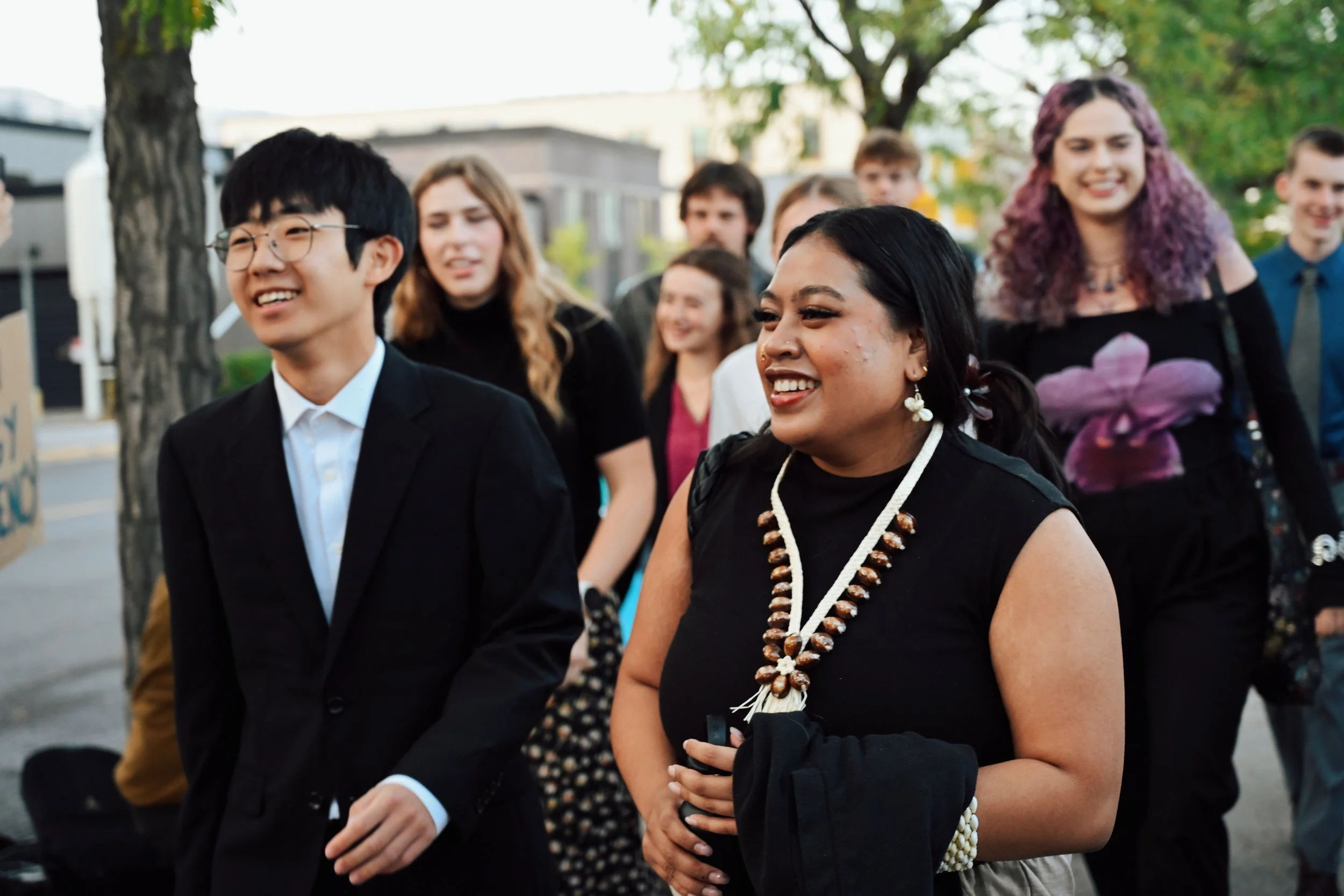
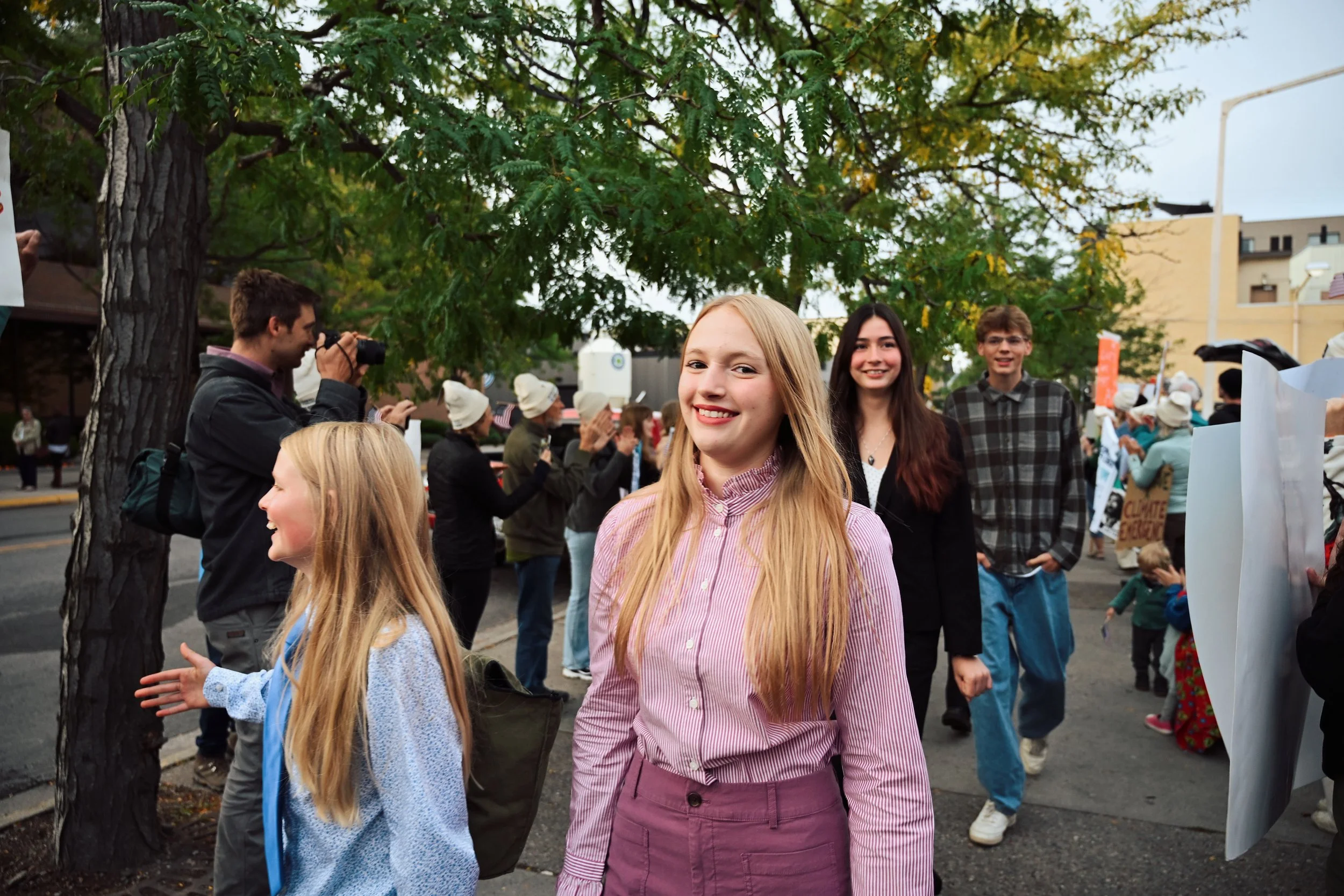
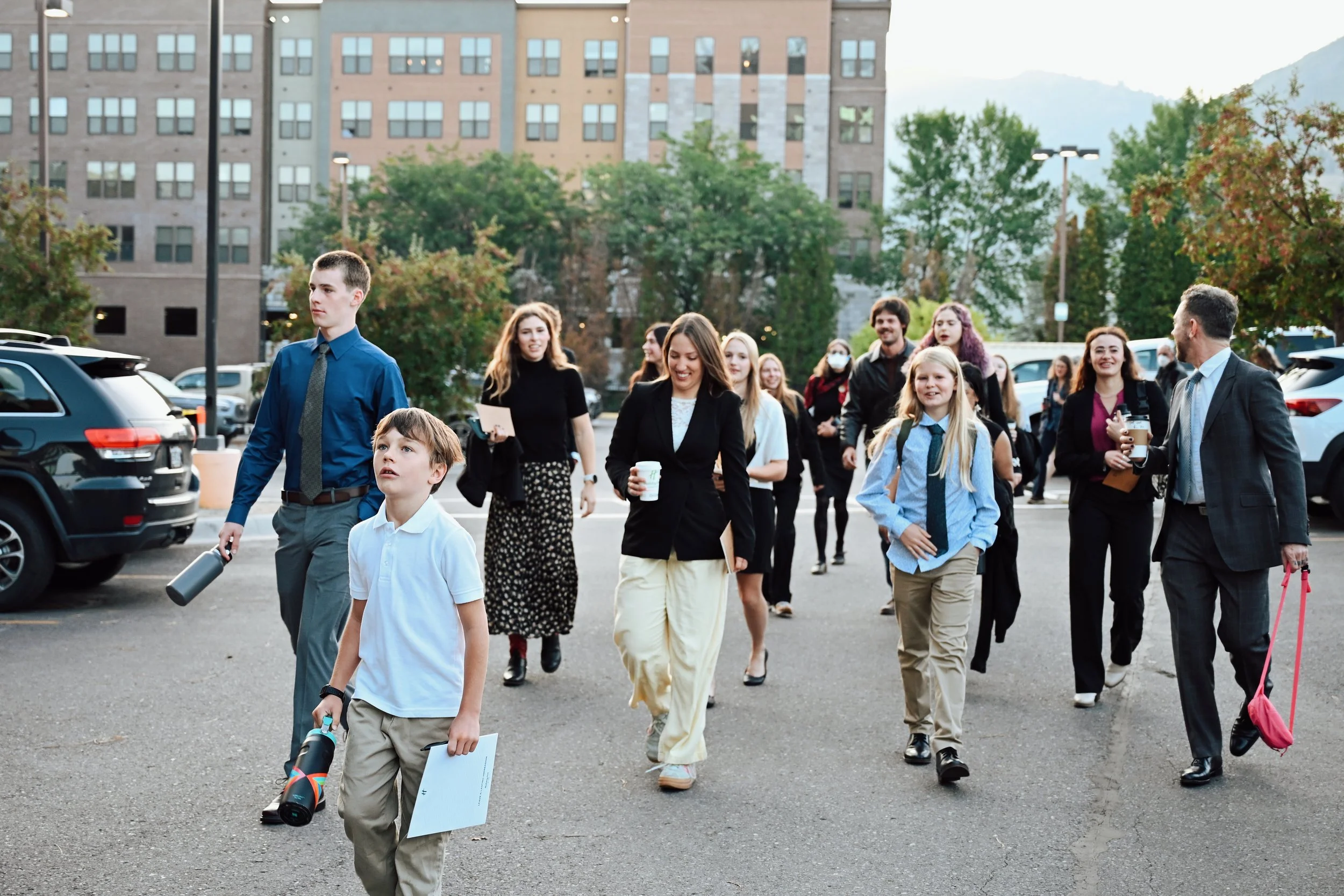
Lighthiser v. Trump youth plaintiffs walking to court for the first hearing of its kind from September 16-17, 2025. Photo by Eillin Delapaz.
As the Trump administration moves aggressively to unleash more fossil fuels through executive orders that worsen climate change, obstruct the clean energy transition, and suppress the very science needed to protect children and ecosystems on the brink, 22 young Americans have bravely stepped forward. They’re suing the administration to protect their constitutional rights to life and liberty, and stop the executive orders that harm their health and safety.
In the weeks and months leading up to this pivotal hearing, the Our Children's Trust team poured their hearts into preparation alongside courageous young voices, dedicated experts, and our steadfast partners at Public Justice. Together, we worked tirelessly to ready witnesses who would speak their truth and educate the court, under the unique pressure of hostile cross-examination. Behind the scenes, the legal minds on our team meticulously combed through decades of legal precedent and scrutinized every action of the current administration to implement the executive orders we are challenging as unconstitutional, crafting a strategy rooted in both rigorous legal scholarship, hard scientific evidence, and an unshakeable belief in our children's right to health, dignity, and a livable future.
This wasn't just legal preparation—it was a labor of love for the young ones who will inherit the world we leave behind.
Partner organizations also poured their hearts into the hearing, standing alongside the youth and showing them that Montana is truly with them. Sarah Lundquist and Summer Nelson with Families for a Livable Climate were instrumental, organizing info sessions, connecting with local partners and amplifying on social media to help make the two-day outdoor rallies possible. Their dedication set the tone of community and solidarity.
We are also deeply grateful to Climate Smart Montana, Climate Smart Missoula, Missoula Resists, Montana Sierra Club as well as national partners like Elders Climate Action, Federal Climate Amendment Institute, and Zero Hour. Together, these partners showed that this movement is a growing intergenerational coalition fighting for children’s rights and a livable planet.
Over two days, on September 16 and 17, 2025, the Lighthiser v. Trump youth plaintiffs made history in Missoula, Montana. For the first time ever, a federal court heard live testimony in a constitutional climate lawsuit led by young people. Not only building an undeniable record of climate harms and scientific facts, but also leading a powerful movement with the potential to drive lasting, systemic change.
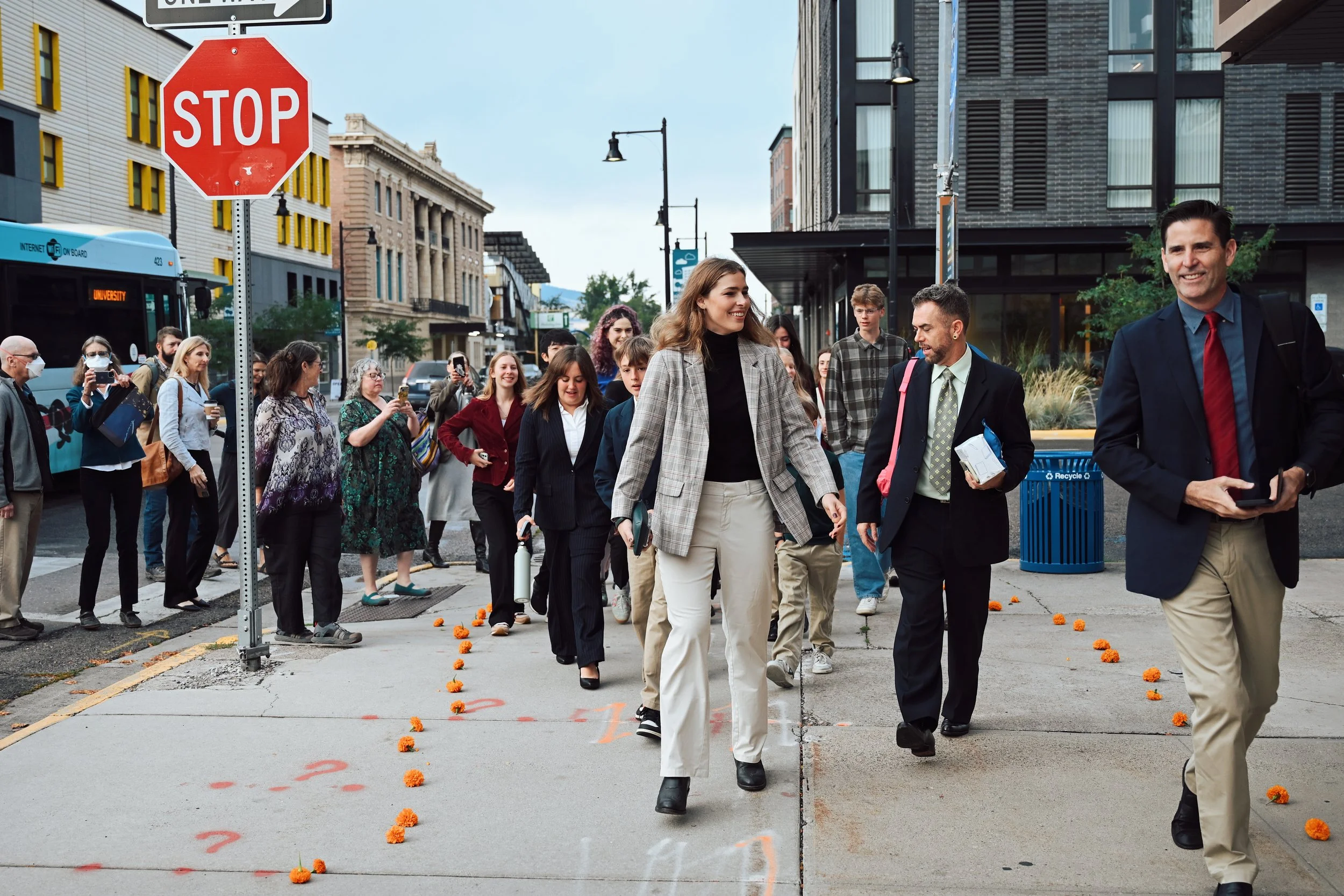
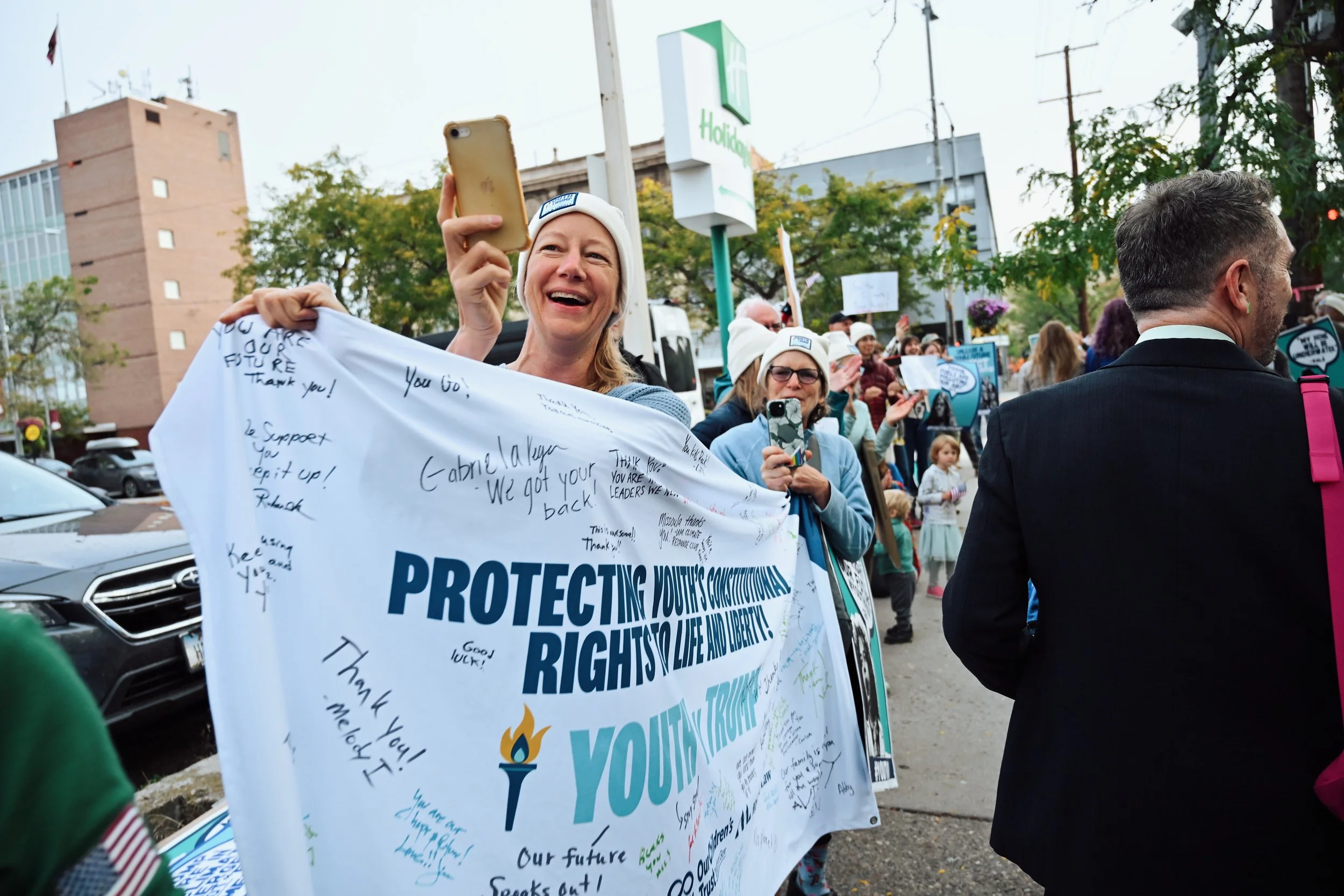
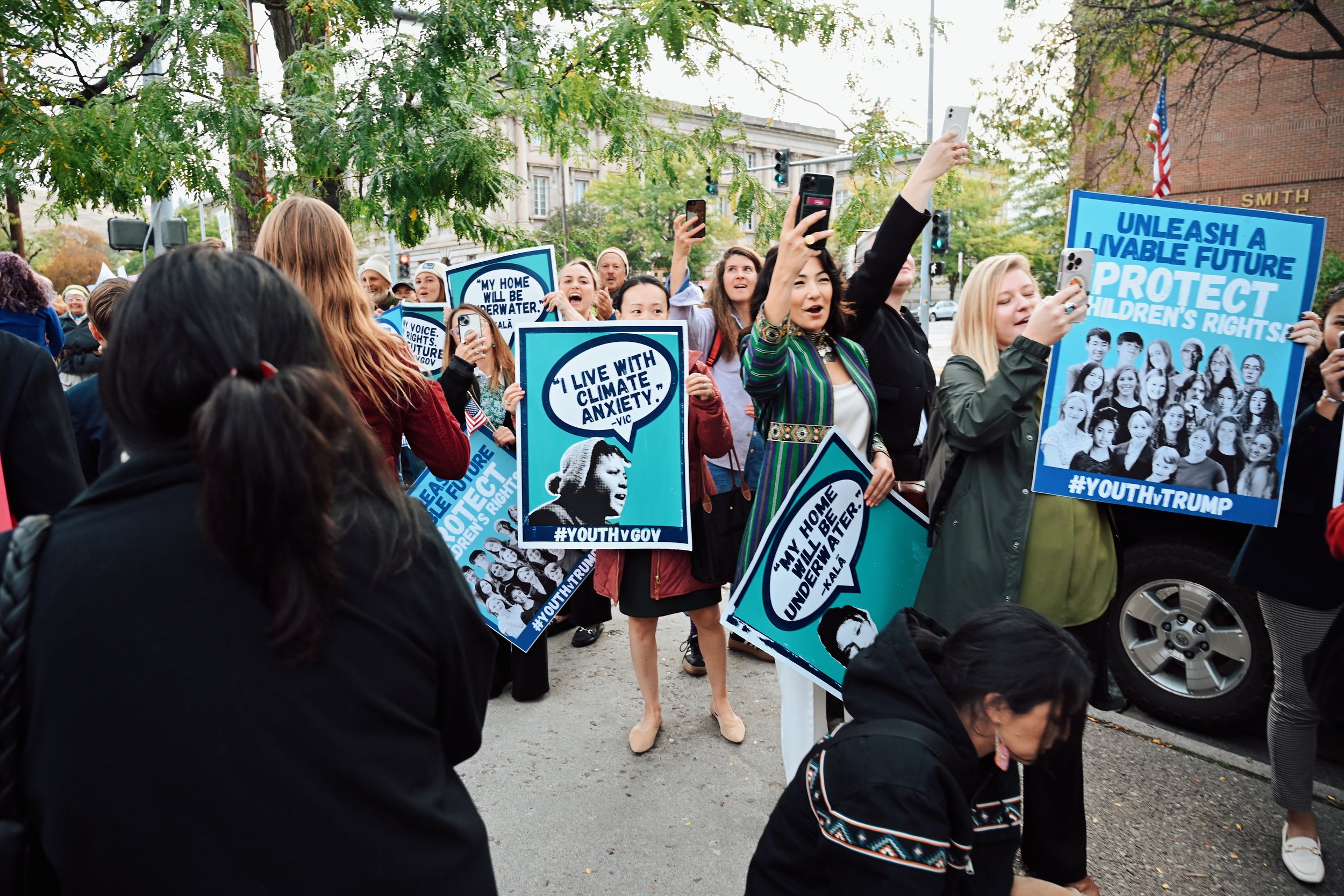
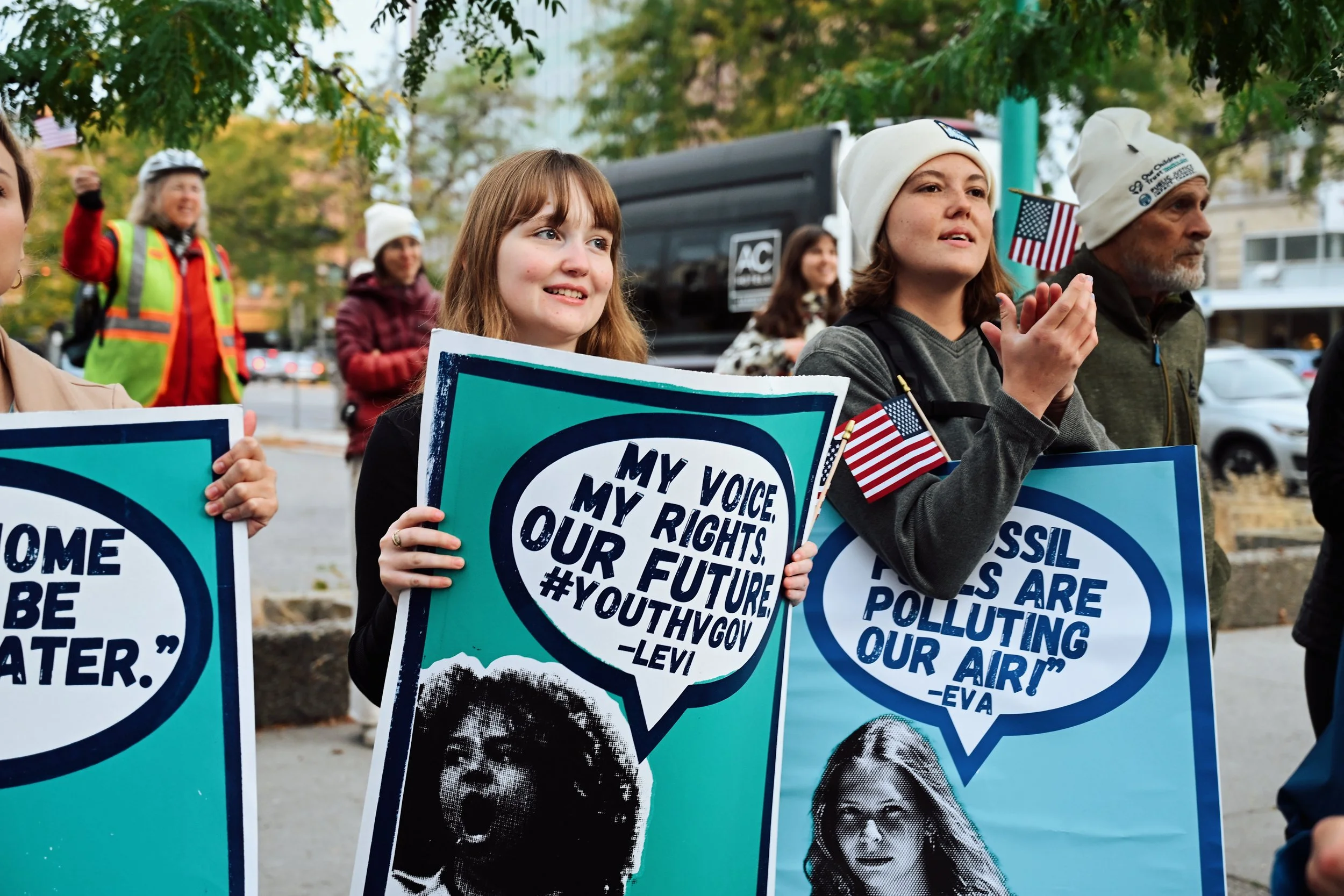
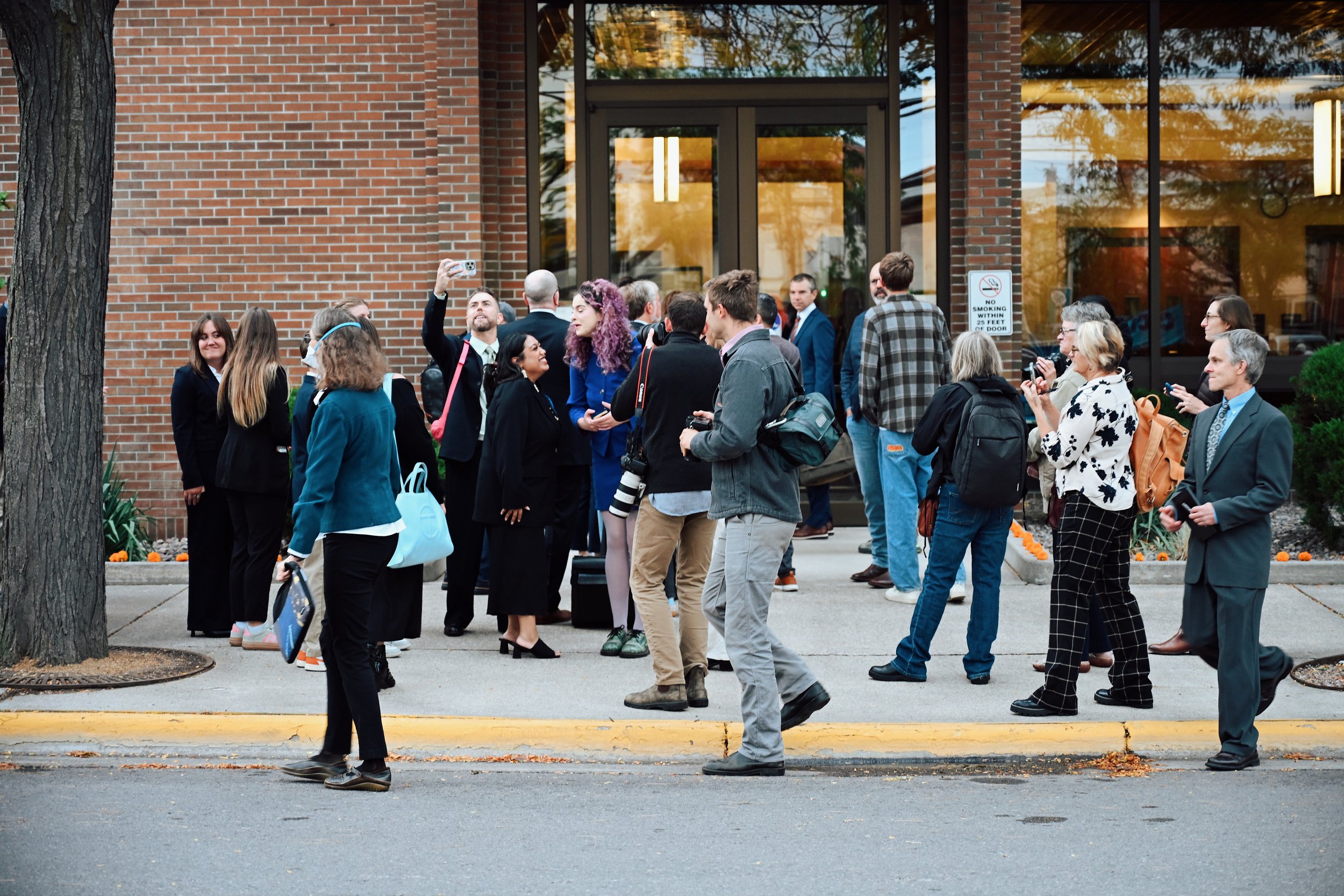
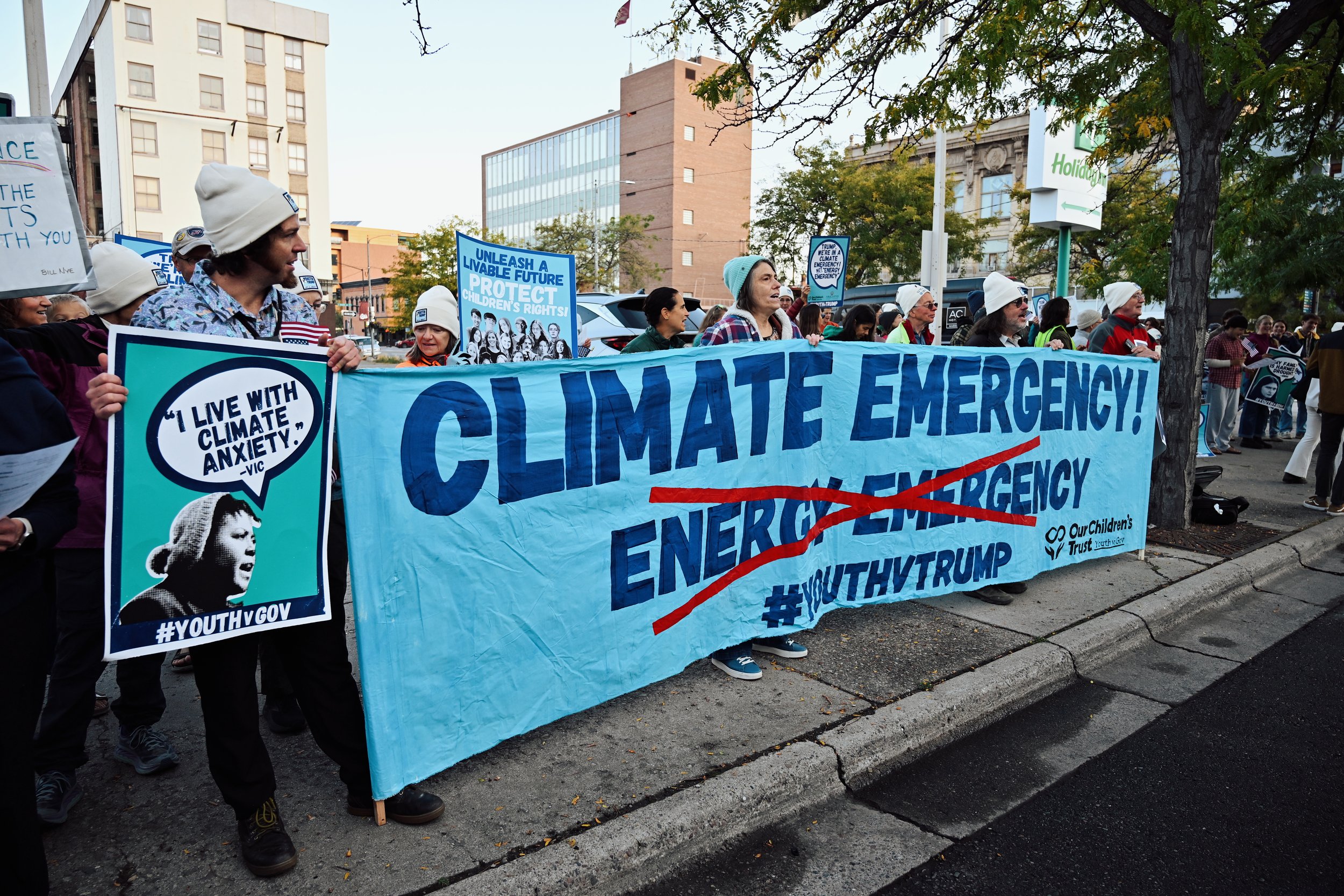
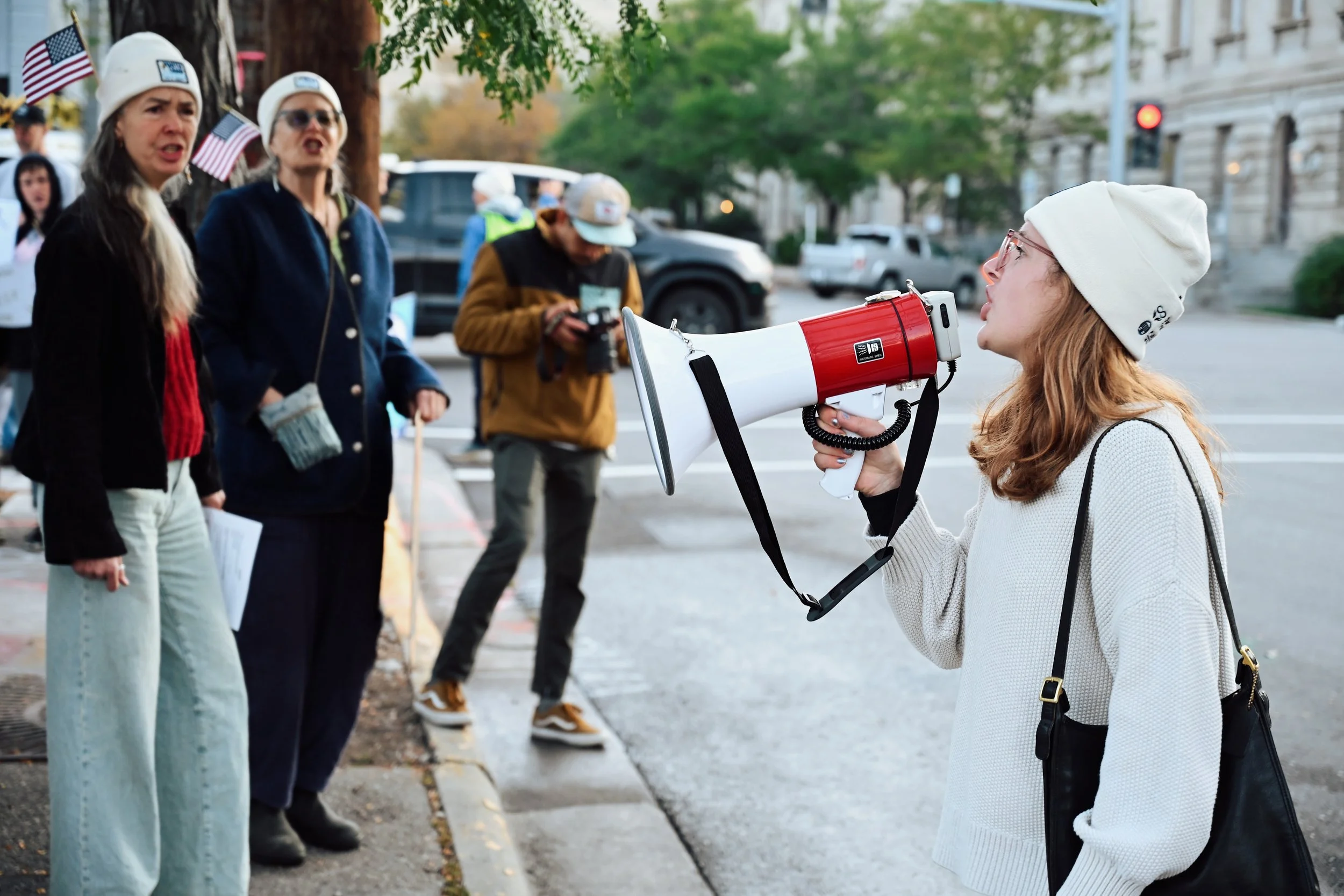
Each morning, a crowd of supporters—from students and families to elders and faith leaders—lined the sidewalks, where bright marigold blossoms created a path and greeted the youth plaintiffs as they walked into court. They held signs, sang songs, chanted, and applauded the youth for their courage. Montanans and supporters from across the country didn’t just cheer on the brave young climate leaders; they joined them inside the courthouse, bearing witness to the testimony of a generation determined to confront their own government head-on.
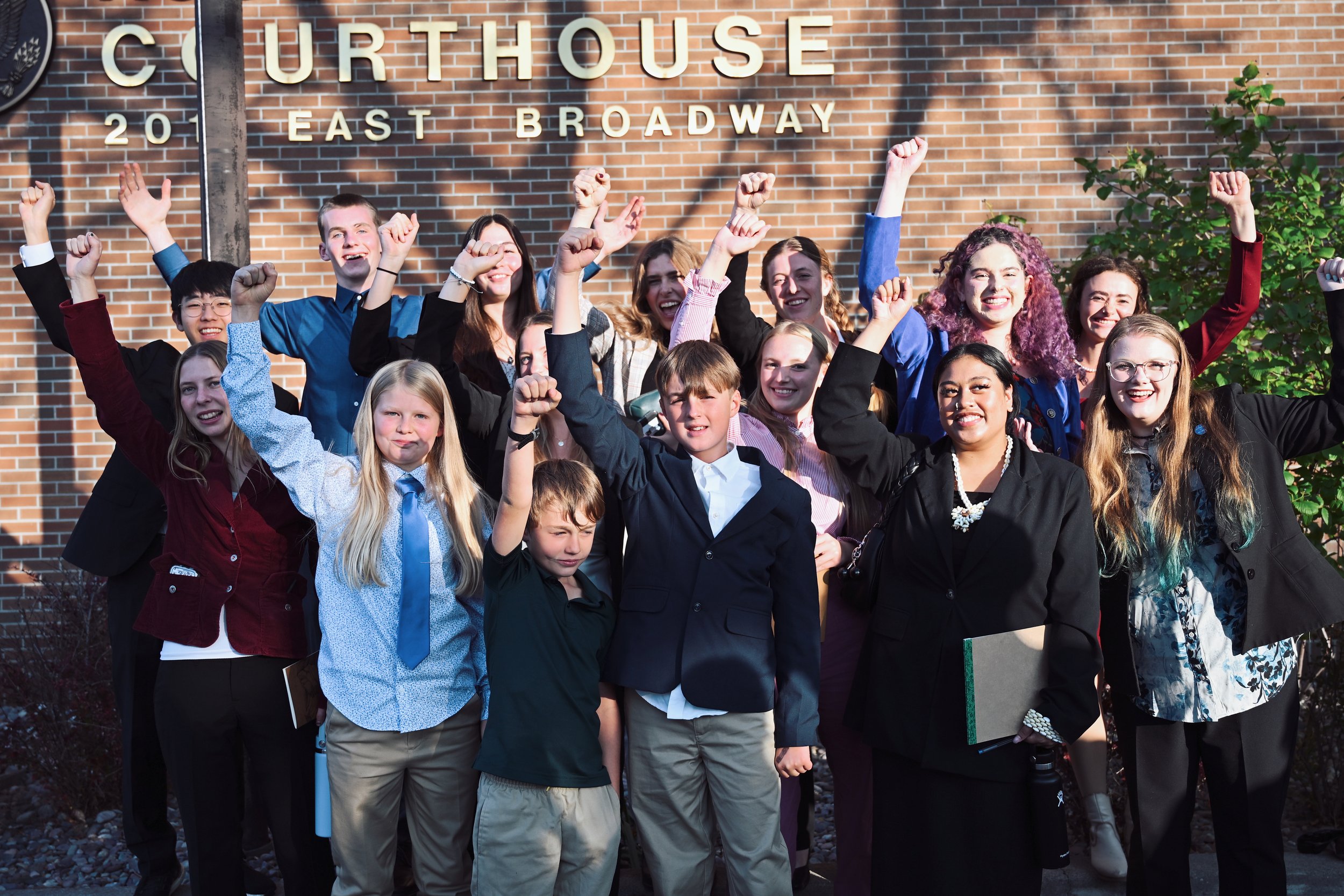
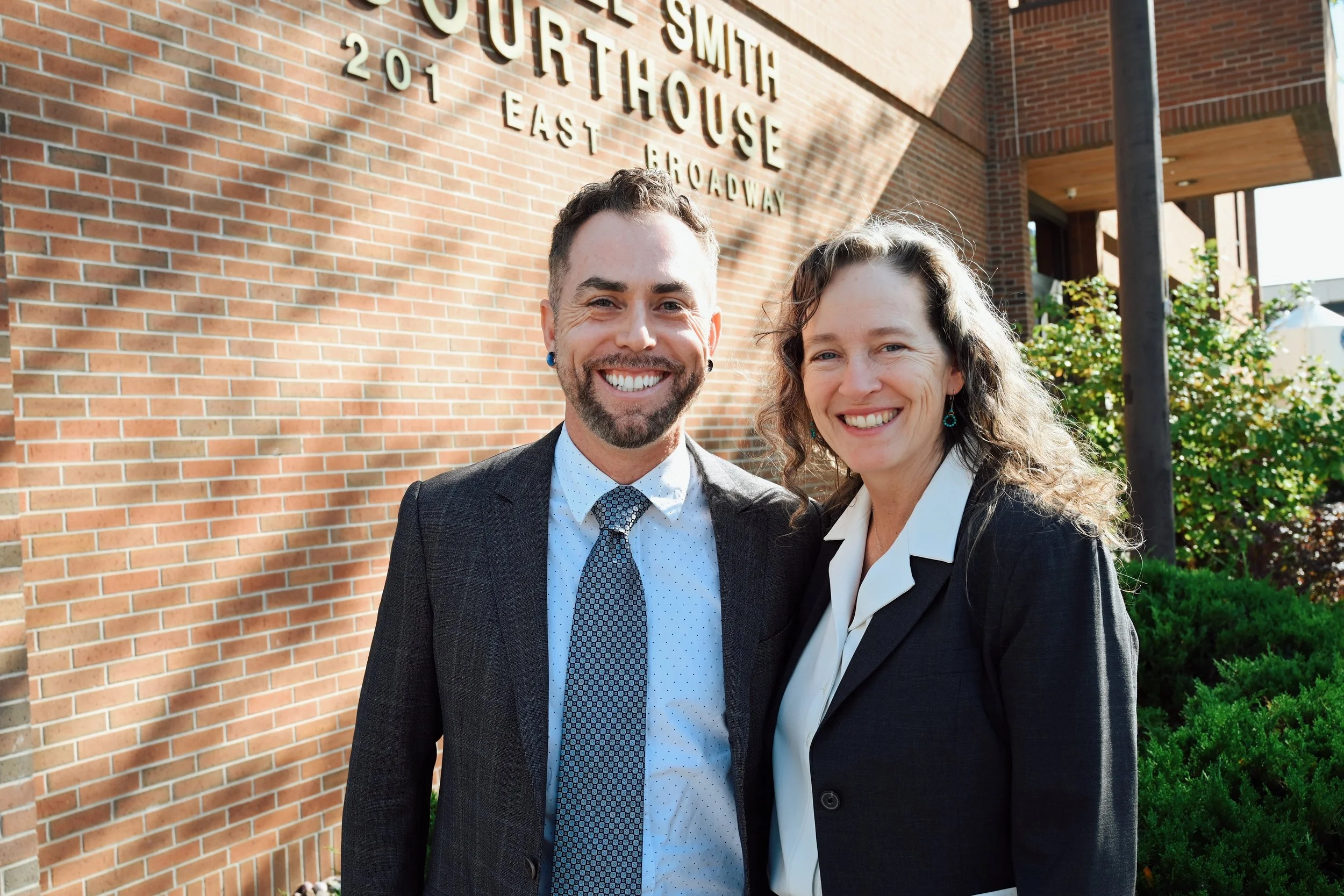
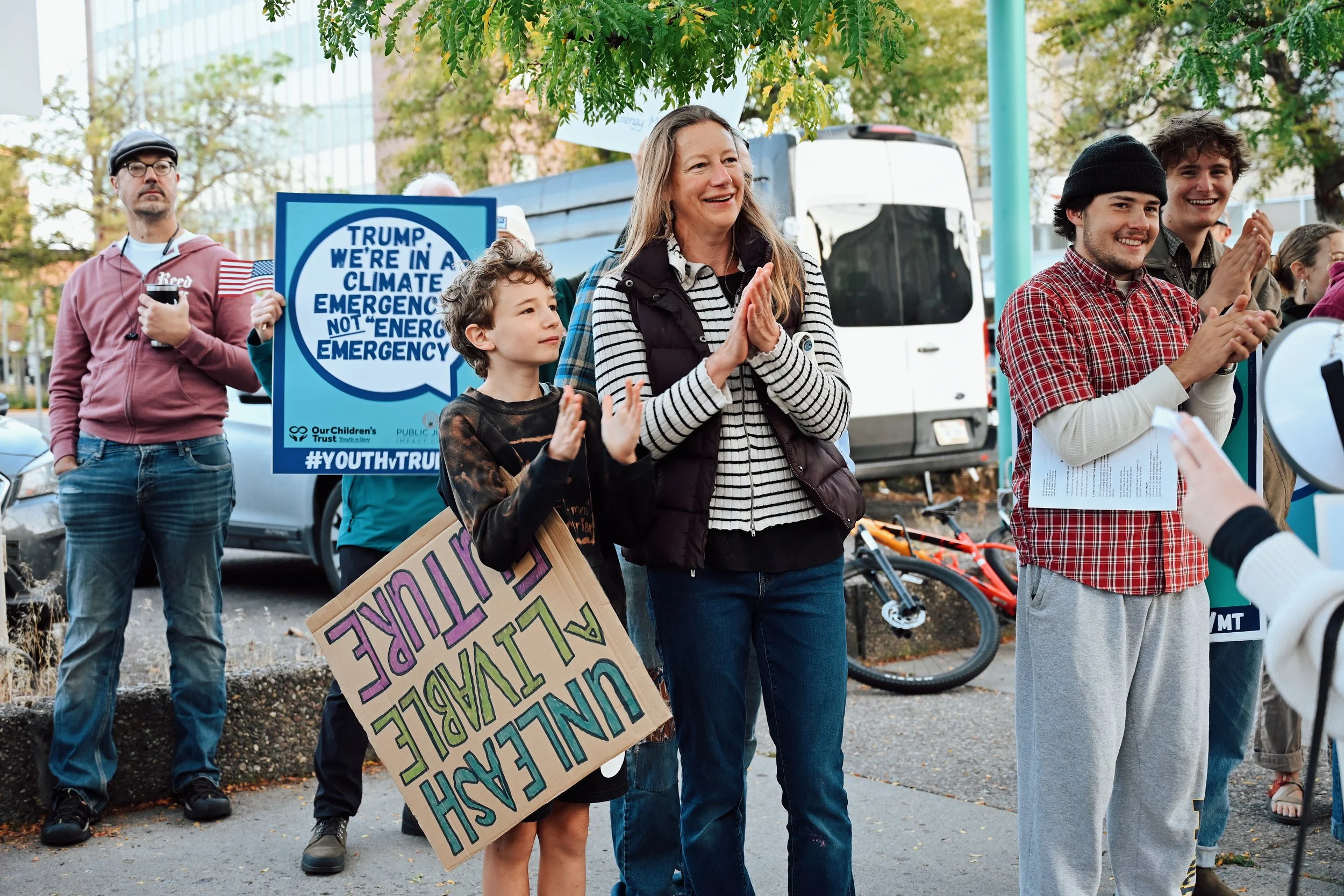
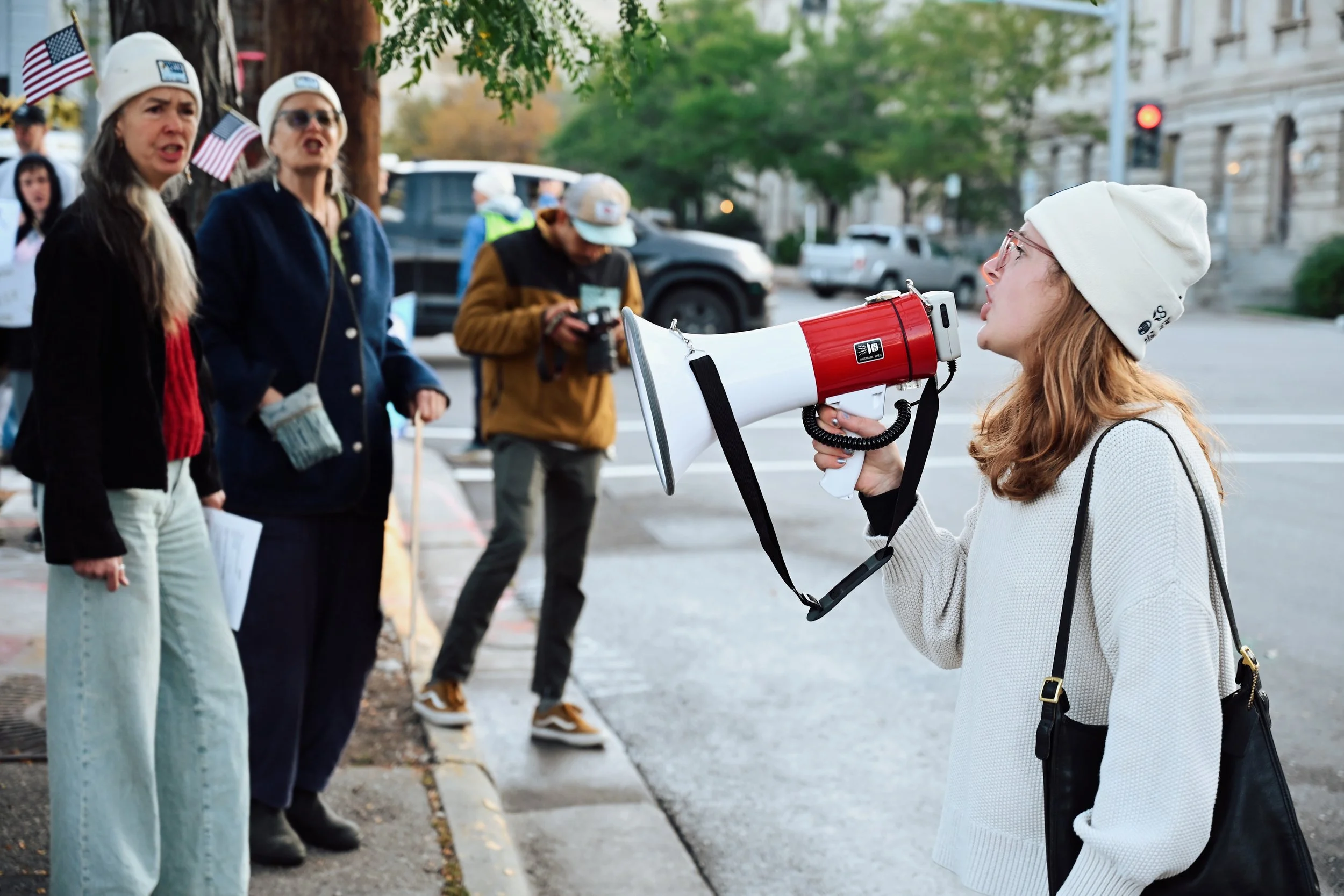
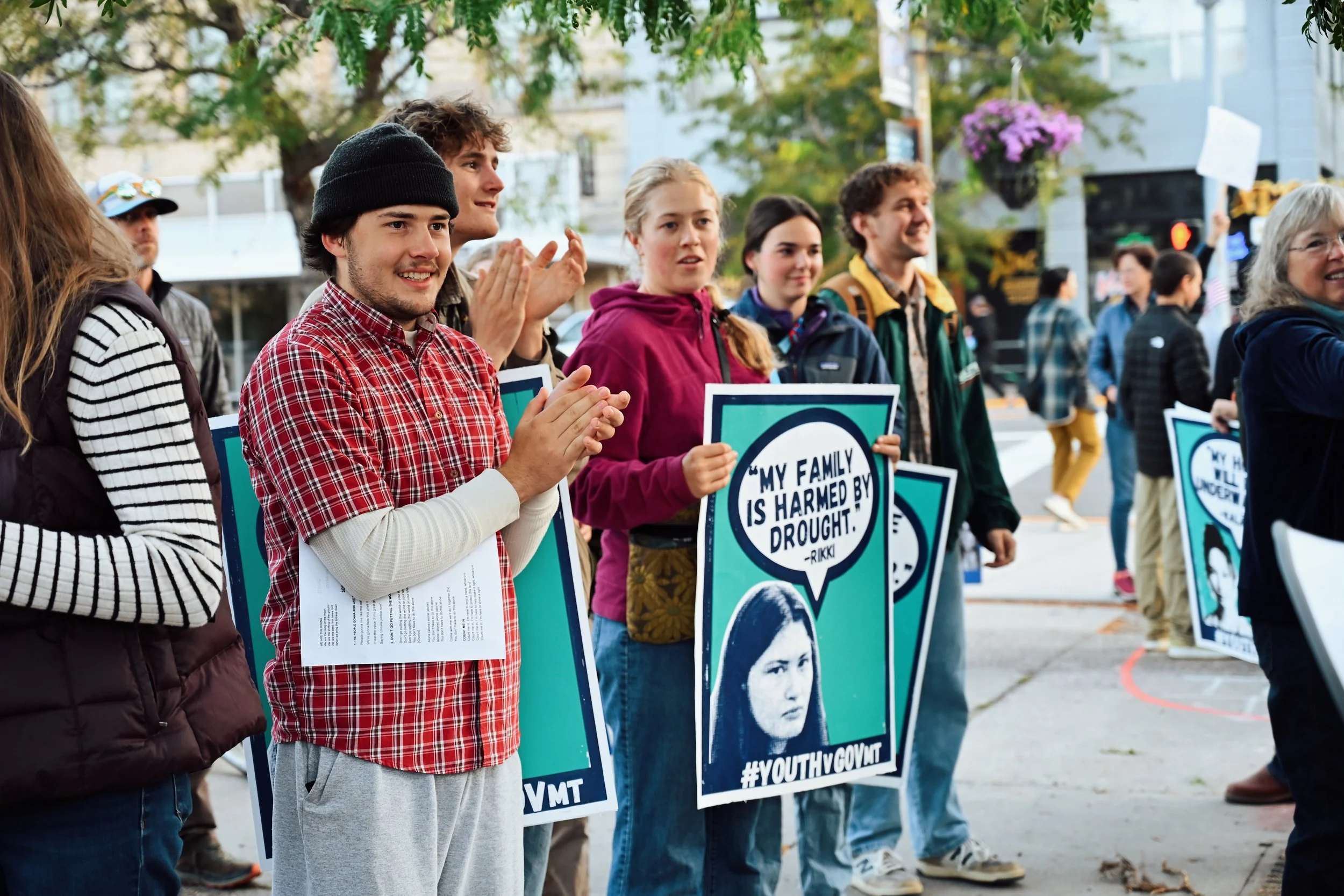
Inside a packed courtroom, Judge Christensen heard live testimony from several of the youth plaintiffs. One by one, the youth stepped forward as they shared deeply personal stories that no child should have to tell. They spoke of gasping for breath during asthma attaches, fleeing their homes as wildfires consumed familiar landscapes, collapsing from heat stroke, watching their education opportunities crumble, and experiencing fear of not knowing what the future holds for them. Their testimony was raw, unflinching, and heartbreaking —but they were not alone. Standing with them were some of the world's most distinguished voices: a Nobel Peace Prize-winning climate scientist, seasoned engineers and economists, a former presidential Senior Advisor, and a pediatrician who has spent over four decades caring for children. These experts didn't just present data—they bore witness to a moral crisis, offering irrefutable evidence of how President Trump's executive orders are actively inflicting harm on these 22 brave young Americans and the deeply concerning overstep of presidential power.
Up against the federal government, plus 19 states and the territory of Guam, which intervened in the government’s defense, the youth plaintiffs were there to urge the court to grant their motion for preliminary injunction, which would halt the implementation of the executive orders until their case has been decided, and allow the case to proceed to trial.
Day 1: Youth Stories and Scientific Truth
The first day of testimony opened with youth plaintiff Joseph, a 19-year-old from California. Joseph spoke about how his lifelong asthma worsened by air pollution and wildfire smoke. He described how smoke and heat force him indoors, limiting outdoor activities that support his mental health.
In detail, he described the day heat nearly killed him, sending him to the hospital, where he was intubated to survive conditions that will worsen with every additional increment of fossil fuel pollution, threatening his life. “I’m now terrified to go outdoors on hot days,” he said.
Joseph also spoke of abandoning his Environmental Policy studies due to cuts in climate research programs. Although Environmental Policy was his dream career path, he quickly realized that opportunity was diminishing and felt forced to switch majors.
Despite facing the intimidating experience of being aggressively cross-examined by the defendants’ attorneys, Joseph reflected on his experience testifying, telling a reporter, "I'm going to wake up and realize, 'Wow, I really did that.' I testified in court against my own federal government, and it's just such a meaningful thing to be part of this process."
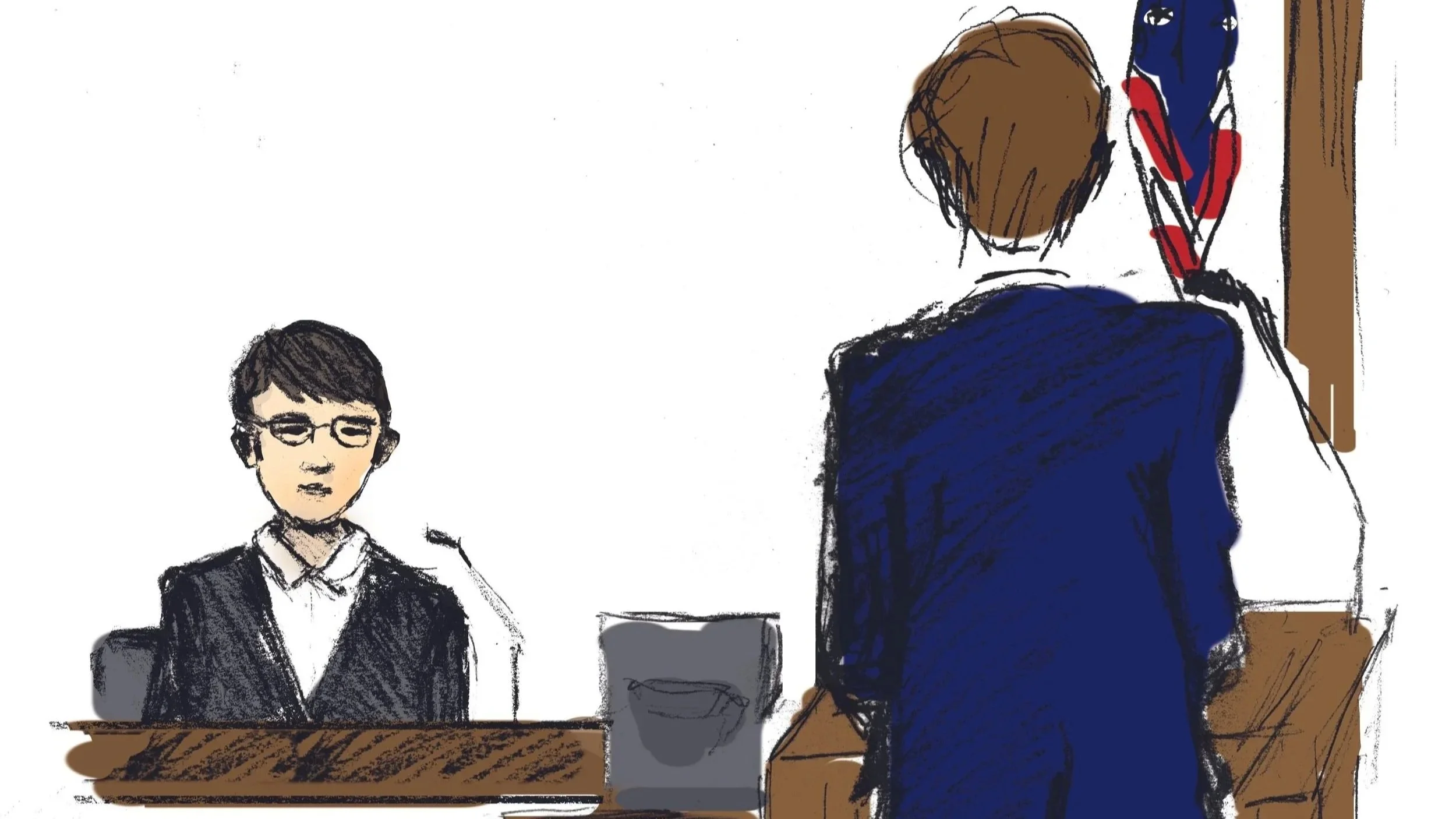
Youth plaintiff Joseph testifying in Lighthiser v. Trump hearing on September 16, 2025. Courtroom art by Shauna Layton.
Next up on the stand was seventeen-year-old youth plaintiff Jorja from Montana. Softly and earnestly, she spoke about protecting her beloved state. She talked about how worsening wildfires have forced her family to prepare for evacuation, while smoke and extreme heat threaten her health and the wellbeing of their animals.
When asked what it would mean to face the relentless cycle of wildfires year after year, she said: "I’d have to watch my Montana burn.”
Jorja also recounted how severe flooding damaged her family’s veterinary clinic, leaving them with financial hardship. Determined to find solutions, she secured funding for electric school buses to cut air pollution, but the funding was never delivered, and she and her school are still waiting.
After Jorja, Judge Christensen heard from youth plaintiff Avery, who is 20 years old from Oregon. As a college student in Florida, she shared how her life has been disrupted from coast to coast: escaping wildfires in Oregon, only to flee from three hurricanes in Florida, financial hardship, and climate anxiety—all threats that are exacerbated by the loss of federal warning systems and national climate assessments.
When asked whether she envisions being a parent in the future, Avery expressed a profound sense of uncertainty: “I don’t even know what my life will look like, so I don’t see myself bringing more life into this world that’s so uncertain.” As an Environmental Studies major, Avery emphasized the critical importance of government climate data to her education and future career, saying,” I have a hard time picturing what my career looks like if I don’t have access to government documents related to the climate.”
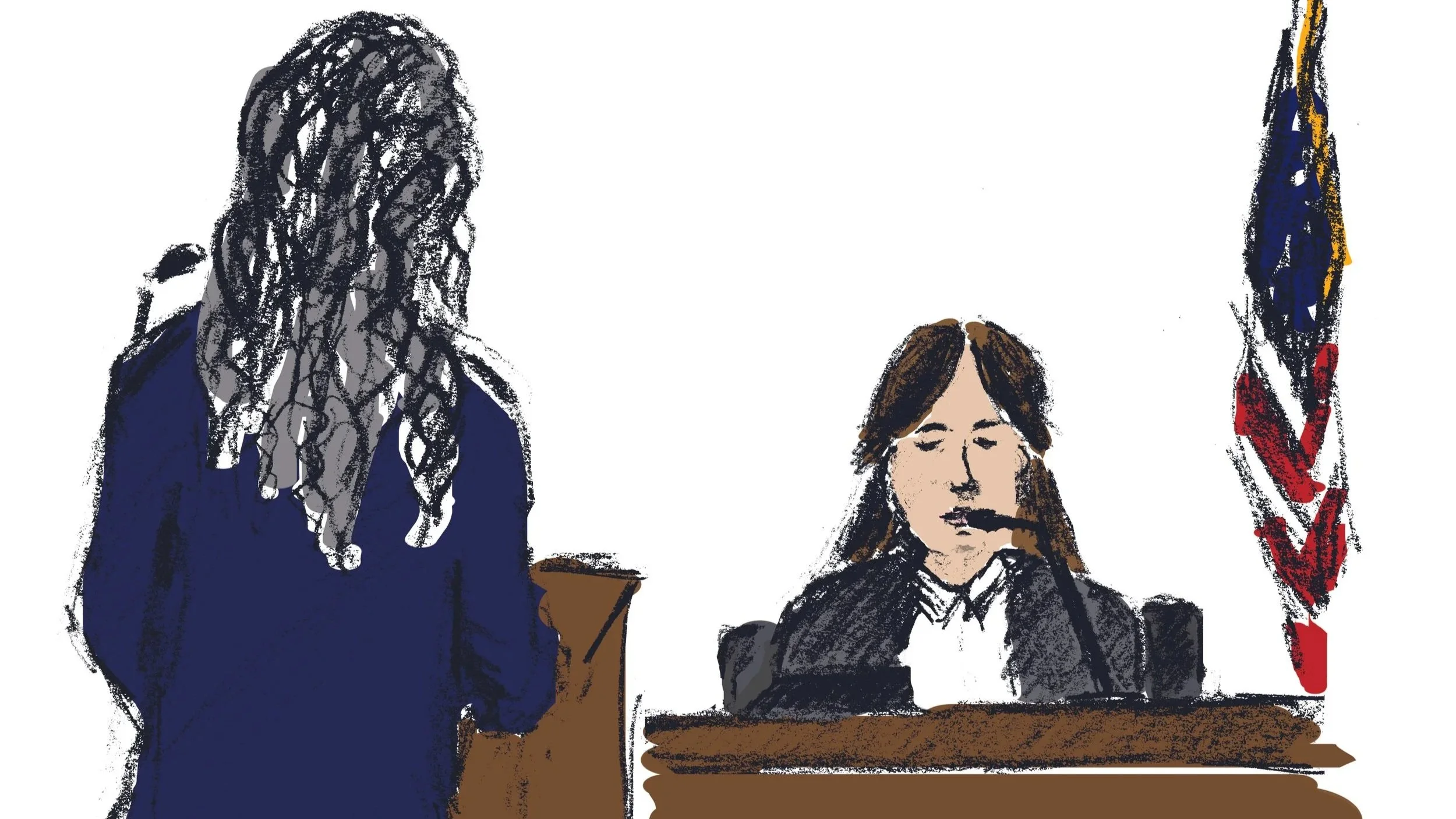
Youth plaintiff Avery testifying in Lighthiser v. Trump hearing on September 16, 2025. Courtroom art by Shauna Layton.
The last plaintiff to testify on the first day was 11-year-old Jeff, who moved with his family from Montana to California to escape Montana’s smoky summers and be closer to relatives. An active kid who loves soccer, football, hockey, hiking, and fishing, Jeff told the court about his lung condition called pulmonary sequestration, which makes him vulnerable to infections.
He has to avoid outdoor activities when air quality is poor due to wildfire smoke, which causes symptoms like stuffy and bloody noses and sore throat. Jeff described the hospitalization of his younger brother, also a plaintiff in the case, who has weak lungs and is vulnerable to poor air quality. His testimony underscored the simplicity of what’s at stake: the ability of children to play outside, breathe clean air, and grow up safely.
When asked if he understood the executive orders, he said that he read them with his mom, stating that “the general statement of them is to unleash fossil fuels, and that will definitely make the entire environment worse. I’m asking the judge to stop these orders from going through so we can try and move things back.”
After the plaintiffs’ testimony, Dr. Steven Running, Nobel-Prize-winning climate scientist and earth systems expert, testified that fossil fuel pollution resulting from the President’s new energy policies will accelerate climate change and directly harm these young plaintiffs. He warned that shutting down climate satellites and observatories would cut off the data needed to understand and respond to these impacts, and explained that the Keeling Curve—an iconic record of carbon dioxide levels also at risk of being axed—is as crucial to scientific understanding of our world as the DNA double helix.
During his testimony, the photo below, showing the Keeling Curve and DNA helix on the wall of the lobby at the Keck Center of the National Academies, was presented as a demonstrative. The powerful image places humanity’s role in climate change—the rising carbon dioxide in the Keeling Curve—alongside the shared thread of all life, represented by DNA and species like Darwin’s finches. It visually links the science of our atmosphere with the science of evolution, underscoring that the future of biodiversity, and even our own survival, depends on how we respond to the climate crisis.

Photo from the lobby at the Keck Center of the National Academies presented as demonstrative during Lighthiser v. Trump hearing on September 16, 2025.
Dr. Running also emphasized the overwhelming scientific consensus that fossil fuel emissions drive climate change and that every additional ton of CO₂ worsens the crisis and harms the plaintiffs. He criticized recent federal reports dismissing this science as “not serious” and condemned efforts to suppress peer-reviewed climate data.
He concluded, “Every additional ton of CO₂ matters to the whole world and definitely matters to these plaintiffs.”
After Dr. Running’s powerful testimony, John Podesta, former Senior Advisor to the President for International Climate Policy (2024) and Clean Energy Innovation, took the stand. He testified on the executive order process and the unprecedented scale of the challenged orders. Drawing on decades of experience across three administrations, Mr. Podesta explained how the direct and predictable effects of these orders are the dismantling of federal climate research and regulatory efforts, leading to the unleashing of fossil fuels.
He criticized how the Administration is replacing the commitment to constitutional principles with allegiance to the president, stating bluntly, “This is a loyalty oath to the president, not a loyalty oath to the Constitution.”
Podesta highlighted the direct and predictable harms these actions impose on plaintiffs. Although Podesta worked to coordinate the defense for the government in Juliana v. United States—a case brought by the same attorneys and some of the same plaintiffs—he explained his current testimony supports this case, which is quite different from Juliana, because it focuses on specific executive actions that directly threaten the plaintiffs’ health and future rather than five decades of government action and inaction without challenging specific policies. He also said the remedy sought was a traditional injunction in Lighthiser instead of an all-of-government remedial plan in Juliana.
Leaving few dry eyes in the courtroom, he implored, “These kids are being harmed by [these executive actions.] This court can do something about that.”
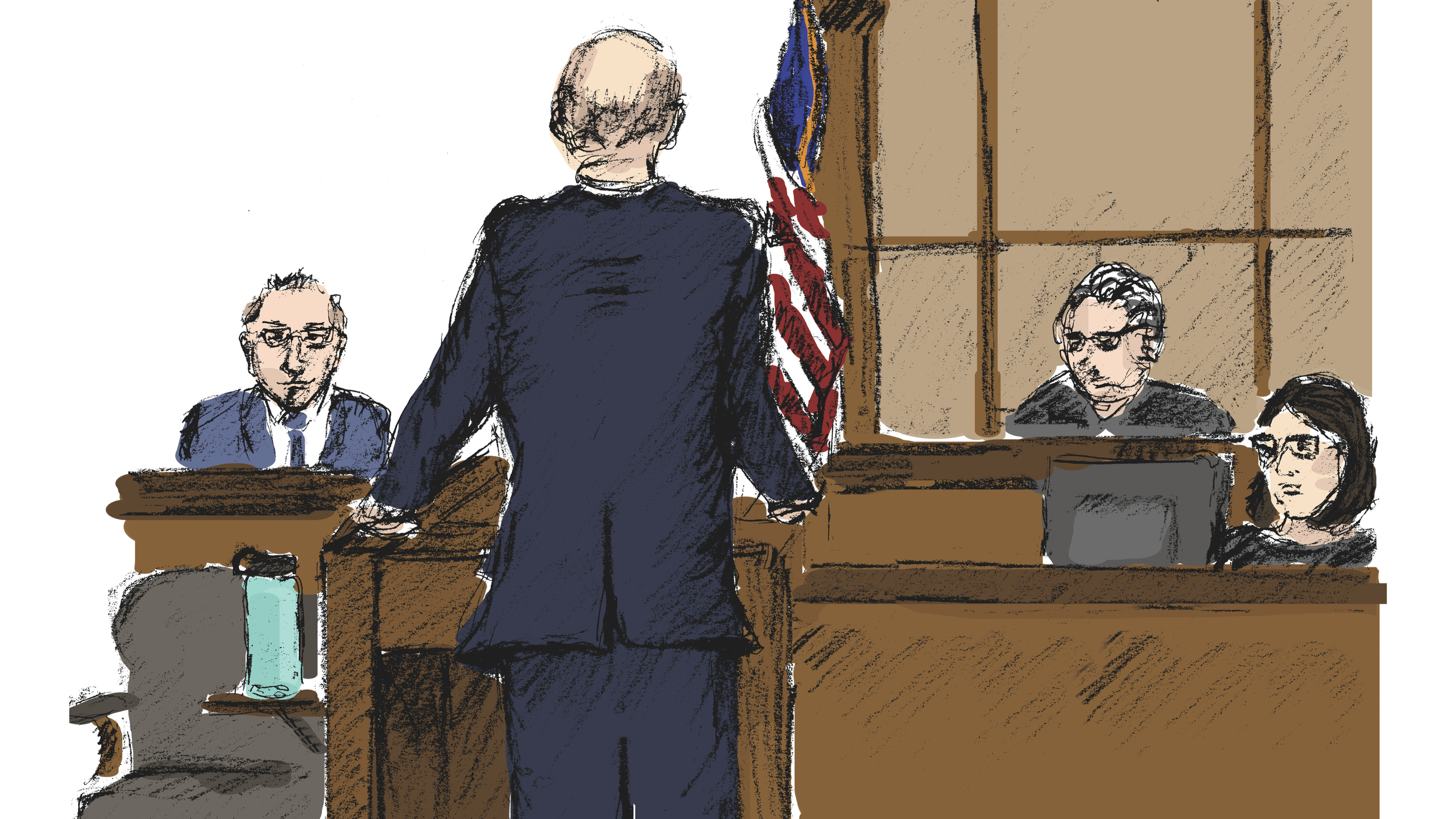
John Podesta testifying in Lighthiser v. Trump hearing on September 16, 2025. Courtroom art by Shauna Layton.
The last expert to testify on the first day of the hearing was Dr. Mark Jacobson, a Professor of Civil and Environmental Engineering at Stanford University. As he took the stand, there was a subtle shift in the courtroom atmosphere—from documenting harm toward illuminating possibility.
He testified about the health and climate harms caused by fossil fuel pollution and the reliability of renewable energy, explaining with firm conviction that renewable energy can meet all U.S. energy needs without relying on fossil fuels or China for production. Dr. Jacobson emphasized that the challenged executive orders undermine the nation’s energy security and that promoting fossil fuels will also increase air pollution-related illnesses and deaths, directly harming the plaintiffs.
He painted a vivid and hopeful picture of what’s possible, describing how repurposing abandoned oil and gas wells with wind turbines could provide two-thirds of the world’s energy needs while saving 100,000 American lives each year.
In response to defendants’ claims that the resulting increases in emissions would be “globally insignificant,” Dr. Jacobson firmly stated, “It doesn’t matter if it’s small globally because local CO₂ emissions kill people locally.” He also disputed assertions that renewables are unreliable, calling such arguments scientifically unfounded.
His testimony offered something precious—proof that the future these young plaintiffs are fighting for isn't just necessary, but entirely within our reach.
After an impactful day in court, our team prepared for the second day of the hearing.
Day 2: Economics, Energy and Health
On the second day of the hearing, testimony continued to build with mounting evidence of harm and compelling plaintiff stories. Dr. Geoffrey Heal, a renowned energy and natural resources economist from Columbia University, methodically dismantled core elements of the government's defense. He dismissed the notion of an “energy emergency,” arguing that the executive orders are economically harmful, undermining the reliability of energy supplies, weakening trade partnerships, and setting up families and businesses for crushing long-term costs.
He emphasized that renewable energy is now the most affordable energy option, stating, “renewable energy, as we've seen, is less expensive than fossil fuels or any other energy,” and the federal government’s suppression of clean energy will cause direct harm to the plaintiffs and public alike.

Dr. Heal testifying in Lighthiser v. Trump hearing on September 17, 2025. Courtroom art by Shauna Layton.
Nicole Hughes, Executive Director of Renewable Northwest, described how the challenged executive orders have blocked renewable energy development since January 2025. Hughes, who has over 20 years of experience in wind and solar energy policy and development, painted a stark picture of federal obstruction beyond bureaucratic delays. She described how clean energy projects—representing years of planning, community investment, and hope for a sustainable future—are being systematically delayed or outright denied, including heartbreakingly the revocation of permits for previously permitted wind projects.
But Hughes didn't just document the destruction—she illuminated what we're losing. Despite overwhelming market demand for renewables, she warned of the devastating long-term consequences to our energy infrastructure and economic growth if these destructive policies persist. Her words carried an urgent prophecy: "There's a chance the utilities won't be able to meet the new load growth in the region" if the booming demand for renewables continues to be systematically suppressed.
Following Hughes on the stand was Dr. Lori Byron, a retired pediatrician with nearly 40 years of experience in Montana and a climate and health expert, whose gentle authority filled the courtroom as she spoke about the children she has dedicated her life to protecting. With the compassion that comes from decades of caring for young lives, Dr. Byron explained that children are especially vulnerable to fossil fuel pollution and extreme weather.
Her testimony carried troubling revelations: many of the plaintiffs are living in counties with "F" grades for air quality from the American Lung Association—failing grades that will only worsen under the President's executive orders. These weren't abstract statistics to Dr. Byron; they represented real children struggling to breathe in communities she knew intimately.
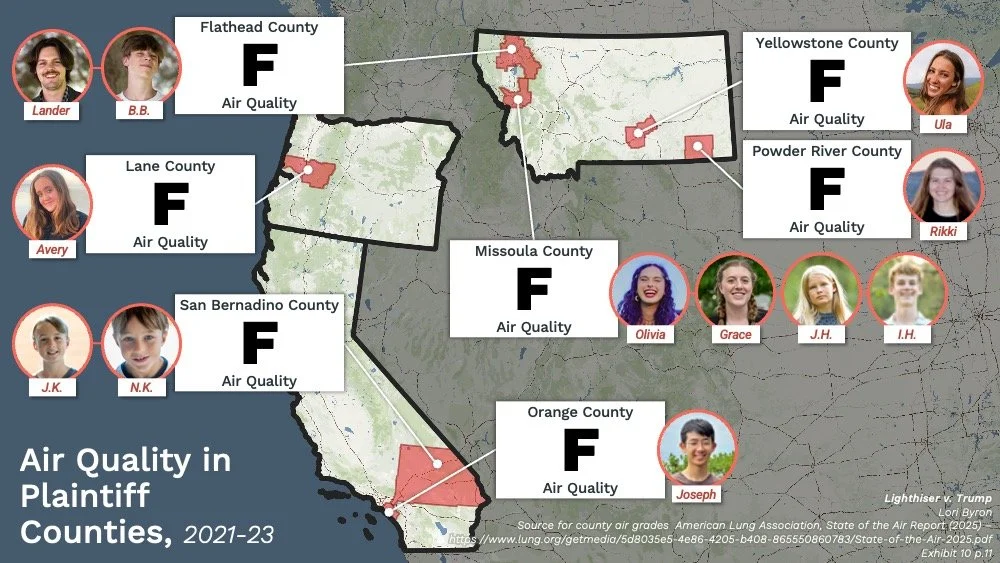
Demonstrative from Dr. Lori Byron’s testimony during the hearing.
She detailed how these orders worsen physical and mental health harms already experienced by the plaintiffs, including increased rates of asthma, anxiety, hospitalizations, and other serious health conditions.
Her words carried the weight of professional expertise and personal conviction: “There is grave risk to these plaintiffs and to the youth and children by the concept of unleashing more fossil fuels,” she warned, adding a sobering reality that “Fossil fuel pollution is already killing 100,000 Americans every year.”
Dr. Byron's final point resonated with particular power—that children are especially vulnerable because they depend on adults to protect them from harm. In that moment, it became clear why these young plaintiffs felt compelled to step forward: the very system meant to safeguard their future had left them no choice but to fight for themselves.
Finally, 17-year-old plaintiff Isaiah from Missoula, Montana, took the stand and reminded the entire courtroom why they were there and what is at stake. People’s lives. He spoke with devastating clarity about the daily reality of growing up in a climate crisis —worsening wildfire smoke that burns his lungs, extreme heat that traps him indoors, and vanishing snowpack that has stolen pieces of his childhood. His words carried the weight of lived experience as he described being forced to evacuate his home with his family when wildfire smoke became so thick it severely damaged his younger brother's lungs.
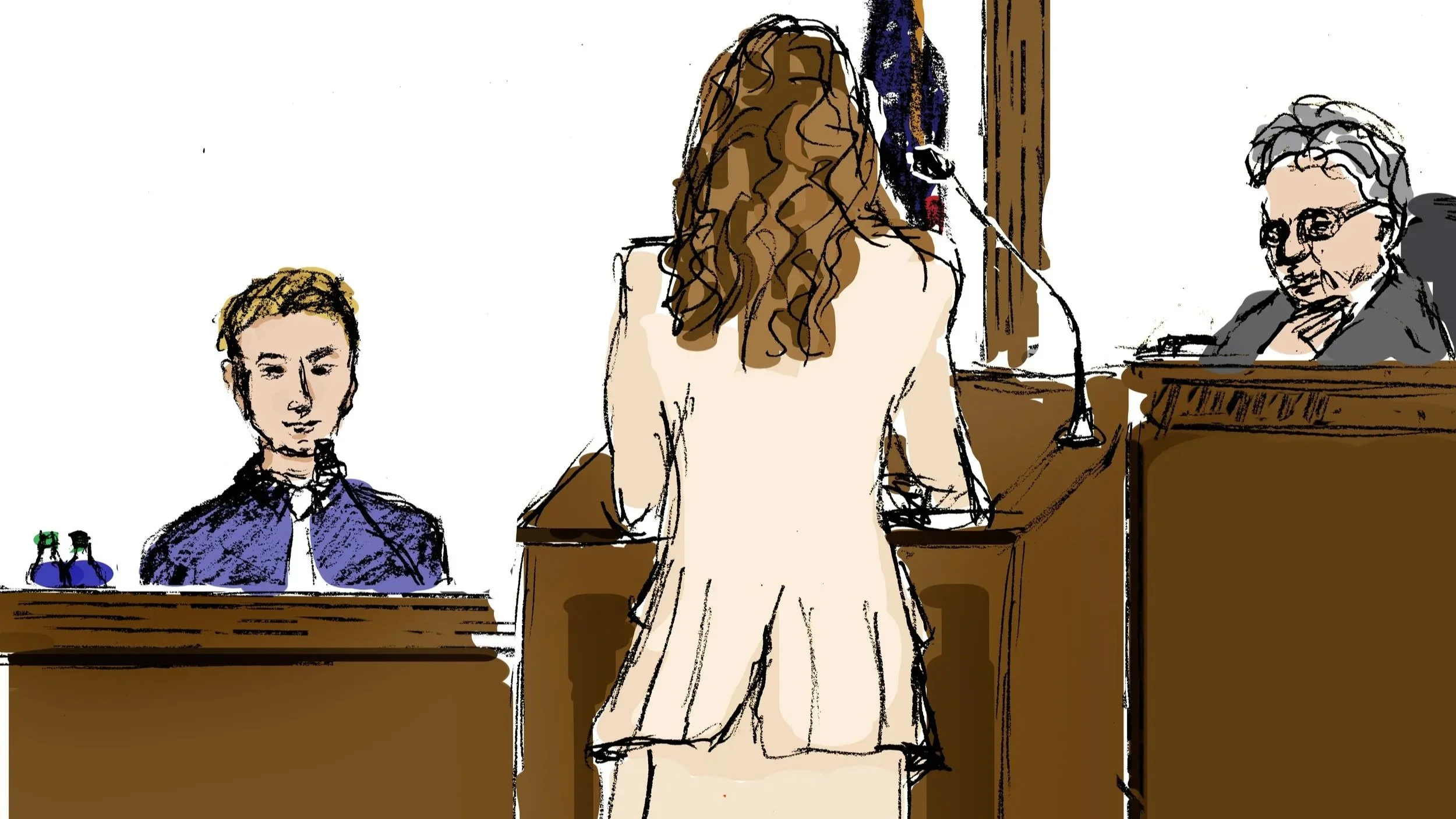
Youth plaintiff Isaiah testifying in Lighthiser v. Trump hearing on September 17, 2025. Courtroom art by Shauna Layton.
But perhaps most compelling was his testimony about the emotional weight of watching his home and surroundings transform before his eyes, and the crushing frustration of having to fight his own government for the right to simply exist safely. "As a 17-year-old," he said with quiet dignity, "I shouldn't have to step in like this."
When asked what he wanted from the court, Isaiah's response was both simple and profound: “We're simply asking them to stop these executive orders, which is a pretty simple but powerful request.”
Together, youth and experts took the stand with courage and clarity, and even under tough cross-examination, the young plaintiffs never wavered, while the federal government and its intervenors failed to present a single fact witness in their defense. During the hearing, their silence spoke as loud as the traumatizing stories and facts presented.
Closing Arguments: A Call for Courage
In closing, lead attorney Julia Olson gave voice to the urgency of the moment. She shared a note handed to her by youth plaintiff Jorja:
“People get a choice about how fast they go on a highway. But we can’t choose how much coal is driven through my town.”
She warned the court that the President’s executive orders are harming the plaintiffs now—and could cut their young lives short. Olson framed this case as a turning point: just as courts once rose to end segregation, she asked this court to rise to protect young people’s most basic constitutional right—the right to life itself.
She reminded the Court that moments of great change have always required judicial courage, pointing to Brown v. Board of Education as proof that even the worst injustices can be addressed when they’re measured against the principles enshrined in the Constitution.
“This court has jurisdiction, Your Honor, to do the job you have done for decades, to sit on the bench, review the evidence, review the policy and all of the legal arguments, and look at the precedent and do what judges did back in the 1950s in cases like Brown v. Board of Education,” said Olson.
The court will now decide whether to grant the defendants’ and intervenors’ motion to dismiss or grant the youth plaintiffs’ motion for preliminary injunction to halt the executive orders and allow the case to proceed.
To learn more about the case, meet the plaintiffs, watch livestreams from the historic hearing, and learn how to support the plaintiffs, visit our webpage.